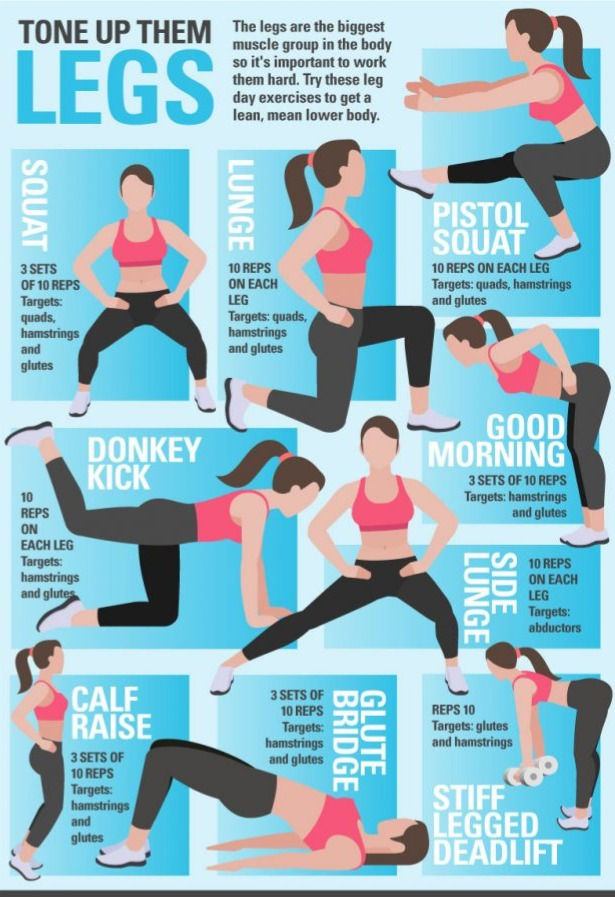
Are you ready to transform your legs from ordinary to extraordinary without even stepping foot outside your home? If you think you need a gym membership or fancy equipment to build impressive leg muscles, think again.
The secret to powerful, toned legs lies within the comfort of your own living room. Imagine the confidence you’ll feel as you stride into any room, your legs strong and sculpted, all thanks to a few key exercises you can do anytime, anywhere.
You’ll discover the best exercises to build leg muscle at home, designed to fit effortlessly into your busy schedule. Get ready to unlock your potential and take the first step towards stronger, more defined legs. Your future self will thank you.
Bodyweight Squats
Bodyweight squats are an effective exercise for building leg muscles at home. They require no equipment and target multiple muscle groups. This makes them perfect for beginners and advanced fitness enthusiasts. Engaging in bodyweight squats can improve strength, balance, and flexibility. They are versatile and can be done anywhere, anytime.
Proper Form Tips
Stand with feet shoulder-width apart. Keep your back straight. Look forward and engage your core. Lower your body by bending your knees. Ensure your knees don’t go past your toes. Go down until your thighs are parallel to the floor. Push through your heels to return to the standing position. Maintain a steady and controlled pace.
Common Mistakes
Avoid letting your knees cave inward. This can lead to injuries. Don’t arch your back or lean too far forward. This strains your back. Ensure your heels stay on the ground. Lifting them reduces effectiveness. Keep your chest up and shoulders relaxed. Rushing through reps can compromise form. Focus on quality over quantity.
Lunges Variations
Lunges are excellent for strengthening leg muscles at home. Different variations target various muscle groups effectively. Side lunges enhance flexibility, while reverse lunges improve balance.
Building leg muscle at home doesn’t require fancy equipment or a gym membership. One of the most effective ways to strengthen your legs is by incorporating lunges variations into your routine. Lunges are versatile and can be modified to target different parts of your legs. Let’s dive into these variations and see how they can transform your workout.Forward Lunges
Forward lunges are a classic exercise that you can do anywhere. They primarily work your quadriceps and glutes. Stand with your feet hip-width apart, and take a big step forward with one leg. Lower your hips until both knees are bent at a 90-degree angle. Push through your front heel to return to the starting position. You might notice that your balance improves over time. This exercise engages your core, helping stabilize your body during the lunge. If you ever feel like your routine is getting monotonous, try adding dumbbells for extra resistance.Reverse Lunges
Reverse lunges offer a unique twist to your workout by emphasizing your hamstrings and glutes. Start by standing tall, feet hip-width apart. Take a step backward with one leg, and lower your hips until your knees form right angles. Return to the starting position by pressing through your front heel. These lunges can be less stressful on your knees compared to forward lunges. If you’re looking for a way to protect your joints while still challenging your muscles, reverse lunges might be your best bet. Have you considered alternating between forward and reverse lunges for a balanced workout?Side Lunges
Side lunges are great for targeting your inner and outer thighs. Begin with feet together and take a step to the side, bending the knee of the stepping leg while keeping the other leg straight. Your bent knee shouldn’t pass your toes. Push back to the starting position using the foot of your bent leg. These lunges improve lateral movement and flexibility, which is often overlooked in regular leg workouts. They can help enhance your balance and coordination. If you’re aiming for a well-rounded fitness routine, adding side lunges can make a significant difference. — Including lunges variations in your home workout routine can offer diverse benefits to your leg muscles. Each type of lunge targets different muscle groups, ensuring comprehensive leg strength. Are you ready to give your legs the workout they deserve?Step-ups
Step-ups are a fantastic exercise for building leg muscle at home. They require minimal equipment and are highly effective for targeting multiple muscle groups, including your quadriceps, hamstrings, and glutes. This exercise not only helps in gaining muscle but also enhances your balance and coordination. Have you ever wondered how a simple step-up can transform your leg strength? Let’s dive into the details.
Using A Sturdy Chair
To perform step-ups, you need a sturdy chair. It should be stable and strong enough to support your weight. The height of the chair should allow you to step up comfortably without straining your knees.
Position the chair in an open space. Make sure the surface is flat and non-slippery. This reduces the risk of injury and ensures you can focus on your form.
Begin by standing in front of the chair. Place one foot firmly on the seat, engaging your core for balance. Push through the heel of the foot on the chair to lift your body up.
Do you feel your muscles working hard? This is a sign that you are engaging the right muscles!
Alternating Legs
Once you master the basic step-up, try alternating legs. This adds a dynamic element to the exercise and ensures balanced muscle development.
Start with your right foot on the chair, step up, then bring your left foot up to meet it. Step back down with your right foot first, followed by your left.
Switch the starting foot after each repetition. This keeps your workout balanced and prevents muscle imbalance.
How often do you switch legs during your workout? Consider doing it more frequently to challenge your coordination and balance.
Step-ups can be adjusted for intensity. Hold dumbbells to increase resistance or vary the speed for cardiovascular benefits. These tweaks keep your workout fresh and effective.
Want to see progress? Track the number of repetitions and increase them gradually. This keeps your muscles guessing and growing.
Why wait for a gym membership to start building muscle? With step-ups, you can transform your leg strength right from home.

Credit: fitbod.me
Calf Raises
Building strong legs at home doesn’t require fancy equipment or a gym membership. One of the simplest and most effective exercises for strengthening your calves is the calf raise. Whether you’re targeting the muscles with single-leg or double-leg variations, calf raises can be done anywhere, and they offer impressive results. So, how can you make the most of this straightforward exercise?
Single-leg Calf Raises
Single-leg calf raises focus on balance and muscle isolation, making them a powerful tool for building strength. Stand on one leg, with your other foot lifted slightly off the ground. Slowly rise onto your toes, hold for a moment, then lower back down. Repeat this for a set of 10-15 reps per leg. This exercise not only enhances muscle definition but also improves stability.
If you struggle with balance, try holding onto a chair or wall for support. You might be surprised at how engaging your core muscles become as you stabilize yourself. Think about the last time you navigated uneven terrain; strong, stable calves can make such experiences far less daunting.
Double-leg Calf Raises
Double-leg calf raises are excellent for increasing endurance and overall calf strength. Stand with both feet flat on the ground. Rise onto your toes as high as you can, pause, and then slowly lower your heels. Aim for 15-20 reps per set. This exercise is straightforward but incredibly effective at building muscle.
Consider adding weights to increase resistance. Grab a pair of dumbbells or even milk jugs if you don’t have weights at home. The added weight will challenge your muscles further, accelerating growth. Have you ever lifted heavy groceries only to feel a burn in your calves? Imagine harnessing that power intentionally for your workouts.
Why not try alternating between these two exercises? You might find that mixing single-leg and double-leg raises keeps your workouts fresh and exciting. How do you plan to incorporate these exercises into your routine? What changes could you notice in your daily activities with stronger calves?
Glute Bridges
Glute bridges are effective for building leg muscles at home. They target the glutes, hamstrings, and lower back. This exercise strengthens and tones your legs without any equipment.
Building leg muscle at home can be a rewarding challenge, especially when you discover exercises that effectively target your lower body. Glute bridges are an excellent choice, offering a simple yet powerful way to strengthen your glutes, hamstrings, and lower back. They require no fancy equipment and can be modified to increase intensity, making them accessible for all fitness levels. Whether you’re just starting or looking to amp up your routine, glute bridges can be a game-changer.Single-leg Glute Bridge
The single-leg glute bridge is a fantastic variation that can increase the challenge without needing weights. By lifting one leg, you engage your core and force your glutes to work harder. To perform this exercise, lie on your back with your knees bent and feet flat on the floor. Extend one leg straight out and lift your hips towards the ceiling. Keep your extended leg in line with your body and squeeze your glutes at the top. Hold for a moment before lowering back down. Switch legs and repeat. Aim for 10-12 reps per leg. Feeling the burn is a good sign—your muscles are working hard. Are you up for a greater challenge? Try pausing for a few seconds at the top of each bridge.Weighted Glute Bridge
If you’re ready to level up, adding weight to your glute bridge can significantly boost muscle growth. Using a weight plate or dumbbell, you can intensify this exercise effectively. Place the weight on your hips, holding it steady with both hands. Keep your feet flat on the ground and lift your hips by squeezing your glutes. Ensure your knees are aligned with your toes. Hold for a moment at the top and then lower your hips back down. Aim for 8-10 reps, focusing on form rather than speed. Don’t have weights at home? A heavy book or a filled backpack can work as an alternative. What creative solutions can you find around your house to keep building strength? By focusing on these glute bridge variations, you’ll not only strengthen your legs but also improve your balance and core stability. Consistency and progression are key—keep challenging yourself!Wall Sits
Wall sits are a simple yet effective way to build leg muscles at home. This exercise targets your quadriceps, hamstrings, and glutes. It requires no equipment, making it perfect for a home workout. With wall sits, you use your body weight to strengthen your legs. You can do them in any room with a sturdy wall. Regular practice helps improve endurance and stability.
Increasing Duration
Start with a comfortable duration for your wall sit. Beginners might hold the position for 20 to 30 seconds. Gradually increase the duration as your strength improves. Aim to add five more seconds each session. Longer holds help build more muscle endurance. Listen to your body, and rest if needed. Consistent practice leads to better results over time.
Adding Variations
Adding variations to your wall sits can enhance the workout. Try incorporating arm movements for an additional challenge. You can also lift one leg while maintaining the position. This engages different muscle groups and increases difficulty. Experiment with different foot positions to target various muscles. Keep your form correct to prevent injury. Variations keep the exercise fun and engaging.
Pistol Squats
Pistol squats are effective for building leg muscles at home. This exercise targets quads, hamstrings, and glutes. It also improves balance and strength.
Pistol squats are a powerhouse exercise for building leg muscle right in your living room. This single-leg squat variation challenges your strength, balance, and flexibility all at once. If you’re aiming for lean, strong legs without stepping into a gym, mastering the pistol squat can be a game-changer.Progression Techniques
Starting with pistol squats can be intimidating, but you can ease into them with progression techniques. Begin by practicing sitting down and standing up from a chair with one leg, keeping the other leg extended in front of you. Once comfortable, try holding onto a door frame or a sturdy piece of furniture to assist your balance as you squat down and up. You can also try partial squats by only going halfway down at first. Gradually increase your range of motion as your strength and confidence grow. It’s all about small, consistent steps towards improvement.Balance And Stability
Balance is crucial in pistol squats, and it’s an area many struggle with initially. Engage your core to help stabilize your body. This not only aids in balance but also strengthens your abs, giving you an additional workout benefit. Consider incorporating balance exercises into your routine. Simple activities like standing on one leg or using a balance board can enhance your stability. Have you ever tried closing your eyes while balancing? It’s a great way to challenge yourself further. Remember, achieving balance and stability takes time and patience. Celebrate small victories, like holding the squat position for an extra second. These achievements are stepping stones to mastering the pistol squat.
Credit: in.pinterest.com
Jumping Exercises
Jumping exercises are great for building leg muscles at home. They need no equipment and fit into small spaces. Their explosive nature helps strengthen muscles and improve balance. These exercises also boost cardiovascular health. Let’s explore some effective jumping exercises.
Jump Squats
Jump squats are excellent for leg strength and power. Start by standing with feet shoulder-width apart. Lower into a squat, keeping your back straight. Push through your heels and jump as high as you can. Land softly and return to the squat position. Repeat for several sets. This exercise targets quads, glutes, and calves.
Box Jumps
Box jumps are perfect for improving agility and coordination. Use a sturdy box or platform. Stand with feet hip-width apart, facing the box. Bend your knees slightly and jump onto the box. Land softly with both feet. Step down carefully and repeat. This works your leg muscles while enhancing balance.
Resistance Band Workouts
Strengthen your legs at home with resistance band workouts. Squats and lunges target major muscle groups effectively. Add leg curls and glute bridges for a complete routine. These exercises improve muscle tone and flexibility, offering a versatile and convenient way to build leg strength without gym equipment.
Resistance bands are perfect for building leg muscle at home. They’re affordable, portable, and offer versatile workouts. You can target different leg muscles with resistance bands. Squats and lunges are two effective exercises. These improve strength and build muscle.Band Squats
Band squats engage your quads and glutes. Start by standing on the band with feet shoulder-width apart. Hold the band handles at shoulder height. Lower your body as if sitting on a chair. Keep your knees behind your toes. Rise back up to the starting position. Repeat for several reps. Band squats strengthen your lower body.Band Lunges
Band lunges target your thighs and hamstrings. Place the band under your front foot. Hold the handles at your sides. Step one foot forward, bending the knee at a 90-degree angle. Keep your back straight. Push back to the starting position. Alternate legs for balanced strength. Band lunges enhance leg endurance.
Credit: www.youtube.com
Creating A Home Routine
Building leg muscle at home is both convenient and effective. A well-crafted routine can transform your fitness journey. It requires a mix of planning and dedication. Begin by understanding your goals and progress.
Setting Goals
Define what you want to achieve with your leg workouts. Are you aiming for strength, endurance, or muscle growth? Clear goals guide your routine and keep you motivated. Break down your objectives into smaller, manageable targets. This approach makes them less daunting and more achievable. Write these goals down to reinforce commitment.
Tracking Progress
Monitor your workouts to see improvements over time. Keep a journal or use a fitness app. Record the number of reps, sets, and weights used. Tracking helps you understand what works best for your legs. Adjust your routine based on these insights. Celebrate milestones to stay motivated. Progress tracking keeps you on the path to success.
Frequently Asked Questions
Is It Possible To Build Leg Muscles At Home?
Yes, you can build leg muscles at home with exercises like squats, lunges, and calf raises. Use resistance bands or weights for added intensity. Consistency and proper form are key for effective results. Incorporate regular workouts into your routine to see muscle growth over time.
What Builds Leg Muscles The Fastest?
Squats, lunges, and deadlifts build leg muscles quickly. Prioritize compound exercises for maximum impact. Include progressive overload to increase strength and muscle growth. Consistency and proper nutrition enhance results.
Is A 20 Minute Leg Workout Enough To Build Muscle?
A 20-minute leg workout can build muscle if intense and consistent. Focus on compound exercises like squats and lunges. Ensure proper form and progressively increase weight or resistance. Consistency and nutrition play crucial roles in muscle growth.
How Long Does It Take To Build Leg Muscle?
Building leg muscle typically takes 8-12 weeks with consistent training and proper nutrition. Progress varies per individual. Regular strength training and a protein-rich diet enhance results. Stay committed to see noticeable improvements in muscle size and strength. Rest and recovery are crucial for muscle growth.
Conclusion
Building leg muscles at home is possible with dedication. These exercises are effective and require no special equipment. Start with squats and lunges for strength. Add calf raises for balance. Try step-ups to boost endurance. Stay consistent for the best results.
Progress slowly and listen to your body. Keep track of your improvements. Remember to warm up before you begin. Cool down after each session to prevent injury. These simple steps lead to stronger legs. Enjoy the process and celebrate your progress.
Fitness is a journey, not a race. Keep pushing forward, and see your leg muscles grow.








