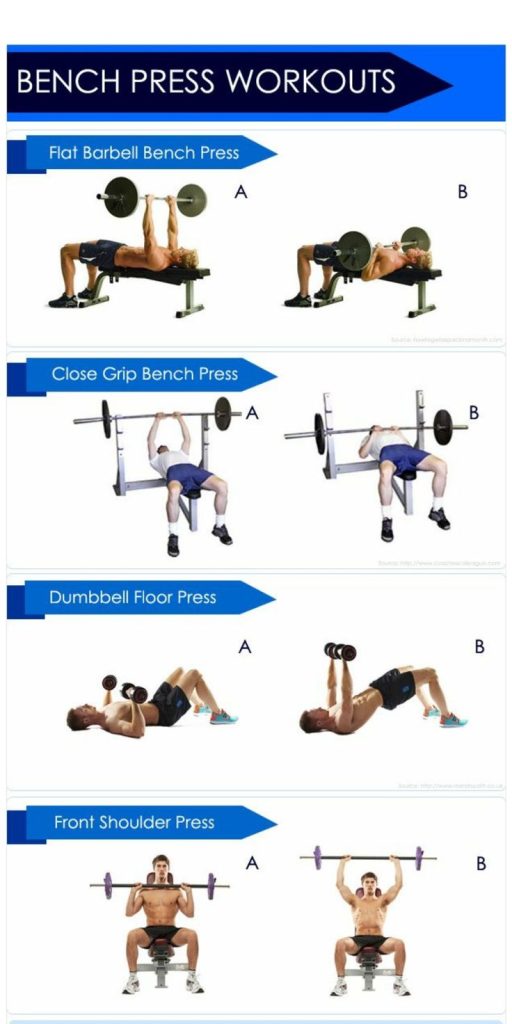
Are you ready to elevate your fitness game without stepping foot in a gym? Imagine transforming your living space into a powerhouse of strength and confidence.
The bench press is a cornerstone of upper body workouts, renowned for its ability to sculpt your chest, shoulders, and triceps. But did you know you can achieve impressive results from the comfort of your home? In this guide, you’ll discover how to execute a bench press workout at home that rivals any gym session.
Get ready to unlock your potential, crush your fitness goals, and feel stronger than ever before. Let’s dive in and explore how you can master the bench press in your own space, with minimal equipment and maximum impact. Your home workout revolution starts now!
Benefits Of Bench Press
The bench press is a popular workout choice for many. It builds strength and enhances muscle growth effectively. When done at home, it offers great convenience. Let’s explore the benefits that make bench pressing a valuable addition to your routine.
1. Builds Upper Body Strength
The bench press primarily targets the chest. It also works the shoulders and triceps. Regular practice increases upper body strength significantly.
2. Enhances Muscle Growth
This exercise promotes muscle hypertrophy. By lifting weights, your muscles grow larger and stronger. It effectively stimulates muscle fibers for growth.
3. Boosts Bone Health
Weightlifting strengthens bones. The bench press applies load to the skeleton. This encourages bone density and reduces fracture risks.
4. Improves Athletic Performance
Strengthening the upper body enhances performance in sports. It aids in activities requiring pushing power. Athletes often benefit from a stronger upper body.
5. Provides Core Stability
While focusing on the chest, the core stabilizes the body. This maintains balance and posture during the lift. A stable core supports overall functional fitness.
6. Offers Versatility And Variety
The bench press has many variations. You can try incline, decline, or flat bench presses. This keeps your routine engaging and challenging.
Essential Equipment
Setting up a bench press workout at home requires the right equipment. Essential gear can make or break your routine. A proper setup helps you perform exercises safely and effectively. The right tools bring gym-quality workouts to your living room.
Adjustable Bench Options
An adjustable bench is key for versatility. It offers multiple incline positions. This allows targeting different muscle groups. Foldable benches save space in small areas. Ensure the bench is sturdy and stable. Look for durable materials and solid construction. Comfort matters too, so consider padded surfaces.
Choosing The Right Weights
Weights are crucial for progression. Dumbbells are a great choice for beginners. They offer easy handling and variety. Consider adjustable dumbbells for flexibility. Weight plates are essential for bars. Select weights suitable for your current strength level. Increase weights gradually for muscle growth.
Proper Form And Technique
Achieving the right form in a bench press workout at home is crucial. It ensures safety and maximizes results. Proper technique helps target muscles effectively and prevents injuries. This guide covers essential elements to perfect your bench press form.
Hand Positioning
Place hands shoulder-width apart on the bar. This position provides balance. Ensure thumbs wrap around the bar securely. Avoid gripping too wide or too narrow. A firm grip aids in control and stability during the lift.
Maintaining Back Alignment
Keep your back flat against the bench throughout the lift. Arching the back can lead to strains. Feet should be flat on the ground for support. Ensure your head, shoulders, and glutes stay in contact with the bench. This posture keeps your spine safe and supports the lift.
Breathing Techniques
Exhale as you push the bar upwards. Inhale while lowering the bar to your chest. Controlled breathing enhances performance. It maintains focus and provides energy for each rep. Never hold your breath during lifts. Proper breathing helps maintain rhythm and endurance.
:max_bytes(150000):strip_icc()/About-A53-YChestPress-719-c0225c885f6347e1a7c52bab2fdc2bb8.jpg)
Credit: www.verywellfit.com
Warm-up Routine
Start with light cardio to increase blood flow before a bench press workout at home. Gradually incorporate dynamic stretches targeting chest, shoulders, and triceps to enhance flexibility and prevent injuries.
Warm-up routines are essential before any bench press workout at home. They prepare your body, enhance performance, and reduce injury risks. Begin with dynamic stretches and light cardio. Warm-up routines boost blood flow and loosen stiff muscles. This helps you lift safely and effectively.Dynamic Stretches
Dynamic stretches are crucial for muscle activation. They improve flexibility and range of motion. Perform arm circles to engage shoulders. Swing your arms forward and backward with controlled movements. Do torso twists to activate your core. These stretches enhance your upper body mobility. Lunges with a twist help activate lower body muscles. Dynamic stretches prepare your body for lifting. They ensure your muscles are ready for action.Light Cardio Exercises
Light cardio elevates heart rate and warms up muscles. Start with jumping jacks. They engage your entire body. Move on to brisk walking or jogging in place. This increases blood circulation. These exercises prepare your body for intense lifting. They also help in maintaining focus. Keep the cardio light to avoid fatigue. Warm-up with light cardio ensures you’re ready to lift safely.Bench Press Variations
Bench pressing at home doesn’t have to be monotonous. By exploring different bench press variations, you can target various muscle groups and keep your workout exciting. Each variation offers unique benefits and challenges. Are you ready to add some spice to your routine?
Incline Bench Press
Incline bench press focuses on your upper chest and shoulders. Adjust your bench to a 30-45 degree angle. This shift can make all the difference. With the incline, you emphasize the upper pecs, which can add aesthetic appeal and strength.
Using a barbell, maintain a firm grip and push away. Feel the burn as your muscles engage differently. Ever noticed how a slight angle can change everything? It’s the small adjustments that bring big results.
Decline Bench Press
Decline bench press targets the lower chest. Set your bench to a decline angle, around 15-30 degrees. This variation might seem intimidating at first, but it’s worth the effort. It can help carve out the lower pecs, giving your chest a fuller appearance.
As you press, ensure your feet are anchored securely. This stabilizes your body, allowing a focused lift. Isn’t it interesting how a simple angle shift can redefine your workout? Challenge yourself and feel the difference.
Dumbbell Bench Press
Dumbbell bench press brings balance and versatility. Unlike a barbell, dumbbells allow for a greater range of motion. This variation engages stabilizer muscles, offering a balanced workout.
Choose a comfortable weight and press. Feel the independence of each arm working. Ever wondered why some prefer dumbbells? They promote symmetry and address muscle imbalances.
So, why stick to one form of bench press? Mixing it up keeps you engaged and targets different muscles. Which variation will you try first? Your home workout routine can be as dynamic as you make it. Dive in and discover the benefits of each bench press variation today.
Creating A Home Workout Plan
Setting up a bench press workout at home is straightforward and effective. Use basic equipment like dumbbells or resistance bands. Focus on proper form to build strength gradually and safely.
Creating a home workout plan can transform your fitness journey. Especially for bench press enthusiasts. You need a structured approach to achieve your goals. In this section, we’ll discuss how to create an effective plan. It will help you stay consistent and motivated.Setting Goals
Define your fitness goals clearly. Do you aim to increase strength? Maybe, improve endurance? Or simply maintain health? Having clear goals helps in designing your workout plan. Write them down. This makes it easier to track progress. Set realistic and achievable targets. Break them into smaller milestones. Celebrate each milestone. It keeps you motivated.Tracking Progress
Tracking progress is crucial. It shows how far you have come. Use a journal or an app. Record your weights, reps, and sets. Take note of any improvements. This helps in adjusting your plan. Seeing progress boosts confidence. It encourages you to keep going. Review your progress regularly.Incorporating Rest Days
Rest days are essential. They allow your muscles to recover. Prevents burnout and injuries. Plan rest days into your schedule. Listen to your body. Rest if you feel too sore. It improves overall performance. Proper rest supports muscle growth. Balances your workout routine. Remember, consistency is key.Common Mistakes To Avoid
Avoid arching your back during a bench press workout at home. This mistake can lead to injury. Always control the weight to prevent losing balance. Using too much weight limits proper form and increases risk. Maintain focus on technique for safety and effectiveness.
Working out at home can be both convenient and effective, especially when it comes to exercises like the bench press. However, to reap the benefits and avoid injuries, it’s crucial to recognize common mistakes. Let’s dive into some frequent errors people make when doing bench press workouts at home and how you can sidestep them.Overarching The Back
While lifting heavy weights, it might be tempting to arch your back. This can lead to serious injuries over time. Instead, keep your back flat against the bench and engage your core. Think about this: when you arch your back, are you lifting with your chest or risking strain on your spine? Maintaining proper form not only protects you but also maximizes muscle engagement.Incorrect Grip Width
Your grip on the barbell plays a vital role in the effectiveness of your bench press. A grip too wide can put stress on your shoulders, while too narrow a grip might not target the chest effectively. Find a grip that feels natural and allows your elbows to be at about a 45-degree angle to your body. To test this, try a few practice reps with lighter weights to ensure comfort and effectiveness.Ignoring Safety Measures
Safety should always be a top priority, especially when lifting weights. At home, you might not have a spotter, so consider investing in safety equipment like a pair of sturdy squat stands with spotter arms. These can catch the bar if you can’t complete a rep. Have you ever found yourself struggling under the barbell, wishing you had taken more precautions? A little preparation can make your workout safer and less stressful. By avoiding these common pitfalls, you can enjoy more effective and safer bench press workouts at home. What mistakes have you encountered in your fitness journey, and how did you overcome them?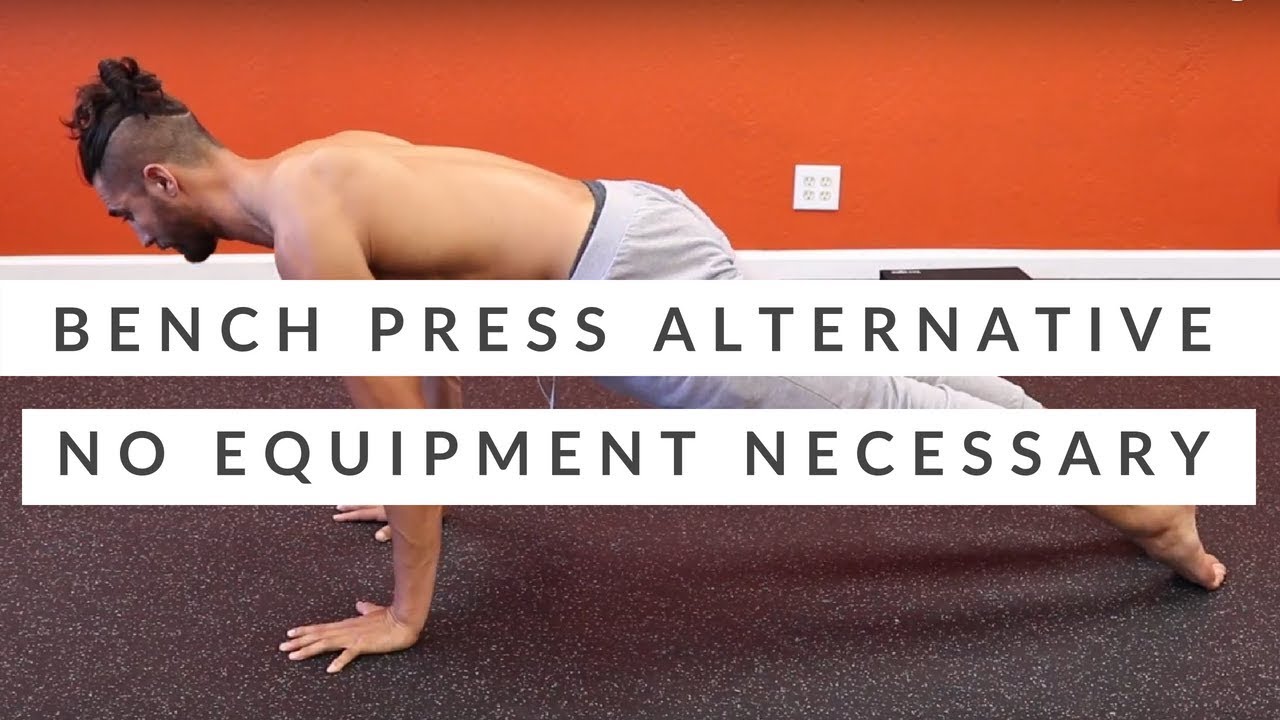
Credit: www.youtube.com
Safety Tips
When you’re bench pressing at home, safety must be your top priority. Without the watchful eye of a gym trainer, you have to be extra cautious to avoid injuries. Simple safety measures can make your workout effective and secure.
Spotter Necessity
Ever felt your arms giving out mid-rep? A spotter is your safety net, ready to assist when you can’t push the weight further. They not only help prevent accidents but also provide motivation.
It’s easy to overlook the need for a spotter at home, especially when you’re confident. But confidence can sometimes lead to overestimating your strength. Wouldn’t it be better to have someone there just in case?
If you can’t find a spotter, consider asking a friend or family member. Even if they’re not into fitness, they can be a great help in ensuring your safety. What’s more important than feeling secure during your workout?
Using Safety Pins
Imagine the barbell slipping, and you’re alone. Safety pins are your personal safeguard. They catch the barbell when things don’t go as planned, acting as a lifesaver.
Adjust them to the right height, just below your chest level. This way, if your arms fail, the pins will hold the weight, preventing injury. Isn’t it comforting to know there’s a backup plan?
Many home benches come with adjustable safety pins. If yours doesn’t, consider investing in them. It’s a small price to pay for peace of mind during your workout.
Have you thought about how these simple measures can enhance your workout experience? Safety tips not only protect you but also boost confidence, enabling you to focus on lifting stronger and smarter.
Supplementary Exercises
Working out at home is convenient and effective. Bench press is a great exercise for chest strength. To maximize your workout, consider adding supplementary exercises. These exercises enhance muscle growth and support your bench press goals. Here are a few exercises you can perform at home.
Push-ups
Push-ups are fantastic for building upper body strength. They target the chest, shoulders, and triceps. You can do them anywhere, with no equipment needed. Start with your hands shoulder-width apart. Keep your body straight and lower yourself until your chest nearly touches the floor. Push back up to the starting position. They provide a solid workout for your chest.
Tricep Dips
Tricep dips focus on strengthening the back of your arms. Find a sturdy surface, like a chair or bench. Place your hands shoulder-width apart on the edge. Slide your butt off the edge, and lower your body by bending your elbows. Keep your elbows close to your body. Push back up using your triceps. This exercise helps develop arm strength essential for bench pressing.
Chest Flyes
Chest flyes are excellent for isolating the chest muscles. Use dumbbells or similar weights. Lie down on a mat or bench. Hold the weights above your chest, arms slightly bent. Slowly open your arms out wide, keeping a controlled motion. Bring them back to the starting position. This movement targets the chest and improves muscle definition.

Credit: www.ritkeeps.com
Frequently Asked Questions
How To Train For Bench Press At Home?
Use a bench or sturdy surface, and dumbbells or resistance bands. Warm up, then focus on proper form. Start with lighter weights, gradually increasing. Aim for 3-4 sets of 8-12 reps. Incorporate variations like incline or decline presses for balanced muscle development.
Rest between sessions to avoid overtraining.
What Is 5 4 3 2 1 Strength Training?
5 4 3 2 1 strength training involves performing a set with decreasing reps: 5, 4, 3, 2, and 1. This method helps build strength progressively by increasing weight and reducing reps with each set. It’s an effective way to challenge muscles and improve overall strength.
How Much Should A 170 Lb Man Bench Press?
A 170 lb man should aim to bench press around 170 to 255 lbs, depending on fitness level. Beginners may lift less, while experienced lifters often lift more. Always prioritize proper form and safety while bench pressing.
Is A 225 Bench Press Impressive?
A 225 bench press is impressive for most recreational lifters. It indicates strength and dedication to training. Achieving this weight can be a milestone, especially for those under 200 pounds. It’s a solid benchmark in powerlifting and fitness communities, demonstrating significant upper body strength.
Conclusion
A bench press workout at home offers many benefits. You save time and money. No need for a gym membership. You can exercise any time you want. It’s flexible and convenient. Plus, you can progress at your own pace. Start with light weights.
Increase as you grow stronger. Safety is key. Always use proper form. Warm up before each session. Listen to your body. Rest if needed. Consistent practice leads to great results. Stay committed. Enjoy building strength in your own space. Your home workout journey begins now.
Keep pushing forward. Stay dedicated and see the change.








