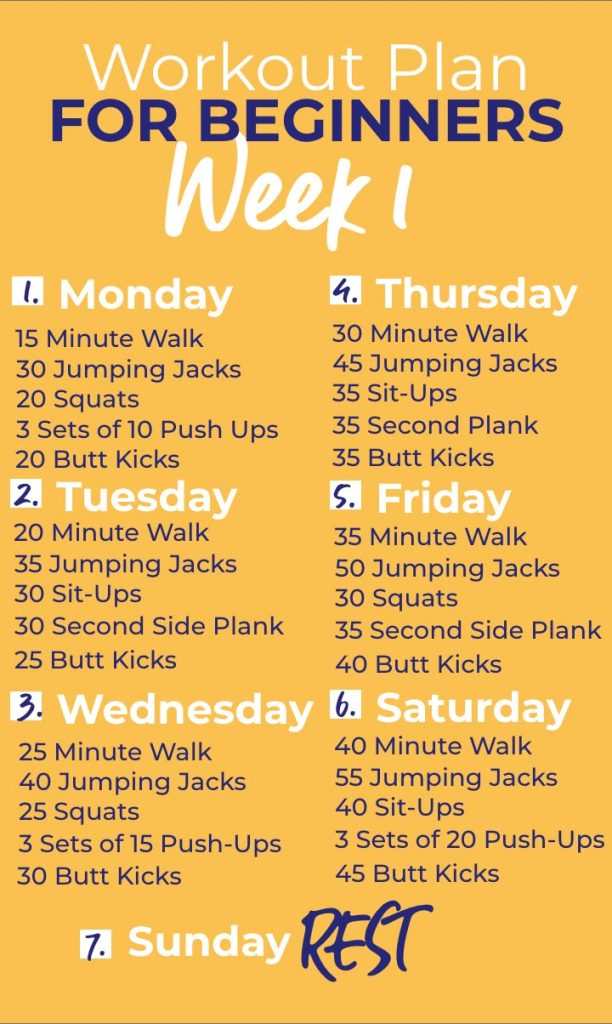
Are you ready to kick-start your fitness journey without ever stepping foot in a gym? Imagine transforming your living room into a powerhouse of energy and motivation.
With a beginners workout routine at home, you can dive into a fitness lifestyle that suits your pace, your schedule, and your comfort zone. No need for fancy equipment or expensive memberships. Just you, your determination, and a few simple exercises that can make a world of difference.
Curious about how to get started and keep the momentum going? Stick around, because we’re about to unlock the secrets to effective home workouts that fit right into your life.
Benefits Of Home Workouts
Home workouts offer flexibility and privacy, ideal for beginners. No need for a gym, just comfortable space. Start at your own pace with simple routines and build confidence.
Working out at home offers several benefits that can enhance your fitness journey. Whether you’re a beginner or simply prefer staying indoors, home workouts provide a flexible and cost-effective way to stay active. Plus, they can be easily tailored to suit your lifestyle and goals.Convenience And Flexibility
Home workouts allow you to exercise at any time that suits you. No more worrying about gym hours or commuting. You can squeeze in a quick workout before breakfast or unwind with a yoga session after dinner. This flexibility helps you maintain consistency, which is key to achieving your fitness goals.Cost-effectiveness
Working out at home eliminates the need for a gym membership, saving you money. You don’t need expensive equipment to start; bodyweight exercises are highly effective. With a yoga mat and some resistance bands, you can perform a wide range of exercises.Privacy And Comfort
Exercising at home offers privacy, which can be particularly appealing to beginners. You can try new exercises without feeling self-conscious. Plus, you can wear whatever makes you comfortable, whether that’s pajamas or workout gear.Customization And Personalization
At home, you have the freedom to create your own workout routine. Tailor your exercises to target specific areas you want to improve. If you enjoy dancing, turn up your favorite music and dance your heart out. If strength training is your goal, focus on bodyweight exercises like push-ups and squats.Reduced Time Constraints
Home workouts eliminate travel time to and from the gym. This means you can spend more time exercising and less time commuting. If you have a busy schedule, even a 20-minute workout can be effective. What would you do with the extra time you save?Encourages Family Participation
When you work out at home, you can encourage family members to join in. This not only makes exercise more fun but also promotes a healthy lifestyle for everyone. Imagine having a weekly family workout session – it’s a great way to bond and stay fit together.Adaptability To Your Space
You don’t need a large space for an effective workout. A small living room or a corner of your bedroom can work perfectly. Adapt your exercises to fit your space, whether it’s a HIIT session or a calming yoga routine. What creative ways can you make the most of your home environment for workouts? Choosing to work out at home can be a simple yet powerful decision for your health. It offers numerous advantages that cater to various needs and preferences. Why not take the first step towards a healthier lifestyle right from the comfort of your home?
Credit: www.pinterest.com
Setting Goals
Setting goals is crucial for beginners starting a workout routine at home. Clear targets help track progress and maintain motivation. Identifying specific fitness aims ensures a structured approach to achieving personal health milestones.
Setting goals is the cornerstone of any successful workout routine, especially when you’re starting your fitness journey at home. Without clear goals, motivation can dwindle quickly. It’s crucial to know what you want to achieve and have a roadmap to get there. Whether you’re aiming to lose weight, build muscle, or improve overall fitness, defining your objectives will guide your efforts and keep you on track.Identifying Fitness Objectives
Begin by asking yourself: What do you want to accomplish with your workouts? Maybe you want to shed a few pounds or increase your stamina. Perhaps you’re looking to gain strength or improve flexibility. Identify specific goals that resonate with you. A goal like “I want to be able to do 20 push-ups in a row” is tangible and measurable. Think about the bigger picture. How will achieving this goal improve your life? Will it boost your confidence or energy levels? Having a clear vision makes the journey more meaningful.Tracking Progress
Once your goals are set, you need a reliable method to track your progress. How will you know if you’re getting closer to those 20 push-ups? Consider keeping a workout journal. Write down your daily exercises, the number of reps, and how you feel. Seeing your improvements over time can be motivating. Use technology to your advantage. Fitness apps can provide insights into your progress and even suggest adjustments to your routine. These tools can make tracking effortless and fun. Reflect on your achievements regularly. Are you moving in the right direction? What adjustments could propel you further? Setting goals isn’t just about the destination. It’s about enjoying the journey and celebrating the small wins along the way. Are you ready to take the first step?Essential Equipment
Starting a workout routine at home is an exciting journey, but figuring out the essential equipment can be daunting. You don’t need to break the bank or clutter your space to get started. With some smart choices, you can set up a home gym that fits your budget and space.
Budget-friendly Options
Investing in home workout equipment doesn’t have to cost a fortune. Look for affordable essentials like resistance bands and a yoga mat. Resistance bands are versatile and can be used for strength training, stretching, and even cardio workouts. They are often available in sets, providing different resistance levels to match your fitness progress.
Another budget-friendly option is a pair of dumbbells. These are perfect for building strength and muscle. You can start with lighter weights and gradually increase as you become more comfortable. Dumbbells are great because they don’t take up much space and can be used for a wide range of exercises.
Space-saving Tools
Living in a small apartment or house shouldn’t stop you from having a home gym. Consider space-saving tools that maximize your workout without consuming your living area. A foldable exercise bench is a smart addition. It can be used for various exercises like bench presses and abdominal workouts, and folded away when not in use.
Wall-mounted pull-up bars are another excellent space-saving tool. They allow you to focus on upper body strength without needing a separate workout station. Their compact design means you don’t have to sacrifice space for fitness.
Have you ever tried working out without enough space? It can be frustrating, but with these tools, you can transform small areas into effective workout zones. What’s your go-to space-saving equipment at home?
Credit: www.myvegan.com
Creating A Routine
Starting a workout routine at home is ideal for beginners. Simple exercises like squats and push-ups build strength. Consistency and gradual progress enhance fitness without gym equipment.
Creating a workout routine at home can seem daunting, but it doesn’t have to be. Starting with simple steps can set you on a path to achieving your fitness goals. Imagine having the freedom to exercise whenever you want, without the need for fancy equipment or a gym membership. Embrace the opportunity to tailor your workouts to suit your needs and preferences. Let’s dive into the essentials of crafting a balanced and effective routine.Balancing Cardio And Strength
Balancing cardio with strength training is key to a well-rounded fitness plan. You don’t need a treadmill to get your heart pumping; try jumping jacks or running in place. Mixing in strength exercises like push-ups or squats can build muscle and burn calories. Don’t just focus on one type of exercise; variety keeps things interesting and your body guessing. How do you know if you’re doing enough? If your heart rate is up and you’re breaking a sweat, you’re on the right track.Incorporating Flexibility
Flexibility is often overlooked, but it’s crucial for overall fitness. Simple stretches can improve your range of motion and prevent injuries. Try adding a few minutes of stretching before or after your workout. It can be as simple as reaching for your toes or rotating your shoulders. Ever noticed how your muscles feel tight after a workout? Stretching can ease this tension and help your body recover faster. Creating a workout routine is about finding what works best for you. What motivates you to keep going? Remember, consistency is key. Keep challenging yourself, but also listen to your body. The beauty of working out at home is the ability to adapt and grow with your routine.Warm-up Exercises
Starting a workout without a warm-up is like driving a cold engine. A proper warm-up prepares your body for exercise. It increases blood flow and flexibility. This reduces the risk of injuries. It also enhances performance during your workout. Warm-up exercises are essential, especially for beginners at home.
Dynamic Stretches
Dynamic stretches involve movement and stretching. They prepare your muscles for activity. Unlike static stretches, they keep your body in motion. Perform exercises like arm circles and leg swings. These increase your heart rate gradually. Dynamic stretches improve range of motion. They also boost circulation in your muscles.
Try doing high knees and walking lunges. These are excellent for warming up your legs. Dynamic stretches energize your body. They help you transition smoothly into your workout.
Preventing Injuries
Injuries can sideline your fitness journey. Warm-up exercises help prevent them. Proper warm-ups reduce muscle stiffness. They also enhance joint flexibility. This lowers the risk of strains and sprains. A warm body is less prone to injuries.
Warm-ups also prepare your mind for exercise. They help you focus and set the right pace. This mental preparation is crucial for a safe workout. Spend at least 5-10 minutes on warm-up exercises. Your body will thank you.
Beginner-friendly Workouts
Discover easy workouts you can do at home. Perfect for beginners, these exercises need no special equipment. Build strength and boost energy with simple, fun routines.
Starting a workout routine at home can be both exciting and challenging. You might feel overwhelmed with all the choices and unsure where to start. That’s why beginner-friendly workouts are perfect for you. They are simple, effective, and require no special equipment. You can do them in the comfort of your own living room. They help you build a strong foundation and boost your confidence. Let’s dive into some easy exercises you can start with today.Bodyweight Exercises
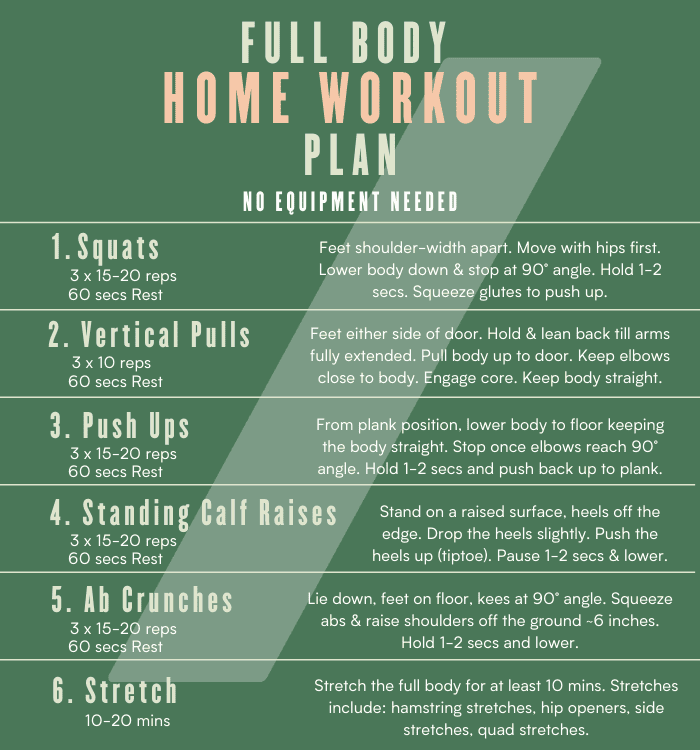
Bodyweight exercises are a fantastic way to get started without needing any gym equipment. They’re not only convenient but also effective in building strength and improving flexibility. Imagine doing squats, push-ups, or lunges in your living room. Start with squats to strengthen your legs. Stand with your feet shoulder-width apart and lower your body as if sitting on a chair. Keep your back straight and go as low as you can. Do 10 to 15 reps to start, then gradually increase as you feel more comfortable. Push-ups are another great option. Begin with your hands placed slightly wider than shoulder-width apart. Lower your body until your chest nearly touches the floor, then push back up. If this is too challenging, start with knee push-ups. Lunges help improve balance and work multiple muscles at once. Step forward with one leg and lower your hips until both knees are bent at about a 90-degree angle. Alternate legs and aim for 10 reps on each side.Low-impact Cardio
Low-impact cardio exercises are perfect for beginners because they’re gentle on the joints. They help improve your heart health and boost your endurance without too much stress on your body. Have you ever tried marching in place or doing side steps? They’re simple but effective. Start with marching in place. Lift your knees high and swing your arms for added intensity. Do this for about 5 minutes to get your heart rate up. Side steps are another great option. Stand with your feet together and step to the side with your right foot, then bring your left foot to meet it. Repeat this side-to-side movement for a few minutes. If you have a little more space, try a basic dance workout. Put on your favorite tunes and dance like no one’s watching. It’s a fun way to exercise and lift your spirits. These beginner-friendly workouts are just the start. As you get more comfortable, you can explore new exercises and challenge yourself further. What will you try today?Staying Motivated
Starting a workout routine at home can boost motivation and energy. Regular exercise helps improve mood and focus. Consistency is key for beginners to see positive changes and maintain motivation.
Starting a workout routine at home can be both exciting and daunting. Staying motivated is often the hardest part, especially when distractions are just a room away. But remember, motivation is not a one-time boost; it’s a daily commitment. It’s about finding what drives you and sticking with it, even when it’s tempting to skip a session. Let’s dive into some practical strategies to keep your motivation high.Setting A Schedule
Consistency is key. A well-planned schedule can be your best friend in maintaining motivation. Decide on specific days and times for your workouts, treating them as non-negotiable appointments. Perhaps mornings work best for you, or maybe evenings fit your lifestyle. Choose a time when you feel most energized. Imagine your workout as part of your daily routine, like brushing your teeth or having breakfast. This mindset makes skipping workouts less likely.Finding Support And Community
You don’t have to go it alone. Finding a support system can significantly boost your motivation. Consider joining online fitness groups or forums where you can share your progress and challenges. These communities offer encouragement and accountability. Engage with friends who are also working out from home. Share tips, set challenges, and even work out together virtually. Having someone to check in with can make all the difference. You’ll be less likely to hit the snooze button when you know someone else is counting on you. Motivation can waver, but with a solid schedule and a supportive community, you’ll be more likely to stay on track. What small steps will you take today to enhance your motivation?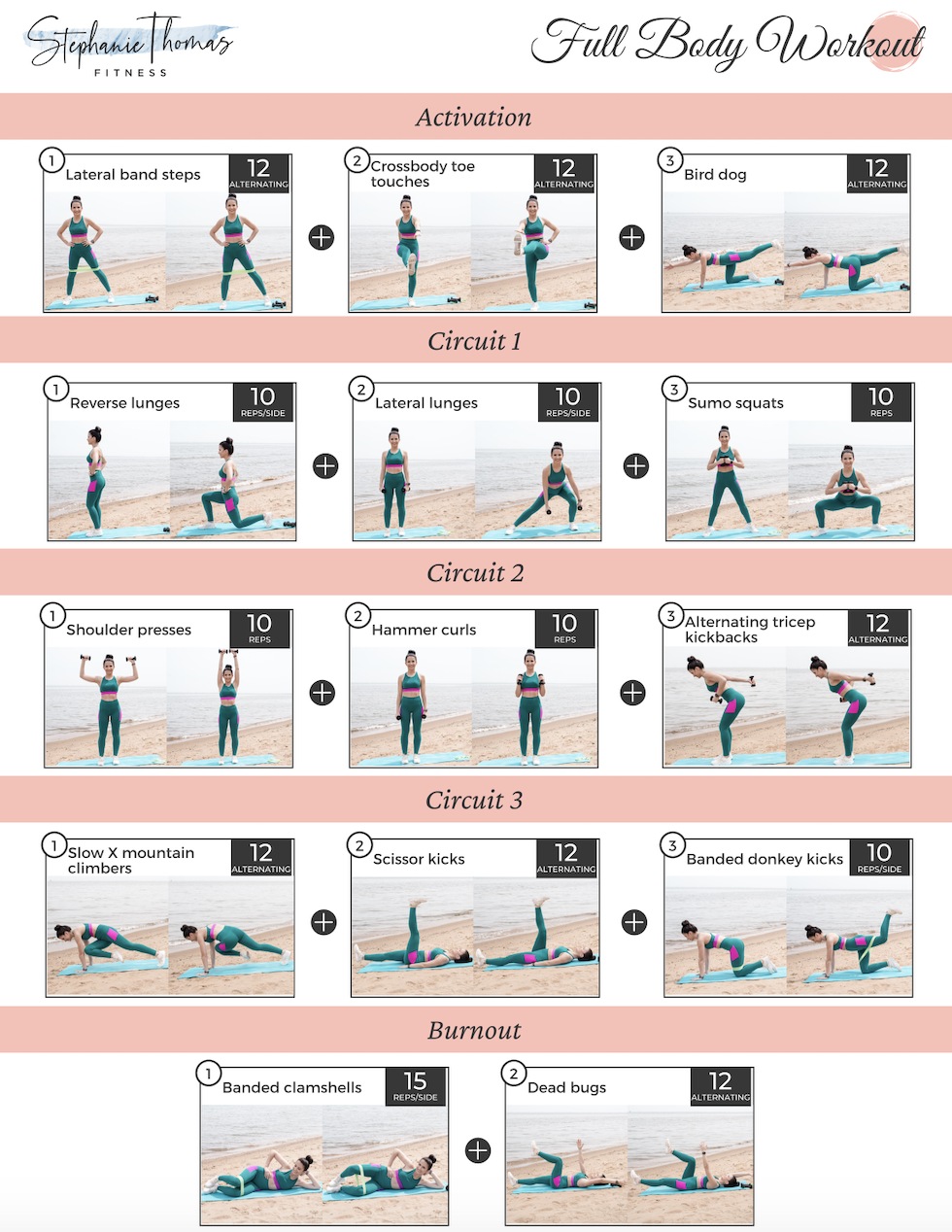
Credit: holidaygolf.com
Tracking And Adjusting
Tracking your workout progress is crucial for beginners exercising at home. It helps you understand your body’s response to exercise. You can make informed decisions based on your progress. Adjustments ensure continued improvement. Let’s explore how to evaluate your progress and adapt your routine.
Evaluating Progress
Regular assessments are key to understanding your workout effectiveness. Begin by tracking the number of reps and sets you complete. Note the weights or resistance levels used. Record how you feel before and after workouts. Keep a journal for tracking. This provides a clear picture of your progress over time.
Pay attention to changes in your energy levels. Notice improvements in your mood or sleep quality. These are indicators of your body adapting positively. Celebrate small victories. They motivate you to stick with your routine. Progress is not only physical; it’s mental too.
Adapting The Routine
Your workout routine should evolve as your strength increases. Adjusting exercises helps prevent plateaus. Increase repetitions or resistance gradually. Swap exercises to target different muscle groups. This keeps your routine fresh and challenging. Listen to your body. It tells you when it’s time to make changes.
Consider adding variety to your workouts. Incorporate stretching or yoga for flexibility. This balances your fitness approach. Don’t be afraid to experiment with new exercises. Adjust based on your progress evaluations. Your routine should reflect your goals and current fitness level. Consistency and adaptation lead to success.
Frequently Asked Questions
How Do Beginners Start Working Out At Home?
Beginners can start working out at home by setting clear goals and creating a simple routine. Use bodyweight exercises like push-ups, squats, and lunges. Follow online workout videos for guidance. Gradually increase intensity as you progress. Stay consistent and listen to your body to avoid injury.
What Is A Good Workout Schedule For A Beginner?
A good beginner workout schedule includes three days of strength training and two days of cardio. Rest on weekends. Focus on full-body exercises and gradually increase intensity. Always warm up before and cool down after workouts to prevent injuries. Consistency is key for progress.
What Is The 5 5 5 30 Exercise?
The 5 5 5 30 exercise involves five sets of five push-ups, five squats, and five lunges, repeated for 30 minutes. It’s a quick, efficient workout designed to boost strength and endurance, making it ideal for busy individuals seeking effective exercise routines.
What Is The 6 12 25 Rule?
The 6 12 25 rule is a budgeting strategy. Allocate 6% for emergencies, 12% for retirement savings, and 25% for housing costs. This ensures financial stability and helps manage expenses effectively.
Conclusion
Starting a workout routine at home is simple. You need little equipment. Focus on basic exercises. Push-ups and squats are great. They build strength. Consistency is key. Exercise regularly for best results. Listen to your body. Rest when needed. Stay motivated.
Set achievable goals. Celebrate small victories. Progress takes time. Enjoy the journey. Fitness improves health. It boosts energy. Home workouts save time. They fit busy schedules. Anyone can start today. No gym required. Keep moving. Stay active and healthy. Your well-being matters.
Make exercise a habit. Feel better every day.








