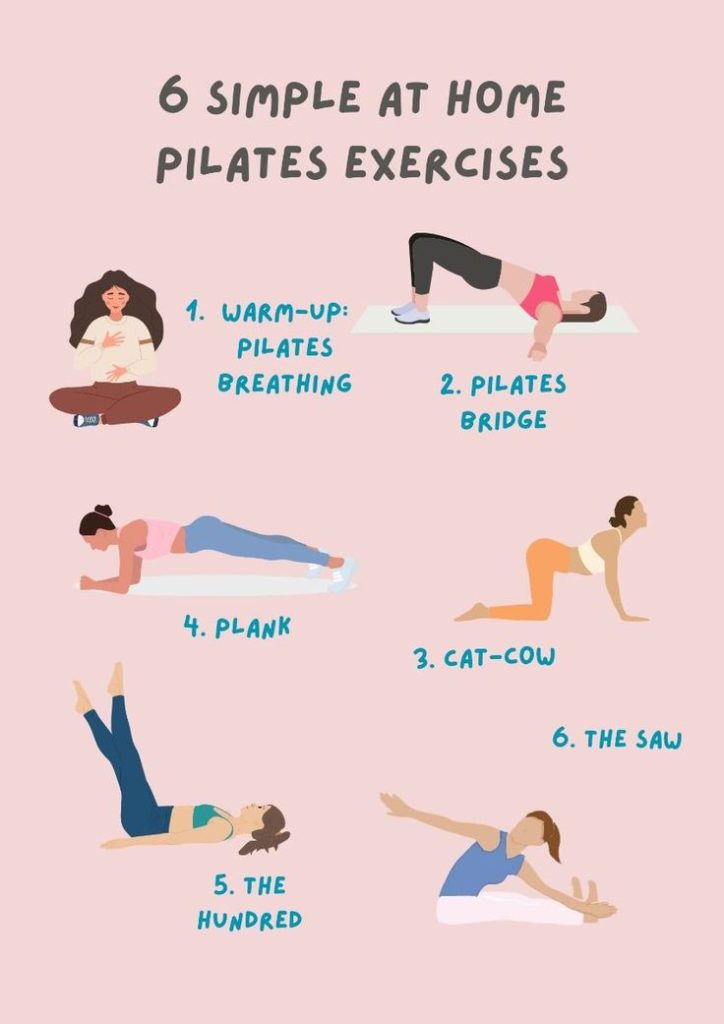
Are you ready to transform your fitness routine without stepping foot outside your home? Discover the world of Pilates, a workout method that strengthens your core, improves flexibility, and enhances your overall well-being.
Imagine feeling more energized, balanced, and confident—all from the comfort of your living room. This beginner Pilates workout is designed just for you, making it easy to start at your own pace and feel the benefits in no time. Curious about how a simple mat and a few minutes of your day can lead to such impressive changes?
Keep reading to unlock the secrets of Pilates and how it can become your new favorite way to stay fit.
Benefits Of Pilates
Pilates offers improved flexibility and core strength, ideal for beginners working out at home. Enjoy better posture and reduced stress through gentle exercises. Perfect for anyone seeking a balanced, low-impact routine.
Benefits of Pilates Practicing Pilates at home can transform your fitness journey, offering a range of benefits that extend beyond the physical. It’s not just about building muscles; it’s about enhancing your overall well-being. Let’s dive into how this low-impact workout can make a difference in your life.Improved Core Strength
Pilates is renowned for its focus on core strength. Regular practice can help you develop a strong and stable core, which is crucial for daily activities and overall fitness. Imagine effortlessly carrying groceries or playing with your kids without feeling that familiar backache. That’s the power of a strong core.Enhanced Flexibility
Are you tired of feeling stiff after sitting at your desk all day? Pilates can help increase your flexibility by stretching and lengthening muscles. You’ll notice a difference in your range of motion, making everyday tasks feel more comfortable and less taxing.Better Posture
Good posture can make you look taller and more confident. Pilates emphasizes alignment and balance, which naturally improves your posture over time. Start noticing how you hold yourself during meetings or even while walking, and watch how your confidence grows.Increased Mind-body Connection
Pilates isn’t just a physical workout; it’s a mental one too. It requires you to focus on breathing and movements, enhancing your mind-body connection. You’ll start becoming more aware of your body’s needs and limits, helping you make healthier choices in all aspects of life. Consider starting your Pilates journey today. What benefits are you most excited to experience?:max_bytes(150000):strip_icc()/8SimpleMatPilatesMovesforBeginners-a5e3e476539a488093eceb2972c90bd2.jpg)
Credit: www.realsimple.com
Essential Pilates Equipment
Pilates is a great workout for beginners. It builds strength, flexibility, and balance. Doing it at home is convenient. You’ll need some essential equipment to get started. These tools enhance your exercise routine. They support your body during movements. They add variety and challenge to your workout. Let’s explore the key equipment you’ll need.
Yoga Mat
A yoga mat is crucial for Pilates. It provides a soft surface for exercises. It cushions your joints and spine. This is important during floor exercises. A non-slip mat keeps you stable. It prevents slipping during dynamic movements. Choose one with good thickness and durability. It should also be easy to clean.
Resistance Bands
Resistance bands add intensity to workouts. They are versatile and portable. You can use them in many exercises. They help in building muscle strength. They are great for improving flexibility too. Different bands offer various resistance levels. Pick bands that match your fitness level. They are perfect for both beginners and advanced users.
Pilates Ball
A Pilates ball adds fun and challenge. It engages your core and improves balance. It supports proper alignment during exercises. You can use it for many Pilates moves. It’s helpful for stretching and strengthening. Choose a size that suits your needs. Ensure it’s durable and easy to inflate.
Foam Roller
Foam rollers are excellent for recovery. They massage and relax muscles. This reduces soreness after workouts. They improve circulation and flexibility. Use them for self-myofascial release. They are useful for stretching and balance exercises. Pick a roller with medium density. This provides effective pressure without discomfort.
Setting Up Your Home Workout Space
Create a cozy corner for your beginner Pilates workout at home. A yoga mat, small weights, and resistance bands are essentials. Ensure good lighting and clear space for stretching and movement.
Setting up your home workout space is essential for beginner Pilates. This dedicated area will help you stay focused and motivated. You don’t need a fancy setup. A simple, clean space can make a difference. Let’s explore how you can create the perfect environment for your Pilates routine.Choosing The Right Area
Select a spot with enough room to stretch and move freely. A living room corner or a bedroom space can work well. Ensure there is no clutter. Clear spaces help you concentrate better. Natural light is a bonus. It brings energy and warmth to your practice.Ensuring Safety
Safety is crucial for home workouts. Check your floor surface. It should be even and non-slippery. Remove any sharp objects nearby. Use a Pilates mat for comfort and support. It protects you from hard surfaces. Make sure the area is well-lit. Good lighting prevents accidents and enhances visibility.Creating A Calming Environment
A calm setting enhances your Pilates experience. Choose soothing colors for your surroundings. Soft blues and greens can be relaxing. Consider playing gentle music. It can help you unwind and focus. Keep the area quiet. Turn off devices that might distract you. A peaceful space fosters better concentration. By setting up a dedicated area for Pilates, you create a space for growth and wellness.Warm-up Routine
Starting a Pilates routine at home is exciting. The warm-up is crucial. It prepares your body for the workout. This routine also helps prevent injury. A good warm-up enhances flexibility and focus.
Gentle Stretches
Begin with gentle stretches. Stretch arms overhead. Reach for the sky. Feel the stretch in your spine. Move slowly and breathe deeply. Hold each stretch for a few seconds. This eases muscle tension.
Breathing Techniques
Breathing is essential in Pilates. Focus on deep, controlled breaths. Inhale through the nose. Exhale through the mouth. This calms the mind. It also increases oxygen flow to muscles. Proper breathing improves concentration.
Mobilizing Joints
Mobilize your joints for better movement. Rotate shoulders in circles. Move slowly and gently. Swing your arms side to side. This warms up the joints. It also enhances flexibility. Mobilizing joints reduces stiffness.
Beginner Pilates Exercises
Starting your journey with Pilates at home can be both exciting and rewarding. It’s an opportunity to enhance your physical strength and flexibility, all within the comfort of your space. As a beginner, focusing on fundamental Pilates exercises can lay a solid foundation for your fitness routine. You’ll be surprised how these simple yet effective movements can transform your body and mind. Let’s dive into some key beginner Pilates exercises that you can easily practice at home.
The Hundred
The Hundred is a classic Pilates exercise that warms up your body and gets your blood flowing. Lying on your back, lift your legs to a tabletop position and raise your head and shoulders off the mat. Pump your arms up and down while taking steady breaths. Aim for 100 pumps. Sounds challenging? It might feel like a test of endurance, but remember, it’s about controlled breathing and engaging your core. Feel the burn as your muscles activate with each pump.
Roll-up
The Roll-Up is all about improving flexibility and core strength. Start by lying flat with your arms extended above your head. Slowly roll your body up into a seated position, reaching towards your toes. Can you reach them? Don’t worry if you can’t; it’s the gradual progress that counts. This exercise stretches your spine and strengthens your abs. It’s like peeling yourself off the floor, one vertebra at a time.
Leg Circles
Leg Circles help with hip mobility and strengthen your core. Lie on your back with one leg extended towards the ceiling. Circle your leg in small controlled motions, then reverse the direction. It’s not just about swinging your leg around; focus on stability and control. This exercise can be surprisingly soothing, almost like drawing invisible circles in the air with your toes. Try to keep your movements fluid and consistent.
Plank Variations
Planks are fantastic for building overall strength. Begin with a traditional plank position, balancing on your forearms and toes. Once comfortable, explore variations like the side plank or adding leg lifts. Each variation targets different muscles, offering a comprehensive workout. Planks might seem intimidating at first, but they are a powerhouse of potential. How long can you hold your plank? Challenge yourself and push your limits.
These exercises are a great starting point for beginners. They require minimal equipment and offer maximum impact. As you practice, listen to your body and adjust as necessary. Pilates is about precision and control, so take it one step at a time. What changes will you notice after a week of consistent practice? Your body may surprise you with its resilience and adaptability.
Cool Down And Stretch
Cool down and stretch form an essential part of any Pilates workout. After engaging your muscles, it’s crucial to relax and unwind. This phase helps prevent muscle soreness and promotes flexibility. Stretching calms your body and mind, making it the perfect way to end your session.
Relaxation Techniques
Begin with simple relaxation techniques to ease tension. Sit or lie down comfortably. Close your eyes and focus on releasing stress from each muscle group. Start from your head and move down to your toes. Feel the tension melt away.
Deep Stretching
Deep stretching enhances flexibility and aids recovery. Perform gentle stretches like the seated forward bend or the spinal twist. Hold each stretch for 20-30 seconds. Breathe deeply as you stretch, allowing your muscles to lengthen.
Mindful Breathing
Mindful breathing helps center your thoughts. Inhale deeply through your nose. Exhale slowly through your mouth. Focus on the rhythm of your breath. This practice calms your mind and restores balance. It also boosts your mood and helps reduce stress.
Tips For Consistency
Beginner Pilates workouts at home benefit from consistency. Set a fixed schedule and stick to it. Focus on proper form and gradual progress for lasting results.
When starting a beginner Pilates workout at home, consistency is key. Regular practice helps build strength and flexibility. It creates a routine that becomes part of your daily life. Here are some tips to keep you consistent on your Pilates journey.Setting A Schedule
A well-defined schedule makes it easier to stick to your routine. Choose a time that fits your daily life. Morning sessions can boost your energy for the day. Evening workouts help you unwind before bed. Write down your schedule and place it where you can see it daily. Consistency becomes easier when it’s part of your routine.Tracking Progress
Keep track of your progress to stay motivated. Use a journal or a simple app. Note down the exercises you do each session. Record how you feel before and after each workout. Seeing your progress can encourage you to keep going. It also helps you set realistic goals for improvement.Staying Motivated
Find what motivates you to stay on track. It could be a favorite playlist or a Pilates video. Consider joining an online community for support. Celebrate small victories to keep your spirits high. Remember, progress takes time, but staying motivated will lead you there.Common Mistakes To Avoid
Starting too fast can lead to injuries in Pilates. Ensure proper form to avoid strain. Consistency helps build strength and flexibility gradually.
Common Mistakes to Avoid Embarking on a Pilates journey at home is exciting but can be daunting without guidance. As you roll out your mat, it’s crucial to be mindful of common pitfalls that can hinder your progress. By sidestepping these mistakes, you can maximize your workout and enjoy the full benefits of Pilates.Overexertion
Pushing yourself beyond your limits might seem productive, but it can lead to burnout or injury. Beginners often feel the need to match the intensity of seasoned practitioners. Remember, Pilates is a journey, not a race. Listening to your body is key. If you find yourself struggling to breathe or feeling pain, pause and reassess. It’s better to do fewer reps with correct form than to risk injury from overdoing it. Progress will come with patience.Ignoring Form
Proper form is the foundation of effective Pilates. Yet, many newcomers overlook it, focusing instead on completing exercises quickly. Poor form can diminish the benefits and increase the risk of injury. Imagine trying to build a house with crooked walls; it simply won’t stand. Similarly, when your form is off, you’re not building the strength and flexibility Pilates promises. Take time to learn each position. Mirrors can be a great aid, allowing you to self-correct as you move.Skipping Warm-ups
Warm-ups might feel like an unnecessary hassle, especially when you’re eager to dive into the workout. However, jumping straight into exercises without warming up can be counterproductive. It’s like trying to drive a car without warming up the engine first. Warming up prepares your muscles for the workout ahead, reducing the risk of strains. Simple stretches or breathing exercises can make a huge difference. How often have you felt stiffness during an exercise? A solid warm-up could be the missing link. Avoiding these common mistakes could be the key to unlocking a smoother and more fulfilling Pilates experience. What adjustments will you make in your next session?Resources For Further Learning
Explore online videos and apps to enhance your Pilates journey at home. Books and guides offer detailed instructions and tips. Joining virtual classes can provide live feedback and motivation.
Embarking on a beginner Pilates workout at home can be an exhilarating journey towards enhancing your strength and flexibility. Yet, like any new adventure, having a map can guide your path. Resources for further learning can be your map, providing you with the tools and knowledge to deepen your practice and maintain motivation. Whether you’re seeking guidance on technique, looking for community support, or diving into the wealth of knowledge found in Pilates literature, there are numerous resources available to support your journey.Online Classes
The digital age has made accessing Pilates instruction easier than ever. Online classes offer flexibility, allowing you to practice at your own pace and on your schedule. Many platforms provide classes specifically designed for beginners, ensuring you learn the basics effectively. I remember starting with a 15-minute class on YouTube, which quickly became my daily routine. Such classes can be a great way to stay consistent without feeling overwhelmed. Have you considered setting a specific time each day to dedicate to your Pilates practice?Pilates Books
Books are an invaluable resource for deepening your understanding of Pilates. They can provide detailed instructions, illustrations, and insights into the philosophy behind the practice. Reading can offer you a new perspective and deepen your connection to Pilates. One book that greatly influenced my journey is “Pilates’ Return to Life Through Contrology” by Joseph Pilates. It offers a comprehensive look at the exercises and the mind-body connection. Have you explored how reading can complement your physical practice?Community Support
Joining a community can be incredibly encouraging. Whether online or in-person, being part of a group can provide motivation and accountability. Sharing experiences and tips with others can make your Pilates journey more enjoyable and less solitary. I once joined a Facebook group for Pilates beginners. The sense of camaraderie and support was invaluable, especially on days when motivation waned. Have you thought about reaching out to a community to enrich your Pilates experience? By utilizing these resources, you can enhance your Pilates practice at home, making it more enjoyable and effective. Each resource offers something unique, so consider which one resonates most with you and dive in. What step will you take today to deepen your Pilates journey?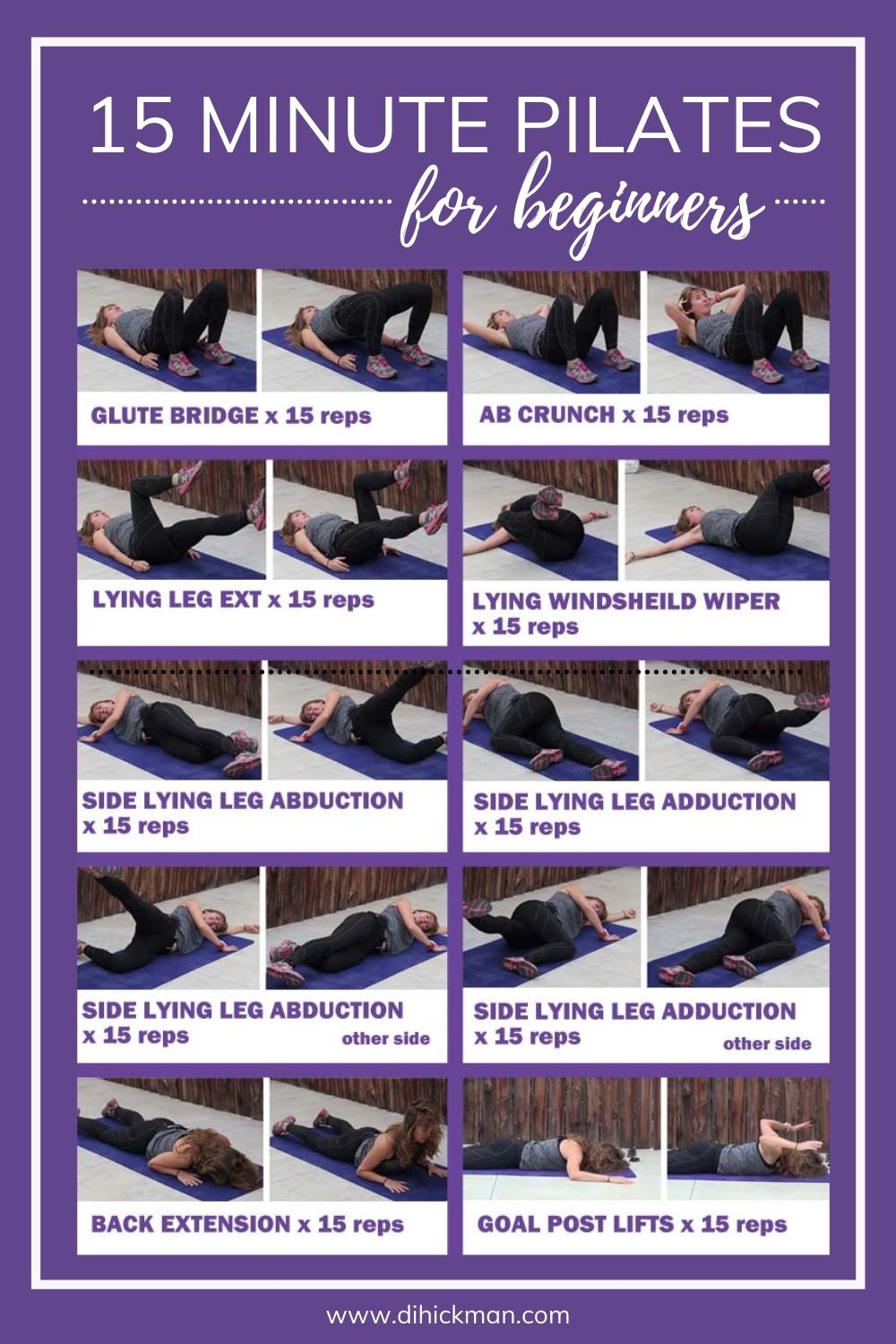
Credit: dihickman.com
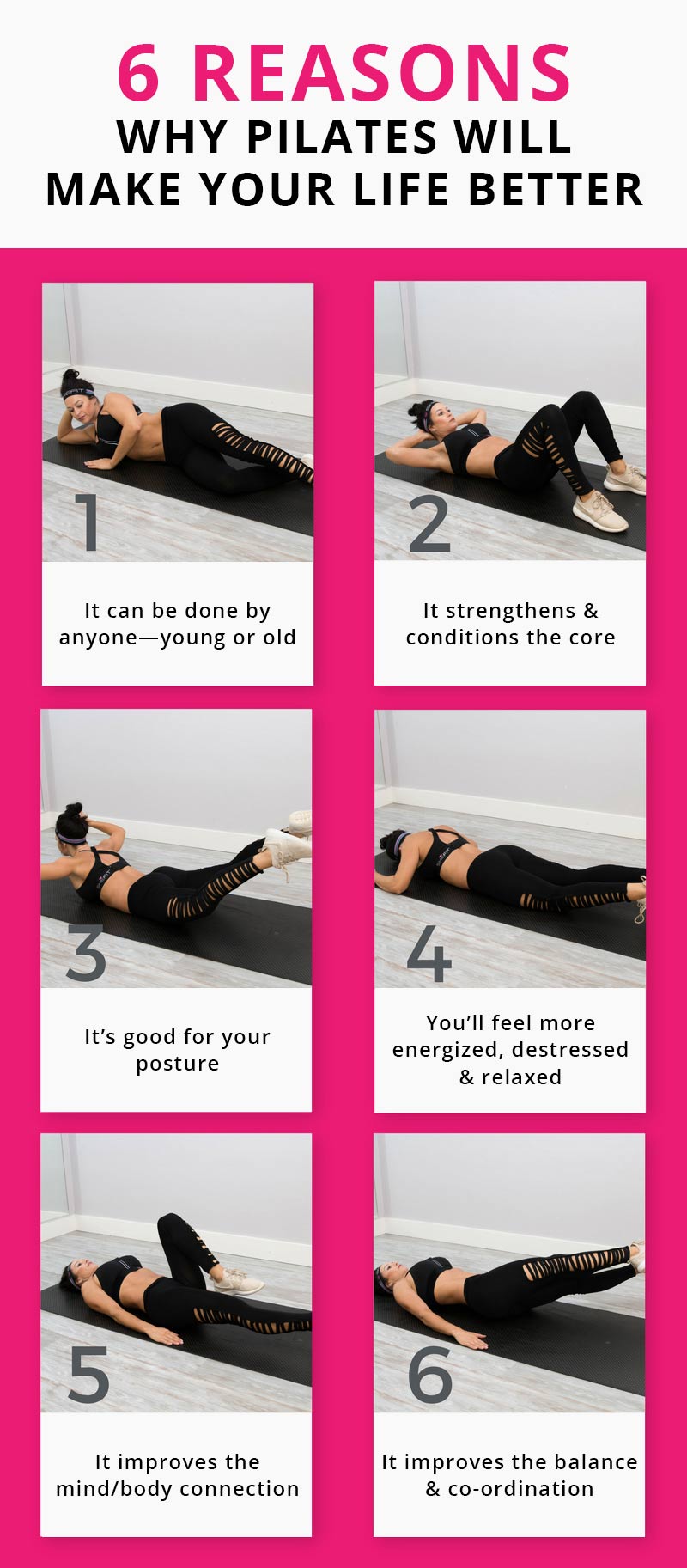
Credit: shefit.com
Frequently Asked Questions
How Long Should A Pilates Workout Be For Beginners?
A Pilates workout for beginners should last 20 to 30 minutes. This duration ensures a balanced routine while building strength and flexibility. Regular sessions help improve posture and core stability. Gradually increase time as you become more comfortable with exercises.
Consistency is key for noticeable benefits.
What Is The 3 2 1 Pilates Rule?
The 3 2 1 Pilates rule involves three essential principles: concentration, control, and centering. Practice twice a week for one month. This method helps improve core strength, flexibility, and overall body awareness.
Is 20 Minutes Of Pilates A Day Enough Exercise?
Practicing 20 minutes of Pilates daily can improve flexibility, core strength, and mental focus. While beneficial, it’s essential to combine with other exercises for comprehensive fitness. Adjust intensity and duration based on fitness goals and personal needs to maximize benefits.
What Are The 3 C’s Of Pilates?
The 3 C’s of Pilates are Concentration, Control, and Centering. Concentration focuses on mind-body connection. Control ensures precise movements. Centering emphasizes engaging the core. These principles enhance Pilates practice, boosting fitness and mental well-being.
Conclusion
Pilates at home offers great benefits. It’s convenient and effective for beginners. The exercises improve strength and flexibility. They also enhance posture and balance. You don’t need fancy equipment, just a mat. Consistency is key to seeing progress. Enjoy the journey and listen to your body.
With regular practice, you’ll feel stronger and more relaxed. This workout fits easily into busy schedules. Start today and experience the positive changes. Remember, small steps lead to big results over time. Stay patient and committed. Your health and well-being will thank you.








