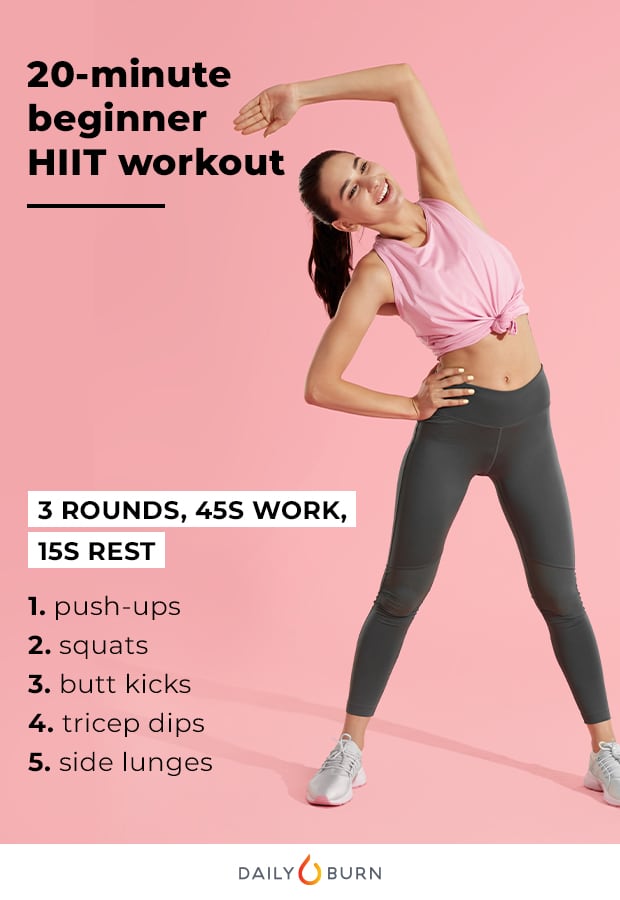
Are you looking to boost your fitness without leaving the comfort of your home? Beginner HIIT workouts might be just what you need.
High-Intensity Interval Training, or HIIT, is a game-changer in the fitness world, and it’s perfect for those who want quick, effective results. Imagine burning calories, improving your strength, and enhancing your endurance all in a short session. Sounds great, right?
Whether you’re pressed for time or simply want to shake up your routine, HIIT offers a flexible and exciting way to get fit. So, why not dive in and discover how these workouts can transform your health and energy levels? Keep reading to learn how you can start your own HIIT journey today, right in your living room.

Credit: greensafaris.com
Benefits Of Hiit
High-Intensity Interval Training (HIIT) has gained popularity for its efficiency. This workout style offers significant health benefits, making it a favorite. Whether aiming for better fitness or a healthier heart, HIIT can help.
Cardiovascular Health
HIIT workouts improve heart health by increasing your heart rate quickly. This process strengthens the heart and enhances blood circulation. With regular HIIT sessions, you may notice improved stamina. A stronger heart leads to less fatigue in daily activities.
Time Efficiency
One major benefit of HIIT is its time efficiency. You don’t need long hours to see results. Most HIIT workouts last between 15 to 30 minutes. This makes it ideal for busy schedules. Short, intense bursts of activity deliver effective results.
Boosting Metabolism
HIIT workouts boost your metabolism even after the session ends. This phenomenon is known as the “afterburn effect.” Your body continues to burn calories post-exercise. This helps in weight management and improves energy levels. Engaging in HIIT regularly can lead to better metabolic health.
Essential Equipment
Starting HIIT workouts at home can be rewarding and efficient. The right equipment can enhance your workout experience. For beginners, simplicity and accessibility are key. You don’t need a fully equipped gym to get started. Some essential tools can help you maximize results.
Bodyweight Exercises
Bodyweight exercises are fantastic for HIIT workouts. They require no equipment and are effective. You can perform squats, lunges, and push-ups. These exercises use your body weight for resistance. They help improve strength and endurance. Jumping jacks and burpees add cardio intensity. Perfect for getting your heart rate up. These exercises can be done anywhere, anytime. They are ideal for small spaces and limited budgets.
Optional Tools
Optional tools can enhance your HIIT routine. A yoga mat provides comfort for floor exercises. Resistance bands add variety and challenge. They are lightweight and easy to store. Dumbbells can increase strength training options. Adjustable weights are versatile for different exercises. A skipping rope offers a fun cardio boost. It helps improve coordination and agility. A timer or stopwatch keeps track of intervals. This ensures you maintain the right intensity. These tools can complement bodyweight exercises effectively.
Warm-up Routine
Starting any workout with a proper warm-up routine is crucial. It sets the tone for your session and prepares your body for the challenges ahead. A well-structured warm-up can enhance your performance and reduce the risk of injury. Let’s dive into two essential components of a warm-up: dynamic stretching and joint mobilization.
Dynamic Stretching
Dynamic stretching involves moving parts of your body through a full range of motion. It actively prepares your muscles for the workout to come. Think of it as waking up your body. You might have heard about static stretches where you hold a position, but dynamic stretching is different. It’s about movement.
Consider adding leg swings to your routine. Stand tall, hold onto something sturdy, and swing one leg forward and backward. This engages your hip flexors and hamstrings. You’ll feel more agile and ready for action.
Another great move is arm circles. Extend your arms to the sides and make small circles, gradually increasing the size. This warms up your shoulders and gets the blood flowing. It’s simple but effective.
Joint Mobilization
Joint mobilization focuses on getting your joints ready to move freely. Think of it as oiling the gears of your body. It’s especially important if you spend a lot of time sitting. Your joints can get stiff, and mobilization is the antidote.
Start with ankle circles. Sit or stand and rotate your foot in circles, clockwise and then counterclockwise. This move can help prevent sprains and improve balance.
Don’t forget your wrists. Clasp your hands together and rotate them in a figure-eight motion. Your wrists are crucial for balance and coordination, especially in exercises like push-ups.
Have you ever noticed how energized you feel when you take a moment to stretch and mobilize your joints? It’s like a burst of energy. How often do you give yourself that gift?
Warm-ups are not just a prelude to the main event. They’re an integral part of your workout journey. So, next time you gear up for a HIIT session at home, remember to dedicate a few minutes to your warm-up routine. Your body will thank you.

Credit: greensafaris.com
Beginner Hiit Exercises
High-Intensity Interval Training (HIIT) is a dynamic workout. It combines short bursts of intense exercise with rest periods. HIIT exercises are popular for beginners at home. They require minimal equipment and deliver effective results. With a focus on full-body movements, HIIT improves strength and endurance.
Jumping Jacks
Jumping jacks boost your heart rate fast. Stand tall with feet together and arms by your sides. Jump while spreading your legs and raising your arms overhead. Return to the start position and repeat. This exercise strengthens your cardiovascular system.
High Knees
High knees elevate your stamina. Stand straight and lift one knee toward your chest. Alternate quickly between knees. Swing your arms to maintain balance. This exercise targets your core and legs.
Squat Jumps
Squat jumps build lower body power. Begin in a squat position with feet shoulder-width apart. Jump explosively into the air. Land softly back into the squat position. Repeat to engage your thighs and glutes.
Structuring A Hiit Session
Kickstart your fitness journey with beginner HIIT workouts at home. Start with warm-ups to prepare your body. Follow with short bursts of intense exercises like jumping jacks or squats. Include rest periods for recovery. Finish with cool-down stretches to relax muscles.
Structuring a HIIT Session Creating a HIIT workout at home might seem daunting at first, but it’s all about getting the basics right. You don’t need fancy equipment; just a clear plan to keep you motivated and on track. One of the secrets to a successful HIIT session is understanding how to structure it effectively.Interval Timing
Interval timing is the backbone of any HIIT workout. It’s about alternating between bursts of intense activity and short recovery periods. Think of it as sprinting hard for a short distance, then catching your breath before going again. A typical interval might be 30 seconds of maximum effort followed by 15 seconds of rest. Experiment with different times until you find what challenges you without overwhelming your limits. Have you noticed how pushing your limits feels exhilarating? That rush is what keeps you coming back for more.Rest Periods
Rest periods are just as crucial as the intense intervals. They allow your body to recover and prepare for the next burst of energy. But here’s the catch: rest doesn’t mean stopping completely. It’s about keeping the body moving at a slower pace. Consider light jogging or walking in place during rest periods. This keeps your heart rate up while giving your muscles a chance to recover. Imagine your rest periods as strategic pauses in a thrilling game. How you use them can determine your overall performance. Building your HIIT session with proper interval timing and rest periods sets the stage for success. You control the intensity and the breaks, customizing your workout to fit your needs. Doesn’t it feel empowering to tailor your fitness journey?
Credit: www.pinterest.com
Cool-down Practices
After intense HIIT workouts, cool-down practices are essential. They help relax muscles and prevent stiffness. Stretching and deep breathing improve circulation, aiding recovery and reducing soreness.
After finishing a high-intensity interval training (HIIT) workout, your body needs time to recover and relax. Cool-down practices are essential to prevent muscle stiffness and enhance flexibility. By properly cooling down, you allow your heart rate to gradually return to normal, reducing the risk of dizziness or fainting. Let’s dive into some effective cool-down practices you can easily do at home.Stretching Techniques
Stretching helps your muscles relax and elongate after a rigorous workout. Focus on major muscle groups that worked hard during your HIIT session, like your legs, arms, and back. Consider static stretches, where you hold a position for 15-30 seconds. A good stretch is the quad stretch. Stand on one leg, grab your opposite ankle, and gently pull it towards your buttocks. Feel the stretch but avoid any pain. What stretches make you feel most relaxed?Breathing Exercises
Breathing exercises are a fantastic way to reduce stress and calm your mind post-workout. Try deep breathing techniques to help your body transition from high-energy to relaxation mode. Start with a simple method: inhale deeply through your nose, hold for a moment, and then exhale slowly through your mouth. Repeat this process for a few minutes. Notice how your body feels with each breath. Does your mind feel clearer? Incorporating these practices into your routine can make a difference in how you feel after your workouts. Take time to cool down and listen to your body. What cool-down practices will you try next?Tracking Progress
Tracking progress is key to staying motivated with beginner HIIT workouts at home. It helps you see improvements, stay accountable, and adjust your routine effectively. Knowing how far you’ve come can boost your confidence. It also helps you set realistic goals for the future. Here are two simple ways to track your fitness journey.
Fitness Apps
Fitness apps make tracking your HIIT workouts easy. They offer features like exercise timers and progress charts. You can set reminders for your workout sessions. Some apps even let you log your food intake. This feature helps you monitor your overall health. Many apps provide video demonstrations of exercises. This ensures you perform each move correctly. With just your phone, you can track your journey effortlessly. Choose an app that suits your needs and start logging your workouts today.
Personal Journals
Personal journals are a great way to track progress. Writing down your workout details helps you reflect on your journey. You can note the exercises you performed. Record how you felt during and after each session. This helps you understand what works best for you. Journals allow you to set personal goals. Celebrate small victories as you achieve them. Over time, you’ll see patterns and improvements. A simple notebook can be your best fitness companion. Start by jotting down your thoughts after each workout. You’ll soon notice the benefits.
Safety Tips
High-Intensity Interval Training (HIIT) is popular for its effective workouts. But safety should never be overlooked. Especially for beginners at home. Understanding safety tips can prevent injuries and boost confidence.
Listening To Your Body
Pay attention to how your body feels during workouts. Stop immediately if you feel pain. Rest if you’re too tired. It’s okay to take breaks. Your body needs time to adjust. Listen to signals from muscles and joints. They tell you when something’s wrong.
Proper Form
Maintaining proper form is crucial in HIIT exercises. Incorrect form can lead to injuries. Watch online tutorials for correct techniques. Start slow to master each move. Focus on balance and posture. Keep your core engaged. Proper form enhances effectiveness and safety. Practice regularly to improve.
Frequently Asked Questions
What Is The Best Hiit Exercise For Beginners?
Squats are a great HIIT exercise for beginners. They boost strength and cardiovascular health. Start with bodyweight squats, maintain form, and gradually increase intensity. Incorporate them into a 20-second high-intensity interval followed by 10 seconds of rest. Consistent practice improves endurance and results.
Always warm-up before starting any exercise routine.
How Long Should A Beginner Do A Hiit Workout?
Beginners should start with a 10-15 minute HIIT workout. Gradually increase the duration as fitness improves. Ensure proper warm-up and cool-down to prevent injuries. Listen to your body and adjust intensity accordingly for optimal results.
Is A 20 Minute Hiit Workout A Day Enough?
A 20-minute HIIT workout daily can be effective for improving cardiovascular health and burning calories. It’s important to ensure proper intensity and form. Combining HIIT with a balanced diet and other exercises can enhance overall fitness. Always consult a fitness professional for personalized advice.
Is A 10 Minute Hiit Workout A Day Enough?
A 10-minute HIIT workout can be effective for improving cardiovascular fitness and burning calories. Consistency is key for results. Pair with a balanced diet and other exercises for overall health. Consult a fitness professional for personalized advice.
Conclusion
Starting with HIIT workouts at home is easy and fun. You don’t need fancy equipment or lots of space. Just a few minutes each day can boost your energy. Feel stronger. Improve your fitness. Remember to listen to your body.
Rest when needed. Stay hydrated. Soon, you’ll notice changes. Your endurance will grow. You’ll feel more active. Stick to your routine. Celebrate each small victory. Enjoy your progress. Keep moving forward. Home workouts can fit into your schedule. Make exercise a habit.
Your health will thank you.








