Are you looking to up your basketball game without leaving the comfort of your home? Whether you’re aiming to sink more three-pointers or improve your defensive skills, basketball workouts at home can be your secret weapon.
Imagine mastering your dribbling and shooting techniques in your living room or garage. You don’t need a fancy gym or expensive equipment—just a bit of space, determination, and the right exercises. This guide is designed to help you transform your home into your personal training ground.
Dive into your workout routine and watch as your skills soar to new heights. Ready to unlock your potential and become a better player right where you are? Let’s get started!

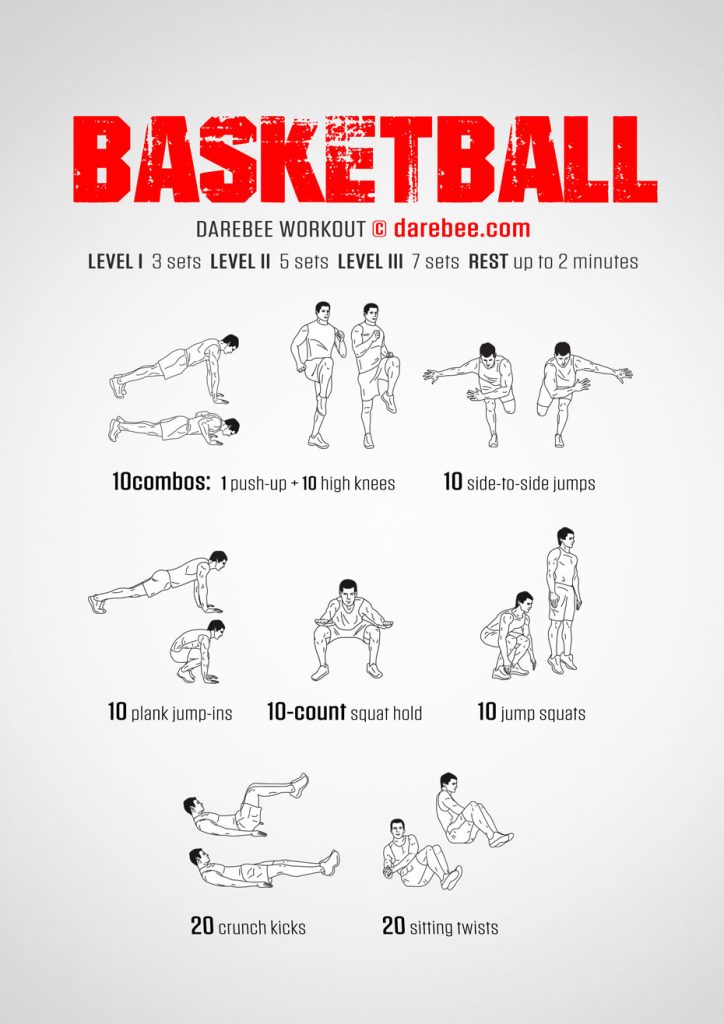
Credit: www.pinterest.com
Benefits Of Home Basketball Workouts
Transform your living space into a basketball training zone. Home workouts enhance skills and boost fitness conveniently. Enjoy flexibility and save time by practicing at home, tailoring exercises to fit personal goals and schedules.
Basketball workouts at home offer a fantastic way to stay fit, improve your skills, and maintain flexibility in your training schedule. Whether you’re a seasoned player or just starting out, working out at home can provide numerous benefits. You can design a workout that fits your space and time, and focus on areas where you need improvement. Let’s dive into some of the key benefits of home basketball workouts.1. Convenience And Flexibility
You can work out anytime that suits your schedule. There’s no need to commute to a gym or a court. This flexibility allows you to fit basketball workouts into your daily routine effortlessly. Imagine doing a quick dribbling session right before dinner or shooting hoops during a lunch break.2. Cost-effective
No gym memberships or expensive equipment are needed. You can use a basic basketball and your driveway or a small space in your yard. This makes home workouts affordable for everyone. Plus, you save on travel costs.3. Personalized Training
Tailor your workouts to focus on your weaknesses. Whether it’s improving your free throws or enhancing your dribbling skills, you have the freedom to customize your routine. This targeted approach can lead to faster improvements.4. Consistent Practice
Consistency is crucial in mastering basketball skills. With home workouts, you can practice regularly without the constraints of gym hours or court availability. Regular practice helps build muscle memory and boosts confidence.5. Comfortable Environment
You’re in a familiar setting, which can reduce pressure and anxiety. This comfort allows you to experiment with new techniques and drills without fear of judgment. It also makes it easier to focus on self-improvement.6. Family Bonding
Invite family members to join your workouts. It’s a great way to bond and have fun together. You can even turn it into a friendly competition or play games that involve everyone. This makes exercising enjoyable and strengthens family ties.7. Develop Self-discipline
Working out at home requires motivation and self-discipline. You learn to push yourself without external pressure. Over time, this self-discipline can translate to other areas of your life, fostering personal growth. How will you incorporate home basketball workouts into your routine? Consider the benefits and start planning today. Your basketball skills and overall fitness will thank you.Essential Equipment
Working out at home might seem limiting, but with the right equipment, you can transform your space into a personal basketball training zone. You don’t need a full court to improve your skills. With some creativity and essential gear, you can sharpen your dribbling, shooting, and overall game. Are you ready to elevate your basketball workouts at home?
Basketball Hoop Alternatives
If setting up a full-size basketball hoop isn’t feasible, don’t fret. There are plenty of alternatives to keep your shooting skills sharp. Consider investing in a portable hoop that can be adjusted for height. These are perfect for practicing layups and jump shots.
You can also use over-the-door mini hoops. They’re ideal for practicing your aim and accuracy in a small space. For a budget-friendly option, use a bucket or a laundry basket as a target. It’s surprising how these simple tools can challenge your shooting precision.
Training Gear
To enhance your workouts, a few key pieces of training gear can make a big difference. A quality basketball is essential. Choose one with good grip and bounce to mimic court conditions. You’ll find your dribbling and ball handling improve with practice.
Resistance bands are another versatile tool. They help build strength and agility, critical for quick movements on the court. They’re compact and easy to store, making them perfect for home workouts.
Finally, don’t underestimate the power of a jump rope. It’s fantastic for building stamina and improving footwork. Plus, it’s an easy way to add cardio to your routine. What other creative solutions can you think of to maximize your home basketball workouts?
Dribbling Drills
Dribbling drills enhance basketball skills at home, fostering agility and control. Practice consistently to improve hand-eye coordination and ball handling. These exercises help players maintain fitness and refine techniques without needing a court.
Dribbling drills are a vital part of basketball workouts at home. They sharpen your skills and boost your confidence on the court. Practicing dribbling at home can transform your game. It’s all about focus and persistence. Are you ready to enhance your ball handling? Here’s how you can start right in your living room.Ball Handling
Ball handling is the foundation of good dribbling. Start with simple ball taps. Use your fingertips and gently bounce the ball from hand to hand. Feel the texture and weight of the ball. This builds muscle memory. Next, move on to quick dribbles. Alternate between your left and right hands. Increase your speed gradually. Challenge yourself. Can you dribble while watching TV or listening to music? These distractions can improve your focus.Crossovers
Crossovers are crucial for dodging defenders. Begin with slow movements. Transfer the ball from one hand to the other in front of you. Keep your knees bent and stay low. Focus on fluidity and speed. Crossovers should be smooth, not jerky. As you get comfortable, add a few steps. How quickly can you switch directions? Push your limits. Try crossovers with a timer. Aim to increase your speed with each session.Figure Eights
Figure eights enhance coordination and control. Stand with your feet shoulder-width apart. Dribble the ball in a figure-eight pattern through your legs. Keep the motion continuous. Your hands should glide effortlessly as the ball moves. Adjust your pace as you become more skilled. Try faster or slower movements. How precise can your figure eights become? This drill can be tricky, but persistence pays off. Remember, each repetition is a step toward mastery. Dribbling drills at home can redefine your approach to basketball. Why wait for gym time when you can practice anytime?Shooting Practice
Practicing basketball shooting at home improves skills and boosts confidence. Use a small space or driveway. Focus on form, consistency, and follow-through.
Basketball workouts at home can be incredibly effective, especially when focusing on shooting practice. Whether you’re aiming to improve your shooting form, spot shooting, or free throws, practicing at home can be a game-changer for your basketball skills. You don’t need a fancy gym or a coach hovering over you to make progress. Just a ball, a hoop, and some dedication. As you dive into these shooting drills, think about how each session can bring you closer to sinking those baskets consistently. Let’s explore how you can refine your shooting technique right from your driveway or backyard.Form Shooting
Proper form is the foundation of great shooting. Start by standing close to the hoop, focusing on getting your form right before worrying about distance. Pay attention to your hand placement, elbow alignment, and follow-through. Practice with one hand to ensure your shooting arm is doing most of the work. You might find it awkward initially, but over time, your shots will become more accurate. Ask yourself: Is your elbow tucked in? Is your wrist snapping correctly?Spot Shooting
Spot shooting enhances your ability to score from specific areas on the court. Choose various spots around your hoop and aim to make a set number of baskets from each. Rotate through these spots to simulate real-game scenarios. This drill helps you develop muscle memory for shooting from different angles. Consider setting up markers to represent these spots. How consistent are you from your favorite spots?Free Throws
Free throws can make or break a game, and practicing them at home is essential. Stand at a fixed distance from the hoop, replicating the free-throw line. Focus on your routine before taking the shot. Develop a consistent rhythm that calms your nerves during a real game. Track your progress by counting how many free throws you make in a row. Can you beat your personal best each week? Remember, every successful free throw starts with confidence. Are you confident in your routine?Passing Techniques
Passing techniques are crucial for basketball players. They help in moving the ball quickly and accurately. Practicing at home improves these skills. You don’t need a court to refine your passing techniques. You can use simple exercises to boost your performance. Let’s explore some basic passes you can practice at home.
Bounce Pass
The bounce pass is essential in basketball. It involves throwing the ball to a teammate using the floor. Begin by standing a few feet apart from your target. Hold the ball firmly with both hands. Step forward and push the ball towards the ground. Aim for the ball to bounce once before reaching your partner. This pass is useful in crowded areas. Practice it regularly for better accuracy.
Chest Pass
The chest pass is direct and fast. Stand facing your partner with feet shoulder-width apart. Hold the ball close to your chest. Push the ball forward with both hands. Extend your arms fully as you release the ball. The ball should travel in a straight line. This pass is great for quick exchanges. Regular practice improves your speed and precision.
Overhead Pass
The overhead pass adds variety to your play. Stand with feet slightly apart. Lift the ball above your head. Step forward and throw the ball with force. Aim for your partner’s hands. This pass covers longer distances. It’s useful for breaking defenses. Practice helps in controlling the ball’s direction and speed.
Defensive Skills
Working on defensive skills at home can boost your basketball game. Defense is crucial. It involves anticipation, quick reactions, and strategic thinking. Improving these skills can make a huge impact on your performance. Even without a court, you can practice defensive drills at home. Focus on footwork, stance, and closeout techniques to enhance your defensive abilities.
Footwork Drills
Quick feet are essential for effective defense. Start with basic shuffles. Move side to side in short bursts. Keep your feet low to the ground. Practice zigzag drills in your living room or yard. Set up cones or markers to guide your movements. This improves agility and speed. It helps you stay in front of your opponent.
Defensive Stance
Your stance is your foundation in defense. Keep your knees bent and your back straight. Your weight should be on the balls of your feet. Practice maintaining this stance for several minutes. It builds endurance. Incorporate lateral movements while in stance. This prepares you for game situations where you need to move quickly.
Closeout Drills
Closing out on a shooter requires precision. Start by running towards an imaginary opponent. As you near them, lower your stance. Extend your arms to contest shots. Focus on balance to avoid fouls. Practice this drill repeatedly. It sharpens your reaction time and defensive positioning.
Strength And Conditioning
Basketball workouts at home improve strength and conditioning without fancy equipment. Focus on bodyweight exercises and agility drills. Consistent practice boosts performance and enhances endurance on the court.
Strength and conditioning are crucial components of basketball training. They help improve your game by enhancing your power, agility, and endurance. While heading to the gym is great, you can effectively work on these areas right at home.Bodyweight Exercises
Bodyweight exercises are a fantastic way to build strength without any equipment. Push-ups can strengthen your chest, shoulders, and triceps, which are vital for shooting and passing. Squats target your legs and glutes, helping you jump higher and run faster. You can even try lunges to improve balance and stability, which are key when defending against an opponent. Aim for three sets of 10-15 reps for each exercise. Have you ever timed yourself to see how many push-ups you can do in a minute? Challenge yourself and track your progress!Plyometric Exercises
Plyometric exercises boost your explosiveness, helping you make quick movements on the court. Jump squats can increase your vertical leap, crucial for both offense and defense. Try doing three sets of 10 jumps, focusing on landing softly to protect your knees. Burpees are another powerful plyometric exercise that work out your entire body. They enhance your cardiovascular endurance and can be done in a small space. Have you noticed how the pros seem to glide across the court? Plyometric exercises can bring you closer to that level of agility.Core Workouts
Your core is the powerhouse for balance and stability in basketball. Planks are excellent for building core strength. Hold a plank for 30 seconds to start and gradually increase as you get stronger. Russian twists can improve your rotational strength, essential for quick turns and pivots. Add this to your routine by doing three sets of 15 twists on each side. Ever felt your core burning after a game? That’s your body telling you how vital core strength is in basketball. Consider integrating these exercises into your weekly routine. What changes will you notice in your game?
Credit: uk.pinterest.com
Flexibility And Recovery
Home basketball workouts enhance flexibility and support recovery. Stretching exercises improve muscle elasticity and joint mobility. Proper recovery routines prevent injuries and maintain peak performance.
When you’re working out at home, flexibility and recovery play crucial roles in ensuring you perform at your best. Without them, your muscles can become tight, leading to decreased performance and an increased risk of injury. Prioritizing stretching routines, foam rolling, and taking rest days can significantly enhance your overall basketball workout experience.Stretching Routines
Stretching is not just for gymnasts or yogis; it’s essential for basketball players too. A simple stretching routine can improve your flexibility, range of motion, and overall athletic performance. Try incorporating dynamic stretches like leg swings and high knees before your workout and static stretches like hamstring or quadriceps stretches afterward. Imagine your muscles as rubber bands; the more you stretch them, the more elastic they become. Spend at least 10-15 minutes on stretching routines each day. This small investment of time can make a significant difference in how you feel and perform on the court.Foam Rolling
Foam rolling might look intimidating, but it’s a game-changer for muscle recovery. It helps reduce muscle soreness and improves blood flow, which is essential after an intense basketball workout. Roll out major muscle groups like your quads, calves, and back to release tension and knots. Think of foam rolling as giving yourself a deep tissue massage at home. It can be uncomfortable at first, but you’ll feel the benefits almost immediately. Try rolling for 1-2 minutes on each muscle group, focusing on any areas that feel particularly tight or painful.Rest Days
Rest days are just as important as workout days. Your muscles need time to repair and grow stronger. Skipping rest days can lead to burnout and injuries, which could sideline you for weeks or even months. Consider scheduling at least one or two rest days per week. Use this time to engage in light activities like walking or yoga, which promote active recovery without overstraining your body. Have you ever pushed through fatigue only to feel worse the next day? Rest days prevent that, ensuring you’re always ready for your next workout. Are you incorporating flexibility and recovery into your home basketball workouts? These simple practices can elevate your game while keeping you injury-free and energized.Creating A Routine
Crafting a consistent routine boosts basketball skills at home. Short, focused workouts enhance dribbling, shooting, and agility. Regular practice improves confidence and technique.
Creating a consistent basketball workout routine at home can transform your game. It offers flexibility and control over your training environment. With focus and determination, you can achieve your basketball goals right from your living room. But where do you start? Setting clear goals, tracking your progress, and adapting your workouts are crucial steps.Setting Goals
Begin by defining what you want to achieve. Do you aim to improve your shooting accuracy or boost your stamina? Be specific with your goals. Instead of saying, “I want to shoot better,” aim for “I want to make 50 free throws in a row.” This clarity provides direction and motivation. Having goals helps keep you accountable. Write them down and revisit them often. This simple act can keep you on track and push you forward.Tracking Progress
Tracking your progress is as important as setting goals. It shows you how far you’ve come and what areas need improvement. Keep a journal or use a fitness app to log your workouts. Document your reps, sets, and any personal records. Celebrate small victories to stay motivated. Did you dribble for 30 minutes straight? Write it down. Consider setting up a progress board. Use sticky notes to track daily achievements and milestones. This visual reminder can be a powerful motivator.Adapting Workouts
Not every workout will work for you. Be ready to adapt your routine as needed. If a particular exercise isn’t showing results, switch it up. Try new drills or modify existing ones to keep things fresh. Listen to your body. If you’re feeling too fatigued, allow yourself a rest day. It’s okay to adjust your workout intensity based on how you feel. Ask yourself, “Is this workout helping me reach my goal?” If not, it’s time for a change. Stay flexible in your approach and open to new techniques. Creating a basketball workout routine at home is all about setting clear goals, tracking your progress, and being adaptable. Are you ready to take control of your training?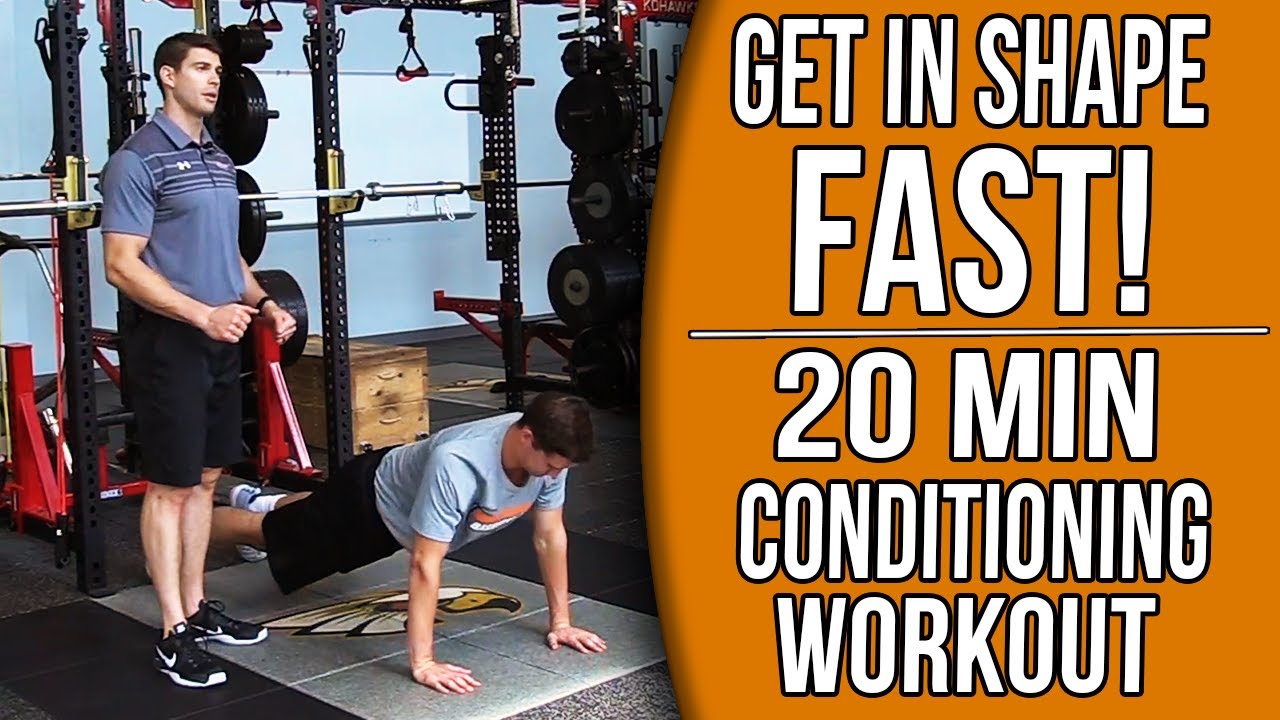
Credit: www.youtube.com
Frequently Asked Questions
How To Train In Basketball At Home?
Practice dribbling daily with both hands to improve control. Use a wall for passing drills to enhance accuracy. Perform shooting exercises, focusing on form and consistency. Incorporate strength training with bodyweight exercises like squats and push-ups. Watch instructional videos for technique improvement and game strategies.
How Many Hours Should A 13 Year Old Practice Basketball?
A 13-year-old should practice basketball for about 1 to 2 hours daily. This helps build skills and stamina. Consistent practice enhances performance and fosters a love for the game. Balance basketball with rest and other activities to prevent burnout.
How To Get In Basketball Shape Fast At Home?
To get in basketball shape fast at home, focus on high-intensity interval training. Include exercises like jump squats, burpees, and sprints. Practice dribbling and shooting drills daily. Incorporate strength training with bodyweight exercises. Maintain a balanced diet and stay hydrated for optimal performance.
What Is A Good Workout Routine For Basketball Players?
A good workout routine for basketball players includes strength training, agility drills, and cardiovascular exercises. Focus on core strengthening, plyometrics, and endurance. Incorporate exercises like squats, lunges, sprints, and jump rope. Prioritize flexibility through stretching and yoga. Consistency and proper rest are crucial for optimal performance and injury prevention.
Conclusion
Home basketball workouts offer great flexibility and convenience. No gym needed. Just dedication and space. Consistent practice improves skills and fitness. You can develop strong habits. Focus on drills that enhance shooting and dribbling. Always warm up to prevent injuries.
Enjoy the process. Progress might be slow, but it’s steady. Remember, practice makes perfect. Stay motivated and track your improvements. Friends or family can join for fun. Keep setting goals. They guide your training. You’ll see growth over time. Celebrate small victories.
They lead to bigger achievements. Keep pushing your limits. Enjoy your basketball journey at home.








