Imagine waking up each morning feeling energized, without the hassle of gym memberships or commuting. With a basic workout at home, this can become your reality.
You might think you need fancy equipment or a personal trainer, but the truth is, you can achieve incredible results with just a few simple exercises in the comfort of your living room. Have you ever felt that urge to get fit but didn’t know where to start?
You’re not alone. Many people feel overwhelmed by the plethora of fitness options out there. But what if I told you that you can build strength, boost your mood, and improve your health with just a few easy-to-follow steps? We’re going to explore a straightforward workout routine that fits seamlessly into your daily life. Whether you’re a beginner or just looking to switch up your routine, these exercises require no special skills or equipment. Ready to transform your space into a personal gym and take charge of your fitness journey? Let’s dive in and discover how you can make the most of your home workouts.
Benefits Of Home Workouts
Working out at home offers a range of benefits. It provides flexibility and control over your fitness routine. Whether you’re new to fitness or a seasoned enthusiast, home workouts can fit into your lifestyle seamlessly. Let’s explore some key advantages.
Convenience And Accessibility
Home workouts eliminate the need for a gym membership. You can exercise anytime, day or night. There’s no commute. Just roll out your mat and start moving. This saves time and makes fitness more accessible for everyone.
Cost-effective Fitness
You don’t need expensive equipment to exercise at home. Bodyweight exercises can be very effective. With minimal investment, you can build a solid workout routine. This makes home workouts budget-friendly.
Personalized Environment
Your home is your space. You can set the temperature, play your favorite music, and wear what you like. This comfort can enhance your workout experience. It’s all about creating an environment where you feel at ease.
Privacy And Comfort
For many, the gym can feel intimidating. At home, you work out without judgment. This privacy helps boost confidence. It allows you to focus on your goals, free from distractions.
Flexibility And Time Management
Home workouts offer unmatched flexibility. You can schedule sessions around your day. Short on time? A quick 15-minute session is better than none. This flexibility helps maintain a consistent routine.

Credit: www.pinterest.com
Essential Equipment
Welcome to your home workout journey! Whether you’re a fitness newbie or a seasoned athlete, having the right equipment can make all the difference. But what do you really need to get started? Let’s break it down and help you create a workout space that’s effective without being overwhelming.
Bodyweight Exercises
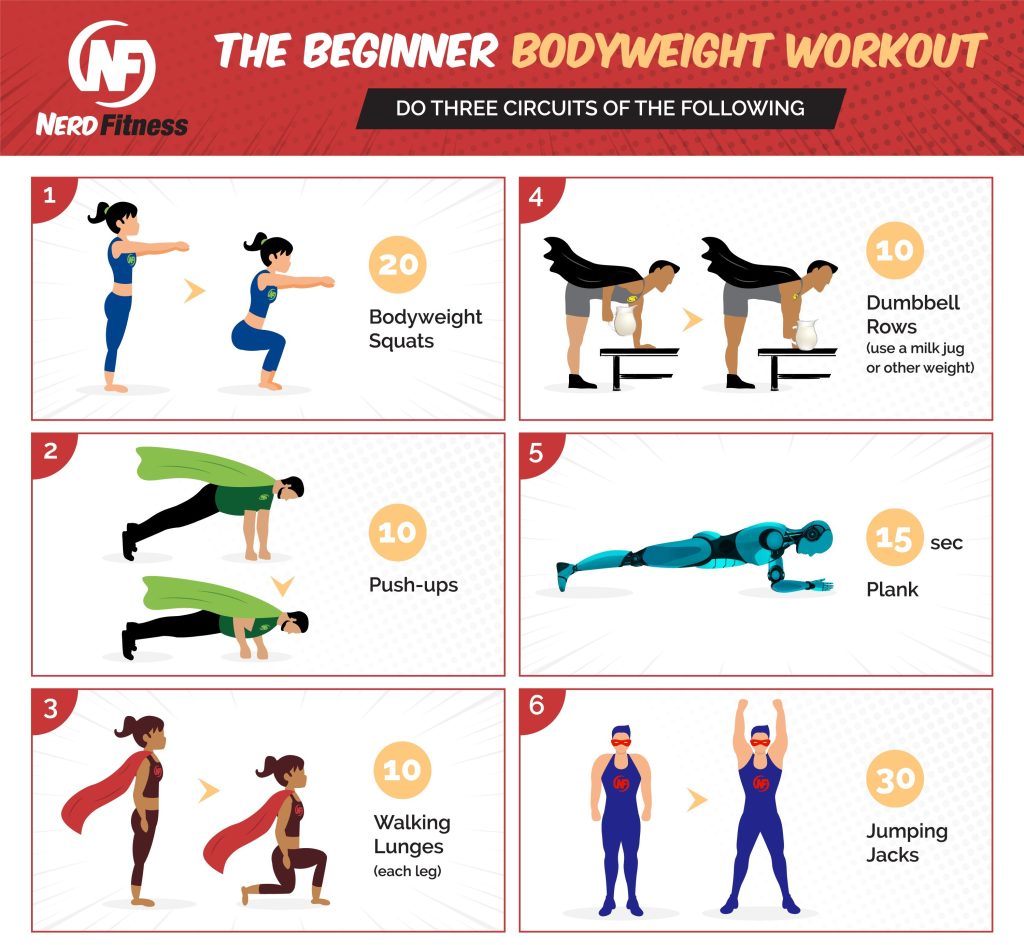
Don’t underestimate the power of your own body. Bodyweight exercises are incredibly versatile and don’t require any equipment. Think about push-ups, squats, and lunges. These moves can be done anywhere and offer great results.
You can use a chair for dips or step-ups. I remember using my living room couch for tricep dips during quarantine, and it worked wonders! The key is consistency and proper form. How creative can you get with your surroundings?
Minimal Gear Options
If you’re ready to add a little gear to your routine, start small. Resistance bands are a great choice—they’re affordable and versatile. You can work on strength training without needing bulky weights.
Consider investing in a pair of dumbbells or a kettlebell. These are perfect for adding variety to your workouts. I started with just one kettlebell and found it incredibly useful for exercises like swings and goblet squats.
Yoga mats are also a good investment. They provide comfort and stability, especially if you’re doing floor exercises. What’s stopping you from creating a dedicated space for your workouts?
Think about your goals and space. Your choice of equipment should align with both. Are you ready to transform your living room into a personal gym? It’s easier than you think!
Creating A Workout Space
Creating a workout space at home can transform your fitness routine. A dedicated area helps you stay focused and motivated. It doesn’t need to be large or fancy. Just a spot where you can exercise comfortably. Let’s explore how to set up an ideal workout space.
Choosing The Right Area
Begin by selecting a space that suits your needs. Look for a room with good ventilation. Natural light boosts mood and energy. Consider the floor type. Carpet is soft but may be slippery. Hardwood offers stability. Ensure enough space for movement. Avoid cramped areas. A corner in the living room or bedroom often works well. Just ensure you have room to stretch and move freely.
Organizing Your Equipment
Keep your equipment organized for easy access. Start with basic items. Dumbbells, resistance bands, and a yoga mat are great. Store them neatly in a basket or on shelves. Wall hooks can hold jump ropes and bands. Avoid clutter. This keeps your space inviting. Ensure safety by placing heavier items on the floor. Consider a small rack for weights. A tidy area encourages regular workouts. It also saves time searching for gear.
Warm-up Routine
Starting your workout with a warm-up routine is crucial. It prepares your body for exercise. A good warm-up increases blood flow and flexibility. It reduces the risk of injury. It also boosts performance during your workout. This section covers dynamic stretching and cardio warm-ups.
Dynamic Stretching
Dynamic stretching involves moving parts of your body. It is active and helps to warm muscles. Begin with arm circles. Swing your arms forward and backward. Do leg swings next. Swing each leg forward and backward. Follow with torso twists. Rotate your upper body side to side. These movements improve mobility and prepare muscles for exercise.
Cardio Warm-ups
Cardio warm-ups increase your heart rate. They boost blood flow and energy levels. Start with jumping jacks. Jump while spreading your arms and legs. Move on to high knees. Run in place, lifting your knees high. Finish with butt kicks. Run in place, kicking your heels back. These exercises prime your body for more intense workouts.
Strength Training At Home
Strength training at home offers convenience and flexibility. It helps build muscle strength without the need for a gym. Create a routine that fits your schedule and goals. Use household items like water bottles or milk jugs as weights. Focus on proper form to prevent injuries and maximize benefits. Incorporate exercises that target different muscle groups for balanced strength development. Strength training boosts metabolism and improves overall fitness. It can be tailored to any fitness level and requires minimal equipment.
Upper Body Exercises
Push-ups are excellent for upper body strength. They work the chest, shoulders, and triceps. Start with knee push-ups if full push-ups are too challenging. Gradually increase difficulty as strength improves. Dumbbell curls can be done with any weight you have at home. They target the biceps and require minimal space. Chair dips strengthen triceps and can be done anywhere. Use a sturdy chair or a low table for support. Remember to keep elbows close to the body for best results.
Lower Body Exercises
Squats are a staple for lower body strength. They target thighs, glutes, and calves. Use proper form to prevent knee strain. Lunges are great for balance and leg strength. They engage multiple muscle groups at once. Step-ups can be done using stairs or a low bench. They provide a great workout for the legs and buttocks. Calf raises improve balance and tone lower legs. Use a wall or chair for support if needed. Perform these exercises regularly for strong legs.
Core Strengthening Moves
Planks are effective for core stability. They engage abs, back, and shoulders. Hold the plank position as long as possible. Crunches focus on the abdominal muscles. Perform them slowly for maximum effect. Russian twists work the oblique muscles. Use a small weight or household item for added resistance. Leg raises strengthen the lower abs. Keep legs straight for best results. Consistent core exercises improve posture and reduce back pain. Aim to include these moves in every workout session.
Cardio Workouts
Cardio workouts at home offer a convenient way to stay fit. Jumping jacks and running in place boost heart health. Short bursts of activity improve endurance, requiring minimal equipment.
Cardio workouts are a fantastic way to get your heart pumping and burn calories, all from the comfort of your own home. You don’t need fancy equipment or a gym membership to enjoy the benefits of cardiovascular exercise. Whether you’re a beginner or a seasoned fitness enthusiast, there are simple and effective ways to integrate cardio into your home workout routine. Let’s explore how you can make cardio fun and effective with two popular methods: High-Intensity Interval Training and Low-Impact Cardio.High-intensity Interval Training
High-Intensity Interval Training, or HIIT, is a workout method that alternates short bursts of intense activity with periods of rest or low-intensity movement. It’s like sprinting to catch a bus and then walking to catch your breath. You can start with 30 seconds of jumping jacks, followed by 30 seconds of rest. Repeat this cycle for 10 minutes. HIIT is great because it’s time-efficient. You can burn a lot of calories in a short period. Have you ever tried squeezing a workout into a busy day? HIIT is your answer. It’s perfect for those who want maximum results in minimum time.Low-impact Cardio
Low-impact cardio is ideal if you’re looking for a gentler approach. It’s kinder on your joints but still effective. Think about activities like brisk walking, cycling on a stationary bike, or even dancing in your living room. These exercises elevate your heart rate without the pounding impact. Have you ever noticed how a walk in the park can clear your mind? Low-impact cardio does the same while keeping you fit. Try marching in place while watching your favorite TV show. It’s easy, and you’ll barely notice the time passing. Low-impact cardio is perfect if you’re recovering from an injury or just starting your fitness journey. It’s all about moving at your own pace and enjoying the process. Cardio workouts at home can be both exhilarating and accessible. Have you found your favorite way to get your heart racing? Give these methods a try and see which one fits best into your lifestyle.Flexibility And Stretching
Starting your home workout with basic stretching boosts flexibility and prepares muscles for exercise. Regular stretching enhances movement, reduces injury risk, and promotes better posture. Incorporating flexibility exercises into daily routines leads to improved overall fitness and well-being.
Flexibility and stretching are essential components of any basic workout at home. They not only improve your range of motion but also prevent injuries and enhance overall performance. Taking time to focus on these aspects can transform your workout routine, making it more effective and enjoyable. Have you ever felt stiff after a day of sitting or a tough workout session? That’s your body hinting at the need for stretching. Let’s dive into how you can make the most out of flexibility exercises right in your living room.Post-workout Stretches
After you sweat it out, your muscles are warm and pliable, making it the perfect time to stretch. Post-workout stretches help reduce muscle tension and soreness. A simple hamstring stretch can do wonders for your legs after a run. Consider adding a quad stretch to your routine; it targets the front of your thigh and can improve knee health. Don’t forget your upper body! Stretch your arms and shoulders with a gentle arm cross-over. These stretches take just a few minutes and can significantly impact how you feel the next day. Are you including them in your routine?Yoga For Flexibility
Yoga is more than just a trend; it’s a powerful tool for increasing flexibility. Even a 10-minute yoga session can have profound effects on your body. Poses like the Downward Dog and Cat-Cow stretch your spine and promote flexibility. Have you tried the Cobra Pose? It not only strengthens your back but also stretches the chest and shoulders. The best part is, you don’t need any equipment—just a mat and some space. Yoga also calms the mind, making it a holistic approach to fitness. Could this be your new favorite way to unwind and stretch out? Incorporating flexibility and stretching into your home workout can make a huge difference. It’s all about finding what works best for you and sticking with it. Your body will thank you!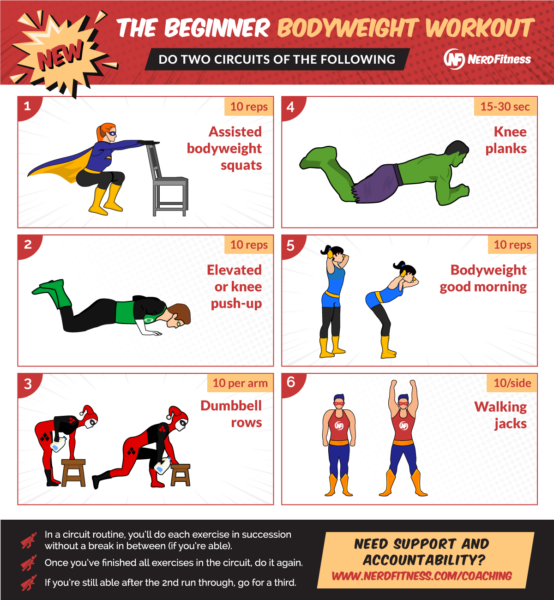
Credit: www.nerdfitness.com
Tracking Your Progress
Tracking progress helps you stay motivated during home workouts. Record daily exercises and note improvements. Celebrate small victories to maintain enthusiasm.
Tracking your progress is a crucial part of any workout routine, especially when you’re working out at home. It helps you stay motivated, measure your improvements, and reach your fitness goals. By setting clear objectives and using tools to monitor your achievements, you can transform your home workout from a random activity into a structured fitness plan.Setting Goals
Setting clear, achievable goals is the first step in tracking your progress. Start with something specific. Instead of saying “I want to get fit,” try “I want to do 20 push-ups without stopping.” Write your goals down and place them where you can see them daily. This constant reminder keeps you focused. Don’t forget to celebrate small victories. If you manage to do just one more push-up than yesterday, that’s progress!Using Fitness Apps
Fitness apps can be your virtual workout buddy. They help you track your exercises, calories burned, and even your heart rate. Apps like MyFitnessPal or Fitbit are user-friendly and offer a range of features. They can set reminders for your workouts or log your daily activities. Some apps also offer community features where you can share your progress. It’s like a mini cheering squad in your pocket! Tracking your progress can transform your home workout routine. Are you ready to see how far you can go?Staying Motivated
Staying motivated is crucial for a successful home workout routine. Many start with enthusiasm but lose steam over time. Consistent motivation helps maintain progress and achieve fitness goals. With the right strategies, you can stay on track and enjoy your workout sessions.
Creating A Routine
Establishing a routine gives structure to your workout plan. Set specific times for exercise each day. This builds a habit and reduces excuses to skip workouts. Write down your plan and keep it visible. Consistency breeds motivation and helps track progress. Adjust the routine as needed to keep it fresh.
Finding A Workout Buddy
A workout buddy can boost your motivation. They provide accountability and support. Invite a friend or family member to join your home workouts. Share goals and celebrate achievements together. A buddy can make exercise fun and engaging. Push each other to stay committed and reach new heights.

Credit: in.pinterest.com
Frequently Asked Questions
How Should A Beginner Start Working Out At Home?
Begin with simple bodyweight exercises like push-ups, squats, and planks. Create a consistent workout schedule. Gradually increase intensity and duration. Stay hydrated and maintain proper form to prevent injuries. Consider online workout videos for guidance and variety.
What Is The 5 4 3 2 1 Workout Method?
The 5 4 3 2 1 workout method involves 5 minutes of cardio, 4 minutes of core exercises, 3 minutes of upper body exercises, 2 minutes of lower body exercises, and 1 minute of stretching. It’s a quick, efficient routine designed for overall fitness improvement.
What Is The 5 5 5 30 Exercise?
The 5 5 5 30 exercise involves five sets of five reps of four different exercises, totaling 30 minutes. It’s designed for strength and endurance, focusing on consistency and intensity to enhance fitness levels effectively.
Are 10 Minute Workouts Effective?
Yes, 10-minute workouts can be effective. They boost metabolism, enhance mood, and improve cardiovascular health. Consistency and intensity are key factors for achieving results. Short workouts are convenient and fit easily into busy schedules. They are perfect for quick energy boosts and maintaining fitness levels.
Conclusion
Home workouts are simple and effective. They fit into any schedule. No need for expensive equipment. Just use your body weight. Consistency is key. Make a routine and stick to it. Listen to your body. Rest when needed. Progress may take time, but it will come.
Stay motivated by setting small goals. Celebrate your achievements. Enjoy the journey to a healthier you. Working out at home can be fun. Invite a friend or family member. Share the experience. Get moving today. Your health is worth it.








