Back pain can be a real burden, can’t it? It sneaks in when you least expect it and can disrupt your daily routine, making even the simplest tasks feel like a challenge.
You’re not alone in this struggle. Many people just like you are looking for effective ways to relieve their discomfort without leaving the comfort of their home. Imagine waking up each day feeling more flexible, with less pain, and ready to tackle your to-do list with ease.
Sounds like a dream, right? Well, it doesn’t have to be. You’ll discover simple yet powerful workouts you can do at home to ease your back pain. These exercises are not only easy to follow, but they also promise to bring you closer to a life with less pain. Stick around, because the relief you’ve been longing for might be just a few stretches away.
Causes Of Back Pain
Back pain often stems from poor posture or weak muscles. Regular home workouts can strengthen core and back muscles. Stretching exercises help improve flexibility, reducing discomfort.
Back pain is a common issue that can disrupt your daily life, making simple tasks feel like monumental challenges. Understanding the causes of back pain is crucial in finding effective ways to manage and prevent it. Whether you’re experiencing occasional discomfort or chronic pain, knowing the root of the problem can help you tailor your workout routine at home to alleviate symptoms and strengthen your back.Improper Posture
Improper posture is a sneaky culprit behind many back pain issues. Think about how you sit at your desk or relax on the couch. Are you slouching or leaning awkwardly? Over time, these habits can strain your spine and muscles, leading to discomfort. Even a simple change like adjusting your chair or using a lumbar support can make a significant difference.Muscle Strain
Muscle strain often results from overexertion, such as lifting heavy objects without proper technique or engaging in intense physical activities. This type of pain can be sharp and sudden, leaving you sidelined from your usual activities. To avoid muscle strain, focus on exercises that strengthen your core and back muscles, providing better support for your spine.Stress And Tension
Stress and tension can manifest physically, especially in your back. Have you ever noticed your shoulders creeping up towards your ears during a stressful day? That tension can translate into back pain. Incorporating relaxation techniques like deep breathing or yoga into your routine can help release tension and reduce pain.Age-related Changes
As we age, our bodies undergo changes that can affect the spine and surrounding muscles. Degenerative conditions like arthritis or disc degeneration become more prevalent. Regular, gentle exercises can help maintain flexibility and strength, potentially slowing down these age-related changes and minimizing pain.Lack Of Physical Activity
A sedentary lifestyle is a major contributor to back pain. When you’re inactive, your muscles weaken and lose flexibility, making your back more susceptible to pain. Adding simple exercises, like walking or stretching, into your daily routine can help keep your back muscles engaged and healthy.Injury
An unexpected fall or accident can lead to back injuries, causing immediate and severe pain. If you’ve experienced a back injury, it’s important to consult a healthcare professional before starting a workout routine. They can guide you in selecting exercises that aid recovery without risking further damage. Understanding what causes your back pain can empower you to make informed choices about your health. Are there any causes here that resonate with your experience? Recognizing these factors is the first step toward crafting a personalized workout plan that addresses your specific needs.Benefits Of Home Workouts
Back pain is a common concern, and finding time to hit the gym isn’t always easy. Home workouts offer a convenient solution. They allow you to manage your back pain without leaving the comfort of your home. You can tailor exercises to fit your schedule and specific needs, making it easier to stay consistent and see real results.
Convenience And Flexibility
Imagine waking up, stretching, and getting your workout done without leaving the house. Home workouts save you time and travel expenses. No need to adjust to gym hours; your living room is open 24/7.
You can also adapt your routine based on how you’re feeling. If your back is acting up, modify your exercises. Flexibility is key, and home workouts offer just that.
Cost-effectiveness
Consider how much you spend on gym memberships annually. Home workouts cost little to nothing. You can use items you already own, like a chair or a towel, for your routines.
Investing in a few basic pieces of equipment, like resistance bands or a yoga mat, can enhance your workout without breaking the bank. This approach saves money while keeping your back in good shape.
Privacy And Comfort
Some people feel self-conscious exercising in a gym. At home, you have the privacy to try new exercises without judgment. Wear whatever you feel comfortable in, and focus solely on your workout.
This comfort can lead to more effective workouts. When you’re at ease, you’re more likely to push yourself and try things you might avoid in a public setting.
Personalized Routine
Every back is unique, and what works for one person might not work for another. At home, you can develop a routine that caters specifically to your back pain.
Experiment with different exercises to find what gives you relief. Track your progress and adjust your routine as needed. This personalized approach ensures your workouts are effective and focused on your well-being.
Family And Community Engagement
Why not involve your family in your exercise routine? Working out at home provides an opportunity to engage your loved ones. It can be a bonding experience.
Additionally, consider joining online communities or classes. Many instructors offer virtual sessions that you can follow at home, creating a sense of community and motivation.
So, are you ready to transform your living room into a personal gym? Your back, and your wallet, will thank you.
Essential Equipment
Finding relief from back pain is possible with home workouts. Essential equipment can make a big difference. It helps target specific muscles. This equipment also supports correct posture.
Yoga Mat
A yoga mat provides comfort during exercises. It cushions your spine. The mat prevents slipping. It helps maintain stability during movements. Choose a mat with good thickness. It should be non-slip.
Resistance Bands
Resistance bands are versatile. They increase strength and flexibility. Bands come in various levels. Choose the right band for your ability. They are easy to store. Resistance bands are affordable.
Foam Roller
A foam roller aids in muscle recovery. It helps release tension. Rolling reduces stiffness. It improves blood flow. Foam rollers are lightweight. Use them to massage back muscles.
Stability Ball
The stability ball challenges your balance. It engages core muscles. Use it for stretching. The ball helps improve posture. Choose the right size for your height.
Exercise Chair
An exercise chair supports seated workouts. It helps with posture correction. Chairs are easy to use. They provide stability during exercises. Choose a sturdy chair. Ensure it has a backrest.
Light Dumbbells
Light dumbbells increase muscle strength. They improve endurance. Dumbbells are great for back exercises. Start with a comfortable weight. Gradually increase the weight.

Credit: www.self.com
Warm-up Exercises
Starting a back pain workout with warm-up exercises is crucial. They prepare your body and muscles for the session. Warm-ups increase blood flow and flexibility. This reduces the risk of injury. They also help in easing stiffness and discomfort. A gentle start ensures your back is ready for more intense movements. Let’s explore some effective warm-up exercises.
Gentle Stretches
Gentle stretches help relax tight muscles. Begin with a simple forward bend. Stand tall, feet shoulder-width apart. Slowly lean forward, reaching for your toes. Don’t strain yourself; only stretch as far as comfortable. Hold the position for 10 seconds. Slowly return to standing. Repeat this stretch three times.
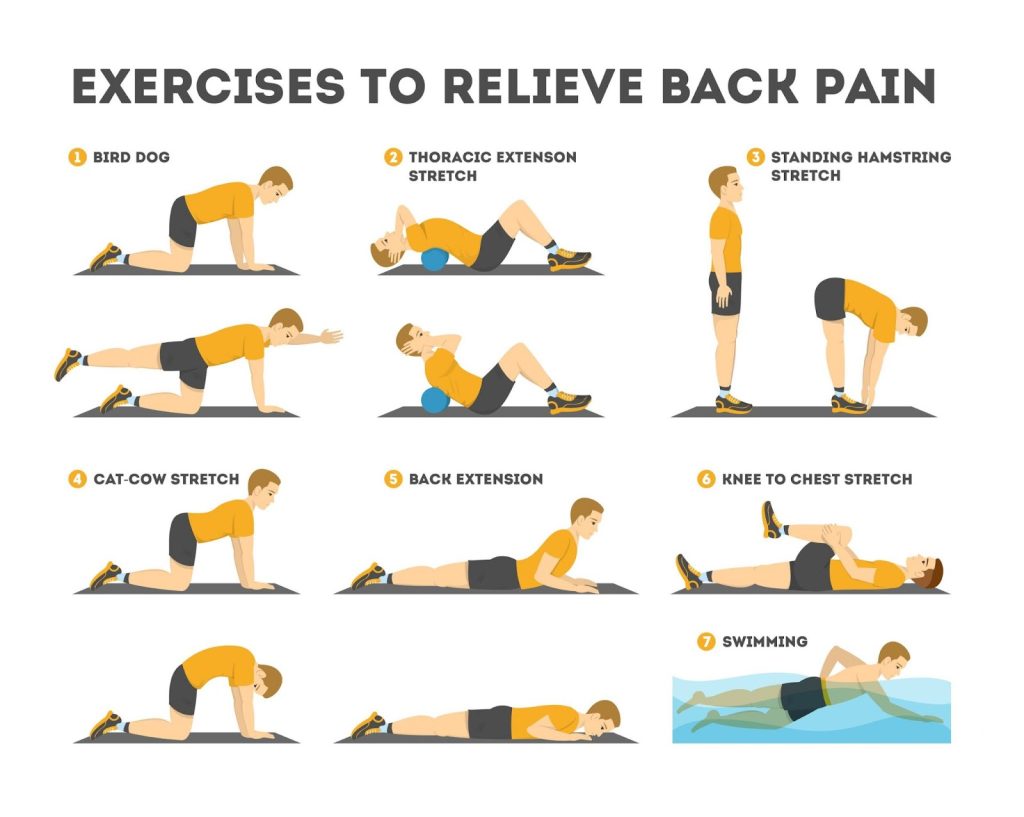
Next, try the cat-cow stretch. Start on your hands and knees. Inhale, arch your back, dropping your belly. Look up for the cow pose. Exhale, round your back, tucking your chin. This is the cat pose. Repeat this sequence 10 times. It mobilizes your spine effectively.
Dynamic Movements
Dynamic movements enhance circulation and flexibility. Begin with arm circles. Stand straight and extend your arms out. Move them in small circles forward. Gradually increase circle size. After 30 seconds, switch direction. This exercise loosens the shoulder and upper back muscles.
Next, perform hip circles. Stand with your feet apart. Place your hands on your hips. Gently rotate your hips in a circular motion. Do this for 30 seconds clockwise. Then, switch to counter-clockwise. Hip circles warm up the lower back and pelvic area.
Lastly, try knee lifts. Stand with feet hip-width apart. Lift one knee towards your chest. Alternate between legs. Continue for one minute. Knee lifts increase heart rate and warm up leg muscles.
Strengthening Exercises
Are you tired of persistent back pain? You’re not alone, but there’s a proactive way to tackle it. Strengthening exercises can be your secret weapon. These exercises not only help alleviate discomfort but also build resilience. You don’t need a gym membership; your living room can be your workout space. Let’s dive into exercises that focus on core stabilization and lower back strength.
Core Stabilization
Your core is your body’s powerhouse. Strengthening it can offer great support to your back. Start with planks. A simple plank can engage multiple muscle groups. Feel the burn as you hold your position, and notice how your back feels more supported.
Side planks are another fantastic choice. They target your oblique muscles, which play a key role in stabilizing your spine. Try holding a side plank for 30 seconds on each side. You’ll feel more balanced and steady.
Another effective exercise is the bird-dog. This involves extending one arm and the opposite leg while maintaining balance. It enhances stability and coordination. Challenge yourself: can you hold it for longer each time?
Lower Back Strength
Building lower back strength is crucial for a pain-free life. Begin with bridges. Lie on your back, bend your knees, and lift your hips. Bridges target your lower back and glutes, creating a solid foundation for daily activities.
Supermans are next. Lie face down and lift your arms and legs off the ground simultaneously. This exercise strengthens the lower back muscles effectively. How high can you lift without straining?
Consider incorporating gentle rotations. Sit upright and twist your torso side to side. This movement can enhance flexibility and reduce stiffness. Notice the release of tension as you twist.
Remember, consistency is key. You may not see immediate results, but keep at it. Have you tried these exercises before? How did they change your daily life?
Flexibility And Stretching
Ease back pain with gentle flexibility exercises and stretching routines at home. Simple stretches can improve mobility and reduce discomfort. Regular practice can enhance overall well-being and support a healthier back.
Flexibility and stretching can play a critical role in alleviating back pain. By enhancing your flexibility, you can reduce tension in your muscles and improve your range of motion. This not only helps in pain relief but also aids in preventing future discomfort. Many people overlook the power of stretching, yet it’s a simple and effective way to feel better. Have you ever felt relief after a good stretch? It’s because your muscles are thanking you!Hamstring Stretches
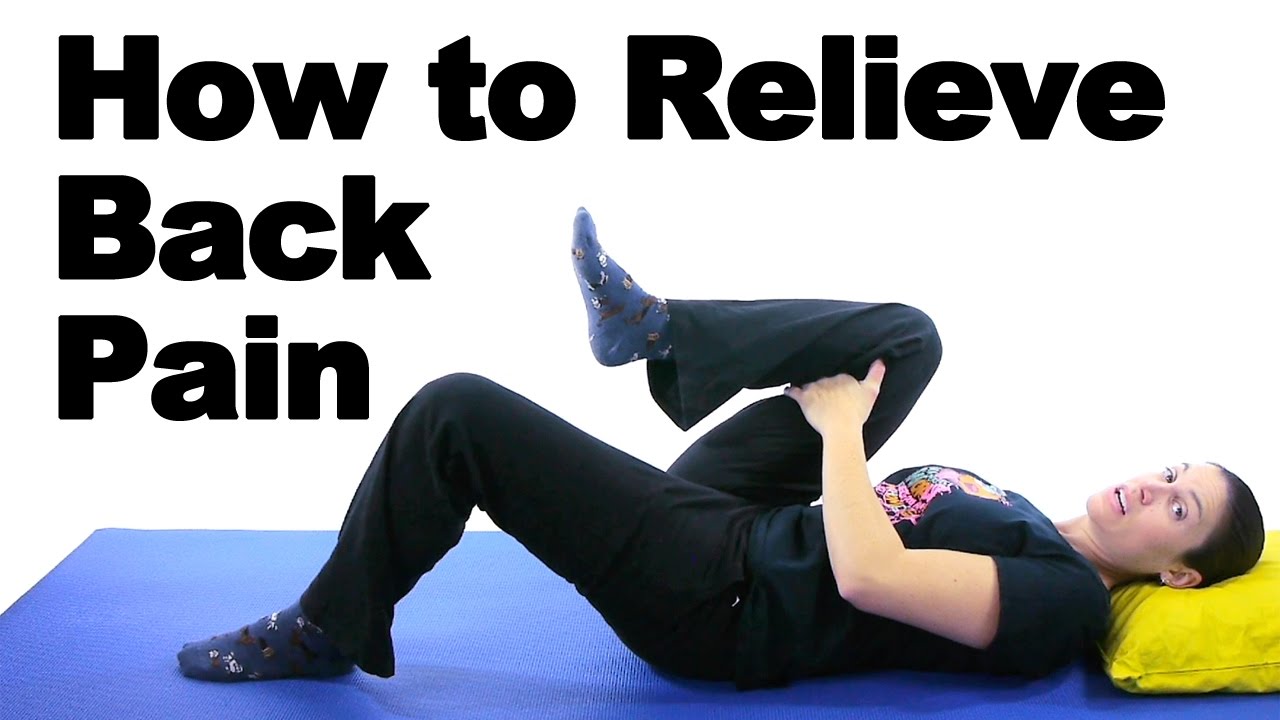
Tight hamstrings can put unnecessary strain on your lower back. Stretching them out can ease this tension. You don’t need any fancy equipment—just a bit of space on your floor. Lie on your back, and lift one leg towards the ceiling. Hold your thigh or calf, whichever is more comfortable, and gently pull towards you. You should feel a gentle pull in the back of your leg. Hold for 15-30 seconds, then switch legs. A regular routine of hamstring stretches can make a noticeable difference. Consistency is key. Could this simple exercise be the relief you’ve been seeking?Spinal Twists
Spinal twists can be a game-changer for back pain. They help in releasing tension in your spine and improving overall mobility. Plus, they feel incredibly refreshing! Sit on the floor with your legs extended. Cross one leg over the other and place your foot flat on the floor. Gently twist your torso towards the bent knee, using your opposite elbow for support against the knee. Hold this position for a few breaths, then switch sides. Remember to keep your back straight during this exercise. It’s tempting to hunch, but maintaining proper form ensures maximum benefit. Have you noticed how your back feels more relaxed after a twist? Integrating these stretches into your daily routine can lead to significant improvements. Your back will thank you, and you might find yourself moving with more ease throughout your day. Why wait? Start stretching today and experience the difference!Post-workout Recovery
After an invigorating back pain workout at home, recovery is crucial. It helps your muscles heal and grow stronger. Embracing effective post-workout recovery can enhance your results. Let’s explore some essential recovery methods.
Cool Down Techniques
Cooling down is key for a healthy body. It eases your transition from intense activity to rest. Start with gentle stretching exercises. Focus on the lower back and surrounding muscles. Slow, deep breaths aid in relaxation. Walking at a slow pace for five minutes is helpful. It gradually reduces your heart rate.
Hydration And Nutrition
Proper hydration is vital for recovery. Water replenishes lost fluids and supports muscle repair. Sip water throughout the day. Aim for at least eight glasses. Nutrition also plays a significant role. Consume a balanced meal with proteins and carbs. Proteins help repair muscle tissues. Carbohydrates restore energy levels.
Credit: www.youtube.com
Tips For Consistency
Building consistency in back pain workouts at home boosts progress and relief. Set a regular schedule and follow it. Choose exercises you enjoy to maintain motivation and commitment.
Struggling to stay consistent with your back pain workout at home? It’s a common challenge, but with the right tips, you can make it a regular part of your routine. Consistency is key to seeing improvements and reducing pain over time. Let’s dive into some actionable tips that can help you stick to your plan.Setting A Routine
Establish a specific time each day for your workout. Morning, afternoon, or evening—choose a time that feels natural and fits your lifestyle. Creating reminders can be useful. Use phone alarms or sticky notes around your house to prompt you. Keep workouts short, especially when starting. You’re more likely to stick with a 10-minute session than a longer one you dread.Tracking Progress
Keep a journal or use a fitness app to record your workouts. Seeing your progress in black and white can be motivating. Celebrate small victories, like completing a week of workouts or increasing your reps. These milestones matter. Ask yourself: How does your body feel after regular workouts? Noticing reduced pain or increased flexibility can inspire you to continue. Sticking with a back pain workout at home doesn’t have to be overwhelming. By setting a routine and tracking your progress, you’re more likely to stay on course. Remember, the journey is as important as the destination. What’s one small change you can make today to boost your consistency?Common Mistakes To Avoid
Avoid intense exercises that strain the back. Proper posture during workouts is essential to prevent injury. Warm-up exercises are crucial for preparing muscles.
Back pain can be an unwelcome guest in your daily routine, especially when you’re trying to stay active. Home workouts can be a great solution, but it’s important to navigate them carefully. Understanding common mistakes in your workout can save you from unnecessary pain and keep you on the path to recovery. Let’s explore how to avoid these pitfalls.Ignoring Warm-up Exercises
Jumping straight into a workout without warming up is like driving a car without starting the engine. You risk muscle strain and increased pain. A five-minute warm-up with simple stretches can prepare your body for movement. It wakes up your muscles and gets your blood flowing. Think of a warm-up as your workout appetizer that sets the stage for the main course.Overdoing Repetitions
Repeating exercises excessively might seem like a fast track to success. But too many reps can lead to fatigue and worsen your back pain. Start with a manageable number and gradually increase. Listen to your body’s signals. If you feel sharp pain, it’s a red flag to pause and reassess your approach.Ignoring Proper Form
You might feel tempted to rush through exercises. But neglecting proper form can be a recipe for disaster. Consider squats: pushing your knees forward can strain your lower back. Focus on posture and balance. Use a mirror to check your form, or ask a friend for feedback. Proper form isn’t about perfection; it’s about safety.Skipping Rest Days
In the quest for results, you might think skipping rest days is smart. But rest is crucial for recovery. Your muscles need time to repair. Plan your workout schedule to include rest days. This can prevent burnout and give your back a chance to heal. Ask yourself, “Is my body asking for a break?” Listen to it.Not Adjusting Exercises To Your Condition
You may admire others who perform intense workouts, but your back pain requires a tailored approach. If something feels uncomfortable, adjust the exercise. Swap high-impact moves for gentler ones. Modify until it feels right for you. Personalize your workout to suit your needs; your back will thank you.Neglecting Consistency
Consistency is key to progress, yet easy to overlook. Sporadic workouts won’t help your back pain improve. Make a realistic plan. Set reminders or involve a friend to keep you accountable. It’s not about doing more, but doing it regularly. What small step can you take today towards consistency? Avoiding these mistakes can transform your home workout from a potential hazard to a healing experience. Remember, your goal is to support your back and build strength. How will you refine your routine?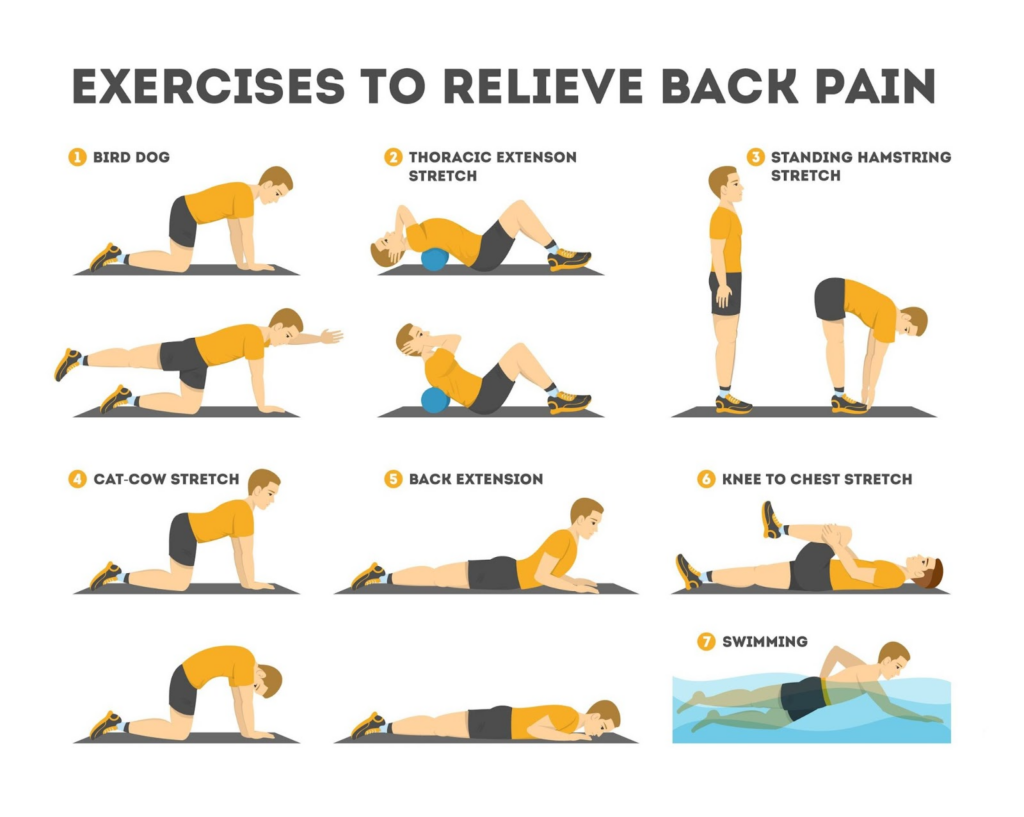
Credit: shorelifechiro.com
Frequently Asked Questions
How To Workout If Your Back Hurts?
Consult a doctor before exercising with back pain. Focus on low-impact activities like walking or swimming. Strengthen your core with exercises like planks. Stretch gently to improve flexibility. Avoid heavy lifting and high-impact activities. Listen to your body and stop if pain worsens.
How To Relieve Back Pain At Home Exercises?
Try gentle stretches like knee-to-chest and cat-cow. Strengthen core muscles with planks and bridges. Maintain good posture.
How To Get Rid Of Back Pain Asap?
Try gentle stretching exercises to alleviate back pain. Apply heat or cold packs for relief. Maintain good posture and avoid heavy lifting. Over-the-counter pain relievers can help. Consult a healthcare professional if pain persists.
Is It Okay To Workout With Back Pain?
Consult a healthcare professional before exercising with back pain. Gentle exercises like walking or swimming can help. Avoid activities that strain the back. Listen to your body and stop if pain worsens. Proper posture and stretching may aid recovery. Prioritize safety and proper form during workouts.
Conclusion
Back pain doesn’t have to control your life. Regular workouts at home help. Strengthen your muscles and improve flexibility. Stay consistent with simple exercises. Listen to your body and avoid pushing too hard. Small steps lead to big improvements over time.
Focus on your posture during activities. Stretching daily makes a difference. Rest when your body needs it. Keep a positive mindset through the journey. Remember, wellness takes time and patience. Start today for a healthier tomorrow. Your back will thank you.








