
Imagine standing at the starting line, heart racing, mind buzzing, with the weight of expectations pressing down on your shoulders. As an athlete, you push your body to its limits, but what about your mind?
Your mental health is just as crucial as your physical prowess, yet it’s often overlooked. Have you ever wondered how mental wellness impacts your performance or how you can nurture it? We’re diving deep into the world of athletes’ mental health.
Discover the hidden struggles, the triumphs, and the secrets to maintaining a balanced mind. Stay with us to learn how mental strength can be your greatest ally in both sports and life.
Importance Of Mental Health In Sports
Athletes’ mental health plays a crucial role in their performance and overall well-being. Strong mental health helps athletes manage stress and maintain focus during competitions. Prioritizing mental health can lead to better results and a more balanced life.
Mental health is as crucial in sports as physical health. Yet, it often gets overshadowed by the focus on physical prowess and performance. Understanding the importance of mental health can change how athletes approach their game and life.Understanding The Pressure Athletes Face
Athletes endure immense pressure, both on and off the field. They’re expected to excel, often carrying the weight of entire teams and fan expectations. This pressure can take a toll on their mental well-being. Have you ever thought about how an athlete feels after a loss? It’s not just disappointment but also anxiety about future performance. This pressure can lead to stress, anxiety, and even depression.The Role Of Mental Health In Performance
Mental health directly impacts athletic performance. A clear mind leads to better decision-making during high-stakes moments. When your mind is clouded by stress, you might make mistakes or hesitate. Athletes who manage their mental health can maintain focus and perform consistently. Consider the athlete who meditates before each game. They often report feeling calmer and more focused. This is the power of prioritizing mental health.Breaking The Stigma
Despite its importance, mental health in sports is often stigmatized. Many athletes hesitate to seek help due to fear of appearing weak. This stigma needs to be addressed. If you’re struggling, remember that seeking help is a sign of strength, not weakness. Acknowledging mental health challenges is the first step to overcoming them. Have you ever seen an athlete advocate for mental health openly? It encourages others to share their stories and seek the support they need.Practical Steps For Athletes
Athletes can take practical steps to maintain their mental health. Regularly practicing relaxation techniques, like meditation or deep breathing, can be beneficial. Journaling can help process emotions and clear your mind. Reflect on your experiences and identify stressors. Connecting with a mental health professional is also crucial. They can offer guidance tailored to your unique needs. Remember, maintaining mental health is an ongoing process. What steps can you start implementing today to prioritize your mental health? Small changes can lead to significant improvements.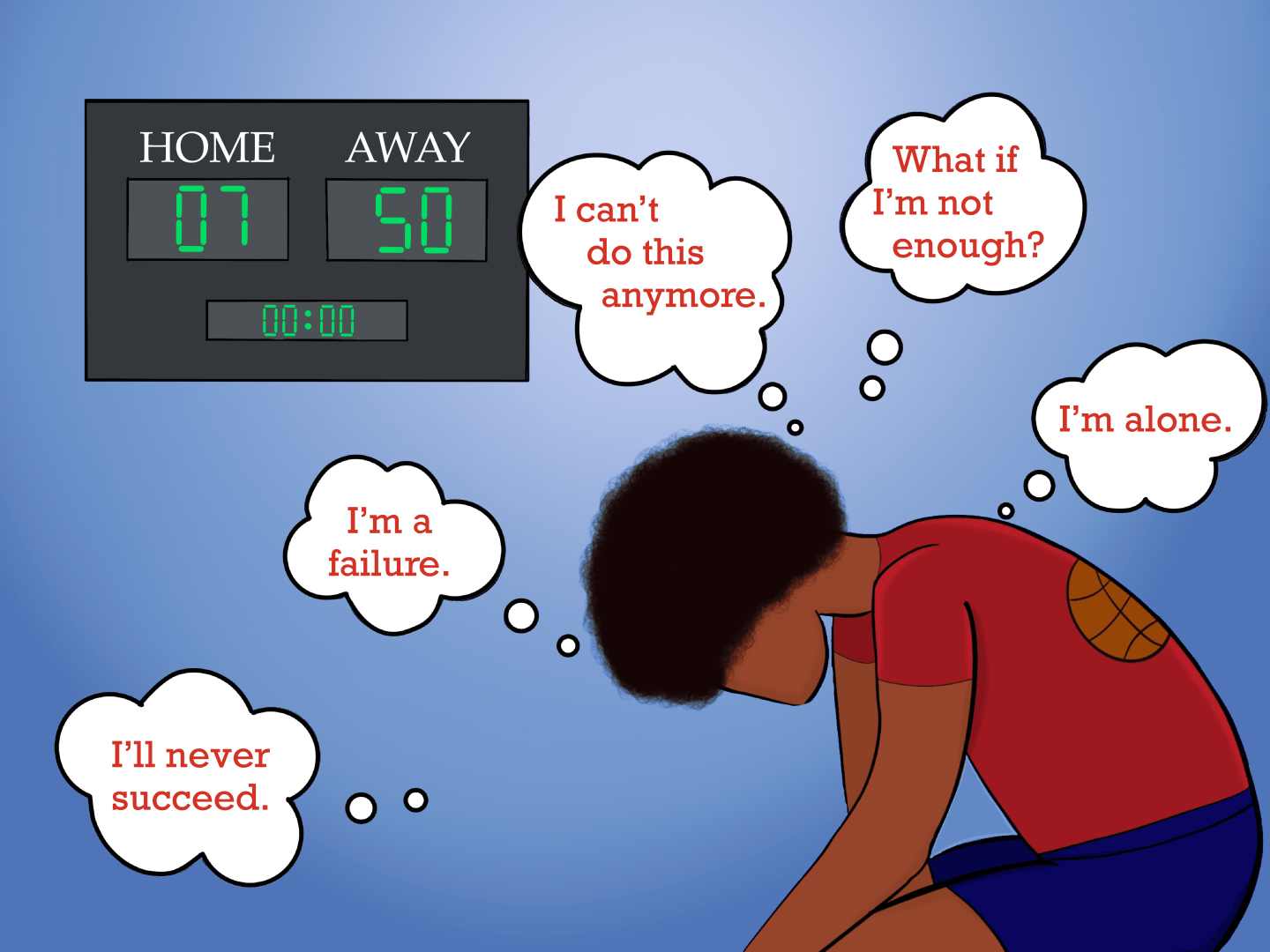
Credit: reflector.uindy.edu
Common Mental Health Challenges
Athletes often face mental health challenges like anxiety and depression. Pressure to perform can increase stress levels significantly. Balancing intense training and personal life adds to mental strain.
Mental health is an essential aspect of an athlete’s overall well-being. While physical training is crucial, the psychological battles athletes face can be just as demanding. Understanding these common mental health challenges is vital not only for athletes but also for coaches, families, and fans. Let’s dive into some of the most prevalent issues athletes encounter.Anxiety And Stress
Athletes often face anxiety and stress due to the pressure to perform well. Imagine standing at the starting line, heart racing, knowing that everyone’s eyes are on you. It’s not just about winning; it’s about meeting expectations and proving yourself. This can lead to sleepless nights and constant worry. You might find yourself doubting your abilities or feeling overwhelmed. It’s essential to recognize these feelings and seek help when needed. Techniques like mindfulness and breathing exercises can help manage these moments.Depression In Athletes
Depression doesn’t discriminate; it can affect anyone, including athletes. The constant grind, injuries, and even success can lead to feelings of emptiness. Have you ever wondered why some athletes seem to struggle despite their achievements? It’s because depression can creep in unnoticed, affecting mood and motivation. Recognizing symptoms like persistent sadness or loss of interest in activities is crucial. Connecting with a counselor or therapist might be a necessary step toward healing.Pressure And Burnout
The pressure to excel and the relentless pursuit of perfection can lead to burnout. Picture the athlete who practices tirelessly, only to feel utterly exhausted and disinterested in the sport they once loved. Burnout isn’t just physical exhaustion; it’s mental and emotional fatigue. Are you pushing yourself too hard without any breaks? It’s vital to find balance, integrating rest and recovery into your routine. Remember, taking a step back occasionally can lead to greater progress in the long run. Understanding these challenges is the first step in addressing them. How can you support yourself or someone you know in overcoming these hurdles? Recognize the signs, open up about your struggles, and prioritize mental health as much as physical training.Impact Of Mental Health On Performance
Athletes often face intense physical and mental challenges. Mental health plays a crucial role in their performance. A balanced mind helps athletes perform better. It enhances their focus, motivation, and resilience. Poor mental health can lead to stress and anxiety. This affects their overall capabilities. Understanding its impact is vital for optimal performance.
Cognitive Functioning
Mental health directly affects cognitive functioning. Clear thinking is essential for athletes. It impacts their ability to strategize and plan. Stress can cloud judgment. It leads to confusion and errors. A calm mind aids concentration. It helps athletes stay on track during competitions. Mental clarity is a competitive advantage.
Decision Making
Good mental health improves decision making. Athletes must make quick choices. Stress affects their ability to decide. It can lead to poor choices. A focused mind makes better decisions. It enhances the ability to judge situations accurately. Effective decision making can change the outcome of a game.
Physical Performance
Mental health influences physical performance. Anxiety can cause fatigue. It reduces stamina and strength. A positive mindset boosts energy levels. It enhances endurance and agility. Athletes perform better with a healthy mind. Mental wellness is as important as physical training.
Strategies For Mental Well-being
Balancing training and mental well-being is crucial for athletes. Practicing mindfulness and seeking support fosters resilience and focus. Regular rest and self-reflection aid in maintaining a healthy mindset.
Mental well-being is crucial for athletes to perform at their best. The pressure to succeed can be intense, and maintaining a healthy mind is just as important as physical training. You don’t have to be an elite athlete to understand the stress that comes with competition, whether it’s on the field or in your personal life. Let’s dive into some effective strategies that can help athletes—and you—stay mentally healthy.Mindfulness And Meditation
Mindfulness is about being present in the moment. Imagine standing at the start line and hearing only your breath. Meditation can help you focus on what’s important, reducing anxiety and stress. Simple breathing exercises or guided meditation apps can become powerful tools. Spend just ten minutes daily in meditation, and watch how your focus sharpens and stress diminishes. Have you ever tried to silence that inner critic? Give mindfulness a shot and notice how your perspective shifts.Cognitive Behavioral Techniques
Cognitive Behavioral Techniques (CBT) are practical ways to manage thoughts and emotions. These techniques help you recognize negative thought patterns and change them. Picture yourself facing a tough opponent. Instead of thinking, “I can’t win,” replace it with, “I have trained hard and am ready.” This shift in mindset can boost confidence and performance. Why let doubts hold you back when simple CBT strategies can help you overcome them?Support Systems And Counseling
Having a strong support system is vital. Surround yourself with friends, family, or teammates who understand your struggles. Counseling offers a safe space to talk about challenges and learn coping strategies. Consider reaching out to a sports psychologist who can provide insights tailored to your needs. Remember, asking for help shows strength, not weakness. Who in your circle can you turn to when things get tough? By focusing on these strategies, athletes can maintain their mental well-being and elevate their performance. Remember, it’s not just about the physical game; the mental game is just as important.Role Of Coaches And Teams
Coaches and teams play a crucial role in supporting athletes’ mental health. They create safe environments for open communication. Their understanding and encouragement help athletes manage stress and maintain focus, fostering overall well-being.
Athletes’ mental health has become a crucial topic of discussion in recent years. The role of coaches and teams in nurturing this aspect cannot be underestimated. They are often the closest support system athletes have, and their influence is significant. A coach’s understanding and approach can make all the difference in an athlete’s mental well-being. Teams that prioritize mental health create an environment where athletes thrive not just physically, but emotionally and mentally as well. Let’s explore how coaches and teams can make a positive impact.Creating A Supportive Environment
A supportive environment can be a game-changer for an athlete’s mental health. Coaches and teams should aim to foster a culture where athletes feel valued and respected. Encourage team bonding activities that promote trust and camaraderie. Consider the story of a high school soccer team that started their practices with a “check-in” circle. Each player shared how they were feeling that day. This simple practice built empathy and understanding, helping the team perform better on the field and feel more connected off it.Recognizing Warning Signs
It’s crucial for coaches and teams to recognize the warning signs of mental health struggles. Changes in behavior, mood swings, or withdrawal can be indicators. Being observant and proactive can prevent small issues from becoming major problems. A coach who noticed a star swimmer becoming unusually quiet and isolated took the time to have a one-on-one conversation. The swimmer opened up about feeling overwhelmed, and together they worked on a plan to manage stress. This intervention showed the athlete they were not alone.Encouraging Open Communication
Open communication is key to addressing mental health. Encourage athletes to speak freely about their feelings without fear of judgment. Coaches should regularly check in with athletes, showing genuine interest in their well-being. A basketball team introduced a “mental health day” where players could talk openly with the coach about anything on their minds. This initiative not only improved team dynamics but also helped players manage their stress better. Have you considered how open communication could transform your team dynamics? In what ways can you, as a coach or team member, contribute to an athlete’s mental health journey? It’s time to take action and create an environment where athletes feel empowered both mentally and physically.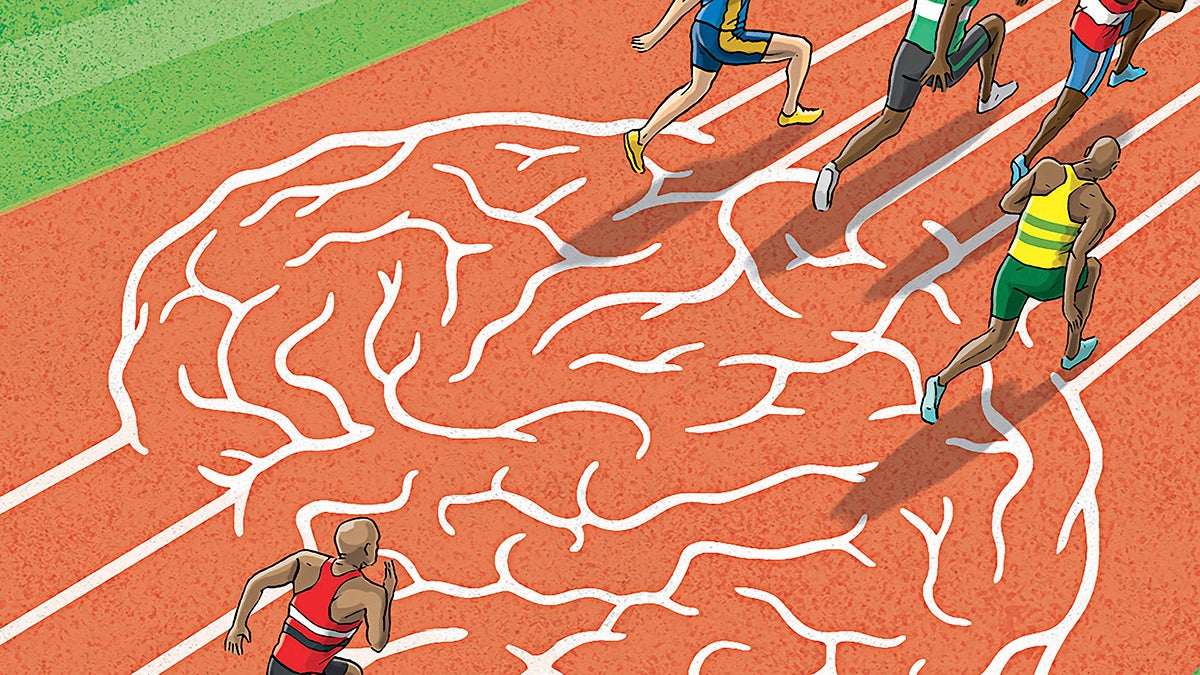
Credit: live-global-sport-matter.ws.asu.edu
Technology And Mental Health
Technology plays a vital role in supporting athletes’ mental health. It offers tools that help track and manage mental well-being. These tools are accessible and easy to use. They support athletes in maintaining their mental balance. Athletes can find tailored solutions for their unique needs.
Apps And Digital Tools
Apps provide athletes with mental health resources at their fingertips. Many apps offer guided meditation and mindfulness exercises. Athletes can use them to reduce stress and improve focus. Some apps track mood changes and provide insights. These insights help athletes understand their mental health patterns.
Wearable Technology
Wearable devices monitor physical activity and mental well-being. They track heart rate, sleep patterns, and stress levels. This data helps athletes understand their body’s responses. It enables them to make informed decisions about their health. Wearable technology is a valuable tool for maintaining mental balance.
Virtual Reality Interventions
Virtual Reality (VR) offers immersive experiences for mental health care. VR can simulate calming environments for stress relief. It provides athletes with a safe space to practice relaxation techniques. Virtual reality also aids in exposure therapy for anxiety management. This innovative approach supports athletes in overcoming mental challenges.
Case Studies And Success Stories
Explore stories of athletes overcoming mental health challenges. Discover how support and strategies lead to triumphs. Insights offer hope and guidance for those facing similar hurdles.
Athletes often face immense pressure, both physically and mentally. While their physical prowess is celebrated, the mental challenges they endure are often overlooked. However, many athletes have bravely shared their mental health struggles, providing invaluable insights and inspiring others. By examining these case studies and success stories, we can better understand the importance of mental well-being in sports and apply these lessons to our own lives.Michael Phelps: Embracing Vulnerability
Michael Phelps, the most decorated Olympian, has openly discussed his battles with depression. Despite his extraordinary achievements, he faced deep emotional lows. By seeking therapy and speaking out, he not only found healing but also encouraged others to prioritize mental health. Phelps’ story teaches you the power of vulnerability. Sharing struggles can lead to profound healing. Are you willing to embrace your own vulnerabilities?Serena Williams: Balancing Pressure
Serena Williams, a tennis legend, has navigated immense pressure throughout her career. She emphasizes the importance of mental resilience and finding a balance between personal and professional life. Serena practices mindfulness and meditation, which helps her stay grounded. Her approach highlights the necessity of mental balance. How can you incorporate mindfulness in your daily routine to manage stress?Kevin Love: Breaking The Stigma
NBA star Kevin Love has been a vocal advocate for mental health awareness. After experiencing a panic attack during a game, he realized the importance of addressing mental health openly. His decision to share his story has helped break the stigma surrounding athletes and mental health. Love’s courage in speaking up has inspired countless others. Are you ready to contribute to breaking the stigma in your community?Naomi Osaka: Prioritizing Self-care
Tennis champion Naomi Osaka made headlines by withdrawing from major tournaments to focus on her mental well-being. She reminds us that self-care is crucial, even for top athletes. Naomi’s actions underline the importance of listening to one’s body and mind. Her story challenges you to prioritize self-care. What steps are you taking to ensure your mental health comes first?Simone Biles: Redefining Success
Simone Biles, a gymnastics powerhouse, showed immense courage by prioritizing her mental health over competition. By stepping back during the Tokyo Olympics, she redefined what success means. Her decision sparked a global conversation on the importance of mental health in sports. Biles’ example prompts you to reconsider your definition of success. Are you measuring success by achievements, or by your overall well-being? These athletes remind us that mental health is as crucial as physical fitness. By learning from their experiences, you can apply these lessons to your own life. Which story resonates with you the most, and how will you use it to inspire change?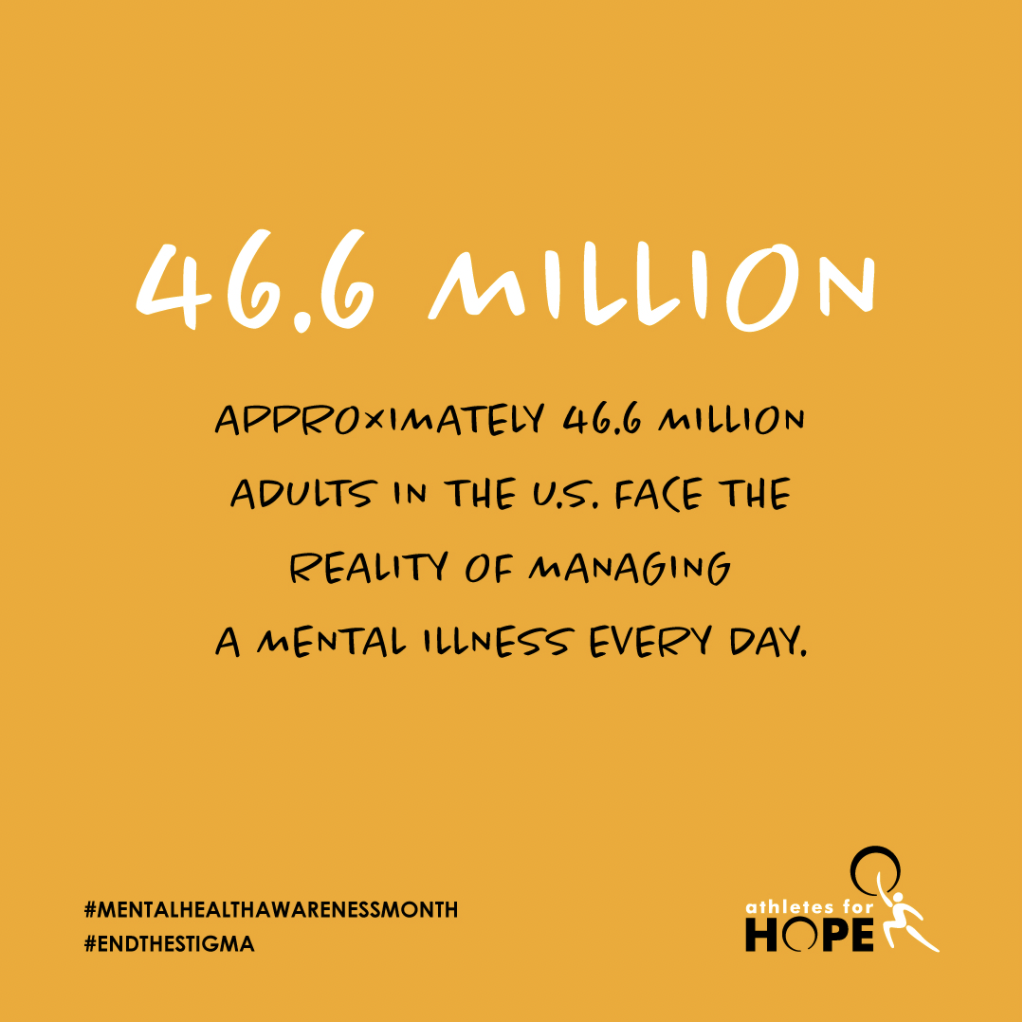
Credit: www.athletesforhope.org
Future Of Mental Health In Sports
The future of mental health in sports is promising and vital. As athletes face immense pressure, their mental well-being becomes crucial. Recognizing the importance of mental health can transform sports. Teams now prioritize psychological support. This shift aims to improve performance and overall health.
Embracing Technology For Mental Health Support
Technology plays a key role in supporting athletes’ mental health. Apps and wearable devices help track stress levels. They offer insights into emotional states. Coaches use data to tailor mental health strategies. Virtual reality offers relaxation and focus exercises. These tools make mental health support accessible.
Collaborative Efforts Between Sports Organizations
Sports organizations collaborate to enhance mental health resources. Partnerships with mental health professionals are common. Workshops and seminars educate athletes. Support networks within teams foster open communication. Athletes feel understood and supported. This collective effort strengthens mental health initiatives.
Increased Awareness And Education
Awareness about mental health is growing in sports. Education programs teach athletes about stress management. They learn to recognize signs of mental strain. Teams encourage discussions about mental health openly. This openness reduces stigma. Athletes feel empowered to seek help when needed.
Personalized Mental Health Strategies
Personalized strategies cater to individual mental health needs. Psychologists work closely with athletes to develop tailored plans. These plans address specific challenges and goals. Techniques like mindfulness and cognitive behavioral therapy are common. Athletes benefit from customized support.
Integrating Mental Health Into Training
Mental health is now part of regular training routines. Athletes practice mental exercises alongside physical training. Meditation and breathing techniques enhance focus. Mental conditioning builds resilience. This integration optimizes overall performance. Athletes maintain a balanced approach to training.
Frequently Asked Questions
Why Is Mental Health Overlooked In Athletes?
Athletes often face mental health stigmas, prioritizing physical performance. Competitive pressures and lack of awareness further contribute to this issue.
What Is The Most Common Mental Health Disorder Among Athletes?
Anxiety is the most common mental health disorder among athletes. High pressure and expectations often trigger anxiety. Athletes may experience performance anxiety, affecting their mental well-being. Addressing mental health in sports is crucial for performance and overall well-being.
What Sport Is Hardest On Mental Health?
Gymnastics often challenges mental health due to high pressure and intense competition. Athletes face anxiety, stress, and performance expectations. Mental resilience is crucial in this demanding sport.
What Do Athletes Struggle With The Most?
Athletes often struggle with mental pressure, injury recovery, balancing life and sport, and maintaining peak performance. They face challenges in managing stress and dealing with competition anxiety. Consistent motivation and focus are crucial for overcoming these struggles and achieving success.
Conclusion
Athletes face unique mental health challenges. Stress and pressure often overwhelm them. Prioritizing mental well-being is crucial. Support from coaches and peers helps. Mental health professionals offer vital guidance. Open conversations break the stigma. Small steps lead to big improvements.
Balancing mental and physical health boosts performance. Maintaining a healthy mind is essential. Athletes must recognize signs of mental distress. Early intervention makes a difference. Encourage a supportive environment for all athletes. Remember, mental health is as important as physical health.
Let’s champion athlete well-being together.








