
Imagine standing on the field, ready to give it your all, yet feeling overwhelmed by stress and anxiety. As an athlete, you know the pressure to perform is immense, but what about the toll it takes on your mental health?
You’re not alone. Many athletes silently battle mental health issues while maintaining a strong front. Understanding and addressing these challenges can make a world of difference not only in your performance but in your overall well-being. This article reveals the untold stories of athletes and mental health, offering insights and solutions that could transform your life.
Discover how you can maintain your edge while nurturing your mind. Dive in and empower yourself with knowledge that every athlete needs.
The Pressure Of Performance
Athletes face intense pressure to perform, impacting their mental health significantly. Stress can lead to anxiety and depression, affecting their overall well-being. Support systems are crucial for maintaining healthy mental states amidst competitive demands.
The world of sports is thrilling, but for athletes, it’s often fraught with immense pressure. The pressure of performance can be overwhelming, affecting not just their physical abilities but also their mental health. Athletes are expected to deliver peak performance consistently, facing scrutiny from fans, coaches, and even themselves. Understanding how this pressure impacts their mental well-being is crucial.High Expectations
Athletes are constantly under the microscope. Their every move is analyzed and critiqued. From a young age, many are told they have the potential to be the best, which can be both motivating and daunting. Consider a young footballer who feels the weight of his entire community’s hopes. The pressure to succeed can become a burden, leading to anxiety and stress. You might wonder, how can they cope with such high stakes? Setting realistic goals is key. Instead of aiming for perfection, athletes can focus on continuous improvement. This shift can alleviate some of the pressure, allowing them to enjoy the game and perform better.Impact On Mental Well-being
The pressure of performance doesn’t just stop at the field or court. It seeps into athletes’ personal lives, affecting their mental health. Anxiety, depression, and burnout are common issues many face. Imagine an athlete who struggles with self-doubt despite winning multiple championships. The pressure to maintain that level of success can lead to overwhelming stress. If you’re in a similar situation, remember that seeking help is a strength, not a weakness. Mental health support, such as counseling or therapy, can provide athletes with tools to manage pressure. Open conversations about mental health can also break the stigma, encouraging more athletes to prioritize their well-being. How do you manage pressure in your life? Considering the mental strategies athletes use might offer you valuable insights.Challenges Faced By Athletes
Being an athlete is a demanding journey filled with hurdles both on and off the field. It’s not just about physical prowess; it’s also about mental resilience. The challenges faced by athletes extend beyond training and competition, affecting their mental health significantly. You might wonder, what are these challenges that can impact an athlete’s mental state?
Stress And Anxiety
Competing at high levels brings immense pressure. Athletes often feel the weight of expectations from coaches, fans, and themselves. This pressure can lead to stress and anxiety, affecting performance. Imagine standing on the starting line, knowing one mistake could cost you everything. How do you cope with such stress?
Some athletes share that visualization and mindfulness techniques help them stay calm. They focus on the process rather than the outcome. This shift in mindset can alleviate stress and anxiety, fostering a healthier mental state.
Injury And Recovery
Injuries are a harsh reality in sports. They don’t just affect the body; they impact the mind too. Athletes may feel frustrated and helpless during recovery periods. The fear of not returning to their peak form can be overwhelming.
Consider the story of an athlete who spent months in rehabilitation, battling not just physical pain but also feelings of isolation. It’s crucial to address these emotional aspects. Engaging in community support groups and therapy can aid in recovery, providing mental strength alongside physical healing.
Balancing Personal And Professional Life
Juggling a sports career with personal life is challenging. Athletes often struggle to find time for family and hobbies. This imbalance can lead to feelings of loneliness and burnout.
One athlete shared how setting clear boundaries helped them maintain a balance. Dedicating specific times for family and rest ensured they could recharge mentally. How do you maintain balance in your life?
Understanding these challenges is the first step towards addressing them. Whether you’re an athlete or someone supporting one, recognizing the importance of mental health is vital. Are you prepared to prioritize mental well-being in your sporting journey?
Stigma Around Mental Health In Sports
Athletes often face stigma when discussing mental health issues. Many struggle with pressure and expectations, leading to anxiety. Open conversations and support are crucial for their well-being.
The stigma surrounding mental health in sports is a silent adversary that many athletes grapple with. Despite the increasing awareness of mental health issues, the world of sports often remains trapped in outdated perceptions. Many athletes feel compelled to hide their struggles, fearing repercussions that could affect their careers and personal lives. Addressing these stigmas is crucial for the well-being of athletes everywhere.Cultural Barriers
Cultural barriers play a significant role in the stigma attached to mental health in sports. In many cultures, athletes are expected to exhibit strength and resilience at all times. Acknowledging mental health challenges might be seen as a sign of weakness. Consider your favorite athlete. Have you ever wondered what pressures they face behind the scenes? The fear of appearing vulnerable often prevents athletes from seeking help. Breaking down these cultural barriers requires education and empathy. Encourage open conversations about mental health, and you might start seeing a shift in the narrative.Fear Of Judgment
Fear of judgment is another hurdle athletes encounter when dealing with mental health issues. They worry about being labeled as unstable or unreliable by coaches, teammates, and fans. This fear can be paralyzing. Imagine if you had to perform at your peak while battling internal struggles. Would you be comfortable sharing your feelings? Many athletes choose silence over the risk of judgment. To combat this, fostering a supportive environment is essential. When you express understanding and compassion, it becomes easier for athletes to speak up. Your support can be the key to breaking the chains of fear. What steps can you take to help athletes feel secure in discussing their mental health? Engage with this question and be a part of the change.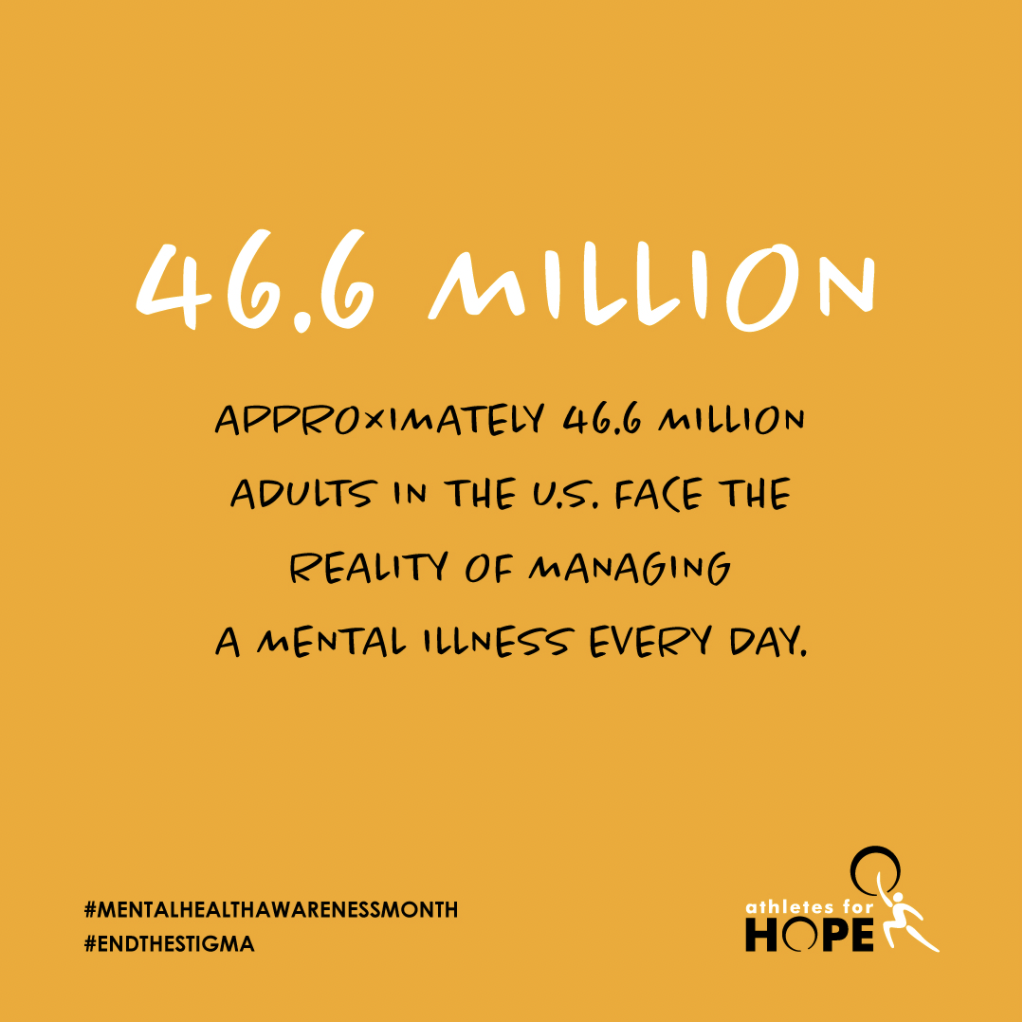
Credit: www.athletesforhope.org
Prominent Athletes Advocating Change
In recent years, the conversation around athletes and mental health has evolved dramatically. Prominent athletes are stepping into the spotlight not just for their prowess on the field, but for their courage in addressing mental health challenges. By sharing their personal stories and advocating for change, these athletes are influencing public perception and encouraging a more open dialogue about mental well-being.
Personal Stories
Many athletes have shared their personal battles with mental health, giving a face to struggles that often remain hidden. Michael Phelps, for example, has openly discussed his experience with depression, emphasizing the importance of seeking help. His story resonates with many, illustrating that success in sports doesn’t shield one from mental health issues.
Similarly, tennis star Naomi Osaka has spoken about her anxiety, particularly in high-pressure environments. Her candidness not only highlights the psychological demands of competitive sports but also encourages others to prioritize their mental health. These stories show the strength in vulnerability, prompting you to think about your own mental wellness.
Impact On Public Perception
The advocacy of these athletes has significantly impacted how society views mental health. When someone like Kevin Love shares his panic attack experience, it challenges the stigma and sparks conversations. Suddenly, mental health isn’t just a personal issue but a public concern that requires collective awareness and action.
The shift in perception is evident in the increased media coverage and fan support for mental health initiatives. You might notice more discussions about stress management and emotional resilience in sports commentary. As athletes continue to advocate for mental health awareness, they empower you to consider how you can support those around you facing similar challenges.
So, what can you do to further this positive change? Listening to these stories can be a starting point. Recognize the courage it takes for athletes to share their truth and think about how you can contribute to a supportive environment. By embracing these conversations, you become part of a movement that values mental health as much as physical prowess.
Role Of Coaches And Teams
Coaches and teams play a key role in athletes’ mental health. They are often the first line of support. Their influence goes beyond physical training. A supportive coach can boost an athlete’s mental strength. Teams offer a sense of belonging. This can greatly impact an athlete’s well-being. Understanding the role of coaches and teams is crucial. It helps in nurturing both mental and physical health.
Creating Supportive Environments
A supportive environment encourages open communication. Coaches should listen to athletes. They need to understand their challenges. This builds trust and safety. Teams should promote mutual respect. Athletes should feel valued. This reduces stress and anxiety. A positive atmosphere can improve mental health. It also enhances performance.
Training For Mental Resilience
Mental resilience is as important as physical strength. Coaches should integrate mental training into routines. This helps athletes handle pressure. Mental exercises build focus and discipline. Teams should emphasize positive thinking. Encouraging athletes to face challenges. Resilience training fosters confidence. It prepares athletes for setbacks and victories alike.

Credit: gmufourthestate.com
Mental Health Resources For Athletes
Athletes face unique mental health challenges. The pressure to perform can be overwhelming. Balancing sports, personal life, and mental well-being is crucial. Thankfully, many resources are available to support athletes. These resources focus on maintaining and improving mental health.
Access to the right tools and support can make a difference. Athletes need guidance tailored to their specific needs. Let’s explore some effective mental health resources for athletes.
Counseling And Therapy
Counseling offers a safe space to express feelings. It’s vital for athletes to discuss their struggles. Professional therapists understand the demands of sports life. They provide strategies to cope with stress and anxiety.
Therapy sessions can be one-on-one or group-based. Group therapy allows athletes to share experiences. Individual sessions focus on personal needs. Both formats help in building resilience and mental strength.
Mindfulness And Meditation
Mindfulness helps athletes stay focused. It teaches them to live in the present moment. Meditation is a powerful tool to calm the mind. It reduces stress and enhances concentration.
Regular practice of mindfulness can improve performance. Athletes learn to manage emotions better. Guided meditation sessions are easily accessible. Many athletes incorporate these practices into their daily routines.
Embracing mindfulness and meditation leads to a balanced life. It promotes mental clarity and overall well-being.
Future Of Mental Health In Sports
Athletes face growing awareness about mental health challenges, reshaping support systems. Sports organizations prioritize mental wellness, creating healthier environments for athletes. Enhanced access to mental health resources empowers athletes to balance performance and personal well-being effectively.
The future of mental health in sports looks promising and dynamic. Increasing awareness among athletes and coaches highlights the need for mental well-being. Many organizations now prioritize mental health alongside physical training. This shift can change the sports landscape.Innovative Approaches
Experts develop new methods to support athletes’ mental health. Technology plays a big role. Apps and platforms offer mindfulness exercises and therapy sessions. Virtual reality helps athletes visualize positive outcomes. Teams hire mental health professionals for support. These experts guide athletes in handling stress and pressure. Emotional resilience becomes part of training routines.Policy And Advocacy
Sports organizations create policies for mental health support. They ensure athletes access help without stigma. Policies focus on education and awareness programs. Athletes learn to recognize mental health signs. Advocacy groups push for better support systems. They work with sports bodies to create safe environments. Athletes’ voices become stronger in policy discussions. This leads to positive changes.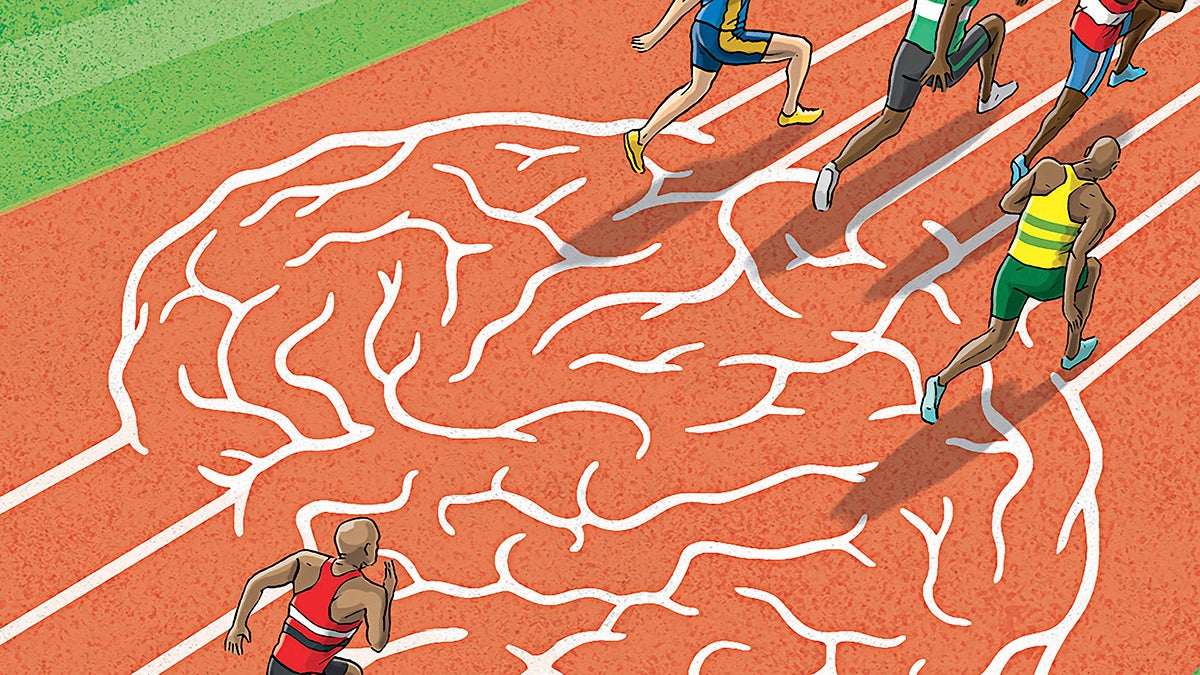
Credit: live-global-sport-matter.ws.asu.edu
Frequently Asked Questions
How Does Being An Athlete Affect Mental Health?
Being an athlete boosts mental health by reducing stress and anxiety. It enhances mood through endorphin release. Athletes develop strong discipline and resilience, improving self-esteem. Social interactions in sports foster a sense of belonging, combating loneliness. Regular physical activity sharpens focus and cognitive function.
What Is Athletic Depression?
Athletic depression is a mental health condition affecting athletes. It involves feelings of sadness, low energy, and loss of interest in sports. Stress, injury, or retirement can trigger it. Early recognition and professional help are crucial for recovery. Maintaining mental well-being supports athletic performance and overall life quality.
What Is The Most Common Mental Health Disorder Among Athletes?
The most common mental health disorder among athletes is anxiety. It affects their performance and well-being. Athletes face pressure from competition and expectations, leading to stress and anxiety. Managing mental health is crucial for maintaining peak performance and overall health.
What Sport Is Hardest On Mental Health?
Gymnastics, due to its high-pressure environment and emphasis on perfection, can be tough on mental health. Athletes face intense training, strict discipline, and constant judgment, which can lead to stress and anxiety. Balancing performance expectations and personal well-being is challenging in this sport.
Conclusion
Supporting athletes’ mental health is crucial. Stress affects their performance and well-being. By prioritizing mental health, athletes can achieve balance. They gain strength to face challenges. Coaches and teams should provide resources. This helps athletes stay healthy and focused. Conversations about mental health should be open.
This promotes understanding and reduces stigma. Athletes need supportive environments. Everyone benefits when mental wellness is valued. Emphasizing mental health leads to better outcomes. It fosters resilience and confidence. Remember, mental health is as important as physical health. Together, we can create positive changes for athletes worldwide.








