
Imagine standing at the starting line, your heart pounding like a drum, your mind racing with thoughts. As an athlete, you know the pressure to perform is relentless.
Yet, there’s a topic often whispered about but rarely addressed openly: your mental health. It’s easy to focus on physical strength, but what about the mind? Your mental well-being is just as crucial to your performance and overall happiness. When you dive into the world of athlete mental health, you uncover strategies that can enhance both your game and your life.
This is not just about winning medals; it’s about nurturing a healthier, balanced you. Curious about how mental health plays a role in your athletic journey? Let’s explore the unseen side of sports that could change the way you approach your game.
Mental Health In Sports
Athletes often face mental health challenges, impacting their performance and well-being. Stress from competition can lead to anxiety and depression. Support systems and awareness are crucial for their mental health.
Mental health in sports is a crucial topic that often doesn’t get the attention it deserves. Many athletes are celebrated for their physical strength, yet their mental resilience is equally, if not more, important. Balancing the pressures of competition, expectations, and personal life can be overwhelming, making mental health a key component of an athlete’s overall well-being.Understanding The Pressures Athletes Face
Athletes experience immense pressure, both on and off the field. They are expected to perform at their peak while managing the expectations of coaches, fans, and themselves. This pressure can lead to anxiety, stress, and even burnout. Have you ever wondered how these individuals cope with such high expectations?Recognizing The Signs Of Mental Health Struggles
It’s essential to recognize when an athlete is struggling mentally. Changes in behavior, mood swings, and withdrawal from activities can be warning signs. Encouraging open conversations about mental health can help athletes feel supported. Are you attentive to these signs in the athletes around you?Strategies For Supporting Athlete Mental Health
Support systems play a crucial role in maintaining mental health. Coaches, teammates, and family members can offer invaluable encouragement and understanding. Implementing mental health resources, such as counseling and workshops, can also be beneficial. What strategies do you think would be most effective in supporting athletes?The Role Of Social Media In Athlete Mental Health
Social media can be a double-edged sword for athletes. While it offers a platform for self-expression and connection, it can also expose athletes to criticism and negativity. Managing social media use is crucial to maintaining a healthy mental state. How do you think social media impacts athletes’ mental well-being?Personal Story: Learning From Experience
I once met a professional swimmer who openly shared his struggles with anxiety. He emphasized the importance of seeking help and building a strong support network. His story inspired me to appreciate the courage it takes to address mental health issues. Do you have a personal story that has shaped your understanding of athlete mental health? Understanding and addressing mental health in sports is vital. As a reader, consider how you can contribute to a supportive environment for athletes. Let’s prioritize mental well-being as much as physical prowess. What steps will you take to make a difference?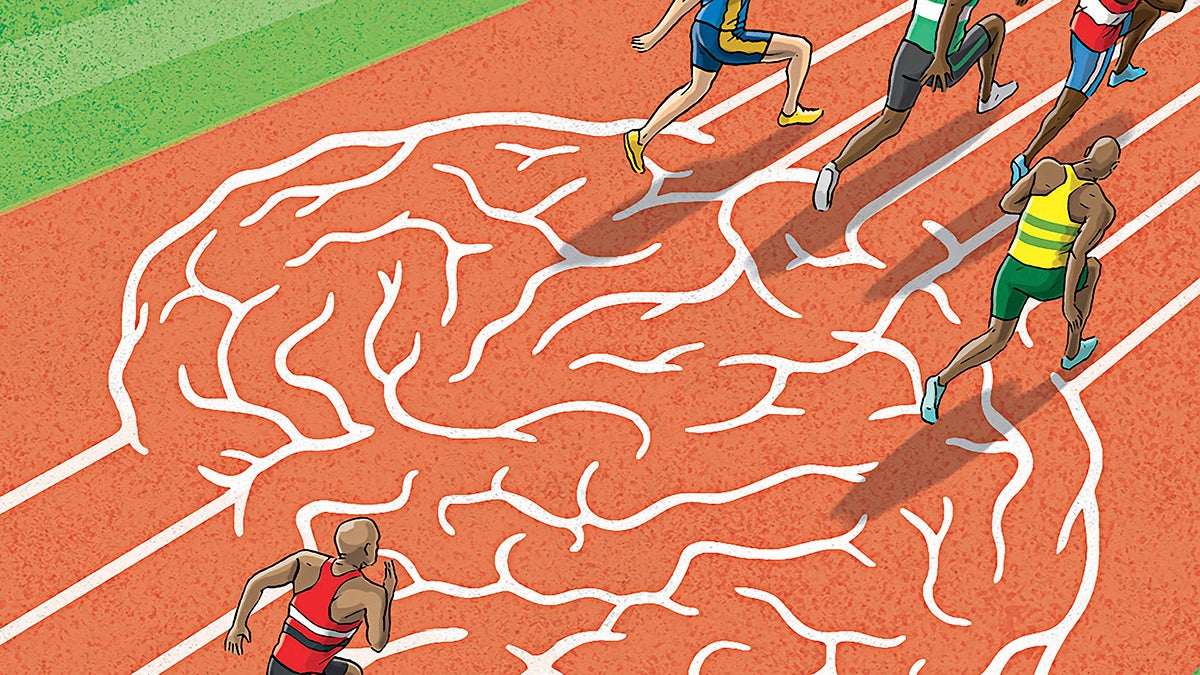
Credit: live-global-sport-matter.ws.asu.edu
Challenges Athletes Face
Athletes encounter tough mental challenges daily. Stress from competition, fear of failure, and pressure to succeed can weigh heavily. Balancing sport demands with personal life often strains mental well-being.
Athletes often find themselves navigating a complex landscape of mental health challenges. Their lives can seem glamorous, filled with accolades and achievements. But beneath the surface, they face unique pressures that can impact their mental well-being. These challenges are multifaceted and can affect their performance, recovery, and personal lives.Pressure To Perform
The pressure to perform can be overwhelming. Athletes are expected to deliver consistent results and exceed expectations. Imagine standing in a stadium, thousands of eyes watching your every move. This intense scrutiny can lead to anxiety and stress. You might wonder how athletes cope with this pressure. Some use mindfulness techniques, while others rely on support from coaches and peers. It’s crucial to find strategies that work for you. The fear of failure is another aspect of this pressure. It can lead athletes to question their self-worth. Have you ever felt that your best efforts weren’t good enough?Injury And Recovery
Injuries are a harsh reality for athletes. They can derail careers and impact mental health. Recovery periods are often filled with uncertainty and frustration. Consider the story of an athlete who faced a career-ending injury. They had to redefine their identity beyond their sport. How would you handle such a pivotal moment? Coping mechanisms vary. Some athletes focus on rehabilitation, setting small milestones to regain confidence. Others find solace in new hobbies or support groups.Balancing Personal Life
Balancing personal life with athletic commitments is a constant juggling act. Athletes often sacrifice personal time for training and competitions. This can strain relationships and lead to isolation. Think about an athlete who missed important family events for training camps. The emotional toll can be significant. Have you ever felt torn between obligations? Finding balance requires prioritizing and setting boundaries. Communicating openly with loved ones can help maintain healthy relationships. How do you manage your personal commitments? Athletes, like everyone else, need to address these challenges proactively. Recognizing and understanding them is the first step towards maintaining mental health. What steps can you take today to support your mental well-being?Impact Of Mental Health On Performance
Athlete mental health plays a key role in performance. It affects focus, motivation, and stress levels. Strong mental health boosts athletic success. Poor mental health can lead to struggles on the field. Understanding this impact is crucial for athletes.
Focus And Concentration
Focus is vital for athletes during competitions. Mental health directly affects concentration levels. Anxiety can scatter thoughts. Depression might cause distraction. Clear focus helps athletes make quick decisions. Good mental health supports sharp concentration.
Motivation And Drive
Motivation pushes athletes to train hard. Mental health influences drive. When feeling low, athletes may lack energy. Enthusiasm drops without mental strength. Positive mental health fuels ambition. It ignites passion for the sport.
Stress And Anxiety Management
Stress management is crucial for athletes. High pressure leads to anxiety. Mental health tools help control stress. Calm minds handle pressure better. Relaxation techniques improve performance. They allow athletes to stay composed.
Building Resilience
Athlete mental health thrives through resilience. Building resilience helps athletes cope with stress and challenges. It strengthens mental well-being, enhancing performance and focus.
Building resilience is crucial for athletes facing the intense pressures of competition. It’s not just about physical strength; mental fortitude plays a vital role in achieving success. Developing resilience helps you bounce back from setbacks and maintain your focus and motivation. Let’s explore how you can strengthen your resilience with a positive mindset, overcome obstacles, and regulate your emotions effectively.Positive Mindset
Cultivating a positive mindset is essential for building resilience. Start by focusing on what you can control, like your effort and attitude. Shift your perspective to see challenges as opportunities. Embrace growth and learning from every experience, whether it’s a win or a loss. Consider the impact of positive affirmations. Just as you train your body, train your mind to believe in your abilities and potential. What happens when you start believing you can overcome any hurdle?Overcoming Setbacks
Setbacks are inevitable, but how you respond to them defines your resilience. Analyze what went wrong and identify areas for improvement. Develop a flexible approach to problem-solving. If one strategy fails, adapt and try another. This adaptability keeps you moving forward. Think about a time when you faced a setback and emerged stronger. Draw strength from that experience and let it fuel your drive to succeed.Emotional Regulation
Managing your emotions is key to resilience. Recognize your feelings and find healthy ways to express them. Use techniques like deep breathing or visualization to calm your mind during high-pressure situations. These practices help maintain focus and reduce stress. Reflect on your emotional responses. Are they helping or hindering your performance? Adjusting how you react can make all the difference in staying composed and resilient. By actively working on these areas, you can build resilience that not only enhances your athletic performance but also enriches your life beyond sports. What steps will you take today to strengthen your resilience?Support Systems
Athletes face intense pressure and challenges. Their mental health matters. Support systems play a crucial role in maintaining their well-being. These systems provide guidance and stability. They offer a safe space for athletes to express feelings. This section explores various support networks.
Coaches And Mentors
Coaches are pivotal figures in an athlete’s life. They guide and motivate athletes. Coaches often notice changes in behavior. They can offer advice or take action. Mentors provide wisdom from experience. They help athletes navigate tough situations. Mentors share insights on balancing sport and life.
Family And Friends
Family offers unconditional love and support. They provide comfort during tough times. Friends help athletes relax and have fun. They offer a listening ear and genuine advice. Social interactions with friends reduce stress. Having a trusted circle is vital for mental health.
Mental Health Professionals
Mental health professionals bring expertise. They understand the unique needs of athletes. Psychologists and therapists help manage stress and anxiety. Professionals provide tools to cope with pressure. They create personalized strategies for mental resilience. Regular sessions with experts strengthen mental health.

Credit: www.trine.edu
Mindfulness And Meditation
Athlete mental health benefits from mindfulness and meditation practices. These techniques help reduce stress and improve focus. They also support emotional balance, enhancing overall performance and well-being.
Mindfulness and meditation have become essential tools for athletes striving for peak performance. These practices offer more than just moments of calm; they bring clarity and focus into the often hectic world of sports. By integrating mindfulness and meditation into their routines, athletes can enhance their mental well-being and achieve greater success on and off the field.Benefits Of Mindfulness
Mindfulness helps athletes stay present and focused. This can be crucial during high-pressure moments in games or competitions. It reduces stress and anxiety, leading to improved mental clarity. Mindfulness also fosters emotional resilience. Athletes who practice mindfulness are better equipped to handle setbacks. They can maintain a positive attitude even in challenging situations. Furthermore, mindfulness can enhance your physical performance. A focused mind leads to better decision-making and precision. This gives you an edge over competitors.Techniques For Meditation
Start with simple breathing exercises. Focus on your breath and let go of distractions. This can be done anywhere, anytime. Guided imagery can also be beneficial. Visualize successful outcomes in your sport. This builds confidence and reinforces positive thinking. Body scan meditation helps you connect with your body. It increases your awareness of physical sensations. This can improve your body control and movement efficiency.Incorporating Mindfulness In Training
Add mindfulness exercises to your warm-up routine. Spend a few minutes focusing your mind before physical activity. This sets a positive tone for the session. During training, practice being fully present. Focus on each movement and sensation. This enhances muscle memory and concentration. Reflect on your performance afterwards. Consider what went well and areas for improvement. This mindful reflection supports continuous growth and adaptation. Have you tried adding mindfulness and meditation to your training? What changes have you noticed? Engage with these practices and observe how they transform your athletic journey.Nutrition And Mental Health
Balanced nutrition plays a crucial role in supporting athlete mental health. Essential nutrients like omega-3 fatty acids and vitamins can boost mood and mental clarity. Eating well helps athletes manage stress and maintain focus during competitions.
Athletes often focus on physical training but might overlook a crucial element—nutrition’s impact on mental health. As you strive for peak performance, it’s essential to understand how what you eat affects your mind. Balancing your diet can boost your mood, enhance your mental clarity, and support overall well-being.Role Of Diet In Mental Well-being
Your diet plays a significant role in your mental health. Consuming a variety of nutrients helps regulate brain chemicals that influence mood and stress levels. Think of it as fuel for your brain—quality matters. A balanced diet rich in vitamins, minerals, and healthy fats can improve your mental resilience. Athletes who eat well often experience better focus and reduced anxiety. Have you ever noticed feeling more irritable or anxious after a day of poor eating?Foods To Enhance Mood
Certain foods can naturally boost your mood. Omega-3 fatty acids, found in fish like salmon, are known for their mood-enhancing properties. These fats support brain health and can help alleviate symptoms of depression. Whole grains, rich in complex carbohydrates, can also stabilize your mood by maintaining steady blood sugar levels. Adding fruits, vegetables, and nuts to your diet provides antioxidants and essential nutrients for mental health. Imagine starting your day with a bowl of oatmeal topped with berries and almonds, setting a positive tone for the day.Hydration And Mental Clarity
Hydration is often underestimated but crucial for mental clarity. Dehydration can lead to fatigue, confusion, and mood swings. Drinking enough water daily helps maintain concentration and energy levels. Consider carrying a water bottle to track your intake. Even mild dehydration can affect your cognitive performance. Next time you’re feeling sluggish, ask yourself—have you had enough water today? Your mental well-being can significantly improve with the right nutrition. Small, mindful changes to your diet and hydration habits can lead to noticeable differences in how you feel and perform. Are you ready to make nutrition a priority in your mental health journey?Sleep And Recovery
Athletes need good sleep for mental health. Rest helps the mind recover, reducing stress and improving focus. Prioritizing quality sleep supports emotional balance and enhances performance.
Athlete mental health is a crucial aspect of overall performance, yet often overlooked. A vital part of this is sleep and recovery. These two elements are not just about resting the body; they play a significant role in maintaining a sharp mind and balanced emotions. Without adequate sleep and effective recovery techniques, you might struggle to stay focused and motivated. This can affect both your training sessions and competitive events. Let’s explore how you can enhance your sleep and recovery, ensuring you perform at your best both physically and mentally.Importance Of Sleep
Sleep is not just a passive state. It’s an active period where your brain processes information and your body repairs itself. Consistent sleep patterns can improve your mood, increase energy levels, and sharpen your mental clarity. During sleep, your body releases growth hormones that aid in muscle repair and growth. Consider how you feel after a restless night. It’s hard to concentrate, isn’t it? This is because lack of sleep affects your cognitive functions. Just like training your muscles, your brain needs rest to function optimally. Prioritizing sleep is as important as your workout routine.Strategies For Better Sleep
Creating a sleep-friendly environment is key. Ensure your room is dark, quiet, and cool. This helps your body get into a restful state faster. Avoid screens at least an hour before bedtime. The blue light emitted can disrupt your sleep cycle. Establish a bedtime routine. Try reading or meditation to wind down. These activities signal to your body that it’s time to relax. If you struggle to fall asleep, keep a sleep journal. Track your habits and identify any patterns affecting your sleep quality.Recovery Techniques
Recovery is more than just sleeping. It’s about allowing your body to heal and build resilience. Active recovery methods, like stretching or light walking, can be beneficial. They keep blood flowing to muscles and prevent stiffness. Nutrition plays a vital role in recovery. Fuel your body with proteins and carbs post-workout. They help repair muscle fibers and replenish energy stores. Consider hydration as well—water is crucial for muscle function and recovery. Have you ever tried mindfulness exercises? They can enhance recovery by reducing stress levels and improving focus. These techniques can be integrated into your daily routine, helping you maintain mental balance and physical readiness. Incorporating these strategies can make a significant difference in your performance. How will you prioritize sleep and recovery in your training plan?Goal Setting And Motivation
Athletes face intense physical demands, but mental strength is crucial too. Goal setting and motivation are key for athletes to thrive. Setting clear goals helps athletes focus. Motivation drives them forward, even during tough times. Together, they create a roadmap for success.
Setting Achievable Goals
Goals must be realistic and attainable. Break big goals into smaller steps. This makes them less daunting. For example, aim to improve a skill each week. This builds confidence and encourages progress. Celebrate small victories to stay motivated.
Maintaining Motivation
Stay motivated by finding personal reasons for your goals. Passion fuels perseverance. Surround yourself with supportive people. Coaches and teammates can uplift spirits. Visualize success to maintain focus. Remind yourself why you started. Keep your eye on the prize.
Tracking Progress
Regularly track your progress. Use a journal or app to record achievements. This shows how far you’ve come. It highlights areas needing improvement. Adjust your goals as necessary. This keeps them relevant and challenging. Tracking boosts motivation and self-awareness.

Credit: hbr.org
Seeking Professional Help
Athlete mental health is a topic gaining much-needed attention. Seeking professional help is a crucial step for athletes who might be struggling with mental challenges. It’s not a sign of weakness but a proactive approach to maintaining peak performance. Imagine being on the field, but your mind is elsewhere. Professional support can guide you back to focus and excellence.
When To Seek Help
Recognizing the right time to seek help can be tricky. You might feel stressed, anxious, or unable to focus. These are signals that something needs attention. If these feelings persist and impact your performance or daily life, it might be time to reach out.
Consider a personal story. An athlete once shared how they ignored stress until it affected their game. Seeking help transformed their approach, highlighting that addressing mental health early is crucial.
Ask yourself: Are you feeling overwhelmed? Is your performance dropping? These questions can guide your decision to seek help.
Types Of Therapy
There are various therapy options available. Cognitive Behavioral Therapy (CBT) helps in changing negative thought patterns. It’s like a mental workout, strengthening your mind.
Mindfulness practices offer another route. They teach you to live in the moment, reducing stress. Imagine focusing solely on your breath, and letting go of distractions. This can be powerful.
You might also consider group therapy. Sharing experiences with peers who understand your struggles can be comforting. It creates a support network.
Benefits Of Counseling
Counseling offers numerous benefits. It provides a safe space to express feelings without judgment. This openness can be incredibly freeing.
You gain coping strategies tailored to your needs. An athlete once learned relaxation techniques that improved their pre-game anxiety. These strategies can be game-changers.
Moreover, counseling can boost confidence. As you work through mental barriers, you might find renewed energy and motivation. Imagine stepping onto the field with a clear mind and strong spirit.
Seeking professional help is about building resilience and strength. It’s an investment in your future, ensuring you thrive both mentally and physically. Are you ready to take that step?
Frequently Asked Questions
How Does Being An Athlete Affect Your Mental Health?
Being an athlete boosts mental health by reducing stress and anxiety. It enhances mood and cognitive function. Athletes often experience increased self-esteem and motivation. Physical activity releases endorphins, promoting happiness. Social interactions in sports foster a sense of belonging. However, pressure and expectations can sometimes lead to mental health challenges.
What Is The Most Common Mental Health Disorder Among Athletes?
Anxiety disorders are the most common mental health issue among athletes. These disorders can affect performance and well-being. Depression and eating disorders are also prevalent in the sports community. Early intervention and support are crucial for athletes struggling with mental health challenges.
How Many Athletes Quit Their Sport Because Of Mental Health?
Exact numbers vary, but many athletes quit due to mental health issues. Awareness is increasing about this challenge. High-profile cases highlight the importance of mental well-being in sports. More support systems are now available for affected athletes.
Why Don’t Athletes Seek Mental Health?
Athletes often avoid seeking mental health support due to stigma, fear of appearing weak, and lack of awareness. They might worry about their career impact or believe they should handle issues independently. Encouraging open conversations and providing accessible resources can help break these barriers.
Conclusion
Athlete mental health needs attention and care. It’s crucial for performance and well-being. Support systems play a vital role. Coaches, families, and friends can make a big difference. Encouraging open conversations helps athletes feel understood. Mental health professionals provide necessary guidance.
Training the mind is as important as the body. Balance can lead to better outcomes. Recognizing signs of stress or anxiety is key. Early intervention can prevent bigger issues. Every athlete deserves to thrive in a supportive environment. Prioritizing mental health promotes long-lasting success and happiness.
Let’s foster a culture of care and understanding.








