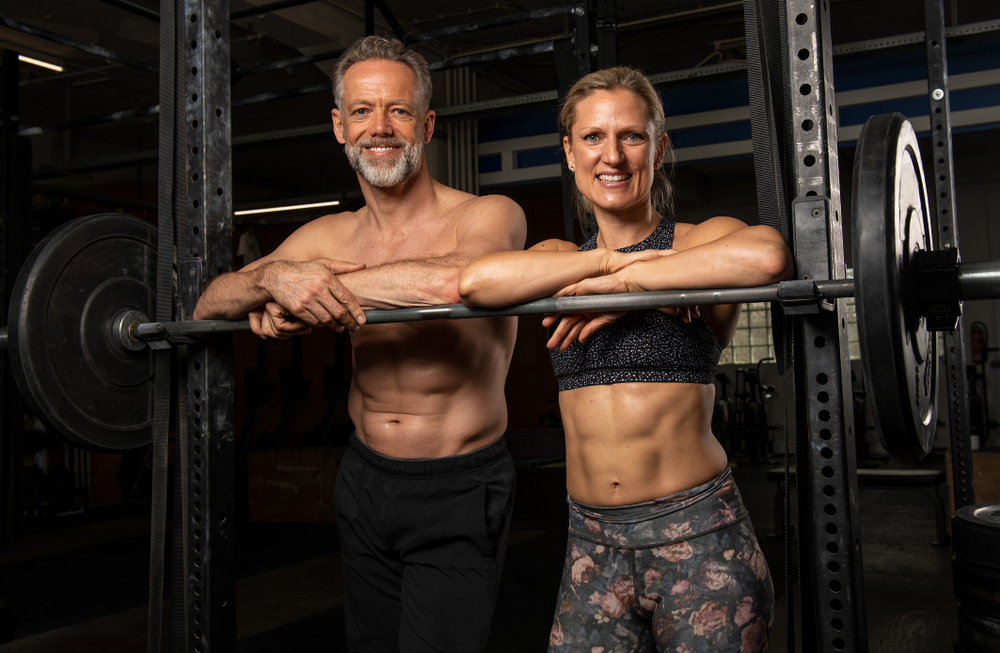
Have you ever wondered at what age you should stop building muscle? It’s a question that might have crossed your mind as you’ve noticed subtle changes in your body over the years.
Whether you’re a fitness enthusiast or just beginning your journey to a healthier lifestyle, understanding the nuances of muscle growth at different ages can be crucial. You might think that muscle building is only for the young, but that’s far from the truth.
Your body is capable of building muscle at various stages of life, and knowing how to leverage that ability can significantly impact your overall well-being. We’ll dive into the science behind muscle growth as you age, dispel common myths, and reveal strategies to help you maintain and even enhance your muscle mass. Don’t let age be a barrier; instead, see it as an opportunity to redefine your strength and vitality. Whether you’re in your thirties, forties, or beyond, stay tuned to discover how you can keep your muscles strong and healthy for years to come.

Credit: www.youtube.com
Muscle Growth And Aging
Muscle growth doesn’t stop at a certain age. Aging impacts how muscles develop and maintain. As we age, several factors influence muscle growth. Understanding these factors helps manage expectations and health goals.
Biological Factors
Our bodies change as we age. Muscle fibers become less efficient. This affects muscle growth. Older adults may experience slower recovery times. Cells responsible for muscle repair work less effectively.
Protein synthesis decreases with age. This slows down muscle building. It’s important to focus on nutrition and exercise. These help counteract biological changes.
Role Of Hormones
Hormones play a key role in muscle growth. Testosterone and growth hormone levels decline with age. This impacts muscle building. These hormones help repair and grow muscles. Lower levels can make muscle growth challenging.
Exercise can help stimulate hormone production. Weight training and high-intensity workouts are beneficial. They can help maintain hormone levels in older adults.
Impact Of Genetics
Genetics influence muscle growth. Some people build muscle easily. Others may struggle despite efforts. Genetic factors impact how muscles respond to exercise. They also affect recovery and repair processes.
Understanding genetic predispositions can guide training. Tailored exercise programs can help maximize muscle growth. It’s important to focus on what works best for your body.
Peak Muscle Building Years
Understanding muscle building stages helps in optimizing fitness goals. Different ages have unique muscle growth potentials. The body’s ability to build muscle changes over time. Knowing peak muscle building years can guide training strategies.
Teenage Years
Teenagers experience rapid growth due to hormonal changes. Testosterone plays a key role in muscle development. Strength training during these years can yield impressive results. Muscles respond well to exercise stimuli. Regular workouts establish a strong foundation. Balanced nutrition supports muscle growth. Teens should focus on form and technique. Avoid heavy weights to prevent injury.
Twenties And Thirties
Muscle building peaks in the twenties and thirties. Metabolism is still high, aiding muscle development. Consistent strength training enhances muscle size. This period offers optimal recovery and growth. Nutrient-rich diets boost muscle synthesis. Protein intake becomes crucial for growth. In the thirties, muscle building slows but remains effective. Regular exercise maintains muscle mass. It’s vital to include varied workouts.
Challenges After Forty
Building muscle after forty presents unique challenges. The body undergoes significant changes. These changes affect muscle growth and recovery. People over forty often notice a shift in their physical capabilities. The journey to maintain muscle becomes more complex.
Metabolic Changes
Metabolism slows down with age. This affects how the body processes nutrients. Muscle growth requires efficient nutrient absorption. A slower metabolism can hinder this process. It also means fewer calories burned daily. This change necessitates adjustments in diet and exercise.
Protein becomes crucial. It supports muscle repair and growth. Consider increasing protein intake. Focus on nutrient-rich foods. These support metabolism and muscle health.
Decreased Recovery Rate
Recovery time increases after forty. Muscles take longer to heal post-exercise. This can limit workout frequency and intensity. Adequate rest becomes essential. It helps prevent injury and supports muscle growth.
Listening to your body is vital. Adjust workouts based on recovery needs. Include rest days in your routine. This ensures muscles recover fully. Stretching and gentle exercises aid recovery. They enhance flexibility and reduce soreness.

Credit: www.instagram.com
Myth Of Muscle Loss With Age
As we age, many of us worry about losing muscle and strength, believing it’s a natural part of getting older. But is this really the case? The idea that muscle loss is inevitable as you age is a common myth. While it’s true that muscle mass can decrease, the extent and inevitability of this loss are often exaggerated. Let’s dive into what research and real-life cases reveal about muscle loss as we age.
Research Findings
Research indicates that muscle loss is not solely a factor of age. Lifestyle choices play a significant role. Studies show that regular resistance training can maintain muscle mass well into your later years.
Consider a study published in the Journal of Aging and Physical Activity. It found that individuals who engaged in weight training saw minimal muscle loss compared to those who didn’t. This suggests that you have control over your muscle health.
Another study from the National Institute of Health found that nutrition is crucial. Consuming adequate protein can support muscle maintenance, regardless of age. So, what are you eating to fuel your muscles?
Case Studies
Real-life examples can be eye-opening. Look at Charles, a 70-year-old who started weightlifting in his 60s. He not only maintained his muscle mass but also improved his strength.
Then there’s Susan, who feared muscle loss in her 50s. By incorporating regular exercise and proper nutrition, she defied the odds, keeping her muscles robust.
These stories highlight the power of determination and lifestyle choices. Are you willing to challenge the myth and take action to preserve your muscles?
Ultimately, age does not dictate your muscle health as much as your lifestyle choices do. You can continue to build and maintain muscle at any age with the right approach.
Strategies For Continued Muscle Building
Muscle building can continue well into later years with the right strategies. Age alone doesn’t halt progress. Consistent exercise, balanced nutrition, and adequate rest play crucial roles in maintaining and gaining muscle mass over time.
As we age, building muscle becomes more challenging. Yet, with the right strategies, muscle growth continues at any age. Understanding key elements can help maintain and enhance muscle mass. This includes strength training, proper nutrition, and adequate rest.Strength Training
Strength training remains essential for muscle growth at any age. Focus on compound exercises like squats and deadlifts. These exercises engage multiple muscle groups. Use resistance bands or weights to increase intensity. Consistency is key. Aim for two to three sessions per week. Gradually increase weights for continued progress. Always ensure proper form to avoid injuries.Nutrition And Supplements
Nutrition plays a crucial role in muscle development. Consume protein-rich foods like chicken, eggs, and beans. Protein aids muscle repair and growth. Include healthy fats and carbohydrates for energy. Consider supplements if necessary. Whey protein and creatine support muscle building. Always consult a healthcare professional before starting supplements.Rest And Recovery
Rest is vital for muscle repair. Ensure 7-9 hours of sleep per night. Quality sleep supports growth hormone production. Rest days are as important as workout days. Allow muscles time to recover and grow. Overtraining can lead to injury and hinder progress. Listen to your body. Adjust workout intensity if needed.The Role Of Lifestyle Choices
Muscle building remains possible even past the age of 50. Lifestyle choices greatly impact muscle maintenance. Consistent exercise and a balanced diet play crucial roles. Prioritizing these can help individuals maintain muscle mass as they age.
The journey to building muscle doesn’t have a strict age limit, but your lifestyle choices play a crucial role in how effectively you can maintain or build muscle as you age. While genetics set the stage, the decisions you make every day can help you defy the odds. From what you eat to how you manage stress, these choices can either support or hinder your muscle-building efforts.Importance Of Consistency
Consistency is your best friend in muscle building. Regular exercise ensures that your muscles are continuously challenged. Missing workouts or skipping strength training sessions can set you back. Have you ever noticed how easy it is to lose momentum after a break? The key is to establish a routine that fits your lifestyle. Whether it’s a morning jog or an evening weightlifting session, find what works for you. Consistency doesn’t just apply to exercise. Eating a balanced diet with enough protein is equally important. Consider setting meal plans to ensure you’re fueling your body with the nutrients it needs.Impact Of Stress And Sleep
Stress and lack of sleep can sabotage your muscle-building goals. When you’re stressed, your body releases cortisol, a hormone that can break down muscle tissue. Think about a time when stress left you feeling drained. It’s not just in your head—your body truly reacts. Managing stress through activities like meditation or hobbies can help mitigate its negative effects. Sleep is another pillar of muscle health. Your body repairs and grows muscle tissue while you sleep. Aim for 7-9 hours of quality sleep each night. If you’re skimping on sleep, you’re missing out on gains. Have you ever felt stronger and more energized after a good night’s sleep? That’s your body thanking you for giving it time to recover and grow. Prioritize rest as part of your muscle-building strategy. Incorporating these lifestyle choices can make a significant difference in your muscle-building journey. Are there changes you can make today to support your goals? Every choice matters.Technology And Muscle Maintenance
Technology has changed how we maintain muscle as we age. With new tools, older adults can stay strong and healthy. Let’s see how technology helps in muscle maintenance.
Advancements In Fitness Equipment
Modern fitness equipment adapts to individual needs. Machines now track performance and adjust resistance. This ensures efficient workouts, even for seniors. Smart equipment provides personalized feedback. It guides users in real-time, reducing injury risk. Exercise becomes safer and more effective.
Wearable Tech And Apps
Wearable technology monitors physical activity round the clock. Devices like smartwatches track heart rate and steps. They help users stay active by setting daily goals. Fitness apps offer tailored workout plans. These apps provide video tutorials and progress tracking. Users receive instant feedback and motivation.

Credit: www.youtube.com
Frequently Asked Questions
At What Age Do Muscles Stop Developing?
Muscle development typically slows after age 30. Regular exercise and strength training can continue muscle growth and maintenance. Hormonal changes affect muscle growth, but staying active helps maintain muscle mass and strength. Always consult a healthcare professional for personalized advice on fitness and health.
Can You Still Build Muscle At 70?
Yes, you can build muscle at 70. Regular strength training boosts muscle mass, bone health, and overall fitness. Focus on exercises tailored to your abilities, ensuring safe techniques. Consult a fitness expert for personalized guidance. Stay consistent and maintain a balanced diet to support muscle growth.
What Is The Hardest Age To Build Muscle?
Building muscle is hardest after age 50. Muscle mass naturally decreases with age, making growth challenging. Engage in regular strength training and consume a protein-rich diet to counteract this. Consistent exercise and nutrition are vital for muscle development at any age.
Prioritize health and fitness to see results.
Can You Gain Muscle After 50?
Yes, you can gain muscle after 50. Focus on strength training, adequate protein intake, and proper rest. Consistency in workouts and maintaining a balanced diet are crucial. Consult a healthcare professional before starting any new exercise program to ensure safety and effectiveness.
Conclusion
Building muscle doesn’t have a strict age limit. Stay active, eat well, and keep pushing your limits. Everyone’s body is different, so listen to it. Strength training can be beneficial at any age. It boosts health and improves quality of life.
Don’t let age define your fitness journey. Stay motivated and patient. Results take time, but every effort counts. Exercise remains key to maintaining muscle and strength as you age. Keep challenging yourself. Your body will thank you.








