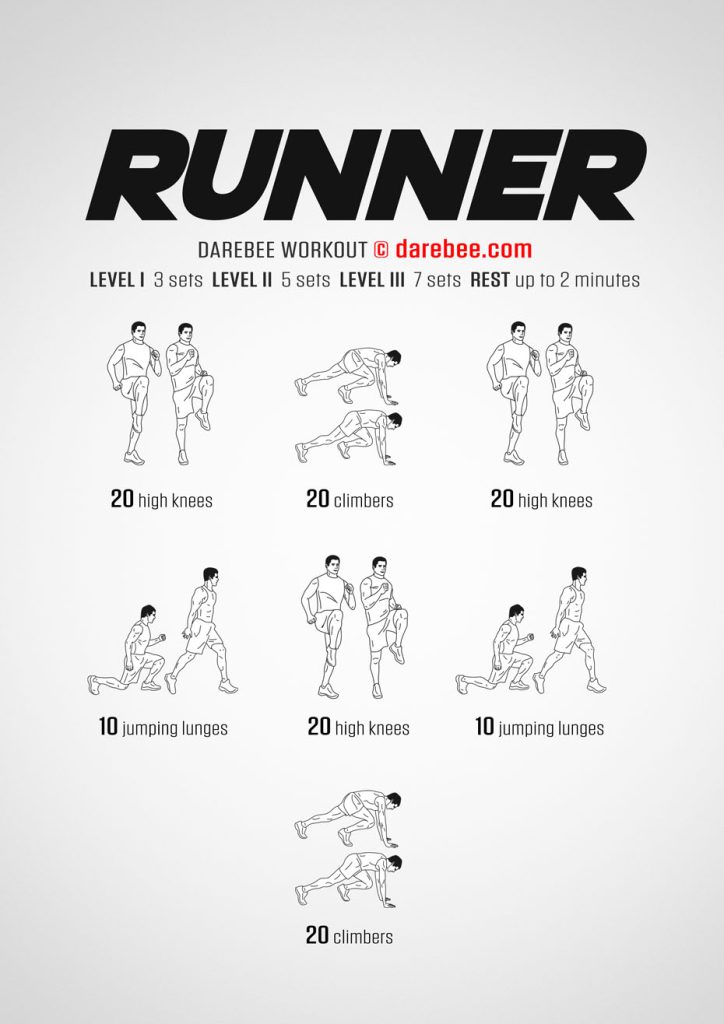
Imagine enhancing your running performance without stepping outside. Yes, it’s possible!
At-home workouts for runners are the key to building strength, improving speed, and preventing injuries—all from the comfort of your living room. As a runner, you know the thrill of hitting the pavement, but sometimes life’s demands keep you indoors.
That’s where these effective workouts come in. They are designed to fit into your busy schedule and maximize your running potential. Ready to discover how you can elevate your running game without leaving home? Let’s dive in, and explore how these simple exercises can transform your running experience.
Benefits Of At-home Workouts
Runners often focus on road miles and track sprints. Yet, at-home workouts offer many benefits. They provide flexibility, cost savings, and personalized routines. Let’s explore these advantages.
Flexibility And Convenience
At-home workouts fit into any schedule. No travel time to the gym. Workout anytime that suits you. Morning, afternoon, or night.
Cost-effective Solutions
Save money with home workouts. No gym fees or costly memberships. Use household items as equipment. A chair, a wall, or a set of stairs.
Personalized Routine
Customize your workout to your needs. Focus on strength, flexibility, or endurance. Adjust exercises based on your progress. Tailor your routine to your goals.
Improved Mental Health
Exercise reduces stress and boosts mood. At-home workouts provide a comfortable setting. Feel relaxed and focused while exercising.
Injury Prevention
Strengthen muscles and improve balance. Reduce the risk of running injuries. Build a strong foundation for running.
Essential Equipment
Strengthen your runs with essential gear at home. Dumbbells, resistance bands, and yoga mats enhance flexibility and endurance. Balance balls and foam rollers aid in recovery, ensuring peak performance.
At-home workouts for runners can be a game-changer, offering flexibility and convenience. However, to make the most of your workouts, having the right equipment is crucial. You don’t need a full gym setup; just a few essentials can elevate your routine. Whether you have limited space or are sticking to a budget, there are plenty of options available.Minimal Equipment Needs
Many runners believe they need a plethora of equipment to train effectively at home. The reality is far simpler. A good pair of running shoes is your first investment. They provide the necessary support and reduce the risk of injury, even during indoor workouts. Resistance bands are another versatile tool. They take up virtually no space and can be used for strength training or stretching. A yoga mat offers comfort for floor exercises and is easy to store. Think about how often you can use these items. Have you ever considered the benefits of a foam roller? It’s not just for post-run recovery. It can enhance your warm-up routine, improving flexibility and muscle readiness.Budget-friendly Options
Is money tight? You can still have an effective workout. Bodyweight exercises are free and powerful. Think squats, lunges, and planks; they require no equipment yet offer full-body engagement. Look around your home. Common household items can double as workout gear. Cans of food can act as dumbbells for light lifting. A sturdy chair is perfect for tricep dips and step-ups. Consider checking out second-hand stores or online marketplaces. You might find affordable gear like kettlebells or medicine balls. Investing a small amount can lead to big gains in your workout variety. What’s stopping you from adding these budget-friendly tools to your routine? Remember, consistency is key, and the right equipment can make your home workouts more effective and enjoyable.Warm-up Routines
Starting your run without warming up is like diving into a pool without checking the water temperature. It can be a shock to your system. A solid warm-up routine is the bridge between your couch and the open road. Proper warm-ups prepare your muscles, enhance flexibility, and reduce injury risk. But how do you warm up effectively at home? Let’s dive into dynamic stretching and mobility exercises that you can easily perform in your living room.
Dynamic Stretching
Dynamic stretching is a must for runners. It gets your heart pumping and muscles ready for action. Imagine swinging your legs like pendulums to loosen those hamstrings. Leg swings, walking lunges, and high knees are fantastic ways to get started. They increase blood flow and improve flexibility without over-stretching muscles.
Try this: Stand tall and swing each leg forward and backward 10 times. You’ll feel the difference in how your legs respond once you start running. Dynamic stretching is not about holding positions; it’s about movement. Feel free to challenge yourself with variety. Just remember, the goal is to awaken your muscles, not exhaust them.
Mobility Exercises
Mobility exercises are the secret sauce for runners. They enhance the range of motion in your joints. Consider adding hip circles and ankle rotations to your routine. These exercises prepare your body for the demands of running and prevent stiffness.
Ask yourself: Are your hips and ankles flexible enough to support your run? If not, mobility exercises can be your game-changer. Picture this: You’re on a run, and suddenly your ankle feels stiff. It can ruin your pace. By regularly practicing mobility exercises, you’re reducing this risk and ensuring smoother runs.
Remember, warm-ups aren’t just a pre-run ritual; they’re an essential part of your training. What warm-up routines have you tried before, and how did they impact your running experience? Share your thoughts and maybe discover new techniques to boost your performance.
Strength Training Exercises
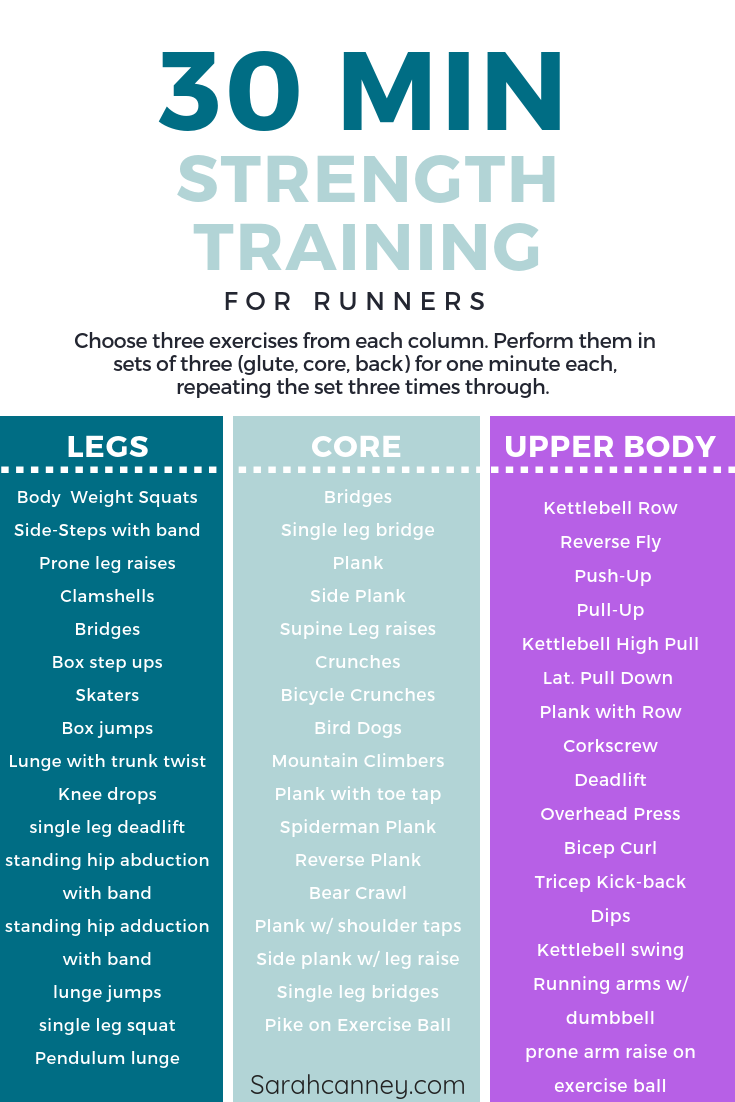
Strength training is a game changer for runners. It boosts your performance and helps prevent injuries. But the gym isn’t your only option. There are plenty of effective strength exercises you can do right at home. Let’s dive into some practical exercises you can add to your routine.
Bodyweight Workouts
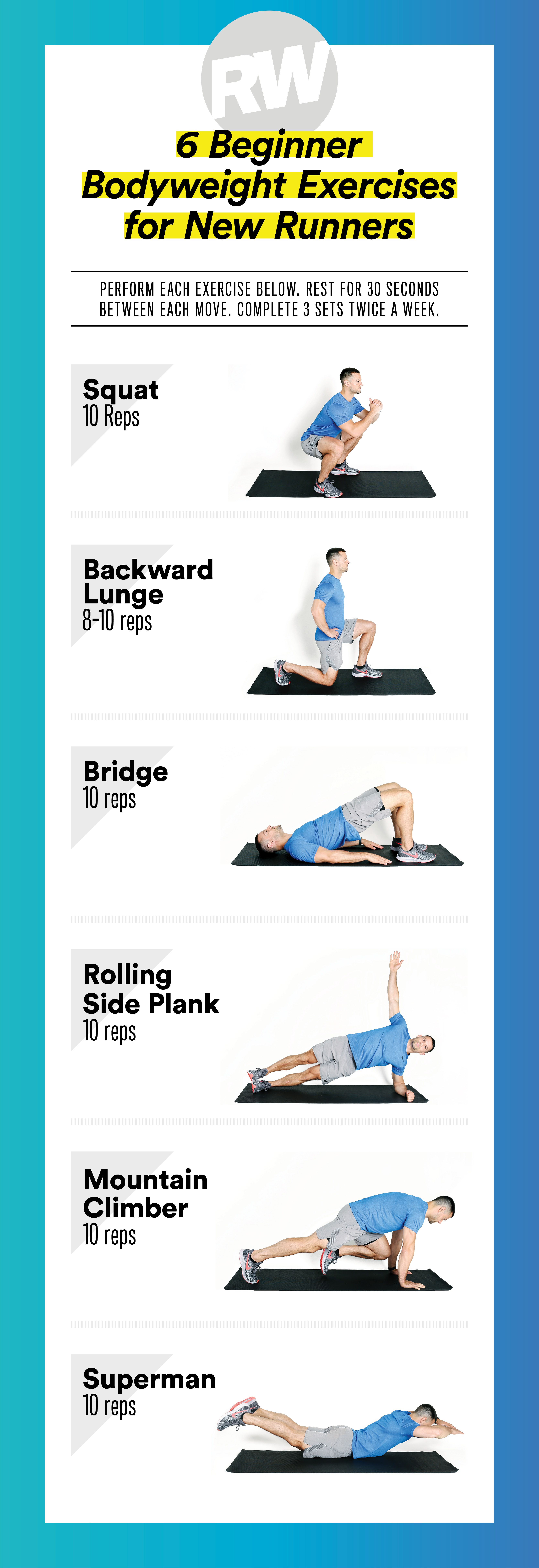
Bodyweight exercises are fantastic for building strength without any equipment. Think of squats, lunges, and push-ups. These moves target major muscle groups and improve your balance. They’re simple yet powerful.
Ever tried a single-leg squat? It challenges your stability and strengthens your legs. You’ll feel the burn, but your running will thank you later. Try doing sets of 10 and gradually increase as you get stronger.
Resistance Band Exercises
Resistance bands are versatile and affordable tools. They add intensity to your workouts. Use them for exercises like lateral band walks and banded deadlifts. They activate your glutes and hamstrings, crucial muscles for runners.
Imagine running with stronger, more efficient strides. That’s the result of consistent band work. Keep a band in your living room and squeeze in a quick session during TV commercials. You’ll be surprised at how much strength you gain over time.
Core Strengthening Moves
A strong core is key for stability and endurance. Planks, Russian twists, and bicycle crunches are excellent choices. These exercises enhance your posture and running form.
Think about how a stable core supports your every step. It’s like having a strong foundation for a house. Start with holding a plank for 30 seconds, then aim for longer durations. Your core will become a powerhouse, helping you run faster and longer.
What strength exercises do you find most effective for running? Share your experiences and let’s learn from each other. Remember, the right strength training can elevate your running to new heights.
Speed And Agility Drills
Speed and agility are crucial for runners looking to improve their performance. You might think that these skills are only honed on the track, but home workouts can be just as effective. Speed and agility drills not only enhance your running ability but also make your daily workouts exciting and varied. Are you ready to boost your running game from the comfort of your home?
Plyometric Exercises
Plyometrics are explosive movements that build power and speed. Think jumping, bounding, and hopping. These exercises engage your muscles in dynamic ways, fostering quick reflexes and enhanced agility. Try the box jump—start with a sturdy box or platform. Stand with feet shoulder-width apart, bend your knees slightly, and jump onto the box, landing softly.
Ever tried squat jumps? They’re simple yet effective. Lower into a squat, then leap upward with all your might. Land gently and repeat. Feel the burn in your thighs as you explode into the air. These exercises mimic the burst of speed needed in running races.
Ladder Drills
Ladder drills are all about precision and footwork. Lay a ladder flat on the ground, or improvise with chalk or tape. Begin with simple movements like one-foot hops or side shuffles. As you grow confident, increase the speed and complexity.
Have you ever considered how quick feet can change your running? Ladder drills enhance coordination and agility, making you nimble on your feet. You’ll find your stride feels smoother and more controlled, even during sprints.
Why not challenge yourself with the in-and-out shuffle? Step in and out of each square with rapid movements. Focus on keeping your torso steady while your feet dance beneath you. These drills sharpen your mind and body, preparing you for unexpected twists and turns on your running path.
Incorporating these drills into your routine could be the key to unlocking a faster, more agile you. What’s stopping you from trying them today?
Flexibility And Recovery
Runners benefit from at-home workouts focused on flexibility and recovery. Simple exercises enhance performance and reduce injury risk. Stretching and strength routines aid muscle recovery, keeping runners active and healthy.
Flexibility and recovery are crucial elements in a runner’s routine that often get overshadowed by the thrill of hitting new speed records or logging more miles. However, enhancing flexibility can prevent injuries, while proper recovery ensures you’re ready for your next run. Including these practices in your at-home workouts can make a significant difference in your performance and overall well-being.Yoga For Runners
Yoga can be a game-changer for runners, especially when it comes to flexibility. Practicing yoga stretches like the downward-facing dog or pigeon pose targets tight areas such as hips and calves. These poses can help you maintain a full range of motion, reducing the risk of strain during your runs. Consider starting your day with a quick 15-minute yoga session. It can set a positive tone for the day and mentally prepare you for your run. You might be surprised at how much better you feel during and after your runs when you regularly practice yoga.Foam Rolling Techniques
Foam rolling is an effective self-massage technique that aids in recovery. It helps break up scar tissue and improve blood flow to your muscles, speeding up recovery. Focus on areas like your IT band, quads, and calves, which often hold tension after running. Start with a few minutes of gentle rolling before and after your workouts. You’ll notice a reduction in muscle soreness and an improvement in muscle flexibility. Have you ever tried foam rolling and noticed a difference in your recovery time? Incorporating yoga and foam rolling into your routine might seem like small adjustments, but they can lead to significant improvements. Consider the times you’ve skipped these practices—was your recovery slower? By focusing on flexibility and recovery, you can enhance your running experience and achieve your goals more efficiently.Creating A Balanced Routine
Home workouts boost runners’ endurance and strength. Easy exercises like squats and lunges fit into any schedule. Create a balanced routine at home to enhance running performance.
Creating a balanced routine for at-home workouts as a runner is essential for maintaining peak performance and avoiding injuries. Running is only part of the equation. To boost your endurance and strength, you need a well-rounded workout plan that includes core strengthening, flexibility exercises, and proper rest. How do you create a balanced routine that complements your running goals? Let’s break it down.Weekly Workout Plan
A weekly workout plan helps you stay organized and committed. Begin with a mix of exercises that target different muscle groups. For instance, dedicate three days a week to running, two days to strength training, and one day to flexibility exercises like yoga or Pilates. Here’s a simple table to visualize your week:| Day | Workout |
|---|---|
| Monday | Run 5K |
| Tuesday | Strength Training |
| Wednesday | Yoga |
| Thursday | Run 10K |
| Friday | Strength Training |
| Saturday | Rest or Light Stretching |
| Sunday | Long Run |
Incorporating Rest Days
Rest days are as crucial as workout days. They allow your muscles to recover and grow stronger. Without proper rest, you risk overtraining and injury. Think of rest days as a reset button for your body and mind. Use these days to listen to your body. If you’re feeling sore, a gentle walk or light stretching could be beneficial. How often do you skip rest days in the pursuit of progress? It’s tempting but counterproductive. Giving yourself permission to rest can lead to better performance in the long run. Creating a balanced routine isn’t just about the workouts you do. It’s about knowing when to push forward and when to step back. By being mindful of your body’s signals, you ensure a sustainable, enjoyable running journey.
Credit: runninforsweets.com
Tracking Progress
Tracking your progress in at-home workouts for runners is crucial. It not only helps you see improvements but also keeps you motivated. When you can measure your efforts, you can make informed decisions to push further.
Performance Metrics
Performance metrics are essential for understanding your workout results. Consider tracking time spent running, distance covered, or even heart rate. Apps and smartwatches can help monitor these metrics easily.
Are you getting faster? Is your stamina improving? These metrics provide answers, allowing you to adjust your workouts accordingly.
Adjusting Goals
Once you’ve tracked your performance, it’s time to adjust your goals. Goals should be dynamic and evolve as you progress. If you notice improvement in your speed, set a new target to increase your mileage.
Perhaps you missed a goal due to external factors. That’s okay. Use it as an opportunity to reevaluate and set a more attainable aim. Progress is personal, and each step forward counts.
Tracking progress isn’t just about numbers. It’s about understanding your journey. What do your current metrics say about your running routine? Are you on the path to achieving your ultimate running goals?
Common Mistakes To Avoid
When embracing at-home workouts, especially for runners, understanding common mistakes can save you from setbacks. It’s easy to overlook crucial details when working out solo. But ensuring a safe and effective routine is key to maintaining progress and preventing injuries.
Overtraining Risks
As a runner, pushing your limits feels rewarding. But have you ever felt exhausted rather than invigorated after a workout? Overtraining can sneak up on you, especially when you’re motivated to improve. It’s vital to balance intensity with recovery. Your muscles need time to heal and grow stronger. Ignoring rest days can lead to fatigue and injuries.
I remember a time when I skipped rest days, convinced that more workouts meant faster progress. Instead, I faced prolonged soreness and decreased performance. Learn from my mistake. Listen to your body and prioritize recovery as much as your runs. Consider scheduling lighter workouts like yoga or stretching sessions to aid recovery.
Improper Form
Have you ever noticed that a slight tweak in your posture can change your workout results? Proper form is crucial. It ensures that you’re working the right muscles and helps prevent injuries. When working out at home, it’s tempting to rush through exercises without checking your posture.
Take squats, for example. Are your knees tracking over your toes? Is your back straight? A mirror can be a handy tool to keep tabs on your form. Personal experience taught me the hard way when a sloppy squat technique led to knee pain. Pause and correct your form; it could save you from unnecessary setbacks.
Why not make it a habit to focus on form during each workout? You might find that slowing down to perfect your technique is the secret to faster gains. Remember, it’s not just about the number of reps but the quality of each one.
As you continue your fitness journey, consider these common pitfalls. How often do you reassess your workout routine for these mistakes? Taking proactive steps today can lead to a healthier, more fulfilling tomorrow.
Credit: www.runnersworld.com
Motivation And Consistency
Motivation and consistency are the secret sauce for successful at-home workouts, especially for runners. It’s easy to start strong, but staying on track is often the real challenge. How do you keep that fire burning when the couch seems more inviting than a workout mat?
Setting Realistic Goals
Start by setting goals that are achievable. If you’re new to at-home workouts, aim for short sessions a few times a week. Gradually build your stamina. I once aimed to run a marathon without stepping out of my house. The key was breaking my runs into manageable chunks and using a treadmill effectively. What’s your realistic target?
Create a simple schedule. List your workouts for the week, including rest days. Visualizing your plan keeps you accountable and organized. Imagine the satisfaction of ticking off completed sessions. Use a calendar app or a physical planner. Which do you prefer?
Staying Motivated
Find what drives you. Is it a new playlist, an inspiring podcast, or a fitness app that tracks your progress? Music keeps my energy up during treadmill sprints. It transforms the living room into a mini-stadium. What’s your motivational magic?
Celebrate small victories. Did you shave off a few seconds from your run time? Reward yourself with something simple, like a favorite snack or a relaxing bath. Recognizing progress fuels your drive. What small wins have you celebrated recently?
Connect with others. Share your journey online or join virtual running clubs. Engaging with fellow runners can boost your enthusiasm and offer support. A quick tip from a fellow runner helped me improve my form last year. Who can you reach out to for encouragement?
Remember, consistency isn’t just about sticking to a routine. It’s about adapting and finding joy in every step you take, even within the confines of your home. How will you maintain your motivation and consistency today?
Credit: sarahcanney.com
Frequently Asked Questions
What Is The 80% Rule In Running?
The 80% rule in running suggests 80% of your weekly mileage should be at a comfortable, easy pace. This promotes recovery, reduces injury risk, and improves endurance. Balancing easy runs with challenging workouts enhances performance and keeps training sustainable.
What Is The Best Workout For A Runner?
The best workout for runners includes interval training, hill sprints, and strength exercises. Focus on core and leg strength. Incorporate flexibility exercises like yoga or stretching. Consistent cross-training helps prevent injuries. Tailor workouts to personal goals and fitness levels for optimal results.
What Is The 6 12 25 Rule?
The 6 12 25 rule is a guideline for effective presentation slides. Use six words per bullet, twelve bullets per slide, and a maximum of 25 slides in total. This rule helps maintain clarity and audience engagement during presentations.
What Is The 30 20 10 Rule For Running?
The 30 20 10 rule for running involves a structured training method. Runners jog for 30 seconds, run moderately for 20 seconds, and then sprint for 10 seconds. This cycle enhances speed, endurance, and cardiovascular health. This approach is repeated several times during a workout for optimal results.
Conclusion
At-home workouts can greatly benefit runners. They offer convenience and flexibility. Strength training improves performance. It helps prevent injuries too. Consistency is key for progress. Mix different exercises for balance. Focus on core, legs, and endurance. Keep sessions fun and engaging.
Listen to your body’s needs. Rest and recovery are important. Track your improvement over time. Celebrate small victories along the way. Enjoy the journey of becoming a stronger runner. Remember, every effort counts towards your goals. Stay committed and keep moving forward.
Happy running!








