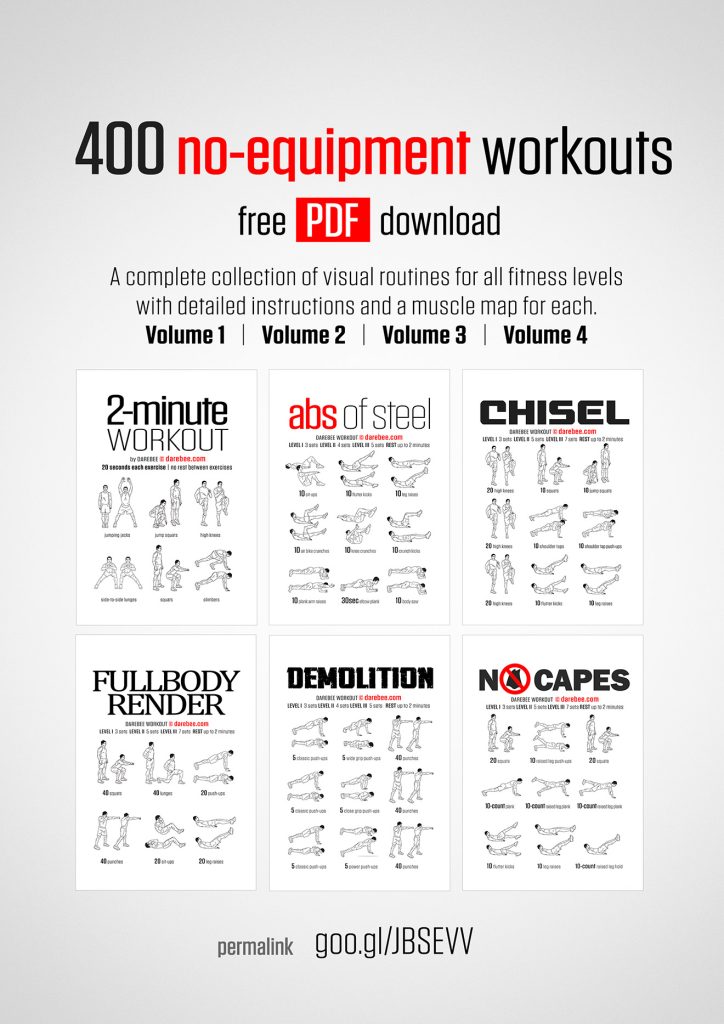
Are you tired of crowded gyms and expensive memberships? Imagine transforming your living room into a personal fitness studio, all without spending a dime on equipment.
At-home workouts with no equipment are not only convenient but also incredibly effective. You can sculpt your body, boost your energy, and improve your health using just the space around you. Whether you’re a fitness newbie or a seasoned athlete, this workout approach can fit seamlessly into your lifestyle.
Ready to discover how you can harness the power of your own body to achieve your fitness goals? Let’s dive in and explore the endless possibilities of at-home workouts without equipment.
Benefits Of No Equipment Workouts
Working out at home without any equipment offers a multitude of benefits that can enhance your fitness journey. It allows you to maintain a flexible schedule, save money, and focus on exercises that use your own body weight. Let’s delve into the specific advantages of no-equipment workouts.
1. Cost-effective Fitness
No need to spend on gym memberships or expensive equipment. You can start your fitness journey with the space you have at home. This approach makes staying fit accessible to everyone.
2. Convenience And Flexibility
Life can be hectic, and fitting in a workout shouldn’t be another stressor. You can exercise at any time that suits you without worrying about gym hours. This flexibility helps you stay consistent and motivated.
3. Full Body Engagement
Bodyweight exercises like push-ups, squats, and planks engage multiple muscle groups. They improve your strength and endurance, giving you a balanced workout. This holistic approach ensures that no muscle is left behind.
4. Minimal Space Requirement
Don’t have a dedicated workout area? No problem. Exercises like lunges and sit-ups can be done in your living room. This means you can work out regardless of your living situation.
5. Improved Functional Strength
Training with your own body weight boosts functional strength, helping you with everyday tasks. Imagine lifting heavy grocery bags or climbing stairs with ease. This practical benefit makes daily life more manageable.
6. Enhanced Creativity And Engagement
Without equipment, you need to get creative with your routine. Try new moves and combinations to keep your workouts fresh and exciting. This creativity prevents boredom and plateaus.
Have you tried a no-equipment workout before? What unique benefits did you notice? Embrace the simplicity and effectiveness of these workouts as you take charge of your health right from your home.

Credit: spotebi.com
Creating A Workout Space
Creating a dedicated workout space at home boosts your exercise routine. It helps maintain focus and motivation. A well-organized area can transform your workouts into an enjoyable experience.
Choosing The Right Area
Select a space that feels comfortable and inviting. It should be spacious enough for movement. Consider areas with good airflow for a refreshing workout. Avoid cluttered places that distract your focus. A clear space enhances your exercise efficiency.
Flooring matters too. A non-slip surface is ideal for safety. Carpeted areas can work well for stretching exercises. Ensure enough room for dynamic movements like lunges and squats.
Setting The Mood
Lighting plays a vital role in setting the mood. Natural light energizes and uplifts. If unavailable, use bright, warm lights to mimic daylight. Avoid dim lighting that may cause sluggishness.
Music can enhance your workout experience. Choose upbeat tracks to maintain energy levels. Soft background music aids in relaxation during cooldowns. Sound quality matters, so use a reliable speaker.
Decorate with motivational posters or quotes. Visual inspiration can boost your drive. Keep the space tidy and organized. It creates a positive atmosphere for your workout.
Warm-up Exercises
Warm-up exercises are essential to prepare your body for any workout, especially when you’re doing it at home without equipment. They help to increase your heart rate gradually, enhance blood flow to your muscles, and reduce the risk of injury. By warming up, you ensure that your body is ready to handle the challenges ahead.
Dynamic Stretching
Dynamic stretching involves moving parts of your body through a full range of motion to wake up your muscles. Think of it as a more active form of stretching compared to static stretches. You might perform leg swings, arm circles, or hip circles. Each movement should be controlled and deliberate.
It’s like shaking off the stiffness and telling your muscles, “Get ready, we’re about to move!” Dynamic stretches work wonders in improving flexibility. You can start with easy exercises like torso twists or knee lifts. These exercises are simple yet effective in loosening your joints.
Cardio Warm-up
A cardio warm-up is about getting your heart pumping. Jumping jacks, high knees, or a brisk walk around your living room can do the trick. These exercises increase your heart rate and prepare your body for more intense activities.
Imagine you’re revving up an engine—your body needs a little kick-start. Even just five minutes of a cardio warm-up can make a significant difference. Feel the energy surge as your blood starts flowing faster, giving you that extra boost.
Do you find yourself skipping warm-ups? Next time, think of it as a bridge to a more effective workout. How does your body feel when you don’t warm up properly? Share your thoughts and experiences below!

Credit: www.knicholastraining.com
Full-body Workouts
Full-body workouts at home can be effective without equipment. These exercises use your body weight. They improve strength, flexibility, and endurance. Each move targets different muscle groups. You can do them anywhere. They fit into any schedule. Try these exercises for a balanced workout.
Bodyweight Squats
Bodyweight squats strengthen your legs and core. Stand with feet hip-width apart. Lower your hips as if sitting in a chair. Keep your chest lifted. Push through your heels to stand up. Repeat for a set of 15 squats. They boost leg power and stability.
Push-ups Variations
Push-ups engage your chest, arms, and shoulders. Start in a plank position. Lower your chest to the floor. Push back up to the start. Try different variations. Wide push-ups target the chest more. Close-grip push-ups work the triceps. Adjust hand positions for different challenges.
Plank Exercises
Plank exercises strengthen your core and back. Start on your forearms and toes. Keep your body straight. Hold the position for 30 seconds. Increase the time as you progress. Side planks target your obliques. They improve balance and posture. Planks are great for core stability.
Core Strength Exercises
Core strength exercises are essential for anyone looking to enhance their physical fitness without the need for gym equipment. These exercises target the muscles in your abdomen, lower back, and pelvis. They help improve your posture, balance, and overall stability. Let’s dive into some effective exercises you can do right at home.
Crunches And Sit-ups
Crunches and sit-ups are the classic go-to exercises for strengthening your core. They might seem simple, but they are incredibly effective. Start by lying on your back with your knees bent and feet flat on the floor. Place your hands behind your head for support. Engage your core and lift your shoulders off the ground. Remember to keep your neck relaxed to avoid strain.
Focus on controlled movements rather than speed. It’s about quality, not quantity. Feel the burn as you challenge yourself with more repetitions each day. You might find crunches easier than sit-ups or vice versa. That’s okay! Listen to your body and adjust accordingly.
Leg Raises
Leg raises are fantastic for targeting your lower abdominal muscles. Lie flat on your back with your legs straight. Keep your hands by your sides or under your glutes for support. Slowly lift your legs to a 90-degree angle, then lower them back down without letting them touch the ground. Feel your core engage with each lift.
This exercise not only strengthens your abs but also improves your flexibility. If you struggle with keeping your legs straight, try bending your knees slightly. As you progress, aim to lower your legs slower to increase the intensity. Notice how your balance improves over time.
Russian Twists
Russian twists add a dynamic element to your core workout by engaging your obliques. Sit on the ground with your knees bent and feet lifted slightly. Lean back to a comfortable angle, keeping your back straight. Hold your hands together or use a small weight, and twist your torso side to side.
This exercise challenges your stability and coordination. It’s perfect for diversifying your routine. As you twist, focus on keeping your movements smooth and controlled. You’ll soon find your waistline getting more defined. Do you find one side easier than the other? This could be a sign to focus more on balancing your strength.
With these exercises, you have a solid foundation for building core strength without any equipment. Remember, consistency is key. Which exercise will you start with today?
Lower Body Focus
Strengthen your legs and glutes with an effective at-home workout. No equipment needed for these simple exercises. Enjoy a routine that includes squats, lunges, and calf raises. Perfect for any fitness level.
Working out at home doesn’t mean you need fancy equipment. With a focus on the lower body, you can achieve great results using just your body weight. Whether you’re aiming to tone, build strength, or improve endurance, these exercises will help you get there.Lunges And Variations
Lunges are a fantastic exercise for building lower body strength. They target your quads, hamstrings, and glutes. Begin with the classic forward lunge: step forward with one leg, lower your hips until both knees are bent at a 90-degree angle, and then return to the starting position. Try adding variations to keep it interesting. Lateral lunges work your inner thighs and add balance training. Reverse lunges can reduce knee strain while still giving your glutes a workout. Have you considered trying a walking lunge? It’s a great way to add intensity and movement to your routine.Calf Raises
Calf raises are simple yet effective. They strengthen the muscles in your calves, which can improve your balance and stability. Stand with your feet shoulder-width apart, rise onto your toes, hold for a second, and then lower back down. To make it more challenging, try single-leg calf raises. Balance on one foot and lift your heel off the ground. This variation not only works your calves but also engages your core. You might be surprised by how much balance plays a role in these exercises.Glute Bridges
Glute bridges are excellent for activating your glutes and hamstrings. Lie on your back with your knees bent and feet flat on the floor. Lift your hips toward the ceiling while keeping your core tight, then slowly lower back down. For added difficulty, try a single-leg glute bridge. Extend one leg while lifting your hips, focusing on squeezing your glutes. This move is not just about strength; it’s about control and stability. Are your glutes feeling the burn yet? These exercises can be done anywhere, making them perfect for home workouts. Mix them into your routine and notice the difference in your lower body strength and tone. What variations will you add to your next workout?Upper Body And Arms
Working out at home without equipment can be effective. Especially for your upper body and arms. You can build strength and tone muscles. All with your body weight. Consistency is key. Let’s explore some simple exercises.
Tricep Dips
Tricep dips target the back of your arms. Find a sturdy chair or couch. Sit on the edge and place hands next to hips. Slide your bottom off, keeping arms straight. Lower your body by bending elbows. Push back up. Repeat for 10-15 reps.
Arm Circles
Arm circles warm up your shoulders. Stand with feet shoulder-width apart. Extend your arms to the side at shoulder height. Make small circles forward. Continue for 30 seconds. Reverse direction for another 30 seconds. Keep your core tight.
Shoulder Taps
Shoulder taps engage your arms and core. Start in a plank position. Hands under shoulders. Feet hip-width apart. Touch your right shoulder with left hand. Return to plank. Repeat with the other hand. Aim for 20 alternating taps. Maintain balance throughout.
Cardio And Endurance
Cardio and endurance are essential components of any effective workout routine, even when you’re exercising at home without equipment. These exercises not only boost your heart rate but also improve your stamina over time. Engaging in cardio activities at home can be both fun and challenging. You don’t need fancy gear or a gym membership to get your heart pumping. Let’s explore some simple yet powerful exercises that can be done right in your living room.
Jumping Jacks
Jumping jacks are a classic cardio exercise that you’ve probably done since childhood. They’re perfect for getting your heart rate up quickly. All you need is a bit of space and you’re ready to go. Start with your feet together and arms at your sides. Jump up, spreading your legs and arms wide, then return to the starting position. Try doing jumping jacks for 30 seconds to a minute. It may seem easy at first, but you’ll feel the burn as you keep going. How many can you do before you need a break?
High Knees
High knees are another fantastic exercise for boosting cardio and endurance. They require you to run in place, lifting your knees as high as you can. Imagine trying to touch your knees to your chest with each movement. This exercise engages your core and leg muscles, enhancing your stamina. If you’re feeling ambitious, challenge yourself to keep a steady pace for 60 seconds. Focus on your breathing and form to maximize the benefits. What’s your personal record for high knees in a minute?
Burpees
Burpees combine cardio with strength training, making them one of the most effective exercises for endurance. Start standing, then drop into a squat, kick your feet back into a plank, return to the squat, and jump up. They’re tough but incredibly rewarding. A few burpees can leave you breathless and energized simultaneously. Start with a set of five and gradually increase the number as you build endurance. Can you push through the discomfort to complete ten in a row?
These exercises are just the beginning. Cardio and endurance workouts at home offer endless possibilities. The key is consistency and a willingness to push your limits. What’s stopping you from starting today?
Flexibility And Cool Down
Enhance your home workout by focusing on flexibility and cool down exercises. Simple stretches improve movement and reduce injury risk. Cooling down helps muscles relax, aiding recovery after exercise.
Flexibility and cool down are crucial parts of any workout. They help muscles recover and reduce the risk of injury. A proper cool down session aids in relaxing the body. It also enhances flexibility over time. Including these activities in your routine is key to long-term fitness success.Static Stretching
Static stretching involves holding a position for a period. It helps lengthen muscles and improve range of motion. Focus on major muscle groups like legs, back, and arms. Hold each stretch for about 20-30 seconds. This allows muscles to relax and extend fully. Deep breathing during static stretches can increase relaxation.Yoga Poses
Yoga poses are excellent for flexibility and calming the mind. Simple poses like Downward Dog target the whole body. They stretch and strengthen muscles simultaneously. Child’s Pose helps in relaxing the spine and calming the mind. Try the Cobra pose for a gentle back stretch. These poses are easy and effective for a complete cool down routine. Yoga’s emphasis on breath enhances relaxation and flexibility.Tracking Progress
Tracking your progress in an at-home workout routine is crucial to stay motivated and see real results. Without a clear way to measure improvement, you might feel stuck and lose interest. Let’s dive into how setting goals and keeping a workout journal can keep you on the right track.
Setting Goals
What do you want to achieve with your workouts? Maybe you’re aiming to build strength or improve endurance. Setting specific goals helps clarify your path. It’s like mapping out your journey before you start.
Consider breaking your goals into short-term and long-term. Short-term goals could be performing 10 push-ups without stopping. Long-term might be improving your overall fitness level. Be specific and realistic with your objectives.
When you set clear goals, you can better track your progress. Seeing yourself move from 5 to 10 push-ups is motivating. It confirms that you’re getting stronger. What goals are you excited to tackle?
Keeping A Workout Journal
A workout journal is your personal fitness diary. It helps you record what you did, how you felt, and the progress you’re making. If you’ve never kept one, it might surprise you how much it helps.
Start by jotting down your workouts each day. Include details like the number of reps and sets, and any challenges you faced. Over time, patterns will emerge. You’ll see how certain exercises become easier, or how your endurance improves.
Reflecting on past entries can be eye-opening. Maybe you were struggling to do squats a month ago, and now they feel effortless. This realization can boost your confidence. Are you ready to see your progress unfold?
Tracking progress is not just about numbers; it’s about understanding your journey. Setting goals and keeping a journal are tools to help you appreciate your growth. What steps will you take today to ensure you’re moving forward?
Staying Motivated
Boost motivation with at-home workouts using no equipment. Enjoy simple exercises that fit your space and schedule. Keep moving, stay healthy, and feel great without leaving your home.
Staying motivated during at-home workouts without equipment can be challenging. Finding ways to keep your spirits high is crucial. A sense of achievement fuels your drive. To maintain this energy, adopt strategies that inspire consistency.Creating A Routine
Crafting a routine is essential for success. Set clear goals. Decide the best time for your workouts. Consistency breeds habit. This habit will lead to progress. A structured plan provides direction. It also reduces decision fatigue. Start with simple exercises. Gradually increase intensity. Track your progress. Celebrate small wins. These moments boost your motivation.Finding Online Communities
Engage with online communities for support. They offer encouragement and advice. These platforms connect you with like-minded individuals. Share your experiences. Gain insights from others. This sense of belonging enhances motivation. Participate in group challenges. They create a sense of accountability. Communities often host virtual events. Join these events to stay active. Feeling part of a group fuels your commitment.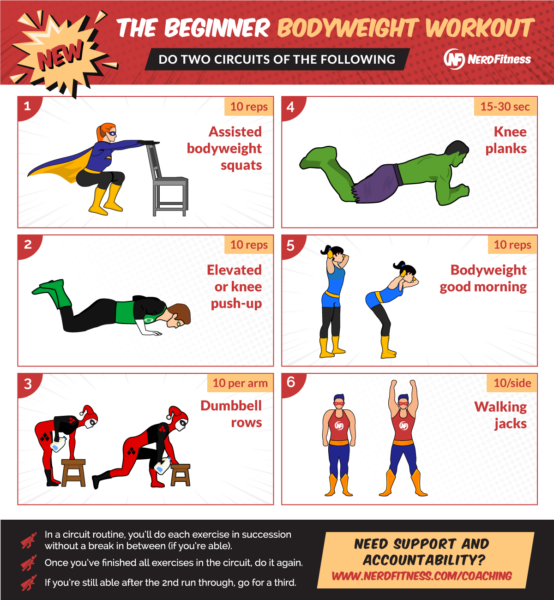
Credit: www.nerdfitness.com
Frequently Asked Questions
What Is The Best No Equipment Workout?
The best no equipment workout includes push-ups, squats, lunges, planks, burpees, and jumping jacks. These exercises build strength, improve flexibility, and boost cardiovascular health. They’re ideal for all fitness levels and can be done anywhere, making them perfect for a quick, effective workout.
Can A Home Workout Build Muscle Without Equipment?
Yes, you can build muscle at home without equipment. Focus on bodyweight exercises like push-ups, squats, and planks. Consistency and progressive overload are key. Proper nutrition aids muscle growth. Tailor workouts to challenge your limits. Stay motivated and track your progress regularly.
Are 20-minute Home Workouts Effective?
Yes, 20-minute home workouts can be effective. Consistency and intensity matter more than duration. Focus on high-intensity exercises or circuit training to maximize results. These workouts improve cardiovascular health, build strength, and boost metabolism. Tailor exercises to your fitness level for best outcomes.
Are 10 Minute Workouts Effective?
Yes, 10-minute workouts can be effective. They boost energy, improve mood, and contribute to overall fitness. Consistency and intensity are key for achieving results. Incorporating varied exercises maximizes benefits and targets different muscle groups.
Conclusion
Working out at home can be simple and effective. No equipment needed. You can keep fit with just your body weight. Consistency is key for great results. Try different exercises to stay motivated. Listen to your body and rest when needed.
Short workouts can still be very beneficial. A healthy lifestyle starts with small, daily actions. Remember to enjoy the journey. Fitness isn’t just about looking good. It’s about feeling strong and healthy. You have everything you need right at home.
Keep moving and stay active. Your health is worth the effort.








