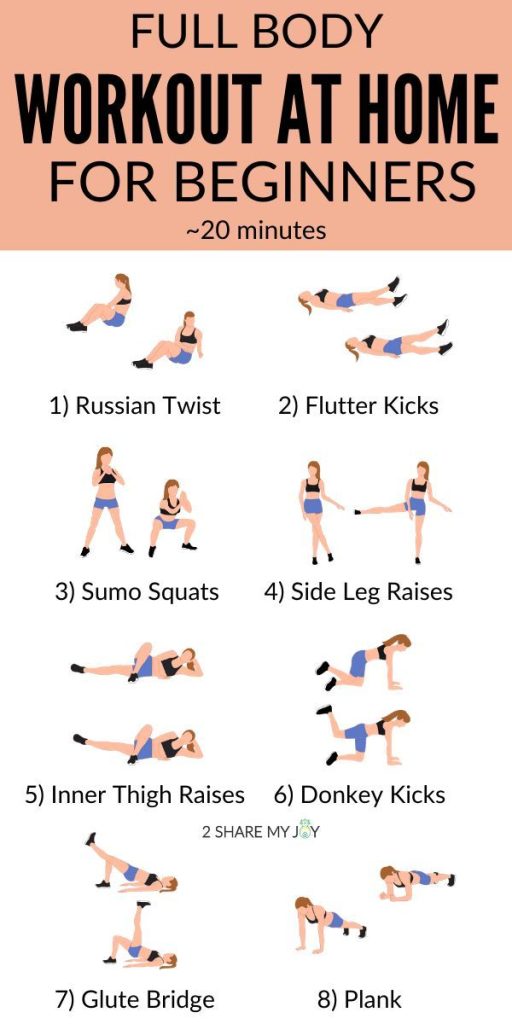
Looking to transform your living room into a personal gym without the hassle of commuting or spending a fortune on memberships? You’re in the right place!
Discover how a full-body workout at home can not only sculpt and strengthen your body but also fit seamlessly into your busy lifestyle. Imagine the convenience of exercising on your own schedule, with routines that energize you from head to toe.
You’ll find yourself motivated and eager to maintain your fitness journey when you can achieve amazing results right from your living room. Ready to unlock the secrets to a healthier, more vibrant you? Keep reading to learn how you can make the most of your at-home workouts and achieve the body you’ve always dreamed of.

Credit: uk.pinterest.com
Benefits Of At-home Workouts
At-home workouts offer convenience and flexibility, allowing you to exercise anytime. They save time and money on travel and gym fees. A full body workout can be done with minimal equipment, using bodyweight exercises to improve strength and fitness. This approach suits all fitness levels.
At-home workouts have become a popular choice for many fitness enthusiasts. They offer flexibility, convenience, and can be just as effective as hitting the gym. But what are the specific benefits of working out from the comfort of your own home?1. Save Time And Money
Working out at home eliminates the need for commuting to a gym. You save on travel time, gym memberships, and other related expenses. Imagine the extra 30 minutes you can spend on your workout rather than being stuck in traffic.2. Flexibility In Your Schedule
You can squeeze in a workout whenever you have a free moment. Whether it’s early morning or late at night, your home gym is always open. This flexibility can help you maintain a consistent routine, even with a busy schedule.3. Personalize Your Workout Space
Your home gym is your personal sanctuary. You can choose your equipment, set the ambiance with music you love, and even decide the room’s temperature. This personal touch can make your workout more enjoyable and motivating.4. No Judgment Zone
Working out at home means no one is watching. You can try new exercises without feeling self-conscious. This freedom can boost your confidence and help you push your limits.5. Family Involvement
Exercising at home provides an opportunity for family bonding. Invite your partner or children to join you. It can be a fun way to teach healthy habits and spend quality time together.6. Increase Consistency
Without the hurdles of commuting or gym hours, you’re more likely to stick to your workout routine. Consistency is key in achieving fitness goals. How often have you skipped the gym due to time constraints? At-home workouts remove that excuse.7. Variety Of Workouts
From yoga to high-intensity interval training, the options are endless. Online platforms offer a plethora of workout videos to suit your preferences. This variety can keep your fitness journey exciting and prevent boredom. So, what’s stopping you from rolling out that yoga mat or picking up those dumbbells at home?Essential Equipment
Dumbbells, resistance bands, and a yoga mat create the perfect setup for a full-body workout at home. These versatile tools help target various muscle groups efficiently. Incorporating them into your routine boosts strength and flexibility without needing a gym membership.
Working out at home has its advantages. You can exercise whenever you want and save money on gym fees. But to make the most of your full-body workout, having the right equipment is crucial. With just a few essential pieces, you can transform your living space into a fitness haven. Let’s dive into what you need to get started!Resistance Bands
Resistance bands are a game changer. They’re affordable and versatile. You can use them for almost every exercise, from squats to arm curls. Plus, they take up minimal space. When I first started using resistance bands, I was amazed at how they intensified my workouts. Have you tried them yet?Yoga Mat
A yoga mat isn’t just for yoga. It provides a comfortable surface for stretching, planks, and core exercises. Without a mat, you might find yourself slipping on the floor or feeling discomfort during floor exercises. Investing in a good quality mat can make your workouts more enjoyable. What color would you choose for your mat?Dumbbells
Dumbbells are a staple for home workouts. They come in various weights, allowing you to increase the difficulty as you get stronger. I remember starting with lightweight dumbbells, and the progress I’ve made is incredible. Have you considered what weight would challenge you?Stability Ball
A stability ball adds a fun twist to your routine. It enhances exercises like crunches and bridges by engaging more muscles. The balance required also improves your core strength. Using one was a game changer for my ab workouts. Do you think you’re ready to take your workouts to the next level with a stability ball?Jump Rope
Jump rope isn’t just for kids. It’s an excellent cardio workout that you can do anywhere. It’s compact, making it ideal for limited spaces. I found that a few minutes of jumping rope can get my heart pumping like no other exercise. How would you incorporate it into your routine?Foam Roller
Recovery is as important as the workout itself. A foam roller helps with muscle soreness and improves flexibility. After a tough workout, using a foam roller can feel like a mini massage. Have you tried rolling out those sore muscles after a long day? Having these essential pieces of equipment can make your home workouts effective and enjoyable. What would you add to your home gym collection?Creating A Dedicated Workout Space
Creating a dedicated workout space at home enhances motivation and focus. A personal corner for fitness not only saves time but adds convenience. Transform any room, nook, or corner into a motivating workout space.
Choosing The Right Location
Select a spot with good lighting and ventilation. Natural light boosts energy and mood. Ensure ample space for movement and stretching. This prevents any accidents and provides comfort.
Invest in basic equipment like dumbbells, a yoga mat, and resistance bands. These tools offer versatility for full-body workouts. Consider adjustable weights to save space and money. They adapt to various exercises.
Organizing Your Space
Keep your area tidy and clutter-free. Use storage solutions like shelves or baskets. This keeps equipment organized and easily accessible. A clean space encourages regular exercise and boosts motivation.
Personal Touches
Add elements that inspire and motivate. Hang posters or quotes that encourage fitness. Play energizing music to uplift your spirits. These personal touches make your space inviting and fun.
Maintaining Your Space
Regular cleaning is vital for a healthy environment. Dust equipment and vacuum floors frequently. This keeps the area fresh and hygienic. A clean space invites daily workouts and boosts productivity.
Warm-up Routine
Embarking on a full-body workout at home can be incredibly rewarding, but skipping a proper warm-up routine is a common mistake. It’s tempting to jump right into the main workout, especially when you’re short on time. However, warming up is crucial. It prepares your muscles, boosts your performance, and reduces the risk of injury. Let’s delve into a simple yet effective warm-up routine that will set the stage for a successful workout session.
Dynamic Stretching
Dynamic stretching is a great way to kickstart your warm-up routine. Unlike static stretching, it involves active movements that help increase blood flow and flexibility. Start with arm circles, leg swings, and torso twists. These movements prime your body for action and improve your range of motion. Remember, the goal is to move, not hold. How does your body feel as you loosen up?
Cardio Burst
Adding a short burst of cardio can elevate your heart rate and get your blood pumping. Think jumping jacks, high knees, or a brisk jog in place. Just 3-5 minutes can make a difference. This quick boost not only prepares your muscles but also sets an energetic tone for your workout. Do you notice a change in your energy levels after this quick burst?
Joint Mobility Exercises
Joint mobility exercises are an underrated gem in any warm-up routine. Focus on gentle rotations of your wrists, ankles, and neck. These exercises can improve your agility and prevent stiffness. Take a moment to listen to your body—are there areas that feel particularly tight? Address those spots with extra attention.
Core Activation
Activating your core is essential before diving into a full-body workout. Try standing core twists or a few sets of mountain climbers. These exercises engage your abdominal muscles and enhance stability. A strong core supports your movements and improves your balance. Can you feel your core awakening and readying itself?
Incorporating these elements into your warm-up routine can transform your workout experience. It’s not just about preparation; it’s about optimizing each exercise. Make your warm-up a priority, and watch how your body responds positively. Are you ready to elevate your fitness journey?
Upper Body Exercises
Working out at home can be effective and convenient. Upper body exercises strengthen and tone muscles from the chest to the shoulders. These moves require minimal equipment, making them perfect for your home routine. Let’s dive into some essential upper body exercises that can be done right in your living room.
Push-ups Variations
Push-ups are a classic exercise for the upper body. They build strength in your chest, arms, and shoulders. Try different variations to keep things interesting. Standard push-ups are great for beginners. For more challenge, try wide grip push-ups. These target the chest muscles more. Diamond push-ups focus on the triceps. Each variation gives you a new way to work your upper body.
Dumbbell Rows
Dumbbell rows target your back and arms. You need a pair of dumbbells for this exercise. Bend slightly at the waist, keeping your back straight. Pull the dumbbells towards your waist. This move engages your back muscles. It also helps in improving posture. Dumbbell rows are excellent for building strength in your upper body.
Shoulder Press
The shoulder press is effective for building shoulder strength. Use dumbbells for this exercise. Stand with your feet shoulder-width apart. Press the dumbbells overhead slowly. This targets the shoulder muscles directly. It also helps in improving arm strength. Shoulder press adds definition to your upper body.

Credit: spotebi.com
Lower Body Exercises
Discover simple lower body exercises for an effective at-home full-body workout. Strengthen legs, glutes, and core with squats, lunges, and bridges. These moves boost fitness and require no equipment, perfect for small spaces.
Lower Body Exercises When you think about building strength at home, the lower body is a powerhouse worth focusing on. It supports your entire frame and helps with balance and agility. You don’t need fancy equipment to give your legs, glutes, and calves a great workout. With just a few targeted exercises, you can see significant improvements in strength and tone. Let’s dive into some effective lower body exercises you can do at home. Squats and Lunges Squats and lunges are the dynamic duo of lower body workouts. They target multiple muscle groups at once, including your quads, hamstrings, and glutes. Start with bodyweight squats, ensuring your knees don’t extend past your toes. As you get stronger, try holding a weight or even a household item like a water bottle for added resistance. Lunges are versatile and can be done in various directions—forward, backward, or sideways. This variety keeps the muscles guessing and growing. Try alternating lunges to keep your workout fresh and your muscles engaged. You’ll notice improved balance and coordination, which are essential for daily activities. Calf Raises Calf raises might seem simple, but they pack a punch when it comes to strengthening your lower legs. Stand on the edge of a step with your heels hanging off. Slowly raise your heels as high as you can, then lower them back down. This movement helps build those calf muscles, giving your legs a toned look. For a challenge, try doing calf raises on one leg at a time. This not only increases the intensity but also improves your balance. Can you feel the burn yet? Consistency is key, and before you know it, you’ll be bounding up stairs with ease. Glute Bridges Glute bridges are fantastic for targeting the glutes and lower back. Lie on your back with your knees bent and feet flat on the floor. Lift your hips towards the ceiling, squeezing your glutes at the top. Hold for a moment before lowering back down. This exercise is great for those who sit a lot during the day, as it counteracts hip tightness. Add a resistance band around your thighs to intensify the workout. This will activate your muscles even more and enhance your results. Do you feel your glutes firing up? With regular practice, glute bridges can contribute to a more robust posterior chain. — Embrace these lower body exercises as part of your at-home workout routine. They’re accessible, effective, and can be tailored to your fitness level. Which exercise will you try first? Remember, the journey to strength starts with a single step.Core Strengthening Moves
Discover effective core strengthening moves for a full-body workout at home. Engage your muscles and improve stability. Strengthen your core for better posture and balance. Perfect for all fitness levels.
Strengthening your core is a fundamental part of any full-body workout. A strong core not only enhances your balance but also supports your entire body in daily activities. Whether you’re lifting groceries or running a marathon, your core plays a vital role. You might be wondering how you can effectively strengthen this powerhouse at home. Let’s dive into some essential core moves that will transform your workout routine.Planks
Planks are a core staple. They engage multiple muscle groups, including your shoulders, abs, and glutes. To execute a plank, start by lying face down, then lift your body off the ground with your forearms and toes. Keep your body in a straight line from head to heels. Challenge yourself by holding the position for 30 seconds to a minute. Feel the burn as you maintain this position, and remember to breathe!Russian Twists
Russian twists are fantastic for targeting your obliques. Sit on the floor with your knees bent, feet slightly elevated, and lean back slightly. Hold your hands together or grab a weight. Twist your torso to the right, then to the left, touching the floor beside you each time. Aim for 15-20 reps per side. As you twist, imagine wringing out a wet towel, squeezing every bit of strength from your core.Bicycle Crunches
Bicycle crunches give your abs a dynamic workout. Lie on your back and lift your legs to a tabletop position. Place your hands behind your head, elbows wide. Bring your right elbow toward your left knee while straightening your right leg. Then switch sides, bringing your left elbow to your right knee. Perform 10-15 reps on each side. This exercise mimics pedaling a bicycle, and it’s a surefire way to rev up your abdominal muscles. Each of these exercises can be done without any equipment, making them ideal for at-home workouts. Incorporating them into your routine will not only enhance your core strength but also improve your overall fitness. Are you ready to feel more powerful in your everyday movements?Full-body Circuits
Full-body circuits offer a dynamic way to exercise at home, targeting every muscle group in a short period. They’re a game changer for busy schedules, allowing you to get a full workout without needing a gym membership. Plus, they can be tailored to any fitness level, making them accessible and effective for everyone.
Benefits Of Full-body Circuits
Full-body circuits boost your metabolism. They keep your heart rate up, burning calories even after you finish. This means more bang for your buck in terms of time and effort.
They also improve your strength and endurance simultaneously. You work on multiple muscles at once, enhancing overall fitness. This balanced approach helps prevent injuries and promotes better muscle coordination.
Finally, they’re incredibly versatile. You can swap exercises to target different areas or mix up the intensity. This flexibility keeps workouts fresh and engaging, so you never get bored.
Setting Up Your Circuit
Start by choosing 5-6 exercises that cover major muscle groups. Think squats, push-ups, planks, and burpees. These moves require minimal equipment yet deliver maximum impact.
Plan to perform each exercise for 30-60 seconds, followed by a short rest. This keeps your heart rate elevated and challenges your muscles. Adjust the duration based on your fitness level to ensure you’re pushing yourself without overdoing it.
Create a space that’s free of clutter. You don’t need much room, but make sure it’s comfortable and safe. An open area in your living room or garage works perfectly.
Tips For Staying Motivated
Set achievable goals. Aim for consistency over intensity. Celebrate small wins, like completing a circuit without a break or adding extra reps.
Track your progress. Keep a journal of your workouts, noting improvements in endurance or strength. This visual reminder of your progress can be highly motivating.
Mix things up. Change your routine every few weeks. New exercises keep your muscles guessing and prevent workout fatigue.
Have you ever felt stuck in a workout rut? Switching to full-body circuits could be the solution. They’re not just a workout—they’re a fun, challenging way to push your limits and see real results.
Cool Down And Stretching
After a full-body workout at home, cooling down and stretching are essential. They help relax muscles and prevent stiffness. This routine enhances flexibility and aids recovery.
Cooling down after a full-body workout at home is just as important as the workout itself. It helps your body transition from high activity to rest, preventing dizziness and muscle stiffness. Stretching during this phase not only enhances flexibility but also gives you a moment to reflect on your progress and set new goals. Let’s explore how you can effectively cool down and stretch after your workout.Why Cool Down Is Essential
Cooling down helps to gradually lower your heart rate. It’s your body’s way of easing back into normalcy. This practice also aids in reducing muscle soreness, making your next workout more enjoyable.Simple Cool Down Exercises
Start with deep breathing exercises. Inhale deeply through your nose and exhale slowly through your mouth. This helps to calm your mind and body. Walk around your room for a few minutes. This keeps the blood flowing and prevents your muscles from stiffening.Benefits Of Stretching
Stretching improves flexibility. Flexible muscles reduce the risk of injury during workouts. It also improves your posture. Regular stretching can help you stand taller and move more gracefully.Effective Stretching Techniques
Focus on major muscle groups. Stretch your legs, arms, back, and neck. Hold each stretch for about 15-30 seconds. Make sure to breathe deeply and never bounce during a stretch.Personal Experience
I used to skip cooling down when I started working out at home. This led to painful stiffness the next day. Now, I always end my sessions with a cool down and some stretches. It makes a huge difference!Make It A Habit
Set a timer for your cool down and stretching sessions. This ensures you don’t skip this crucial part of your workout. Think of it as a reward for your hard work. It’s a few minutes of peace and self-care. How do you feel after a good stretch? It might surprise you how much it can enhance your overall workout experience. Embrace the cool down and stretching phase. It’s not just an end, but a vital step towards a healthier you.Tracking Progress
Track your progress with at-home full body workouts. Notice strength changes and endurance improvements. Keep motivated by seeing your results.
Tracking your progress in a full-body at-home workout can be a game-changer. It transforms a routine exercise into a motivating journey. By monitoring improvements, you keep yourself engaged and motivated. Plus, knowing your progress can lead to more personalized workouts.Set Clear Goals
Start by setting clear, achievable goals. Ask yourself: What do you want to achieve in the next month? Whether it’s building strength, increasing endurance, or losing weight, having a target makes it easier to track progress. Write down these goals and keep them visible. This constant reminder can push you to stay committed.Use Technology
Leverage technology to track your workouts. Apps can help you monitor your reps, sets, and even calories burned. Consider using fitness trackers or smartwatches that offer detailed insights into your performance. Technology helps you visualize your progress and adjust your workouts accordingly. Are you utilizing these tools to their full potential?Keep A Workout Journal
A workout journal can be incredibly effective. Document your exercises, repetitions, and feelings after each session. Reflect on what worked and what didn’t. This practice helps you identify patterns and areas for improvement. Imagine looking back and seeing how far you’ve come.Regular Check-ins
Schedule regular check-ins to assess your progress. Weekly or bi-weekly evaluations can help you stay on track. During these check-ins, review your goals and adjust them if needed. This ensures your workouts remain challenging and rewarding. Are you making these assessments regularly?Celebrate Small Wins
Recognize and celebrate your small victories. Did you complete more reps than last week? Celebrate it! These wins boost your motivation and confidence. Remember, progress is a series of small steps rather than giant leaps. How often do you acknowledge your achievements?Reflect And Adjust
Reflect on your progress and make adjustments to your routine. If you find certain exercises aren’t yielding results, tweak them. Your body changes, and your workouts should evolve too. Regular reflection ensures your workouts remain effective and aligned with your goals. Are you adapting your routine as needed?Staying Motivated
Keeping your workout routine exciting can boost your motivation. Staying motivated during at-home workouts is crucial. It’s easy to get distracted at home. Focus and determination are key.
Set Clear Goals
Define what you want from your workouts. Clear goals help track progress. They provide direction and purpose. This keeps you engaged and eager to continue.
Celebrate Small Wins
Recognize your achievements, no matter how small. Completing a workout is a win. These moments build confidence. They encourage you to push further.
Mix Up Your Routine
Variety prevents boredom. Change your exercises regularly. Try different workout styles. This keeps things fresh and interesting.
Create A Dedicated Space
Designate a workout area at home. A dedicated space helps focus. It reduces distractions and keeps you on track.
Find A Workout Buddy
Partner up with someone. A workout buddy provides support. They hold you accountable. Together, you stay motivated.

Credit: sevenlayercharlotte.com
Frequently Asked Questions
Are Full-body Workouts At Home Effective?
Yes, full-body workouts at home can be effective. They improve strength, flexibility, and cardiovascular health. With proper form and consistency, home workouts offer significant benefits. Include bodyweight exercises like squats, push-ups, and planks for a balanced routine. Use resistance bands or dumbbells to increase intensity and achieve desired results.
What Is The 5 4 3 2 1 Workout Method?
The 5 4 3 2 1 workout method involves five exercises with decreasing repetitions: 5 reps, 4 reps, 3 reps, 2 reps, and 1 rep. It enhances strength and endurance efficiently. This method is simple and adaptable for various fitness levels, making it ideal for quick, effective workouts.
Which Exercise Is Best For Full-body At Home?
Burpees are the best full-body exercise at home. They target multiple muscle groups, including arms, chest, legs, and core.
What Is The 6 12 25 Rule?
The 6 12 25 rule helps manage personal finances. Spend 6% on debt, save 12%, and allocate 25% for investments. This strategy promotes financial stability by balancing expenses, savings, and investments effectively.
Conclusion
A full-body workout at home offers great benefits. It saves time and money. No gym needed, just dedication. You can use your body weight or simple equipment. This routine boosts strength, flexibility, and energy. Consistency is key. Set goals and track progress.
Celebrate small achievements. Stay motivated by mixing exercises. Change keeps it exciting. Invite a friend for extra fun. Remember, every movement counts. Listen to your body. Rest is vital for recovery. Enjoy the process and stay healthy. Your home is your gym.
Make each workout a step toward a healthier you.








