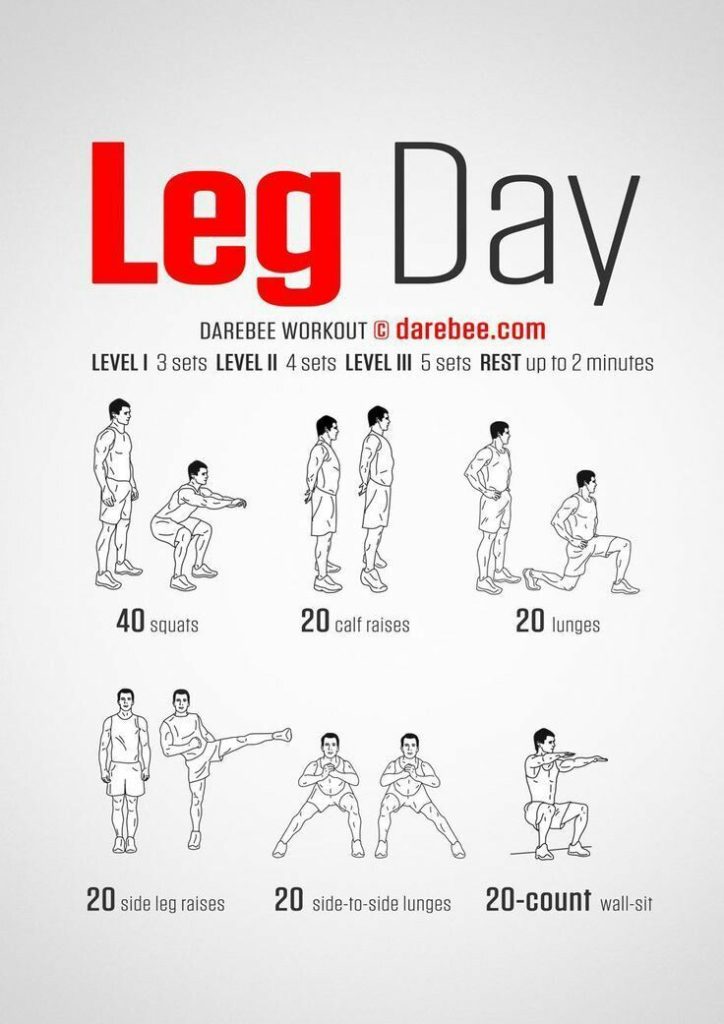
Do you want stronger, toned legs without stepping foot in a gym? Imagine getting those powerful thighs and sculpted calves right from the comfort of your living room.
At-home leg workouts can be just as effective, saving you time and money. You’re about to discover simple and impactful exercises that will transform your lower body. No fancy equipment, no expensive memberships—just you, your determination, and a bit of floor space.
Ready to unlock the secret to leg workouts that fit into your busy life? Keep reading to find out how you can achieve enviable results with minimal fuss.
Benefits Of Leg Workouts
Leg workouts are not just about sculpting strong thighs and calves; they offer a multitude of benefits that can enhance your overall health and fitness. Whether you’re looking to boost your metabolism, improve your balance, or simply enjoy a more active lifestyle, leg exercises can be your perfect at-home workout solution. Imagine taking the stairs effortlessly after a few weeks of consistent leg training. Let’s dive into why leg workouts are a game-changer for your fitness routine.
Boosts Metabolism
Leg exercises burn a significant amount of calories, which helps to increase your metabolic rate. Squats, lunges, and deadlifts engage large muscle groups, demanding more energy and thus burning more calories. Have you ever noticed how your heart races after a set of squats? That’s your metabolism getting a kick-start.
Enhances Balance And Stability
Strengthening your legs improves your balance and stability, reducing the risk of falls and injuries. Try standing on one leg while brushing your teeth; you’ll be surprised at how challenging it can be. Leg workouts help you perfect this skill, offering better control over your body.
Promotes Healthy Bones
Weight-bearing exercises like lunges and squats stimulate bone growth, reducing the risk of osteoporosis. As you push your limits with these workouts, your bones respond by becoming denser and stronger. Imagine the confidence of knowing your bones are getting healthier with every leg day.
Improves Athletic Performance
Strong legs contribute to better performance in sports and physical activities. Whether you’re running, jumping, or cycling, powerful legs give you an edge. Picture yourself outpacing your friends during a weekend hike; strong legs can make that a reality.
Facilitates Daily Activities
Leg strength makes everyday activities easier. From carrying groceries to playing with your kids, leg workouts give you the stamina needed for these tasks. Ever tried carrying a heavy bag up the stairs? With regular leg exercises, you’ll find it much more manageable.
Are you ready to transform your fitness journey with leg workouts? Remember, consistency is key. Challenge yourself and see how these benefits can reshape your daily life.
Essential Equipment
Squats and lunges become effective with basic equipment like resistance bands and dumbbells. Stability balls enhance workouts, adding variety to leg exercises.
Are you ready to transform your leg workouts at home? Having the right equipment can make all the difference in your exercise routine. You don’t need a gym membership to build strong, toned legs—just a few essential tools that will help you maximize your workout. Let’s dive into the equipment that can elevate your leg training to new heights.Resistance Bands
Resistance bands are a game-changer for home workouts. They’re compact, affordable, and incredibly versatile. You can use them for exercises like squats, lunges, and leg presses. They add extra tension, helping you build strength and endurance. Imagine doing squats with a resistance band around your thighs. Feel the burn and watch your legs get stronger! The bands come in various resistance levels, so you can gradually increase the challenge as you progress. Plus, they fit easily into a drawer or travel bag, making them perfect for workouts on the go.Dumbbells
Dumbbells are a staple in any home workout. They offer versatility and can be used for a multitude of leg exercises. From weighted lunges to calf raises, dumbbells enhance the intensity and effectiveness of your routine. Think about adding dumbbells to your lunges. Notice the added challenge and increased muscle engagement. Start with lighter weights and gradually increase as your strength improves. Having a pair of adjustable dumbbells is ideal, allowing you to tailor the weight to your workout needs without cluttering your space.Step Platform
A step platform is not just for aerobics. It can be a powerful tool for leg workouts. Use it for step-ups, Bulgarian split squats, or even plyometric jumps to boost your cardio and strength simultaneously. Picture yourself doing step-ups on a platform. Feel your heart rate rise and your legs working hard. It’s a simple yet effective way to get your muscles firing. Ensure the platform is sturdy and adjustable to fit different heights and intensities, making it a versatile addition to your home gym.Foam Roller
Don’t underestimate the power of recovery in your workout routine. A foam roller helps in muscle recovery and flexibility. Use it after your workout to relieve tension and soreness. Consider rolling out your quads and hamstrings with a foam roller. Feel the relief and aid your muscles in recovery. It’s not just about building strength; it’s about maintaining it, and a foam roller is essential for that. A few minutes of rolling can make your next workout more effective and less painful.Yoga Mat
A yoga mat isn’t just for yoga. It provides a comfortable surface for floor exercises and stretches. Use it for exercises like leg raises or glute bridges, where you need support and cushioning. Think about doing glute bridges on a yoga mat. Feel the comfort and focus on your form without worrying about hard surfaces. It keeps your workout safe and enjoyable, and it’s easy to store away when not in use. — With these essential pieces of equipment, you’re set to take your leg workouts to the next level right from the comfort of your home. What equipment will you start using today to boost your leg day?Warm-up Routine
Starting your workout with a proper warm-up is essential. It prepares your muscles and increases blood flow. This reduces the risk of injury. A good warm-up routine boosts your workout performance. It also sets the right tone for the session.
Dynamic Stretching
Begin with dynamic stretches. These stretches increase flexibility and mobility. They get your muscles ready for action. Leg swings and lunges are perfect choices. Perform each stretch for about 30 seconds. Feel your muscles awaken.
Light Cardio
Move on to light cardio exercises. They elevate your heart rate gradually. Jumping jacks or high knees are effective options. Spend 5 minutes on these exercises. Keep the pace moderate. This gets your blood pumping.
Activation Exercises
Include activation exercises to engage key leg muscles. Focus on glutes, hamstrings, and quads. Try glute bridges or leg circles. Perform 10 to 15 reps for each. Ensure proper form. Activation prepares muscles for heavier loads.
Joint Mobility
Finish with joint mobility exercises. These exercises lubricate your joints. Knee circles and ankle rotations are beneficial. Spend a few minutes on each. Ensure smooth, controlled movements. Your joints will thank you.
Bodyweight Exercises
Bodyweight exercises are perfect for building leg strength at home. They require no equipment and can be done in small spaces. These exercises target major leg muscles and improve balance. You can easily adjust the intensity to suit your fitness level.
Squats Variations
Squats are a fundamental leg exercise. Start with regular squats to engage your thighs and glutes. Stand with feet shoulder-width apart. Bend your knees and lower your body, keeping your back straight. For a challenge, try jump squats. Add explosive movement to your squat routine. It enhances your cardiovascular strength and power.
Pistol squats are another variation. They target one leg at a time. Balance on one foot and lower your body slowly. This builds strength and improves balance. Incorporate these variations for a comprehensive leg workout.
Lunges Techniques
Lunges are excellent for targeting the quads and hamstrings. Step forward with one foot and lower your hips. Keep your front knee over your ankle. Alternate legs for balanced muscle development. Reverse lunges add a different dynamic. Step backward instead of forward. It reduces knee strain and improves stability.
Try side lunges to engage inner thighs. Step sideways and bend one knee while keeping the other leg straight. This variation helps in building lateral strength. Mix these techniques for a varied workout routine.
Calf Raises
Calf raises focus on the lower leg muscles. Stand tall and lift your heels off the ground. Pause at the top and slowly lower down. This simple movement strengthens your calves effectively. To increase intensity, perform single-leg calf raises. Balance on one leg while lifting your heel.
Wall calf raises are another option. Place your hands against a wall for support. Lift your heels, hold, and lower slowly. These variations improve muscle endurance and definition. Include them regularly for noticeable results.
Resistance Band Exercises
Resistance band exercises are a fantastic way to build leg strength without needing heavy gym equipment. These bands are compact, affordable, and versatile, making them perfect for your home workout routine. You can easily adjust the intensity by choosing bands with different resistance levels. Are you ready to challenge your legs and achieve those fitness goals?
Band Squats
Squats with resistance bands add a new dimension to your leg workout. Place the band just above your knees and stand with your feet shoulder-width apart. Lower into a squat, keeping your back straight and knees aligned with your toes. The band will provide resistance, making each squat more effective. Feel the burn as your muscles work harder to keep your form. Squats are not just a leg exercise; they engage your core too. How many can you do before your legs start to shake?
Leg Press Alternatives
If you miss the leg press machine, try this band exercise. Loop the band around a sturdy object and position yourself as if seated in a leg press. Push your legs against the band’s resistance, mimicking the leg press motion. This exercise targets your quads and glutes effectively. You might feel it’s different from the machine, but the results speak for themselves. Who needs bulky gym equipment when a simple band can do the trick?
Lateral Band Walks
Lateral band walks are perfect for targeting your hip abductors. Place the band around your ankles or knees, and take side steps, maintaining tension in the band. Keep your knees slightly bent and your core engaged. This exercise strengthens your legs and improves stability. You’ll notice a difference in your side-to-side movements. How far can you walk before your legs ask for a break?
Resistance bands offer endless possibilities for your leg workouts. They’re simple, effective, and can be tailored to your fitness level. Ready to try these exercises and step up your fitness game?

Credit: www.maplebear.bg
Dumbbell Workouts
Transform your home into a gym with dumbbell workouts for legs. Squats, lunges, and deadlifts build strength and tone muscles. Easy exercises boost leg endurance and balance effectively.
Working out at home offers flexibility and comfort, and with the right equipment, you can target any muscle group effectively. Dumbbell workouts for legs are an excellent choice if you’re looking to build strength and tone your legs without needing a lot of space. Even if you’re new to dumbbells, you can quickly adapt to these workouts. Imagine the satisfaction of feeling your legs getting stronger with each session right in your living room. Let’s dive into some of the most effective dumbbell exercises for your legs that you can easily do at home.Dumbbell Deadlifts
Dumbbell deadlifts are fantastic for targeting the hamstrings, glutes, and lower back. Stand with your feet hip-width apart, holding a dumbbell in each hand. Keep your knees slightly bent and back straight as you hinge at the hips, lowering the dumbbells towards the floor. Feel the stretch in your hamstrings, then push through your heels to stand back up. Remember to keep your core engaged throughout the movement. This exercise not only strengthens your legs but also improves your posture. Are you ready to feel the burn in the back of your legs?Goblet Squats
Goblet squats are simple yet powerful for strengthening your quads and glutes. Hold a dumbbell vertically in front of your chest, with both hands cupping the top end. Stand with your feet shoulder-width apart and slowly lower into a squat, keeping your chest up and elbows inside your knees. Push through your heels to return to standing. This exercise is great for improving your balance and coordination. Have you ever noticed how much easier it becomes to climb stairs after a few weeks of goblet squats?Weighted Step-ups
Weighted step-ups are perfect for targeting your quads and glutes while also engaging your core. Find a sturdy chair or bench and hold a dumbbell in each hand. Step onto the chair with one foot, then bring the other foot up to stand fully on the chair. Step back down with the same foot, then repeat on the other side. Keep your movements controlled to maximize the benefits. This exercise also mimics real-life activities like climbing, making it incredibly practical. How often do you notice the difference when carrying groceries up the stairs after incorporating step-ups into your routine? By adding these dumbbell workouts to your routine, you can effectively strengthen your legs without leaving the comfort of your home. Have you tried these exercises yet? What changes have you noticed in your leg strength and endurance?Cool Down Stretches
Cool down stretches for legs are vital after an at-home workout. They help relax muscles and improve flexibility. Try simple stretches like lunges and toe touches to ease tension and enhance recovery.
After pushing through an intense leg workout at home, cool down stretches are essential. They help your muscles recover and reduce the risk of injury. Cooling down is as crucial as the workout itself, ensuring your body transitions smoothly from high activity to a resting state.Why Cool Down Stretches Matter
Cool down stretches improve flexibility and circulation. This can be the difference between waking up refreshed or feeling stiff. They also provide a moment to relax and reflect on your workout, enhancing your mental well-being.Basic Quad Stretch
Start by standing tall and grasping your left ankle with your left hand. Keep your knees together and pull your foot towards your glutes. Hold this position for 15-30 seconds before switching sides. Feel the stretch in your quadriceps, not your knees.Hamstring Stretch
Sit on the floor with one leg extended and the other tucked in. Reach towards your toes, keeping your back straight. Hold this position for 15-30 seconds, then switch legs. This stretch targets the back of your thighs and aids in preventing soreness.Calf Stretch
Stand facing a wall and place your hands against it. Step one foot back, keeping it flat on the ground, and bend your front knee. Hold for 15-30 seconds and switch legs. This stretch is vital for maintaining flexibility in your calves, which support your knees and ankles.Inner Thigh Stretch
Sit with your feet together and knees bent to the sides. Hold your feet and gently press your knees down towards the floor. Hold for 15-30 seconds. This stretch opens your hips and releases tension in your inner thighs.Reflect And Relax
As you complete your stretches, take a moment to reflect on your workout. Were there areas you found challenging or rewarding? This reflection can guide your future workouts, ensuring you continue to progress safely and effectively. Cool down stretches aren’t just a routine; they are a chance to connect with your body. Next time you finish a leg workout, take the time to stretch and see how it enhances your fitness journey. Do you have a favorite stretch that you swear by? Share it in the comments below!
Credit: www.facebook.com
Tips For Consistency
Staying consistent with your at-home leg workouts can be challenging. Life throws curveballs, motivation dips, and distractions are everywhere. Yet, consistency is the secret sauce that transforms your leg workouts from a mere routine into powerful progress. Let’s dive into some practical tips that can help you keep your workout momentum going strong.
Set Clear Goals
Define what you want to achieve with your leg workouts. Is it building muscle strength, increasing endurance, or toning? Setting specific goals gives you a target to aim for and fuels your motivation. Imagine how great it will feel to reach those milestones!
Create A Schedule
Make your workouts a non-negotiable part of your week. Choose days and times that suit your lifestyle and stick to them. Treat your workout time like an important appointment, because it truly is. Consistency in timing helps build a routine that becomes second nature.
Track Your Progress
Keep a log of your workouts. Note the exercises, reps, sets, and how you feel afterward. Seeing your progress on paper can be incredibly motivating. It’s like watching a plant grow; small changes add up to big results over time.
Mix Things Up
Routine can be boring. Avoid monotony by varying your exercises. Swap squats for lunges, or try wall sits instead of calf raises. Changing it up keeps you interested and challenges your muscles in new ways. What new exercise have you tried lately?
Find A Workout Buddy
Working out with a friend can boost your consistency. You hold each other accountable and share the journey. Having a buddy makes workouts more enjoyable and less like a chore. Plus, a little friendly competition can push you further than you’d go alone.
Celebrate Small Wins
Every bit of progress counts. Did you add an extra set of lunges? Celebrate it! Small achievements build up over time, leading to big changes. Acknowledging these wins keeps your motivation high and reminds you that you’re making strides.
Consistency doesn’t have to be a struggle. By setting goals, scheduling, tracking, mixing things up, finding a buddy, and celebrating wins, you can keep your leg workouts on track. What’s your strategy for staying consistent?
Tracking Progress
Tracking progress in your at-home leg workout can motivate you. It helps you see improvements and keep pushing forward. Knowing how far you’ve come is crucial. It builds confidence and encourages consistency.
Setting Clear Goals
Start by setting clear, achievable goals. Define what success looks like for you. Whether it’s increased strength or muscle tone, have a target in mind. Write these goals down. This makes them real and tangible.
Measuring Strength Improvements
Track your strength gains using simple methods. Record the number of squats or lunges you do. Increase the count as you get stronger. Use a calendar to note your progress weekly.
Monitoring Muscle Growth
Muscle growth can be tracked visually. Take photos of your legs every month. Compare them to see changes. Notice the definition and size. Use a measuring tape around your thighs and calves. Document these numbers regularly.
Recording Workout Frequency
Consistency is key. Keep a record of how often you exercise. Use a notebook or app to log your workouts. Aim for regular sessions each week. This helps maintain progress and keep motivation high.
Using Technology To Track
Apps can simplify tracking. Find fitness apps that suit your needs. They offer tools to log exercises and monitor progress. Some apps provide reminders and motivational tips.
Celebrating Small Wins
Celebrate small achievements along the way. Every milestone is a step forward. Reward yourself when you reach a goal. This reinforces positive behavior and keeps enthusiasm alive.
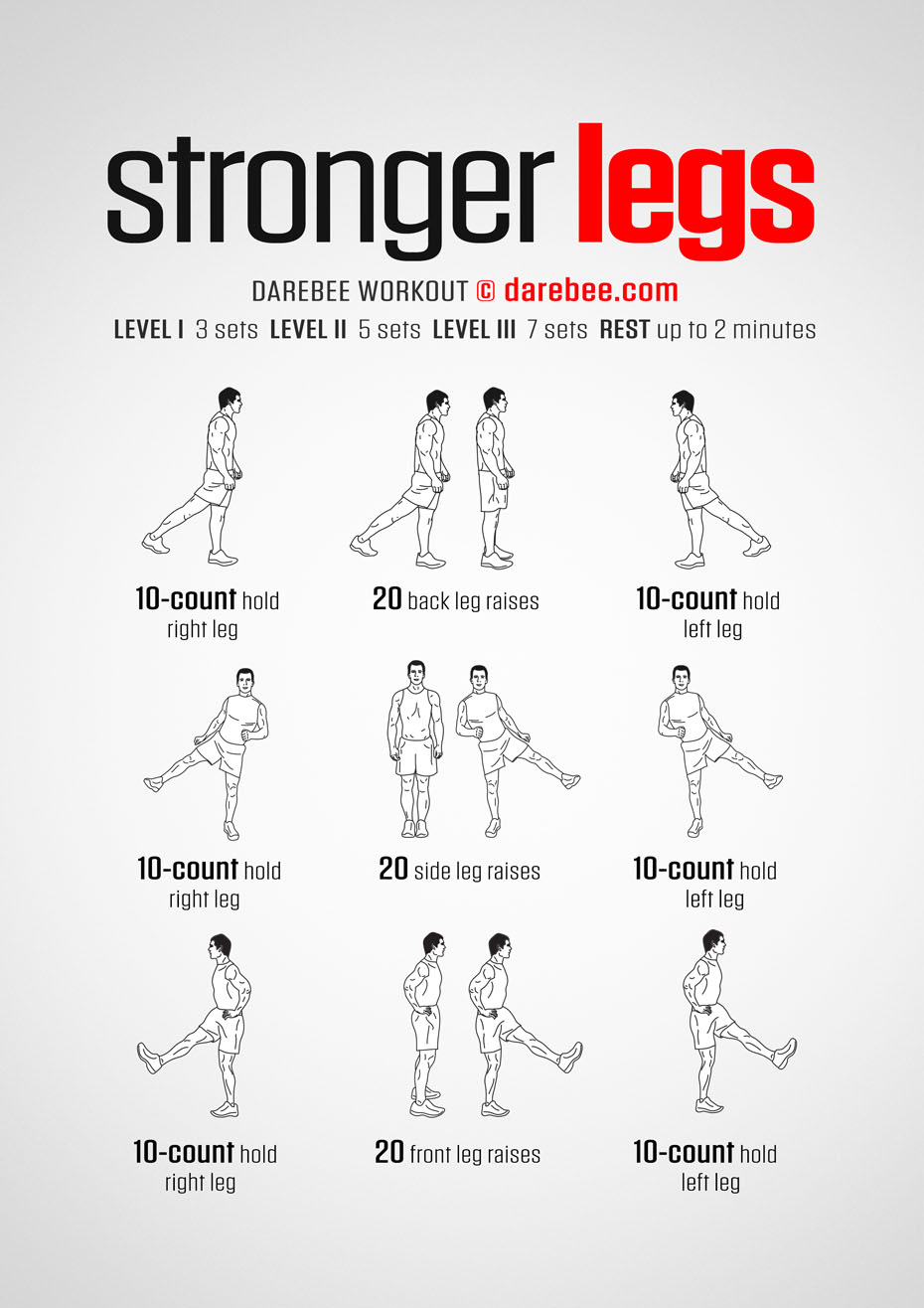
Credit: darebee.com
Frequently Asked Questions
Can I Build Leg Muscle Without Weights?
Yes, you can build leg muscle without weights. Perform exercises like squats, lunges, and step-ups. Utilize resistance bands for added intensity. Consistency and proper form are key. Incorporate variations like jump squats or pistol squats for challenges. Maintain a balanced diet to support muscle growth.
What Home Workout Is Best For Legs?
Squats are excellent for strengthening leg muscles at home. Lunges also target quadriceps and hamstrings effectively. Include calf raises to enhance lower leg strength. For variety, try step-ups using a sturdy chair or bench. Incorporate these exercises into your routine for balanced leg development without equipment.
Are 4 Exercises Enough For Leg Day?
Four exercises can be enough for leg day if they’re compound and target major muscle groups. Focus on squats, lunges, deadlifts, and leg presses. Ensure proper form and adequate intensity for effective results. Listen to your body and adjust based on your fitness level and goals.
Is 5 Exercises Enough For Legs?
Five exercises can be sufficient for leg training if they target different muscle groups. Include squats, lunges, deadlifts, leg presses, and calf raises for a balanced workout. Ensure proper form and progressively increase intensity for best results. Adjust based on fitness level and goals.
Conclusion
Building strong legs at home is simple and effective. No need for fancy equipment. Just dedication and a clear routine. Regular exercise strengthens muscles and boosts energy. Squats, lunges, and calf raises work wonders. Consistency is key. Set goals and track progress.
Stay committed to your workout schedule. Enjoy the benefits of strong, toned legs. Feel healthier and more confident with each session. Remember, every step counts towards a fitter you. Embrace the journey to better health. It’s all about making small, steady changes.
Keep moving forward, and enjoy the process.








