Are you looking for a way to boost your fitness without leaving your home? At home sprint workouts might be just what you need.
Imagine achieving the benefits of intense cardio, improving your speed, and burning calories faster—all from your living room or backyard. This isn’t just about getting fit; it’s about transforming your exercise routine with bursts of energy that leave you feeling invincible.
These workouts are designed to fit into your busy schedule, requiring minimal space and no fancy equipment. Ready to unlock a new level of fitness? Keep reading to discover how you can maximize your workout results with at home sprint workouts. Your fitness transformation starts here.
Benefits Of Sprint Workouts
Sprint workouts at home boost cardiovascular health and burn calories quickly. They enhance muscle strength, requiring minimal equipment. Short bursts of intense exercise increase endurance, making them efficient for busy schedules.
Sprint workouts are a fantastic way to boost your fitness levels and can easily be done at home. These high-intensity exercises bring a variety of benefits that can enhance your physical and mental well-being. Let’s dive into the key benefits of sprint workouts and how they can transform your exercise routine.Improved Cardiovascular Health
Sprint workouts push your heart rate up quickly, which strengthens your heart. A stronger heart pumps blood more efficiently, reducing the risk of heart disease. You’ll also find that regular sprinting can improve your stamina over time.Efficient Calorie Burn
Want to burn calories fast? Sprint workouts are incredibly effective. Even a short session can torch calories, making them perfect for those with tight schedules. After my own sprint sessions, I noticed my energy levels soar and my waistline shrink.Enhanced Muscle Tone
Sprinting isn’t just about speed—it’s a full-body workout. It engages your legs, core, and even your arms. You’ll see improvements in muscle tone and strength, especially in your lower body, without needing extra equipment.Boosted Metabolism
Sprints can increase your metabolic rate long after you’ve finished exercising. This means your body continues to burn calories at a higher rate even at rest. Why not maximize your workout benefits by adding sprints to your weekly routine?Time Efficiency
Struggling to find time for a workout? Sprinting is your answer. A quick 15-20 minute session can be just as effective as longer workouts. Perfect for busy days when you want a quick yet powerful exercise session.Improved Mental Health
Exercise is known for boosting mood, and sprints are no exception. They release endorphins that can help reduce stress and anxiety. Have you noticed how a good workout can lighten your mood and clear your mind?Increased Flexibility And Mobility
Regular sprint workouts can improve your flexibility and mobility. They involve dynamic movements that stretch and strengthen your muscles. As a result, you may find yourself moving with greater ease in daily activities. Sprint workouts are more than just a quick way to get fit—they offer a variety of benefits that can make a significant difference in your life. So, why not lace up your shoes and give sprinting a try? Your body and mind will thank you.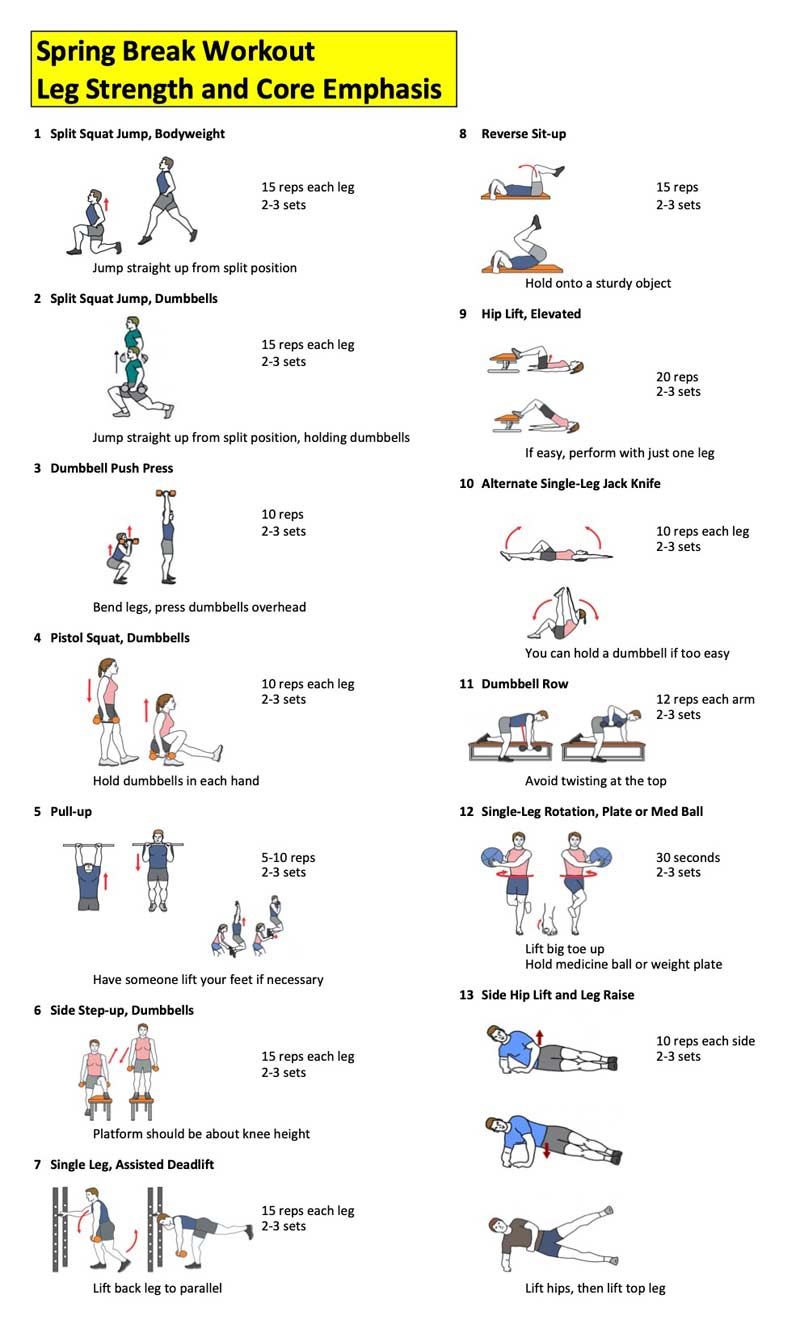
Credit: simplifaster.com
Essential Gear For Home Sprints
Home sprint workouts offer convenience and flexibility. Essential gear enhances your experience and performance. With the right equipment, you can effectively train without leaving your house. This section explores crucial items needed for successful home sprints.
Running Shoes
Proper footwear is crucial for sprint workouts at home. Running shoes provide support and cushioning. They help prevent injuries. Choose shoes with good grip for indoor surfaces.
Resistance Bands
Resistance bands add intensity to your sprints. They are versatile and portable. Use them to strengthen muscles and improve speed. Incorporate them into your routine for better results.
Stopwatch
A stopwatch tracks your sprint times. Measure your progress accurately. Timing helps set goals and challenge yourself. It’s a must-have for serious training.
Workout Mat
A workout mat protects your floor during exercises. It provides a comfortable surface for warm-ups. Choose a durable mat that suits your space. It’s essential for any indoor workout.
Water Bottle
Stay hydrated during intense sprints. Keep a water bottle close by. Hydration boosts performance and recovery. Drink regularly to maintain energy levels.
Fitness Tracker
Fitness trackers monitor your workout metrics. Track your heart rate and calories burned. Use them to analyze your sprint performance. They provide valuable insights for improvement.
Foam Roller
A foam roller aids recovery. Use it to relax muscles after sprints. It helps reduce soreness and improve flexibility. Incorporate it into your post-workout routine.
Comfortable Clothing
Wear breathable clothing for home sprints. Comfort enhances performance. Choose attire that allows free movement. It keeps you focused on your workout.
Warm-up Routine
Starting a sprint workout at home requires a proper warm-up. This routine prepares your muscles and joints for the intense activity ahead. Warming up reduces the risk of injury and enhances performance. It also improves flexibility and blood flow. Follow these steps for a safe and effective warm-up.
Dynamic Stretching
Begin with dynamic stretching to activate your muscles. Focus on movements that mimic sprinting. Leg swings are great for loosening your hips. Arm circles help prepare your shoulders. These movements should be smooth and controlled. Spend about five minutes on this.
Light Jogging
Next, engage in light jogging for three to five minutes. This elevates your heart rate gradually. Jog around your living room or backyard. Keep the pace easy and relaxed. This step increases blood flow to your muscles.
High Knees
Incorporate high knees to boost your energy levels. Lift your knees towards your chest as you jog in place. This exercise warms up your legs and core. Perform high knees for one minute. Maintain a steady rhythm for effectiveness.
Butt Kickers
Butt kickers target your hamstrings and glutes. Jog in place while kicking your heels towards your buttocks. This exercise enhances flexibility and power. Do this for about a minute. It’s a fun way to prepare for sprints.
Lunges
Finally, perform lunges to stretch your legs thoroughly. Step forward with one leg and bend both knees. Keep your back straight and core engaged. Alternate between legs for a balanced stretch. Spend two minutes on lunges before beginning your workout.
Credit: www.garagegymreviews.com
Basic Sprint Drills
Basic sprint drills improve speed and endurance. They are easy to perform at home. These drills require minimal space and equipment. Perfect for beginners. You can enhance your running technique with these exercises. They increase flexibility and strength. Let’s explore some simple sprint drills.
High Knees
High knees warm up your muscles. Stand tall with feet hip-width apart. Start jogging in place. Lift your knees as high as possible. Keep a fast pace. Swing your arms to balance. This drill boosts coordination. It strengthens leg muscles effectively.
Butt Kickers
Butt kickers improve flexibility. Stand straight with feet together. Begin jogging in place. Kick your heels toward your butt. Move quickly but stay controlled. This exercise stretches the quadriceps. It helps in enhancing speed.
Strides
Strides focus on speed and form. Find a flat surface to run. Start with a light jog. Gradually increase speed with long steps. Maintain form and control. Repeat several times for best results. This drill sharpens sprinting technique.
Advanced Sprint Techniques
Advanced sprint techniques can elevate your at-home workouts. These methods challenge your body and improve speed and endurance. By incorporating these techniques, you take your sprint training to the next level. Let’s explore some advanced techniques you can try at home.
Hill Sprints
Hill sprints add resistance to your workout. They engage more muscles and increase intensity. Find a hill nearby or use an inclined treadmill. Start with a warm-up to prepare your muscles. Sprint uphill for 20 to 30 seconds. Walk back down to recover. Repeat this cycle 5 to 10 times. Hill sprints build strength and boost cardiovascular health.
Stair Sprints
Stair sprints offer a powerful workout option. They increase agility and coordination. Use a flight of stairs in your home or at a park. Sprint up the stairs as fast as you can. Walk down for recovery. Repeat this for 10 to 15 minutes. Stair sprints improve leg strength and stamina. They are perfect for a quick and effective workout.
Interval Training
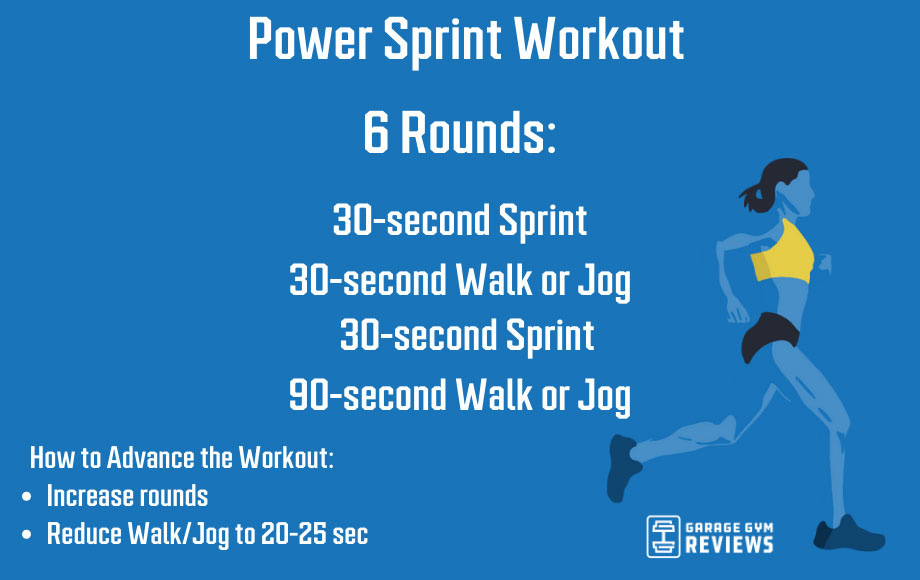
Interval training mixes short bursts of speed with rest. It burns calories and enhances endurance. Set a timer for 30 seconds of sprinting. Follow with 30 seconds of walking or resting. Repeat this cycle for 15 to 20 minutes. You can adjust the times to suit your fitness level. Interval training keeps your heart rate high and muscles engaged.
Incorporating Strength Training
Enhance your at-home sprint workouts by adding strength training exercises. Boost muscle power and improve overall sprint performance. Simple moves like squats and lunges can make a big difference.
Incorporating strength training into your at-home sprint workouts adds a new dimension to your fitness routine. It enhances your speed and power while reducing the risk of injury. Strength training doesn’t require heavy weights or a gym; you can achieve impressive results with just your body weight or simple tools like resistance bands.Bodyweight Exercises
Bodyweight exercises are a fantastic addition to your sprint workouts. They build muscle strength and improve overall performance. Incorporate push-ups, squats, and lunges into your routine to target major muscle groups. Push-ups work wonders for your upper body, enhancing arm, chest, and core strength. Squats and lunges focus on your lower body, crucial for sprinting power and endurance. A friend once told me that adding just 15 minutes of bodyweight exercises daily transformed his sprinting speed in weeks. Could the same simple routine work for you?Resistance Band Workouts
Resistance bands are versatile and perfect for strength training at home. They add resistance to your movements, helping you build muscle and improve flexibility. Include exercises like band rows, leg presses, and chest presses. Band rows target your back muscles, essential for maintaining sprinting posture. Leg presses strengthen your quadriceps and hamstrings, boosting your sprinting power. Chest presses enhance upper body strength, contributing to overall sprinting speed. Imagine the convenience of carrying your resistance bands anywhere, ensuring you never miss a workout. Wouldn’t it be great to have a portable gym in your bag? Adding strength training to your sprint workouts is about more than just building muscle. It’s about becoming a faster, more efficient runner. By using bodyweight exercises and resistance bands, you can achieve great results without stepping foot in a gym. Are you ready to take your sprinting to the next level?Cooling Down And Stretching
After an intense sprint workout at home, cooling down is vital. It helps your muscles relax and reduces the risk of injury. Stretching complements this process, enhancing flexibility and promoting recovery. Together, they prepare your body for future workouts and prevent soreness.
Deep Breathing Exercises
Start with deep breathing exercises. Inhale deeply through your nose. Hold your breath for a few seconds. Then exhale slowly through your mouth. This practice lowers your heart rate. It also calms your mind. Repeat this process for five minutes.
Leg Stretches
Focus on your legs with simple stretches. Sit on the floor with legs extended. Reach for your toes gently. Feel the stretch in your hamstrings. Hold this position for 15 seconds. Then relax and repeat twice more.
Arm And Shoulder Stretches
Stand with feet shoulder-width apart. Extend one arm across your chest. Use your opposite hand to hold it. Feel the stretch in your shoulder. Hold for 15 seconds. Switch to the other arm and repeat.
Neck And Back Relaxation
Sit or stand straight. Tilt your head towards one shoulder. Hold for 10 seconds. Then switch sides. For your back, bend forward slowly. Let your arms hang towards the floor. Feel the stretch in your lower back.
Cool Down Walk
Finish with a five-minute walk around your home. Keep the pace gentle. This helps your body return to a resting state. It also aids in flushing out lactic acid. A simple walk can make a big difference.
Tracking Progress
Tracking progress is crucial in at-home sprint workouts. It helps you stay motivated and see improvements. Consistent tracking can boost your confidence and drive you forward.
Two effective methods for tracking progress include using apps and keeping a journal. Let’s explore these options.
Using Apps
Apps make tracking easy and efficient. Many apps track speed, distance, and time. They provide instant feedback on your performance.
Some apps offer training plans and tips. They keep you engaged and informed. You can set goals and monitor achievements easily.
Keeping A Journal
A journal offers a personal touch. Writing down your progress helps reinforce accomplishments. It provides a clear record of your journey.
Note your feelings after each workout. Track your energy levels and improvements. Reflecting on past entries can boost motivation.
Choose a method that suits your style. Stay committed to tracking progress. Watch your sprint performance improve over time.
Safety Tips For Home Sprints
Ensure a clear space for home sprints to prevent injuries. Use proper footwear for grip and support. Warm up before starting to prepare muscles and joints.
Sprinting at home can be a fantastic way to boost your fitness level. It offers convenience and flexibility, allowing you to work out without the need for a gym membership. However, safety should always be your top priority. By following some simple guidelines, you can ensure your home sprint workouts are both effective and safe. Let’s dive into some essential safety tips to keep in mind.Check Your Space
Before you start sprinting, take a moment to assess your area. Make sure your path is clear of any obstacles like furniture or loose items. A clutter-free zone minimizes the risk of tripping or falling. Consider the surface you’re sprinting on; a flat, non-slip surface is ideal.Wear Proper Footwear
What you wear on your feet can make a huge difference. Opt for shoes with good grip and support to protect your feet and ankles. Avoid running barefoot or in socks on slippery floors. Your shoes should fit well and be appropriate for sprinting to prevent injuries.Warm Up Before You Sprint
A proper warm-up is crucial. Spend at least five to ten minutes warming up your muscles with dynamic stretches and light jogging. This prepares your body for the intense activity of sprinting and reduces the risk of muscle strains.Stay Hydrated
Hydration is key to performance and safety. Drink water before, during, and after your workout. Dehydration can lead to dizziness or cramps, which can be dangerous when sprinting. Keep a water bottle nearby and take regular sips.Listen To Your Body
Pay attention to how you feel during your workout. If you experience any pain or discomfort, stop immediately. Don’t push through injuries; they can worsen and lead to longer recovery times. Always prioritize your health over hitting a new sprint record.Cool Down Properly
After your sprint workout, don’t skip the cooldown. Spend a few minutes stretching to help your muscles relax and recover. Cooling down helps prevent stiffness and promotes better flexibility. What’s your cooldown routine like? Perhaps it’s time to add some new stretches. Safety doesn’t have to be complicated, but it does require attention. By following these tips, you can sprint confidently at home, knowing you’re taking care of your body.Creating A Sprint Workout Plan
Create an effective sprint workout plan at home with simple exercises. Focus on short bursts of speed. Combine sprints with rest periods to boost fitness. Mix in jumping jacks or high knees for variety. Enjoy a quick, energizing session without needing any special equipment or large space.
Creating a sprint workout plan can transform your at-home fitness routine into a powerhouse of speed and agility. If you’re looking to boost your cardiovascular health or enhance your running performance, a well-structured sprint plan might just be the key. Let’s dive into how you can set clear goals and establish a sustainable weekly schedule.Setting Goals
Start by asking yourself: What do you want to achieve with your sprint workouts? Is it increased speed, better endurance, or weight loss? Defining your purpose helps tailor your workouts to your needs. For example, if weight loss is your target, focus on high-intensity sprints that burn calories efficiently. Break down your goals into manageable steps. Instead of aiming for a faster sprint immediately, aim to increase your speed by a few seconds each week.Weekly Schedule
Structure your week to include a mix of sprint workouts and recovery days. This balance ensures optimal performance without risking injury. Consider starting with three sprint sessions per week. This frequency allows you to push your limits while giving your body time to recover. Variety keeps your routine exciting. Mix short sprints with longer runs or hill sprints to challenge different muscle groups. How will you track your progress? Keeping a log of your times and distances can motivate you and show tangible improvement.
Credit: uk.pinterest.com
Frequently Asked Questions
How To Train For Sprinting At Home?
Warm up with dynamic stretches like leg swings and high knees. Perform sprint drills such as short sprints and hill sprints. Incorporate strength exercises like lunges, squats, and calf raises. Improve technique with agility ladders and cone drills. Stay consistent and track progress for best results.
What Is The 10 20 30 Sprint Workout?
The 10 20 30 sprint workout involves 30 seconds of jogging, 20 seconds of moderate running, and 10 seconds of sprinting. This high-intensity interval training boosts cardiovascular fitness and burns calories efficiently. It’s designed for quick and effective results, suitable for various fitness levels.
What Is A Good Sprint Workout?
A good sprint workout includes a warm-up, 5-10 sprints of 30-60 seconds, and rest between sets. Incorporate high-intensity interval training (HIIT) for increased efficiency. Cool down with light jogging or stretching to prevent injuries. Adjust intensity based on fitness level for optimal results.
How Many 20 Second Sprints Should I Do?
Aim for 4 to 6 sprints per session. Adjust based on fitness level and goals. Rest for 1-2 minutes between sprints for optimal performance. Always listen to your body and consult a fitness professional if unsure.
Conclusion
Sprint workouts at home can boost your fitness. They are simple and effective. You need minimal space and equipment. Consistency is key for progress. Always warm up before starting. Cool down after workouts to prevent injury. Adjust intensity to match your fitness level.
Track your progress regularly. Enjoy the benefits of improved speed and endurance. Stay committed to your goals. Keep pushing your limits. Sprinting can enhance overall health and well-being. It’s a great way to stay active at home. Ready to start your sprint journey?
Get moving today!








