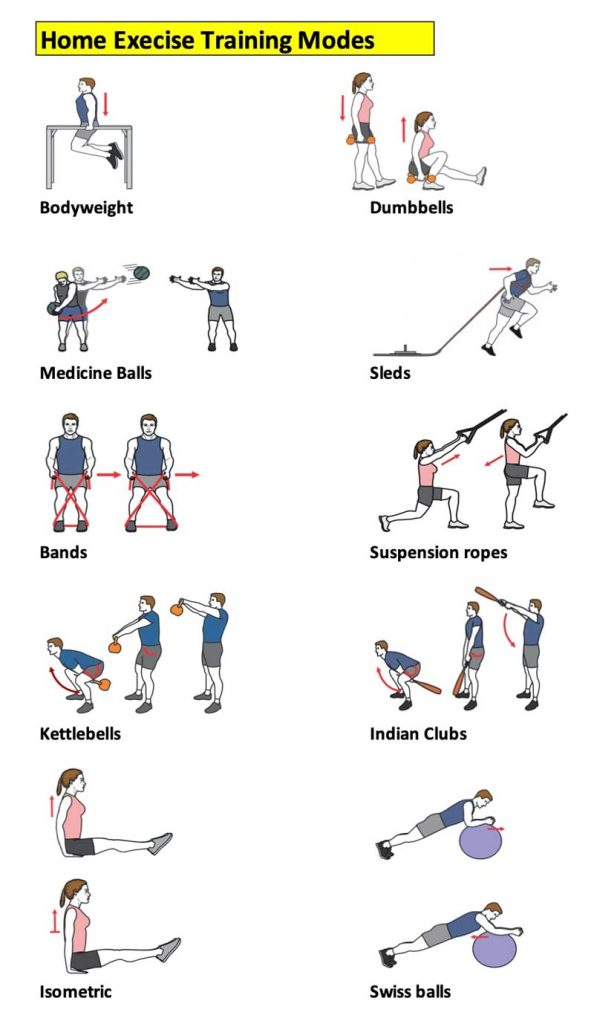
Feeling stuck in your fitness routine? Imagine boosting your running speed without ever leaving your home.
At-home speed workouts are your gateway to a more dynamic and efficient exercise regimen. You don’t need a fancy gym membership or a track—just a bit of motivation and a small space. These workouts are designed to fit into your busy life, helping you achieve faster times and greater endurance.
Curious about how you can transform your pace and get ahead in your fitness game? Keep reading to discover simple yet effective speed workouts that will elevate your performance and fit seamlessly into your daily routine.
Benefits Of Speed Workouts
Speed workouts are not just for athletes. They benefit everyone. These workouts improve your overall fitness level. You gain strength, flexibility, and endurance. Speed workouts can be done at home. They require little to no equipment. This makes them accessible to all.
Improved Cardiovascular Health
Speed workouts boost heart health. They increase your heart rate quickly. This strengthens your heart over time. A strong heart pumps blood efficiently. It reduces the risk of heart disease.
Enhanced Muscle Strength
Speed workouts build muscle strength. Short bursts of intense activity target muscle fibers. This promotes muscle growth. Strong muscles support daily activities. They also protect against injuries.
Increased Metabolism
Speed workouts boost your metabolism. Short, intense exercises burn calories fast. Your body continues to burn calories post-workout. This helps in weight management. A higher metabolism means more energy.
Better Mental Health
Exercise releases endorphins. These are chemicals that make you feel good. Speed workouts reduce stress and anxiety. They improve your mood. A positive mindset enhances your daily life.
Improved Agility And Coordination
Speed workouts improve agility. Quick movements enhance coordination. Better agility helps in various sports. It also aids in daily activities. Being agile reduces the risk of falls and accidents.
Essential Warm-up Exercises
Warming up is crucial before any speed workout. It prepares your body for intense activity. Proper warm-ups reduce the risk of injury. They improve performance too. Warm muscles are less prone to strains. Essential exercises activate major muscle groups.
Dynamic Stretches
Dynamic stretches keep your muscles active. They involve movement. High knees and butt kicks are great examples. These stretches increase heart rate. They enhance flexibility. Dynamic stretches are vital for speed workouts.
Leg Swings
Leg swings are simple yet effective. Stand next to a wall. Swing one leg forward and back. Switch legs after a few swings. This warms up hip flexors. It improves range of motion. Leg swings are essential before sprinting.
Arm Circles
Arm circles prepare your upper body. Extend your arms sideways. Rotate them in circular motions. Start small, then enlarge the circles. Arm circles boost shoulder mobility. They are quick and easy to do. Perfect for warming up.
Walking Lunges
Walking lunges stretch and strengthen legs. Step forward with one leg. Bend both knees to 90 degrees. Push back to start. Repeat with the other leg. Lunges improve balance and coordination. They activate quads and glutes.
Jumping Jacks
Jumping jacks increase heart rate. Stand with feet together. Jump while spreading arms and legs. Return to the start position. Repeat rapidly. This exercise warms up multiple muscles. Jumping jacks are a fun warm-up.
High Knees Drills
High knees drills boost speed and endurance. This workout is simple yet effective. It requires no equipment and minimal space. Perfect for home workouts. High knees increase heart rate quickly. They engage multiple muscle groups. A great way to warm up or add intensity to your routine.
What Are High Knees Drills?
High knees involve running in place. Lift knees as high as possible. Keep a fast pace. It mimics sprinting without covering distance. Ideal for cardiovascular fitness. It also improves coordination and balance.
Benefits Of High Knees
High knees improve agility. They strengthen leg muscles. Calves, thighs, and glutes get a good workout. Boost your metabolism with this exercise. It burns calories efficiently. Helps in weight management.
How To Perform High Knees
Stand tall with feet hip-width apart. Start jogging in place. Bring knees up toward the chest. Pump arms to maintain balance. Keep core tight. Maintain steady breathing. Aim for a quick tempo. Push yourself but stay comfortable.
Incorporating High Knees Into Your Routine
Begin with short intervals. Gradually increase duration as stamina improves. Mix with other exercises for variety. Try circuit training for added challenge. Combine high knees with squats or lunges. Keep workouts engaging and dynamic.
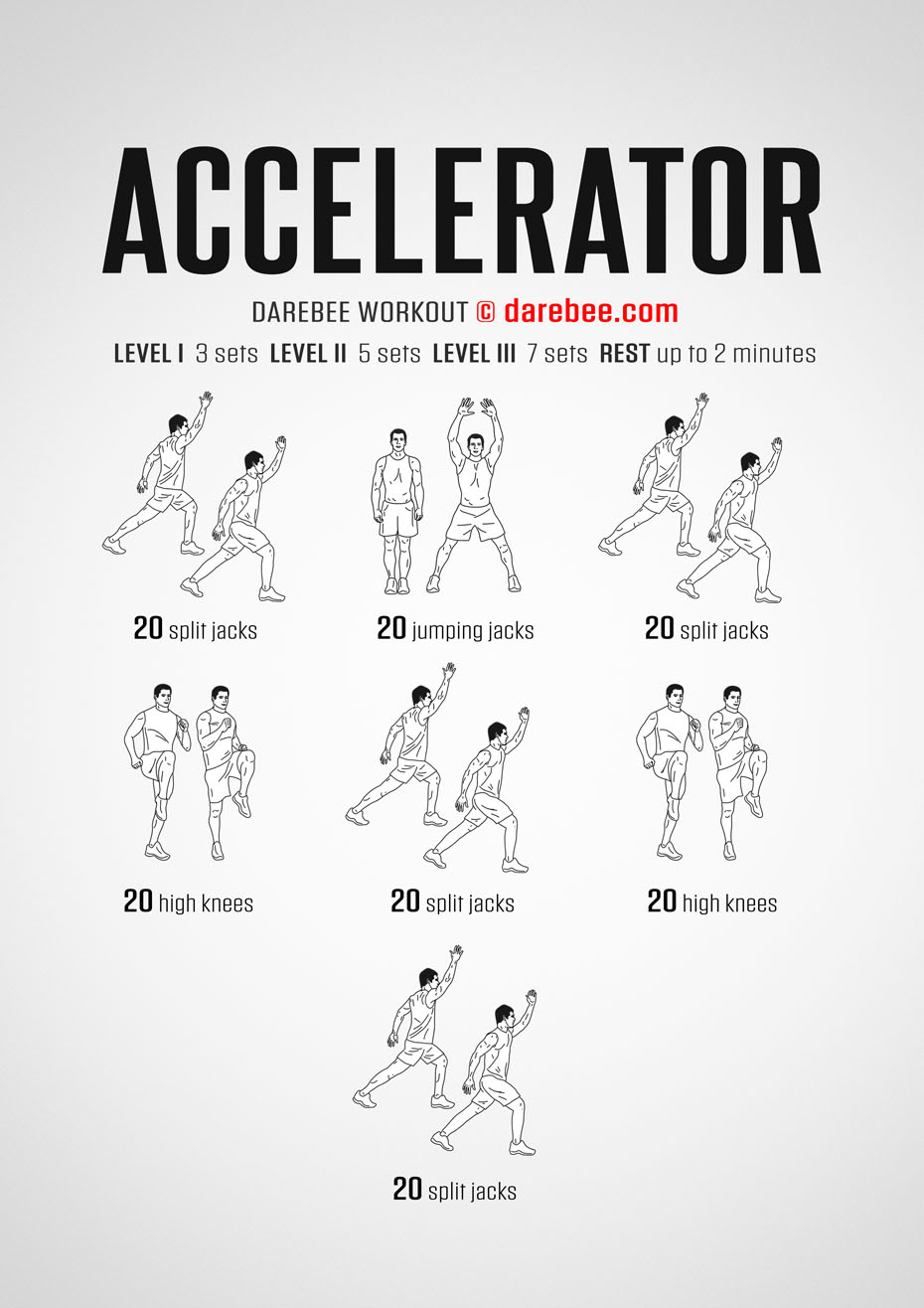
Credit: darebee.com
Butt Kick Exercises
Butt kick exercises boost speed and endurance in home workouts. They improve flexibility and strengthen leg muscles. Simple yet effective, they enhance cardiovascular health and agility.
Butt kick exercises are a fantastic addition to your at-home speed workout routine. They may seem simple, but they pack a punch in enhancing your running speed and flexibility. This dynamic exercise targets your hamstrings, glutes, and cardiovascular endurance, making it a staple for athletes and fitness enthusiasts alike.What Are Butt Kick Exercises?
Butt kick exercises involve lifting your heels to your glutes in a fast-paced motion while jogging or sprinting. This movement mimics the action of running, helping to improve your leg speed and agility. Are you ready to elevate your workout with this simple yet effective exercise?Benefits Of Butt Kick Exercises
You’ll notice increased flexibility in your hamstrings and quadriceps. This exercise engages your core, promoting better posture. Plus, it boosts your cardiovascular health by getting your heart pumping. How often do you focus on your heart health during workouts?Step-by-step Guide To Perform Butt Kick Exercises
1. Start in a standing position with your feet shoulder-width apart. 2. Begin jogging in place while bringing your heels up towards your glutes. 3. Maintain a steady rhythm, ensuring your knees remain below your hips. 4. Keep your core engaged and your back straight throughout the exercise. 5. Aim for 30 seconds to 1 minute of continuous movement. Are you maintaining form while pushing through each step?Common Mistakes And How To Avoid Them
Avoid bending forward or slouching, as this can strain your back. Keep your knees aligned, preventing them from flaring outward. Remember, speed is crucial, but not at the expense of proper form. Can you feel the difference when you maintain perfect posture?Personal Insights On Butt Kick Exercises
I used to overlook this exercise in my routine. Once I added it, I noticed improved leg speed and less fatigue during long runs. Butt kicks became my go-to warm-up before any high-intensity workout. Have you ever underestimated the power of a simple exercise?Integrating Butt Kick Exercises Into Your Routine
Start with 3 sets of 30 seconds, gradually increasing as your stamina improves. Combine them with other speed drills like high knees for a comprehensive workout. Will you take the challenge to enhance your speed and endurance from home? Butt kick exercises are more than just a quick cardio burst. They’re a crucial tool in your fitness arsenal, offering tangible benefits. Consider making them a regular part of your workout. Are you ready to see the results in your speed and flexibility?Plyometric Training
Plyometric training is a powerful tool for enhancing speed and agility. It focuses on explosive movements that engage multiple muscle groups. This type of workout boosts your cardiovascular health and improves muscle power. It requires minimal equipment and can be done at home. Plyometrics are perfect for athletes and fitness enthusiasts alike.
Jump Squats
Jump squats are a staple in plyometric routines. Start by standing with feet shoulder-width apart. Lower into a squat, keeping your chest up. Push through your heels and jump as high as possible. Land softly and return to the squat position. This exercise targets your quads and glutes. It also helps improve your vertical jump and balance.
Box Jumps
Box jumps add variety to your plyometric training. Find a sturdy box or platform. Stand with feet shoulder-width apart, facing the box. Bend your knees slightly and leap onto the box. Land softly with both feet. Step down carefully and repeat. Box jumps enhance coordination and build leg strength. Ensure the box height suits your skill level.

Credit: www.pinterest.com
Interval Training
Interval training is a powerful way to boost your fitness levels without leaving your home. This method alternates between high-intensity bursts and slower-paced recovery periods. It can help you burn more calories, improve cardiovascular health, and break the monotony of regular workouts. Whether you’re a beginner or a seasoned athlete, interval training can be tailored to fit your needs and goals.
Short Sprints
Short sprints are a dynamic way to improve speed and endurance. Find a space at home where you can safely sprint, like a hallway or backyard. Aim for 20-30 seconds of all-out effort followed by a minute of walking or light jogging. Repeat this cycle for 10-15 minutes. You’ll be amazed at how quickly your heart rate climbs. Not only will this boost your metabolism, but it also engages different muscle fibers, enhancing your overall fitness.
Personal experience? The first time I tried short sprints, I was skeptical about their impact. But after just a few sessions, I noticed a significant increase in my running speed and stamina. Have you tried incorporating sprints into your routine? It’s a game-changer!
Timed Runs
Timed runs are another effective interval training method. Set a timer for a specific duration, say one minute, and run at a challenging pace. Once the timer goes off, rest for the same amount of time. This structured approach helps you maintain focus and gradually increase your running capacity. You can adjust the duration as you progress, making it a versatile workout.
Think about how you can challenge yourself. Can you increase the duration by 30 seconds each week? Timed runs not only build endurance but also teach you to pace yourself and manage fatigue. They offer a measurable way to track progress, which can be incredibly motivating.
Interval training, with its variety and intensity, keeps your workouts fresh and effective. By mixing short sprints and timed runs into your routine, you can achieve significant fitness gains without ever stepping foot in a gym. What’s stopping you from trying it today?
Fartlek Workouts
Fartlek workouts are an excellent way to boost your speed. They are playful and flexible. You can adjust them to fit your needs. This running method combines fast and slow paces. It helps improve endurance and speed. You can do Fartlek workouts at home or outdoors. The best part? You don’t need any special equipment.
What Is A Fartlek Workout?
Fartlek means “speed play” in Swedish. It’s a form of interval training. You switch between fast and slow running. This keeps your body guessing. It challenges your muscles in new ways. Fartlek is different from regular interval training. It doesn’t have strict rules or set times. You decide when to speed up or slow down.
Benefits Of Fartlek Workouts
Fartlek workouts offer many benefits. They improve your speed and stamina. Mixing speeds helps your heart and lungs work better. It also burns more calories. This type of workout can reduce boredom. Each session feels fresh and new. Your body and mind stay engaged.
How To Do Fartlek Workouts At Home
Start with a warm-up. Walk or jog for five minutes. Then, choose a landmark or time frame. Run fast until you reach it. Slow down and recover for a few minutes. Repeat this cycle several times. Keep your sessions short at first. Gradually increase the intensity. Listen to your body. Take breaks as needed.
Simple Fartlek Workout Plan
Try this simple plan. Warm-up with a brisk walk for five minutes. Run fast for 30 seconds. Jog slowly for two minutes. Repeat this cycle five times. Cool down with a gentle walk. Stretch your muscles after. This plan is great for beginners. It builds speed and confidence.
Incorporating Resistance Bands
Incorporating resistance bands in your speed workouts at home adds variety. These bands provide tension and help build strength. They are great for enhancing agility and speed.
Resistance bands are easy to use. They come in various levels of tension. Choose the one that fits your fitness level. You can adjust the intensity of your workouts. This makes them perfect for all fitness levels.
Why Resistance Bands Work
Resistance bands offer consistent tension. They engage muscles in a unique way. This challenges your body differently than weights do.
Using bands improves flexibility. It also helps with balance. Your muscles learn to react faster. This enhances your speed over time.
Types Of Resistance Bands
There are loop bands and tube bands. Loop bands are circular. They are great for lower body exercises.
Tube bands have handles. They are better for upper body workouts. Both types can be used in speed training.
Sample Exercises Using Resistance Bands
Try band sprints. Attach the band to a sturdy object. Run forward against the tension.
Do lateral band steps. Place the band around your ankles. Step sideways quickly.
Incorporate band jumps. Hold the band with both hands. Jump up while pushing against the band.
Benefits Of Resistance Band Training
Resistance bands improve muscle tone. They increase endurance. Your speed and agility improve.
They are portable and easy to store. Perfect for small spaces. This makes them ideal for home workouts.
Cool Down And Stretching
Finish your at-home speed workouts with a cool down and stretching routine. This helps muscles relax and recover. A few minutes can improve flexibility and prevent injuries.
After an intense speed workout at home, the cool down and stretching phase is essential for easing your muscles back to a resting state. Skipping this step might lead to stiffness or even injury. Cooling down not only helps your body recover but also enhances your flexibility and range of motion.Why Cool Down Is Crucial
Your heart rate needs time to return to normal after intense exercise. A gradual cool down helps prevent dizziness or fainting. It allows your body to transition smoothly, reducing the risk of muscle soreness.Effective Cool Down Techniques
Walking in place or around your workout area for a few minutes is a good start. This keeps your blood flowing and gradually lowers your heart rate. Breathing deeply during this phase helps oxygenate your muscles.Importance Of Stretching
Stretching after your workout is vital for flexibility. It also helps prevent injury by keeping your muscles supple. Focusing on major muscle groups can ensure you’re ready for the next workout session.Simple Stretching Routine
You can start with basic stretches like touching your toes to stretch your hamstrings. Try a quadriceps stretch by standing on one leg and pulling the opposite ankle towards your buttocks. Hold each stretch for about 15-30 seconds.Personal Experience: The Difference It Makes
I once skipped stretching after a workout due to time constraints. The next day, my muscles were tight and uncomfortable. Since then, I’ve always taken a few minutes to stretch, and I’ve noticed improved flexibility and reduced soreness.Common Stretching Mistakes
Avoid bouncing during stretches as it can cause injuries. Stretching should not be painful, so if you feel pain, ease off the stretch. Always focus on breathing slowly and steadily.Stretching Tools You Can Use
Using a yoga mat can provide cushioning and comfort during stretches. Resistance bands can add more depth to your routine. Foam rollers are excellent for massaging and loosening tight muscles. Do you often skip your cool down and stretching routine due to a busy schedule? Remember, dedicating just a few minutes can make a significant difference in your recovery and performance.Tracking Progress
Monitoring your speed workouts at home boosts motivation. It helps in achieving fitness goals. This section provides tips on tracking progress effectively. Ensuring progress is visible fuels determination. Keep reading to find simple strategies.
Setting Clear Goals
Begin with defining specific objectives. Choose targets that challenge but are achievable. For instance, aim to increase sprint time by 10%. Clear goals clarify your path to improvement.
Utilizing Simple Tools
Use basic tools to measure progress. A stopwatch tracks sprint times accurately. A notebook records daily performance. These tools ensure you capture essential data.
Regular Evaluation
Assess performance consistently. Weekly evaluations reveal improvements or setbacks. Regular checks keep you informed of your workout effectiveness. This practice helps in adjusting plans promptly.
Visualizing Progress
Charts and graphs make results tangible. Visuals represent data clearly. They show progress over time. Seeing improvement visually inspires further effort.
Celebrate Achievements
Recognize and celebrate small victories. Every achievement boosts confidence. Rewards reinforce positive behavior. Celebrations make the journey enjoyable.

Credit: www.pinterest.com
Frequently Asked Questions
How Do I Train My Speed At Home?
Enhance speed at home with interval sprints, agility ladder drills, and high-knee exercises. Incorporate resistance bands for added intensity. Focus on proper form, consistent practice, and adequate rest. Stay hydrated and maintain balanced nutrition to support training.
What Is The 5 4 3 2 1 Workout Method?
The 5 4 3 2 1 workout method is a high-intensity interval training routine. It involves five-minute cardio, four-minute strength, three-minute core, two-minute flexibility, and one-minute rest. This approach provides a balanced workout, enhancing endurance, strength, and flexibility in a concise session.
What Is The 6 12 25 Rule?
The 6 12 25 rule is a guideline for managing tasks. Focus 6 hours on high-priority tasks, 12 hours on medium-priority, and 25 hours on low-priority tasks weekly. This helps balance workload and improve productivity efficiently.
What Is The Best Workout For Speed?
Sprint intervals and plyometric exercises improve speed. Focus on high knees, box jumps, and agility drills. Include strength training for explosive power. Consistency and proper technique are key.
Conclusion
At-home speed workouts offer convenience and flexibility. You save time without a gym trip. Simple exercises improve your speed and strength. Consistency is key to seeing progress. Mix up routines to avoid boredom and keep muscles challenged. Stay motivated by setting small, achievable goals.
Listen to your body and rest when needed. Remember, every effort counts. Celebrate every improvement, no matter how small. Training at home empowers you to control your fitness journey. Embrace the process, and enjoy the benefits of speed workouts. Your health and fitness will thank you.
Stay active, stay healthy.








