Imagine lacing up your running shoes and hitting the pavement, all without stepping outside your front door. Yes, that’s right—your home can become your new favorite running track.
If you’re juggling a busy schedule or just want to skip the gym commute, an at-home running workout might be your perfect solution. Why struggle with unpredictable weather or crowded gym spaces when you can enjoy the convenience and comfort of your own home?
Whether you’re looking to boost your stamina, shed a few pounds, or simply maintain a healthy lifestyle, at-home running workouts can be surprisingly effective. Plus, they’re a fantastic way to stay motivated and consistent. Curious about how to get started and make the most of your space? Keep reading. You’ll discover practical tips, tailored routines, and expert insights that will transform your living room into a dynamic running zone. Get ready to unleash your potential without ever leaving home.
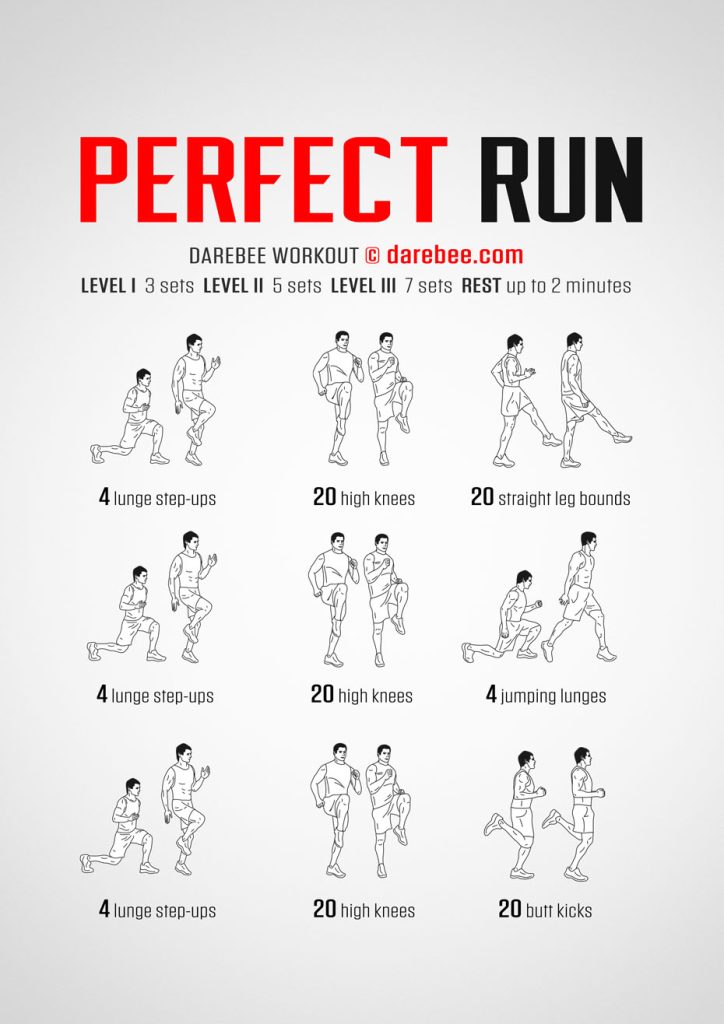
Credit: darebee.com
Benefits Of Running At Home
Running at home saves time and offers convenience, allowing workouts anytime without gym travel. It also provides privacy, helping shy runners feel more comfortable.
Running at home offers a convenient and flexible way to stay fit without needing a gym membership or fancy equipment. It’s a great alternative for those days when you’re short on time or the weather isn’t cooperating. You can easily integrate a running routine into your daily life, making it a sustainable fitness choice.Convenience At Your Fingertips
Running at home means you can start your workout whenever you want. There’s no need to travel to a gym or park, saving you precious time. Whether it’s early morning or late night, your living room or treadmill is just steps away.Tailored To Your Schedule
You decide the duration and intensity of your workouts. Have 15 minutes between meetings? Sneak in a quick jog. This flexibility allows you to maintain consistency, which is key to achieving fitness goals.Cost-effective Fitness
With no gym fees or travel expenses, running at home is budget-friendly. All you need are a pair of good running shoes. This accessibility makes it easier for anyone to get started on their fitness journey.Comfort Of Your Own Space
Exercise in an environment where you feel comfortable and uninhibited. There’s no pressure from others watching or waiting for equipment. Your home is your private gym where you can focus solely on your workout.Customizable Environment
You can control everything from the music to the temperature. Love running to upbeat tunes? Blast your favorite playlist. Prefer a cooler environment? Adjust your thermostat. Create a setting that motivates and energizes you.Safe And Controlled Surroundings
Running at home reduces the risk of outdoor hazards like traffic or uneven terrain. You can focus on your form and breathing without external distractions. This controlled environment is particularly beneficial for beginners.Track Progress Easily
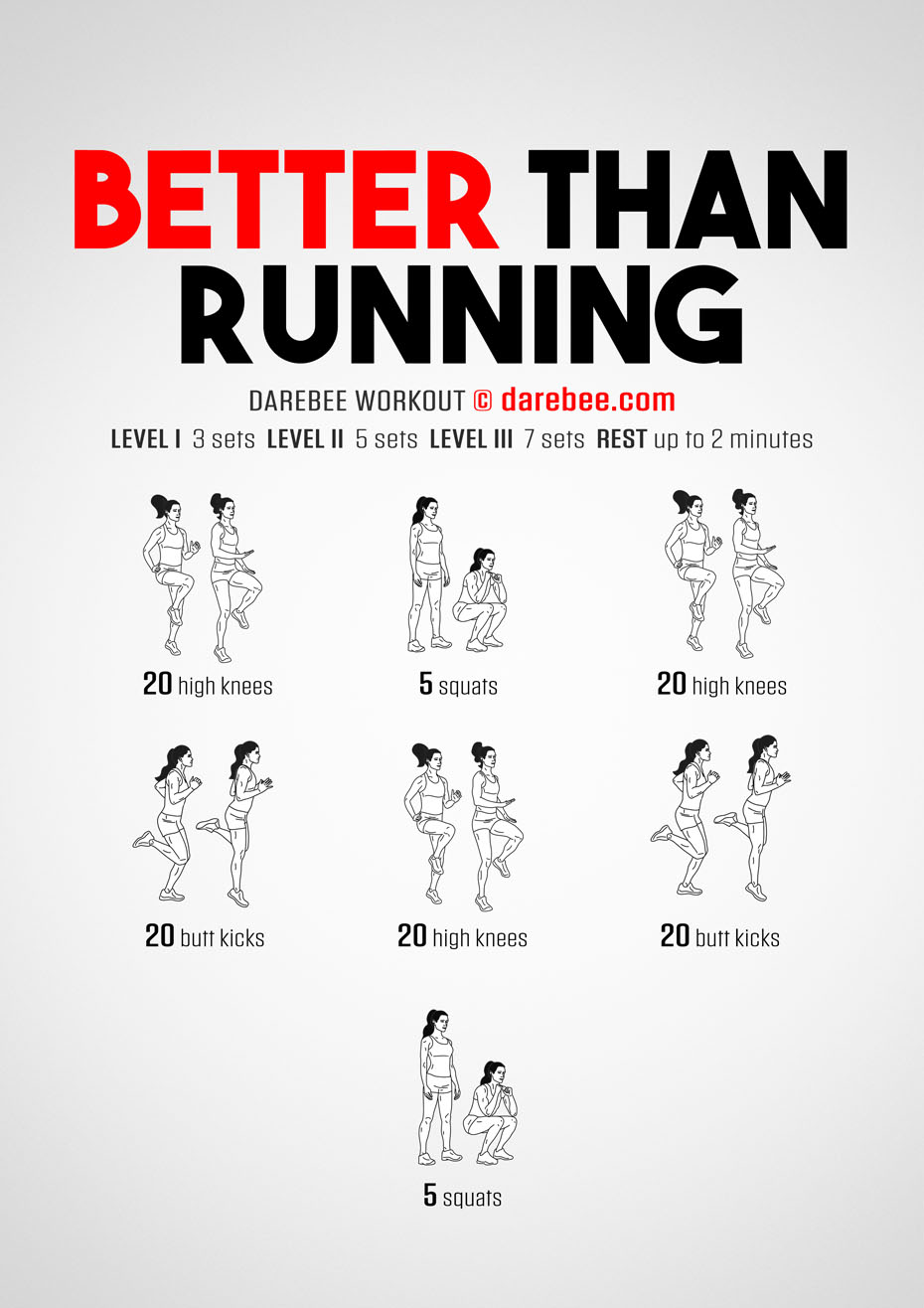
Use fitness apps or wearables to monitor your progress over time. Track your speed, distance, and calories burned with ease. Seeing your improvements can be incredibly motivating and rewarding. Have you thought about how running at home could fit into your lifestyle? Embrace the benefits and make it a part of your daily routine. Start small, stay consistent, and enjoy the journey to better health.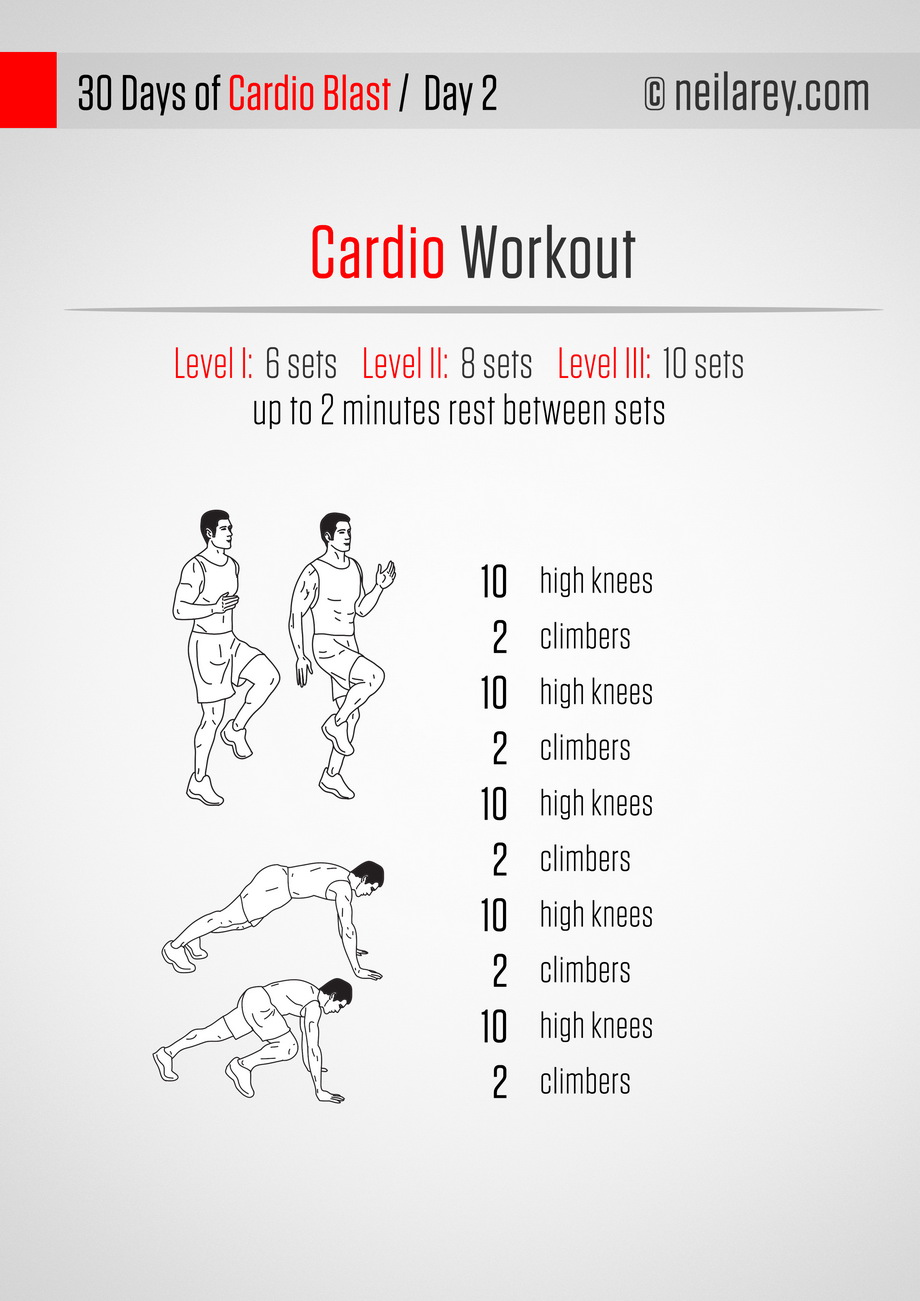
Credit: www.greensafaris.com
Essential Warm-up Exercises
Start your at-home running workout with essential warm-up exercises. Boost flexibility and prevent injury with dynamic stretches. Enhance blood flow by incorporating leg swings and high knees.
Embarking on an at-home running workout can be both convenient and exhilarating. But before you lace up your sneakers, it’s crucial to prepare your body with essential warm-up exercises. These exercises not only prevent injuries but also enhance your performance. Imagine stepping into your run feeling more energetic and agile, all because of a few simple moves you did beforehand.Dynamic Stretching
Dynamic stretching is a great way to start your warm-up. It involves moving parts of your body while gradually increasing reach and speed. Try leg swings—stand on one leg and swing the other forward and backward. Feel your muscles waking up as you swing your legs. This movement increases blood flow and flexibility, making your muscles ready for action.High Knees
High knees are perfect for getting your heart rate up. Stand tall and start jogging in place, bringing your knees up to hip level. Do this for 30 seconds to feel the burn. Not only does this exercise warm up your legs, but it also engages your core. Think of it as a mini cardio session that sets the tone for your run.Arm Circles
Often overlooked, arm circles are a simple yet effective way to loosen up your shoulders. Extend your arms out to the sides and make small circles. Gradually increase the size of the circles. This exercise is especially great if you spend a lot of time at a desk. Notice how your shoulders and arms feel more relaxed, ready to support your run.Walking Lunges
Walking lunges are a fantastic full-body warm-up. Step forward with one leg and lower your hips until both knees are bent at a 90-degree angle. Push back to standing and repeat with the other leg. Feel your legs activating with every lunge. This exercise boosts your leg strength and stability, making each step during your run more powerful.Butt Kickers
Butt kickers add a fun twist to your warm-up routine. Start jogging in place, kicking your heels up to touch your glutes. Continue for about 30 seconds. Feel your hamstrings engage with each kick. This exercise not only warms up your lower body but also adds a playful energy to your workout. These exercises are your secret weapon for a successful run. Spend just a few minutes on them, and you’ll notice a difference. How does your body feel when you skip warm-ups versus when you do them? Give it a try and see the transformation yourself.High-intensity Interval Training (hiit)
High-Intensity Interval Training (HIIT) is a powerful workout strategy. It combines short, intense bursts of exercise with brief recovery periods. This method is effective for burning calories and improving stamina. You can perform it at home with minimal equipment.
HIIT is popular for its efficiency in boosting fitness levels. It requires less time compared to traditional workouts. The alternating pace keeps your body challenged and engaged.
Short Bursts Of Speed
Short bursts involve sprinting or running fast for a brief period. This high-intensity phase pushes your limits and increases your heart rate. Aim for 20 to 30 seconds of all-out effort.
During these bursts, focus on maintaining good form. Keep your posture upright and use your arms to propel yourself. This maximizes the workout’s effectiveness.
Active Recovery Techniques
Active recovery is crucial in HIIT. It involves slowing down your pace for a set time. This phase helps your body recover while keeping your heart rate elevated.
Use light jogging or brisk walking as active recovery. It prevents muscle stiffness and prepares you for the next burst. Ensure you breathe deeply to support oxygen flow.
Alternate between speed bursts and recovery for a balanced routine. This pattern optimizes fat burning and improves cardiovascular health.

Credit: mx.pinterest.com
Plyometric Drills
Plyometric drills are a great way to boost your running performance at home. They involve explosive movements that increase strength and agility. These exercises improve your power, speed, and coordination. You don’t need fancy equipment. Just a bit of space and determination.
Box Jumps
Box jumps are an effective plyometric exercise. Start with a sturdy box or platform. Stand with feet shoulder-width apart. Bend your knees slightly and jump onto the box. Land softly with both feet. Step back down and repeat. Box jumps enhance leg strength and boost cardiovascular health.
Skater Jumps
Skater jumps mimic lateral skating movements. Stand on one leg and leap sideways. Land on the opposite leg softly. Keep your balance and maintain a steady rhythm. This drill improves stability and leg power. It’s perfect for building lower body strength. A few sets can make a big difference.
Core Strength Exercises
Core strength is crucial for runners. It enhances balance and stability. Strong core muscles can prevent injuries. At-home workouts offer convenient ways to build this strength. Let’s explore some effective exercises.
Planks
Planks engage multiple muscle groups. They target abs, back, and shoulders. Begin by lying face down. Push up onto your elbows and toes. Keep your body straight. Hold the position for 30 seconds. Increase time as you get stronger. Focus on breathing evenly.
Russian Twists
Russian twists work the obliques. Sit on the floor with knees bent. Lean back slightly, keeping your spine straight. Hold your hands together. Twist your torso to the left, then to the right. Repeat this movement for 15 reps. This exercise boosts core rotation strength.
Bodyweight Cardio Routines
Boost your fitness with at home running workouts. These routines require no equipment and fit into any schedule. Perfect for enhancing cardio and endurance, while staying in the comfort of your home.
Bodyweight cardio routines are perfect for those looking to boost heart rate and burn calories without any equipment. These workouts can be done anywhere, making them ideal for those days when you can’t hit the gym. Plus, they’re effective in building endurance and strength while being easy to modify based on your fitness level.Burpees
Burpees are a powerhouse exercise, combining strength and cardio in one move. Start by standing with your feet shoulder-width apart. Drop into a squat position, place your hands on the floor, and kick your feet back into a plank. From there, do a push-up, jump your feet back to your hands, and leap into the air with your arms overhead. This exercise engages multiple muscle groups while getting your heart pumping. If you’re new to burpees, try breaking them down into steps and gradually speed up as you gain confidence.Mountain Climbers
Mountain climbers are excellent for building cardiovascular endurance and core strength. Begin in a plank position with your hands directly under your shoulders. Quickly bring one knee to your chest, then switch legs, mimicking a running motion. Keep your core tight and maintain a steady pace for the best results. Mountain climbers can be done at various speeds, allowing you to adjust the intensity. Have you ever tried timing yourself for a minute and counting how many you can do? It’s a fun way to challenge yourself and track progress. Bodyweight cardio routines like these can fit into any part of your day. Whether you’re squeezing in a quick session before breakfast or winding down after work, exercises like burpees and mountain climbers are effective and efficient. What’s your favorite bodyweight move to get your heart racing?Cool Down And Stretching
After an invigorating at-home running workout, cooling down is essential. It helps your body transition from exercise to rest. Stretching post-run can prevent injuries and improve flexibility. These practices are crucial for recovery and overall fitness.
Proper Cool Down Techniques
Start with a gentle walk for 5-10 minutes. This helps your heart rate decrease gradually. Walking also aids in blood circulation, reducing muscle soreness. Focus on deep breathing during this phase. It calms your mind and body.
Essential Stretches For Runners
Include stretches that target major muscle groups. Begin with your calves. Stand on a step and let your heels drop. Feel the stretch in your calves. Hold for 20 seconds.
Next, stretch your quadriceps. Stand on one leg and pull your other foot to your glutes. Keep your knee pointed down. Maintain balance by holding onto a chair if needed.
Benefits Of Stretching
Stretching improves muscle elasticity. It enhances your range of motion over time. Regular stretching can reduce the risk of injury. It also helps relieve tension and stress in your muscles.
Tips For Effective Stretching
Hold each stretch for at least 20-30 seconds. Avoid bouncing while stretching to prevent strain. Breathe deeply and relax into each stretch. Listen to your body. Ease off if you feel pain.
Integrating Cool Down And Stretching Into Your Routine
Make cool down and stretching a habit. Consistency is key for seeing benefits. Incorporate these practices into every workout session. They are as important as the workout itself.
Tracking Progress At Home
Home running workouts help track fitness progress easily. Keep a journal to note down time, distance, and effort. Regular updates motivate improvements and boost confidence.
Tracking progress at home is essential to keep your running workout on the right track. It’s not just about the miles you log; it’s about understanding your growth and celebrating small victories. When you can’t see the finish line, knowing how far you’ve come can be the motivation you need.Understanding Your Baseline
Before you can track your progress, it’s crucial to know where you started. Measure your starting point in terms of distance, time, or even how you feel after a run. Consider jotting down your initial stats in a notebook or using a fitness app. Tracking these details not only helps you see improvement but also provides a reference for setting realistic goals. You can easily identify patterns and adjust your routine as needed.Setting Achievable Goals
Goals keep you focused and motivated. What do you want to achieve in your running workout? Is it increasing your stamina or shaving minutes off your run? Break down these goals into smaller, manageable steps. Consider setting weekly or monthly targets. This way, you avoid feeling overwhelmed and can celebrate small wins. Remember, each goal should be specific and measurable.Using Technology To Track Progress
Technology can be your best friend. Fitness apps and smartwatches offer tools to track distance, pace, and even heart rate. These gadgets provide instant feedback, helping you stay accountable. Have you ever experienced the thrill of beating your personal record on your smartwatch? It can be an exhilarating motivator. Plus, these tools often come with community features, allowing you to connect with others and share your journey.Regularly Review And Adjust
Review your progress regularly. This means analyzing your stats, reflecting on your goals, and making necessary changes. If you notice a plateau, it might be time to tweak your routine or challenge yourself more. Adjusting your plans isn’t a failure; it’s smart strategy. Your body and mind evolve, and your workout should too. Are you pushing yourself enough, or is it time to ease up a bit?Celebrating Milestones
Don’t forget to celebrate milestones, both big and small. Rewarding yourself can boost your motivation and make the journey more enjoyable. Whether it’s treating yourself to a new pair of running shoes or simply taking a moment to acknowledge your progress, celebrate your achievements. Which milestone made you most proud? Recognizing these moments can reinforce your commitment and fuel your passion for running. Remember, every step forward is a success worth celebrating.Frequently Asked Questions
What Is The 80% Rule In Running?
The 80% rule in running suggests doing 80% of your training at a low intensity. This approach helps improve endurance and reduces injury risk, balancing intense workouts with easier runs for optimal performance. It is a popular method among both amateur and professional runners.
What Is The 5 4 3 2 1 Running Method?
The 5 4 3 2 1 running method involves running at different paces for set intervals. Start with 5 minutes of a comfortable pace, followed by 4 minutes of a slightly faster pace, and continue reducing the time each interval by one minute.
This method helps improve stamina and speed.
What Is The 30 20 10 Rule For Running?
The 30 20 10 rule involves running at different speeds. Run at an easy pace for 30 seconds, then moderate for 20 seconds, and sprint for 10 seconds. Repeat this cycle multiple times to improve speed and endurance. This technique adds variety and intensity to training sessions.
What Is The 6 12 25 Rule?
The 6 12 25 rule is a budgeting strategy. Allocate 6% for insurance, 12% for savings, and 25% for housing. This method helps manage finances effectively, promoting savings and ensuring essential expenses are covered. It encourages disciplined spending while maintaining a balanced financial life.
Conclusion
Running at home offers great benefits. It’s convenient and flexible. No gym needed. Stay fit without leaving your house. Adjust workouts to fit your schedule. Save time and money. Use what you have around. A chair or a mat works fine.
Keep your routine varied. Mix running with strength exercises. This keeps things interesting. Set goals and track progress. Enjoy the comfort of your space. Running at home can be easy and fun. Keep moving, stay healthy, and enjoy the journey.
Remember, consistency is key. Keep running, stay motivated, and see the results.








