Are you tired of the same old workout routine and looking for something fresh and invigorating? Imagine transforming your living room into a powerhouse of fitness, where every stroke counts towards a healthier, more toned you.
An at-home rowing workout is not just another fitness trend; it’s your ticket to a total body transformation. With each pull, you engage multiple muscle groups, boost your cardiovascular health, and torch calories like never before. Plus, it’s low-impact, making it gentle on your joints.
Ready to discover how rowing can revolutionize your fitness journey from the comfort of your home? Let’s dive in and explore the endless possibilities that await you.
Benefits Of Rowing At Home
Rowing at home offers numerous benefits for fitness enthusiasts. It provides a full-body workout without leaving the house. This exercise improves cardiovascular health and builds muscle strength. It also burns calories effectively, aiding in weight management.
Convenience And Flexibility
Home rowing fits easily into any schedule. No need to travel to the gym. It allows you to work out at your own pace. You can row early in the morning or late at night.
Cost-effective Fitness
Investing in a rowing machine saves money in the long run. No monthly gym fees to worry about. Once purchased, your home rowing machine is ready for use anytime.
Privacy And Comfort
Rowing at home ensures a private workout space. No worries about crowded gyms or waiting for equipment. It provides a comfortable environment tailored to your needs.
Improved Physical And Mental Health
Rowing boosts physical strength and endurance. It also supports mental well-being by reducing stress. Regular rowing workouts enhance mood and promote relaxation.
Adaptable To All Fitness Levels
Home rowing suits beginners and advanced athletes. You can adjust the resistance for a challenging workout. It’s easy to track progress and set new fitness goals.
Choosing The Right Rowing Machine
Selecting the ideal rowing machine enhances your home workout experience. Find one with adjustable resistance and a comfortable seat. Consider space-saving models for compact areas.
Choosing the right rowing machine is crucial for an effective at-home workout. Rowing machines offer a full-body workout, increasing stamina and strength. Not all rowing machines are the same. Each type has unique features and benefits. Picking the right one depends on your needs and budget.Types Of Rowing Machines
Air rowers are popular. They use wind resistance to challenge your muscles. The faster you row, the more resistance you feel. Water rowers mimic real rowing. They use paddles in a water tank. This creates a smooth and quiet workout. Magnetic rowers offer adjustable resistance levels. They’re quieter than air rowers. Hydraulic rowers are compact. They use oil-filled pistons for resistance. Good for small spaces.Key Features To Consider
Comfort is important. Check the seat and handle design. An adjustable footrest can enhance comfort. Look for a machine with a sturdy frame. It should support your weight. Consider the monitor display. It should show time, distance, and calories burned. Foldable machines save space. Easy storage is a plus. Adjustable resistance levels offer variety. This keeps workouts challenging. Durability matters. Choose a machine with strong materials.Setting Up Your Rowing Space
Creating the ideal space for your rowing workout is crucial. A well-prepared area enhances the exercise experience. It also minimizes distractions and boosts safety. Proper setup helps you focus on technique and performance. Let’s explore how to set up your rowing space effectively.
Space Requirements
Your rowing machine needs enough room. Ensure it fits without crowding. Measure the length and width before placement. There should be at least 2 feet around the machine. This allows free movement and access. Consider ceiling height for rowing stroke clearance. High ceilings work best.
Safety Tips
Safety is a priority in your rowing space. Ensure the floor is level and stable. Avoid carpets that can cause imbalance. Keep the area free from clutter. Store equipment and accessories away safely. Maintain proper lighting to reduce accidents. Check machine stability before each session.
Credit: shop.lifefitness.com
Warm-up Exercises
Warm-up exercises prepare your body for a rowing workout. They increase blood flow and flexibility. This helps prevent injury and boosts performance. A good warm-up includes dynamic stretches and rowing-specific movements.
Dynamic Stretches
Dynamic stretches warm your muscles before rowing. They involve active movements. Arm circles are simple and effective. Swing your arms in small circles. Gradually make the circles bigger. This helps loosen shoulder muscles.
Leg swings are another dynamic stretch. Stand on one foot and swing the other leg forward. Then swing it backward. This stretches your hamstrings and hip flexors. Perform these stretches for 5 minutes.
Rowing-specific Movements
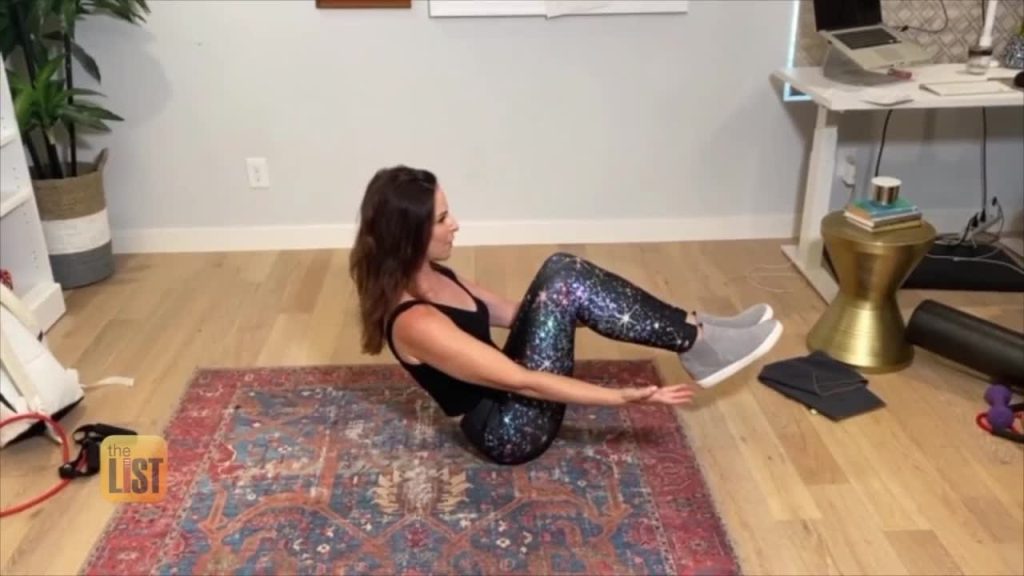
Rowing-specific movements mimic rowing actions. They prepare your muscles for the workout. Begin with seated leg lifts. Sit with legs straight and lift them slightly off the ground. This engages your core muscles.
Next, try arm pulls. Stand with feet shoulder-width apart. Bend your elbows and pull them back as if rowing. This warms up your arms and back. Repeat these movements for 5 minutes. They enhance your workout efficiency.
Beginner Rowing Routine
Starting a rowing workout at home is a great way to stay fit. Rowing offers a full-body exercise that builds strength and endurance. The beginner rowing routine is perfect for those new to rowing. This routine is simple and easy to follow, providing a great foundation.
Basic Techniques
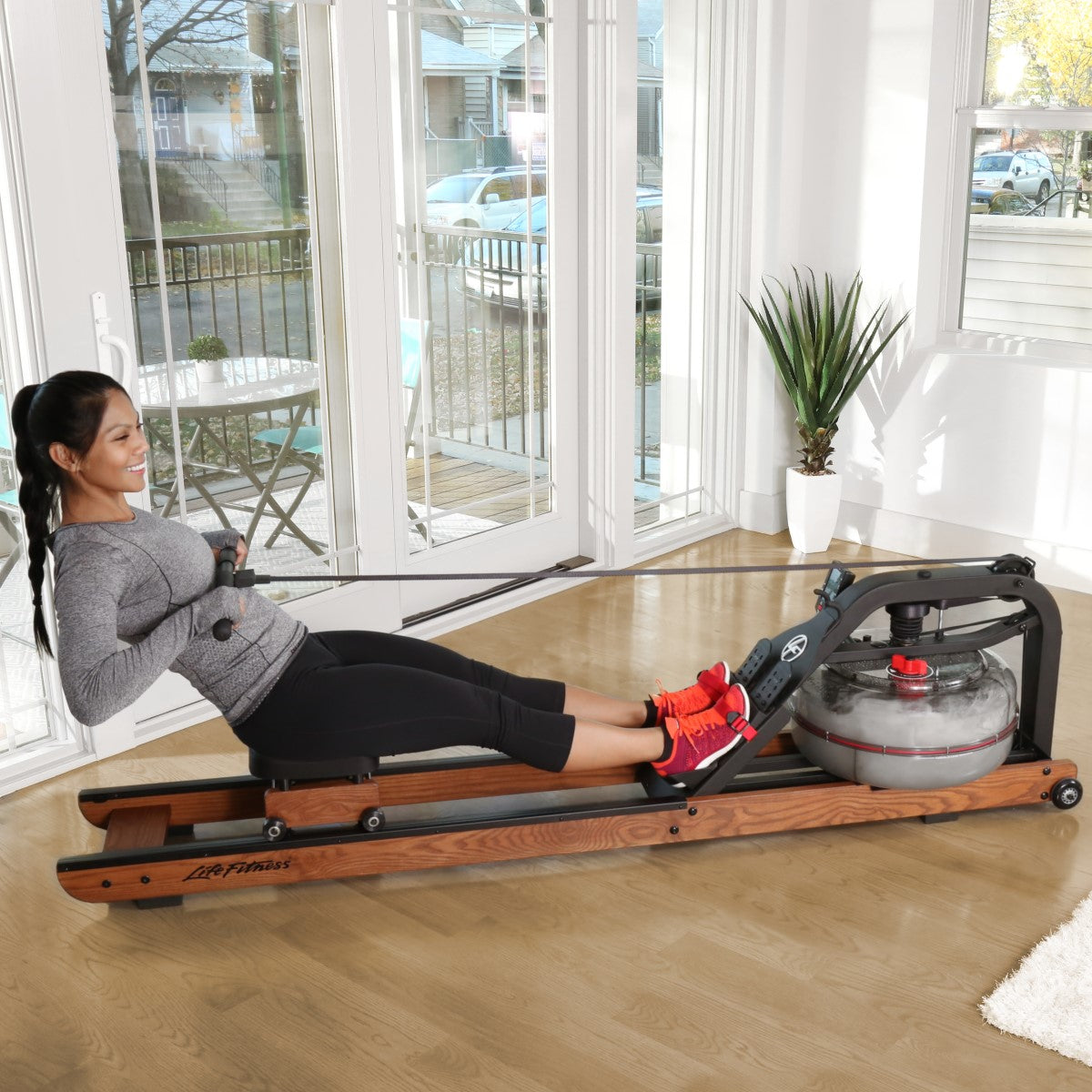
Understanding basic rowing techniques is crucial. Begin by sitting tall on the seat. Hold the handles with a relaxed grip. Keep your elbows close to your body. Start the stroke by pushing with your legs. Engage your core and then pull with your arms. Finish the stroke by leaning slightly back. Reverse the motion to return to the starting position. Focus on smooth and controlled movements.
Common Mistakes To Avoid
Avoid pulling the handle with just your arms. This can cause strain and reduce effectiveness. Never rush through the workout. Quick strokes can lead to poor form. Ensure your back remains straight throughout. Slouching can cause injury and discomfort. Balance your effort between arms and legs. Overworking one part can lead to fatigue.
Credit: www.livestrong.com
Advanced Rowing Techniques
Discover advanced rowing techniques with an at-home rowing workout. Improve your fitness by mastering efficient strokes. Enjoy a full-body exercise that boosts strength and endurance.
Engaging in rowing workouts at home can take your fitness routine to the next level. Advanced rowing techniques can offer you the challenge and variety you need. Whether you’re a seasoned rower or looking to push your boundaries, these techniques can help improve your strength and endurance. They can be adapted to fit your schedule and fitness goals, making them ideal for home workouts.Interval Training
Interval training is all about mixing high-intensity bursts with rest periods. Start by rowing at a high intensity for one minute, then row slowly for two minutes. Repeat this cycle five times. This method boosts cardiovascular fitness and burns calories fast. Imagine yourself pushing hard, then taking a breather. Your heart rate will thank you for the diversity. As you become more comfortable, increase the high-intensity interval to two minutes. This gradual increase will challenge your body and keep you engaged. What changes do you notice in your stamina?Power Strokes
Power strokes focus on building strength and endurance. Row with full force for ten strokes, then return to a steady pace. This technique teaches your body to deliver maximum power efficiently. During a power stroke, concentrate on the drive phase. Push with your legs and pull with your arms in one smooth motion. Feel the surge of energy as you propel yourself forward. Integrate power strokes into your routine twice a week. You’ll notice an improvement in your overall rowing performance and muscle tone. How does your body react to this newfound strength? By incorporating these advanced techniques into your at-home rowing workout, you can keep your routine exciting and effective. Each session will bring you closer to achieving your fitness goals. So, are you ready to elevate your rowing game?Incorporating Strength Training
Boost your fitness by incorporating strength training into your at-home rowing workout. Enhance muscle tone and build endurance with each stroke. Enjoy a full-body workout without leaving your living room.
Incorporating strength training into your at-home rowing workout can elevate your fitness routine to new levels. Adding strength exercises ensures a balanced workout, engaging different muscle groups, and enhancing your overall endurance. It’s not just about rowing faster or longer; it’s about building a stronger, more resilient body.Core Exercises
A strong core is essential for effective rowing. It helps stabilize your body and improves posture. Consider adding planks and Russian twists to your routine. Planks engage the entire core, providing stability, while Russian twists add rotational strength, crucial for the rowing motion. Try holding a plank position for 30 seconds, gradually increasing to a minute as your strength improves. Russian twists can be done seated with or without weights, twisting side to side. Aim for 15-20 twists per set. These exercises not only improve your rowing performance but also enhance everyday activities.Upper Body Workouts
Rowing is a full-body workout, but the upper body plays a critical role. Strengthening your arms, shoulders, and back can dramatically improve your rowing technique. Push-ups and bent-over rows are excellent choices to complement your rowing routine. Push-ups build chest and arm strength, while bent-over rows target the back muscles. Start with 10 push-ups, focusing on form, and gradually increase as you gain strength. For bent-over rows, use dumbbells or resistance bands and perform 10-15 reps per set. These exercises help ensure you’re not just rowing with your legs but engaging your entire upper body effectively. Incorporating these strength exercises into your rowing workout not only diversifies your fitness routine but also fortifies your body against injury. How will you integrate these exercises into your routine? Your commitment to a balanced workout today lays the foundation for a healthier tomorrow.
Credit: www.livestrong.com
Tracking Progress And Setting Goals
At home rowing workouts offer a convenient way to stay fit. Tracking progress and setting goals boost motivation and help achieve results faster. Regularly monitor your performance to adjust workouts for maximum efficiency and improvement.
Tracking progress and setting goals is vital in any fitness journey. For at-home rowing workouts, these aspects help maintain motivation. They also ensure continuous improvement. With a clear plan, you can see tangible results. This keeps enthusiasm high. It also prevents plateauing in your fitness routine. Let’s explore how to effectively track progress and set realistic goals.Using Fitness Apps
Fitness apps offer a convenient way to track rowing workouts. They provide detailed metrics. These include distance rowed, stroke rate, and calories burned. Many apps sync with rowing machines. This ensures accurate data collection. The visual progress charts in these apps are helpful. They show improvements over time. This visual representation can boost motivation. Apps also often include personalized workout plans. These are tailored to your fitness level and goals.Setting Realistic Milestones
Setting realistic milestones keeps you on track. Start with short-term goals. These could be rowing a certain distance or improving stroke rate. Short-term goals are more achievable. They offer frequent wins. This builds confidence and motivation. Long-term goals provide a vision. They give you a larger target to aim for. Balance is key. Ensure goals are challenging yet achievable. This approach maintains motivation without leading to burnout.Nutrition Tips For Rowers
Rowing is an exhilarating sport, whether you’re on the water or using your favorite rowing machine at home. But to truly maximize your performance, nutrition plays a crucial role. You might wonder how your diet can enhance your rowing experience. Are you fueling your body correctly before a workout? Is your hydration on point? These questions are essential for anyone serious about their rowing journey. Let’s dive into some practical nutrition tips that can make a difference.
Pre-workout Meals
What you eat before a rowing session can set the tone for your entire workout. Aim for a balanced meal that includes carbohydrates, proteins, and healthy fats. Carbs are your primary energy source, so don’t shy away from whole grains like oats or quinoa. Add a protein source, like eggs or yogurt, to support muscle repair.
Consider a banana or apple for a quick energy boost. Avoid heavy meals that might cause discomfort while rowing. Eating around 60-90 minutes before you hit the rowing machine can ensure you have the energy you need without feeling sluggish. Ever tried a small smoothie with greens and berries? It’s light but packed with nutrients.
Hydration Guidelines
Hydration is just as important as food when preparing for your rowing workout. Water is your best friend. Sip it consistently throughout the day. But during your workout, electrolytes can be a game-changer. They help maintain fluid balance and prevent cramping.
Think about starting your day with a glass of water. It sets a hydration baseline. If you sweat a lot during your workout, a sports drink might be beneficial. Ever felt dizzy mid-workout? It could be a sign of dehydration. Pay attention to your body’s signals. You want your hydration strategy to be proactive, not reactive.
As you adjust your nutrition plan, remember that everyone’s body is unique. What works for one rower might not work for another. Experiment with different foods and hydration techniques. How do you feel when you tweak your routine? Your rowing performance may surprise you.
Maintaining Motivation
Energize your body with an engaging at-home rowing workout that boosts motivation and fitness. Rowing offers a dynamic exercise, blending cardio and strength, perfect for maintaining motivation. Embrace the rhythm and challenge, ensuring a fulfilling routine.
Staying motivated for your at-home rowing workout can be a challenge. It’s easy to let excuses pile up and suddenly, your rowing machine is gathering dust in the corner. But maintaining motivation is crucial for achieving your fitness goals. Let’s dive into practical ways to keep your enthusiasm high and your body moving.Creating A Schedule
Setting a schedule is a powerful tool in staying committed. Choose specific days and times for your rowing workouts. This transforms exercise from a vague idea into a concrete plan. A structured routine helps your mind to prepare for action. Just like you wouldn’t miss a doctor’s appointment, treat your workout schedule with the same priority. Consider using a calendar app to set reminders, making it harder to skip sessions.Finding A Workout Buddy
A workout buddy can change your entire exercise experience. When you have someone waiting for you, you’re less likely to cancel. Plus, rowing together can be more fun and competitive. Think about who in your circle might be interested in rowing. A friend or family member can be your motivation partner. You both hold each other accountable and celebrate each other’s progress. Could you imagine sharing your rowing achievements over coffee afterward? It’s easier to stay motivated when you have someone cheering you on.Frequently Asked Questions
Is 20 Minutes Of Rowing A Day Enough?
Yes, 20 minutes of rowing daily can be beneficial. It improves cardiovascular health and builds muscle. Consistency is key. Adjust intensity for better results. Always consult a fitness expert for personalized advice.
Is Rowing A Good Workout At Home?
Rowing at home provides a full-body workout, improving cardiovascular health and building strength. It burns calories efficiently and enhances endurance. The low-impact nature makes it suitable for all fitness levels, reducing injury risk. It’s a versatile exercise, easily fitting into home workout routines with minimal space needed.
Can I Lose Belly Fat By Rowing?
Yes, rowing can help you lose belly fat. It provides a full-body workout, burning calories and building muscle. Combine rowing with a healthy diet and other exercises for effective results. Consistency is key for reducing belly fat and improving overall fitness.
How To Row At Home Without A Rowing Machine?
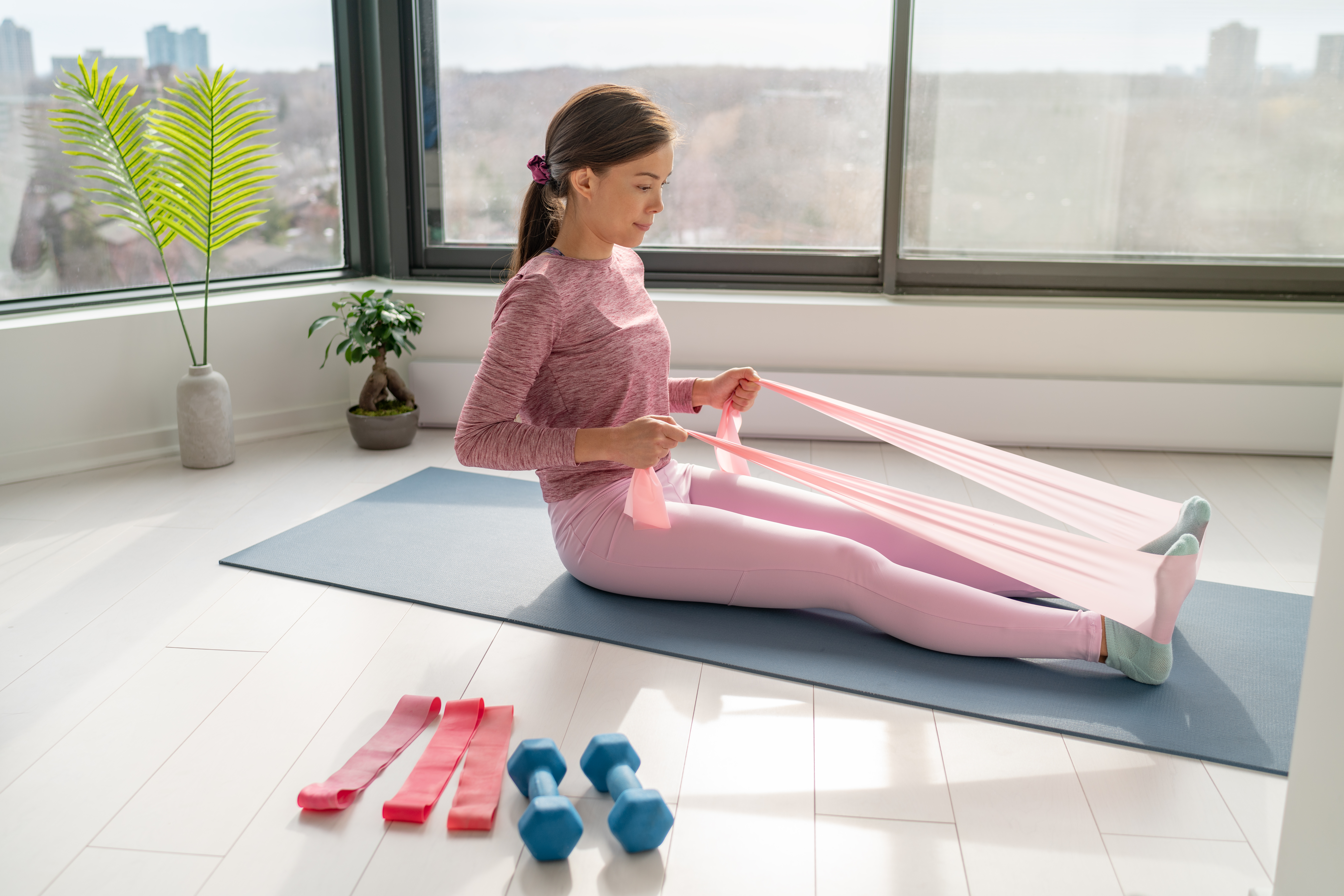
Perform rowing exercises using resistance bands anchored to a sturdy object. Mimic rowing motions by pulling the bands towards your body. Use a chair or low bench for seated rows. Maintain proper posture to avoid injury. This setup provides a low-cost, effective home workout without a rowing machine.
Conclusion
At-home rowing workouts offer a great way to stay fit. They boost heart health and strengthen muscles. You don’t need fancy equipment to start. Just a basic rowing machine will do. Consistency is key for seeing results. Set a routine and stick to it.
Remember to stay hydrated and warm up before each session. Listen to your body and adjust the intensity as needed. Enjoy the process and celebrate small victories. With time, you’ll feel stronger and more energetic. Rowing can truly become a rewarding part of your fitness journey.








