Welcoming a new baby into your life is an incredible experience, but it often comes with its own set of challenges, especially when it comes to finding time for yourself. If you’re feeling overwhelmed by the demands of motherhood and looking to regain your strength and energy, an at-home postpartum workout can be your secret weapon.
Imagine squeezing in a quick, effective workout while your baby naps, feeling more energized, and reclaiming your body—all from the comfort of your living room. This isn’t just about shedding baby weight; it’s about boosting your mood, improving your stamina, and enhancing your overall well-being.
Ready to discover how you can seamlessly integrate these workouts into your daily routine and start feeling your best again? Read on to unlock the key to a healthier, happier postpartum journey!
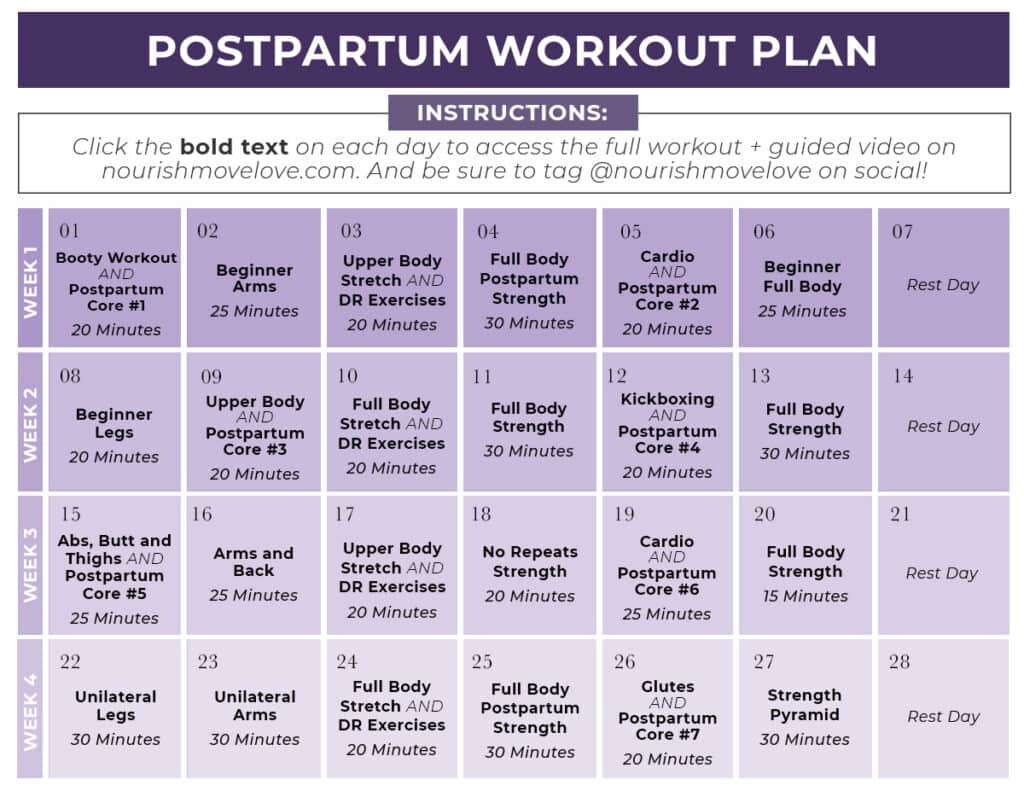
Credit: www.nourishmovelove.com
Benefits Of Postpartum Exercise
Postpartum exercise offers many benefits for new mothers. It aids physical recovery and boosts mental health. Regular activity helps regain strength and energy. This supports daily tasks and new motherhood challenges. Let’s explore the key benefits.
Improved Physical Recovery
Exercise strengthens muscles weakened by pregnancy. It helps reduce postpartum aches and pains. Gentle exercises can improve flexibility and endurance. This enhances overall physical health.
Enhanced Mood And Mental Health
Postpartum exercise releases endorphins. These are natural mood boosters. They help combat feelings of stress and anxiety. Regular activity can reduce postpartum depression symptoms. It provides a healthy outlet for emotions.
Better Bonding With Baby
Exercise can be a bonding activity. Walking with your baby in a stroller is great. It combines fitness with quality time. This strengthens the mother-baby connection.
Increased Energy Levels
Being active boosts energy levels. It reduces fatigue common in new mothers. This helps you feel more alert and refreshed. Better energy supports daily caregiving tasks.
Safety Tips For New Moms
Embarking on a postpartum workout journey can be exciting for new moms. It’s important to prioritize safety to protect your healing body. Here are some essential tips to keep in mind.
Listen To Your Body
Your body has gone through a lot during childbirth. Pay attention to any discomfort or pain. Stop immediately if you feel anything unusual. Rest is crucial for recovery.
Consult Your Healthcare Provider
Before starting any workout, talk to your healthcare provider. They can guide you on when it’s safe to exercise. Every woman’s recovery timeline is unique.
Start Slow And Gradual
Begin with gentle exercises. Walking or stretching are good starting points. Gradually increase intensity as your strength improves.
Stay Hydrated
Drink plenty of water during workouts. Hydration supports muscle function and recovery. Keep a water bottle nearby for easy access.
Avoid High-impact Activities
High-impact workouts can strain your body. Focus on low-impact exercises like yoga or pilates. These are gentle and support your postpartum healing.
Wear Supportive Gear
Invest in supportive workout gear. A good sports bra and comfortable shoes are essential. They provide necessary support and comfort.
Mind Your Posture
Maintain proper posture during exercises. This prevents strain on your back and core. Good posture is key for safe and effective workouts.
Essential Equipment For Home Workouts
Postpartum workouts at home offer convenience and comfort. Essential equipment ensures effectiveness and safety. Invest in quality gear to maximize your workout.
Yoga Mat
A yoga mat provides a stable surface for exercises. It cushions joints during floor movements. Choose a mat with good grip to avoid slipping.
Resistance Bands
Resistance bands are versatile and affordable. They add tension to exercises, enhancing muscle strength. Lightweight and portable, they are ideal for home workouts.
Dumbbells
Dumbbells help increase strength. Start with light weights and progress gradually. They are essential for toning arms and shoulders.
Stability Ball
A stability ball engages core muscles. It supports balance exercises. Use it for crunches and lower back stretches.
Pilates Ring
The Pilates ring adds resistance to workouts. It strengthens legs and core. Compact and easy to store, it enhances flexibility.
Exercise Bench
An exercise bench is useful for strength training. It supports a variety of exercises. Ensure it’s sturdy and comfortable.
Credit: worldmeetsinghana.com
Core Strengthening Exercises
Core strengthening exercises are essential after childbirth. They help restore strength and stability. The core includes muscles in the abdomen, back, and pelvis. These exercises focus on regaining muscle tone. They also support your body as you care for your baby. Start slowly and listen to your body. Consistency is key for progress.
Pelvic Floor Exercises
Pelvic floor exercises target muscles supporting the bladder, uterus, and bowels. They are crucial for postpartum recovery. Kegel exercises are a popular choice. To perform them, tighten the muscles you use to stop urination. Hold for a few seconds, then release. Repeat 10-15 times daily. This strengthens your pelvic floor, improving control and comfort.
Abdominal Bracing
Abdominal bracing helps engage core muscles. It focuses on the transverse abdominis. This muscle acts like a corset, supporting the spine. Lie on your back with knees bent. Pull your belly button towards the spine. Keep breathing naturally. Hold for several seconds, then relax. Repeat for 10-15 reps. This exercise enhances core stability.
Planks
Planks are effective for core strengthening. They engage multiple muscle groups. Start in a push-up position. Keep your body in a straight line. Support your weight on forearms and toes. Avoid sagging hips. Hold the position for 10-30 seconds. Gradually increase time as you get stronger. Planks improve overall core endurance.
Upper Body Workouts
After welcoming a new baby into your life, it’s natural to feel a mix of joy and exhaustion. As you navigate this new chapter, nurturing your body with gentle exercises can be a grounding experience. Upper body workouts can help you regain strength and boost your energy levels. These exercises are perfect for fitting into a busy schedule, and you don’t need a gym to get started. Let’s dive into some effective upper body workouts you can do right at home.
Push-ups
Push-ups are a classic exercise that can be adjusted to match your current strength level. Start with knee push-ups if you’re easing back into exercise. They help strengthen your chest, shoulders, and triceps. If you’re feeling up to it, try full push-ups to increase the challenge. Remember to keep your back straight and your core tight.
Feel your strength grow with every rep. It’s not just about physical power; it’s about building resilience. Can you feel the determination in your arms as you push yourself up?
Resistance Band Rows
Resistance bands are an affordable, versatile tool for home workouts. With band rows, you can target your upper back, shoulders, and arms. Secure the band to a door handle or sturdy furniture, then pull back as if rowing a boat. Focus on squeezing your shoulder blades together.
This exercise feels empowering. You’ll notice how it improves your posture and helps you stand taller. Isn’t it amazing how a simple band can make such a difference?
Arm Circles
Arm circles are a gentle way to warm up and strengthen your shoulders. Stand with your feet shoulder-width apart and extend your arms to the sides. Make small circles, gradually increasing their size. Switch directions after a minute or two. This exercise is perfect for those days when you’re short on time.
It’s incredible how something so simple can invigorate your muscles and improve circulation. Feel the lightness in your arms as they move effortlessly. Why not give it a try during a break or while cooking dinner?
Upper body workouts are more than just exercises; they’re a step toward reclaiming your strength and vitality. As you incorporate these moves into your routine, notice how they impact your mood and energy levels. Which workout will become your go-to for a quick boost?
Lower Body Exercises
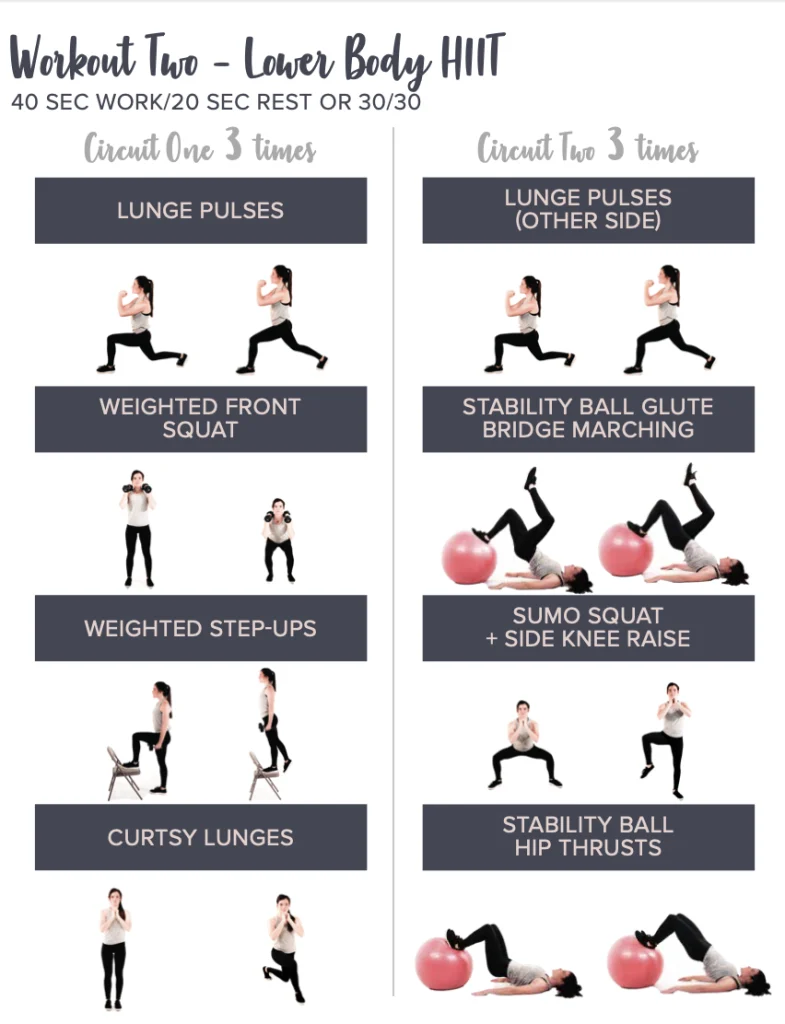
Postpartum workouts at home can help regain strength. Focus on lower body exercises like squats and lunges. These moves support core stability and improve flexibility.
After giving birth, your body undergoes a remarkable transformation. As you embark on your postpartum journey, it’s crucial to focus on regaining strength. Lower body exercises are an excellent way to start because they help rebuild muscle, improve balance, and boost overall energy levels. These exercises can be done at home, providing flexibility and convenience for new moms.Squats
Squats are a powerhouse exercise for your lower body. They target your thighs, hips, and glutes, helping you regain strength and tone. Start by standing with your feet shoulder-width apart. Lower your body as if you’re sitting back into a chair, keeping your chest up and knees over your toes. Aim for 10 to 15 reps, gradually increasing as you build strength. You can even hold your baby for added resistance, making it a fun bonding experience.Lunges
Lunges offer a great way to work on balance and coordination. They engage your quadriceps, hamstrings, and glutes, providing a comprehensive lower body workout. Begin by standing tall and stepping forward with one foot. Lower your hips until both knees are bent at a 90-degree angle, then push back to the starting position. Perform 8 to 12 reps on each side. If you’re feeling adventurous, try holding onto a stable surface for balance as you get the hang of it.Leg Lifts
Leg lifts are perfect for targeting your core and lower body simultaneously. Lie on your side with your legs straight and lift the top leg towards the ceiling. This exercise not only strengthens your legs but also engages your core muscles. Try to complete 10 to 15 reps on each side. As you progress, you can add ankle weights for an extra challenge. Remember to breathe steadily and keep your movements controlled. Have you considered turning these exercises into a daily routine? Consistency is key to seeing results and feeling more energized. What better way to inspire your little one than by setting an example of strength and perseverance?Incorporating Cardio
Cardio exercises at home can effectively boost postpartum fitness. They help improve stamina and energy levels. Simple activities like brisk walking or dancing make a big difference.
After having a baby, many new moms are eager to get back into shape. But it’s crucial to approach postpartum workouts with care and patience. One effective way to gently ease back into exercise is by adding cardio. Cardio workouts not only help improve your cardiovascular health, but they also boost your mood and energy levels. Let’s look at some simple and enjoyable cardio activities you can do right at home.Walking
Walking is one of the easiest ways to start getting active again. It’s gentle on your body, and you can do it with your baby. A leisurely walk around your neighborhood or even in your living room can be refreshing. You might find that walking clears your mind and gives you a much-needed break. Start with short walks, maybe 10 minutes a day, and gradually increase the duration. Use this time to connect with your thoughts or listen to a podcast. Walking can be a small but significant step towards feeling more like yourself again.Jumping Jacks
Jumping jacks are a fantastic way to get your heart pumping. They require no equipment and can be done in a small space. If you’re worried about impact, start with a modified version by stepping out instead of jumping. Remember how fun jumping jacks used to be as a kid? Bring back that joy! Do a set while your baby naps or when you need a quick energy boost. Just a few minutes can elevate your heart rate and improve your mood.Dancing
Dancing is an excellent way to add cardio to your routine. It’s not only effective but also incredibly fun. Put on your favorite playlist and let loose in your living room. You don’t need to be a professional dancer—just move in a way that feels good to you. Dancing can be a great family activity too. Involve your baby by holding them as you sway or setting them in a bouncer while you dance. It’s a perfect way to bond and create joyful memories while staying active. Are you ready to add some rhythm to your day? Try scheduling a daily dance break and see how it lifts your spirits.Creating A Routine
Establishing a routine for postpartum workouts at home can enhance recovery and boost energy. Consistent exercise helps new mothers regain strength and manage stress. Tailoring activities to individual needs ensures a comfortable and effective fitness journey.
Creating a routine for postpartum workouts at home is essential for new mothers seeking to regain strength and energy. Establishing a consistent workout schedule is not only beneficial for physical recovery but also for mental well-being. Balancing the demands of a newborn with personal health can seem overwhelming, but with the right approach, you can create a routine that fits seamlessly into your day.Set Clear Goals
Start by defining what you want to achieve. Maybe it’s regaining core strength, boosting energy, or simply getting back into pre-pregnancy clothes. Having clear goals will keep you motivated and focused. Consider what is realistic for your current situation. How much time can you realistically dedicate each day?Find Your Optimal Time
Identify the time of day when you feel most energized. Morning workouts might work for some, while others may prefer evenings when the baby is asleep. Experiment with different times to find what fits best with your new schedule. You might be surprised at how a midday workout can refresh your mind during a hectic day.Create A Flexible Schedule
Babies are unpredictable, so flexibility is key. Design a workout routine that can be adapted depending on your baby’s needs. Have a plan B ready for days when things don’t go as expected. Maybe it’s a shorter workout or focusing on core exercises while the baby naps.Mix It Up
Avoid monotony by varying your exercises. Incorporate a mix of cardio, strength training, and yoga to keep things interesting. This variation will not only help different muscle groups but will also keep your mind engaged. Adding variety can also prevent workout boredom and keep you motivated.Use What You Have
No need for fancy equipment. Utilize what you have at home—like a yoga mat, resistance bands, or even the living room floor. Simple items like a chair or a wall can be excellent tools for effective workouts. Get creative and use household items to add resistance and challenge.Track Your Progress
Keep a journal or use a fitness app to monitor your progress. Seeing improvements, even small ones, can be incredibly motivating. Tracking progress helps to identify areas of improvement and celebrate achievements. How rewarding is it to look back and see how far you’ve come?Seek Support
Don’t hesitate to reach out to other moms who are on the same journey. Sharing experiences can provide new ideas and motivation. Consider joining online communities or local groups. Having a support system can make the process more enjoyable and less isolating. Creating a routine for your postpartum workouts at home is more than just a physical challenge; it’s an opportunity to reclaim your space and time. What’s stopping you from starting today?Balancing Exercise With Rest
Postpartum recovery is a delicate dance between exercise and rest. New mothers often face the challenge of finding this balance. Rest is crucial for healing, while exercise aids recovery and boosts energy. Understanding how to manage both is key to a healthy postpartum journey.
Understanding Your Body’s Needs
Your body has undergone significant changes during pregnancy. It needs time to heal and adjust. Listen to your body and identify what it needs. Some days, rest might be more beneficial than exercise. Pay attention to signals such as fatigue or discomfort. These are cues that your body needs a break.
Setting Realistic Goals
Set achievable goals for your postpartum workouts. Start with short, simple routines. Gradually increase intensity and duration as you gain strength. Avoid pushing yourself too hard. This helps prevent injury and ensures steady progress. Remember, slow and steady wins the race.
Creating A Flexible Schedule
A flexible workout schedule can ease stress. Adapt your exercise routine based on your daily energy levels. Some days may be busier than others. Adjust your workout time accordingly. This flexibility helps maintain consistency without overwhelming yourself.
Incorporating Rest Days
Rest days are as important as workout days. They allow muscles to recover and grow stronger. Plan regular rest days into your routine. These days help prevent burnout and maintain enthusiasm for exercise. Use this time to relax and recharge.
Listening To Your Mental Health
Exercise impacts mental well-being. Balance physical workouts with mental health checks. Stress and anxiety can affect your recovery journey. Incorporate activities that promote relaxation and joy. This includes meditation or reading a book.
Tracking Progress And Setting Goals
Setting goals and tracking progress boost motivation during at-home postpartum workouts. Celebrate small milestones to maintain enthusiasm. Adjust plans as needed to match physical recovery and personal growth.
Tracking your progress and setting goals are crucial elements of any workout routine, especially during the postpartum period. It’s a time when your body is adjusting and healing, making it essential to have a clear plan. Setting achievable goals and monitoring your progress can help keep you motivated and focused, transforming your workout experience into an empowering journey.Understanding Your Starting Point
Knowing where you’re starting is key to measuring progress. Take a moment to assess your current fitness level. You might want to note how many minutes you can walk briskly or how many repetitions of a specific exercise you can comfortably perform. Reflect on how your body feels during these activities. Are there areas that feel stronger or need more attention? This understanding will guide you in setting realistic goals.Setting Realistic And Specific Goals
Goals should be specific and achievable. Instead of setting a vague goal like “get fit,” aim for something precise, such as “do 15 minutes of core exercises three times a week.” Think about what you want to achieve in the short term and the long term. How about being able to jog for 20 minutes without feeling exhausted? Write these down and keep them visible to remind you of your targets.Regularly Tracking Your Progress
Tracking progress is about more than just numbers. Consider keeping a journal or using a fitness app to log your workouts. Record the time, exercises, and how you felt afterward. Check back weekly to review your entries. Are you seeing improvement? Perhaps you’re able to do more repetitions or feel less tired after a workout. Celebrate these victories, no matter how small they seem.Adjusting Goals As Needed
Flexibility is important. Your postpartum journey is unique, and your goals might need tweaking along the way. If a goal feels too ambitious or easy, adjust it to fit your current capabilities. Reflect on your progress and ask yourself: Are these goals still aligned with what I want? It’s okay to change them if they no longer serve your fitness journey.Staying Motivated And Celebrating Milestones
Motivation can waver, especially with the demands of motherhood. Keep your motivation high by acknowledging milestones. Share your achievements with friends or family. Consider rewarding yourself when you reach a significant goal. Maybe treat yourself to a relaxing day or buy new workout gear. How do you plan to celebrate your milestones? Setting goals and tracking progress is not just about the physical changes. It’s about building confidence and resilience. What goals will you set today to begin this empowering journey?
Credit: www.pinterest.com
Frequently Asked Questions
How Soon Should I Start Exercising Postpartum?
Start exercising postpartum after getting your doctor’s approval, usually around 6 weeks. Begin with gentle activities like walking. Prioritize your body’s recovery and gradually increase intensity. Listen to your body and stop if you experience discomfort. Always consult your healthcare provider for personalized advice.
What Is The 5 5 5 Rule Postpartum?
The 5 5 5 rule postpartum suggests resting in bed for five days, on the bed for five days, and near the bed for five days. This approach promotes recovery and bonding. Prioritize rest and gradual activity for a smoother postpartum experience.
What Is The Best Way To Exercise After Giving Birth?
Start with gentle exercises like walking or postpartum yoga. Focus on core strengthening and pelvic floor exercises. Consult your doctor before beginning any routine. Gradually increase intensity as your body heals. Stay hydrated and listen to your body’s signals. Prioritize rest and recovery to support overall well-being.
How Do I Flatten My Postpartum Belly?
Engage in postpartum exercises like pelvic tilts, bridges, and walking. Maintain a balanced diet rich in whole foods. Stay hydrated and prioritize sleep. Consult a healthcare professional for personalized advice. Patience and consistency are key for effective results.
Conclusion
Staying active postpartum is important for recovery and well-being. These workouts at home offer convenience and flexibility for new moms. Exercise helps boost mood and energy levels. Start slow and listen to your body. Always consult your doctor before beginning any workout routine.
Consistency is key, so try to make exercise a part of your daily life. Enjoy the journey of regaining your strength and confidence. Remember, every small step counts. Celebrate your progress and be patient with yourself. Your health and happiness matter most.








