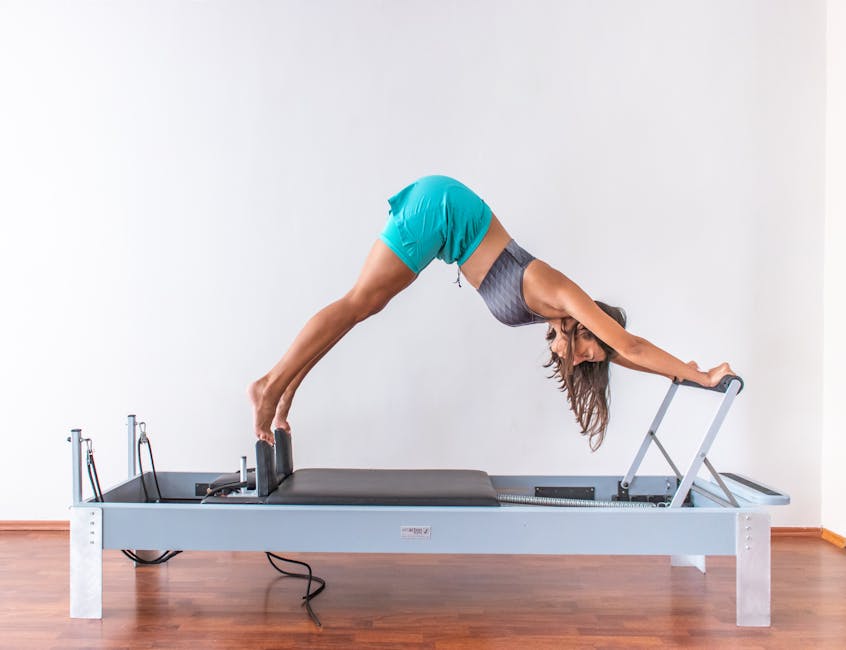
Imagine transforming your living room into a personal fitness studio, all while enjoying the convenience and comfort of home. With an at-home Pilates reformer workout, you can achieve this and so much more.
Picture yourself effortlessly gliding through exercises that not only sculpt and tone your body but also enhance your mind-body connection. This isn’t just another workout; it’s a gateway to a healthier, more balanced you. But why should you keep reading?
Because in the next few minutes, you’ll discover how this revolutionary piece of equipment can seamlessly fit into your daily routine, offering you professional-grade results without the need for a gym membership. You’ll learn the secrets to maximizing your workout efficiency, all while enjoying the flexibility and privacy of your own space. Ready to unlock a new level of fitness? Dive deeper to explore how you can take your Pilates practice to the next level right from the comfort of your home.

Credit: www.jokersclays.com
Benefits Of Pilates Reformer
Pilates reformer workouts offer a unique blend of strength, flexibility, and balance. They are designed to enhance your body’s natural movement and improve overall health. These workouts utilize a specialized piece of equipment known as the Pilates reformer. Many find this tool effective for increasing fitness levels, toning muscles, and boosting core strength.
Benefits Of Core Strengthening
Core strengthening is a primary advantage of using a Pilates reformer. It targets deep abdominal muscles and stabilizes the spine. This leads to improved posture and reduced back pain. A strong core also enhances athletic performance in various activities.
Enhanced Flexibility
The reformer aids in stretching and lengthening muscles. This improves flexibility and reduces injury risks. Regular practice can lead to a greater range of motion. You’ll notice easier movement in daily tasks.
Improved Balance And Coordination
Reformer exercises challenge your balance and coordination. These workouts require focus and control. Over time, you’ll develop better body awareness. Improved balance leads to more stability in movements.
Increased Muscle Tone
The reformer provides resistance, helping build muscle tone. It engages different muscle groups effectively. You’ll see muscle definition with consistent practice. Toned muscles contribute to a leaner appearance.
Low-impact Exercise
Pilates reformer workouts are gentle on joints. They offer a low-impact exercise option. This is ideal for those with joint concerns or recovering from injuries. You can strengthen and condition without harsh impacts.
:max_bytes(150000):strip_icc()/Footwork-1-3-reformer-56b358853df78cdfa004bf1a.jpg)
Credit: www.verywellfit.com
Setting Up Your Home Reformer
Setting up your home reformer is crucial for a successful workout. A well-arranged space enhances focus and safety. Begin by choosing a dedicated area. This ensures you can exercise without interruptions. Consider room size and flooring type.
Choose The Right Space
Select a room with enough space for movement. Your reformer should fit comfortably. Ensure there’s room for stretching. Avoid cramped areas. Ample space prevents accidents and boosts workout efficiency.
Flooring And Stability
Check your flooring. Carpeted areas provide grip. Hardwood floors are smooth but may require mats. Stability is key. Ensure your reformer does not wobble. A stable setup enhances your performance.
Lighting And Atmosphere
Good lighting is essential. Bright spaces uplift mood. Natural light is ideal. It creates a calming atmosphere. Consider adding soft lights for evening sessions. The right ambiance makes workouts enjoyable.
Organize Your Equipment
Keep accessories nearby. Place straps, blocks, and balls within reach. An organized space saves time. It helps maintain focus during exercises. Use shelves or baskets for storage. This keeps your area neat and tidy.
Safety Measures
Inspect your reformer regularly. Check for loose parts. Ensure all equipment is secure. Safety checks prevent injuries. Always prioritize your well-being during workouts.
Essential Equipment
Engaging in an at-home Pilates reformer workout can transform your fitness routine. To get started, having the essential equipment is crucial. This ensures you get the most out of your workout. Let’s explore the key components needed for a successful session at home.
Choosing The Right Reformer
Selecting the perfect reformer is vital for your practice. Think about your space and budget. Some reformers are compact and fit in small areas. Others offer more features for advanced workouts. Consider the material and construction. A sturdy frame provides stability. Adjustable resistance levels accommodate various fitness levels. Look for padded platforms for comfort.
Additional Accessories
Accessories enhance your Pilates experience. Resistance bands add intensity to exercises. They come in different strengths to match your needs. A Pilates box can expand your range of movements. Use it for sitting, standing, or lying exercises. Consider purchasing a jump board. It introduces cardio elements into your routine. A good mat offers support and prevents slipping.
Ensure you have a towel handy. It helps with grip and absorbs sweat. For beginners, instructional DVDs or online classes guide your practice. Mirrors provide feedback on posture. This helps maintain correct alignment during exercises.
Basic Exercises For Beginners
Starting Pilates at home can feel daunting, especially if you’re a beginner. But with a Pilates reformer, you have the perfect tool to ease into this transformative workout. The reformer offers a range of exercises that cater to all skill levels. By focusing on basic exercises, you can build a strong foundation and gain confidence in your practice. The following exercises are designed to help you get started and ensure you’re engaging the right muscles effectively.
Footwork Series
The Footwork Series is an excellent starting point. It helps you familiarize yourself with the reformer’s movement. Begin by lying on the carriage with your feet on the footbar. Press your feet against the bar, extending your legs while keeping your core engaged. This exercise strengthens your legs and improves circulation.
Consider adding variations like changing foot positions. Try heels together or toes apart. This will challenge different muscle groups. Feel the burn as you push through. Are you noticing how your leg muscles engage differently?
Leg Circles
Leg Circles are a graceful exercise that enhances flexibility and control. Start by lying on the carriage. Strap your feet into the loops, ensuring your legs are extended. Draw circles in the air with your legs, keeping your core stable. This movement strengthens your hip flexors and improves coordination.
Adjust the size of the circles to test your stability. Smaller circles demand more control. Larger circles offer a deeper stretch. How steady can you keep your hips during this exercise?
Knee Stretches
Knee Stretches on the reformer are both challenging and rewarding. Position yourself on your hands and knees on the carriage. Keep your back straight as you push back and pull forward. This exercise targets your core and stabilizes your spine.
Try transitioning between different speeds. Slow movements enhance control, while quicker ones boost endurance. Notice how your core works harder to maintain balance. Are you finding new strength in your posture?
Embrace these beginner exercises to build strength and confidence on the reformer. Pay attention to your body’s feedback. Adjust as needed to optimize your workout. Progress at your own pace, and soon, you’ll master these basics and be ready for more challenging routines.
Intermediate Exercises
Embarking on an intermediate Pilates reformer workout at home opens new challenges. It enhances strength, flexibility, and control. With dedication, these exercises will elevate your practice.
Long Box Series
The Long Box Series targets your core and back. Begin by lying face down on the reformer box. Engage your core to lift your chest. Keep your legs extended behind you. The movement enhances back strength and posture. Focus on controlled and smooth motions. This series boosts stability.
Short Spine Massage
The Short Spine Massage is a soothing exercise. It stretches your spine and hamstrings. Start lying on your back with feet in the straps. Roll your spine upward, lifting hips toward the ceiling. Allow your knees to bend at the top. Slowly roll down, vertebra by vertebra. This exercise aids in spine flexibility.
Elephant Pose
The Elephant Pose strengthens your core and shoulders. Stand on the reformer platform with hands on the footbar. Feet should be flat on the carriage. Engage your abdominal muscles. Push the carriage back with your legs. Maintain a stable and controlled movement. This pose improves balance and strength.
Advanced Techniques
Taking your Pilates reformer workout to the next level can be thrilling. Advanced techniques challenge your strength, flexibility, and control. These exercises demand focus and precision. They offer a rewarding experience for those ready to push their limits. Below are some advanced movements to elevate your practice.
Tendon Stretch
The Tendon Stretch is a true test of balance and strength. Start by sitting on the reformer. Place your feet against the footbar. Your hands should grip the sides. Engage your core. Lift your hips upward. Extend your legs out straight. Keep your back in a C-curve position. This move tones your legs and strengthens your core.
Snake And Twist
Snake and Twist is a dynamic sequence for your obliques and spine. Begin in a plank position. Your hands should be on the footbar. Your feet should be on the carriage. Lift your hips as you rotate your body. Twist to one side while keeping the movement fluid. This exercise improves flexibility and builds core strength.
Control Balance
Control Balance enhances core stability and balance. Lie on your back on the carriage. Place your feet on the footbar. Engage your core. Lift your legs and hips up. Reach one leg toward the ceiling. Extend the other leg straight ahead. This exercise demands focus and strengthens your entire core.
Incorporating Pilates Into Daily Routine
Transforming home fitness, the Pilates Reformer offers diverse exercises for strength and flexibility. It fits seamlessly into daily routines, providing a convenient workout option without leaving the house. Easy to adjust, this equipment caters to various fitness levels, helping individuals achieve consistent progress over time.
Incorporating Pilates into your daily routine can be a game-changer for both your physical health and mental clarity. It offers a unique blend of strength, flexibility, and mindfulness. But finding the right way to include it in your busy day requires some planning.Time Management Tips
Effective time management is key to sticking with your Pilates routine. Identify your peak energy times. Are you a morning person who feels refreshed after a good night’s sleep, or do you come alive in the late afternoon? Choose a time when you are most likely to stick with the workout. Set clear priorities. Allocating just 20-30 minutes for Pilates can be enough if you stay focused. Use a timer to ensure you don’t spend too long preparing and actually get into the workout. Eliminate distractions. Create a dedicated space in your home where you can do Pilates without interruptions. Let family members know your schedule to ensure you have uninterrupted time.Creating A Consistent Schedule
Consistency is the secret sauce to seeing results with Pilates. Start small and build up. Begin by committing to two or three sessions a week. As you become more comfortable, increase the frequency. Use a calendar or planner. Physically writing down your Pilates sessions can make you more accountable. Consider using a digital calendar with reminders to keep you on track. Reflect on your progress. After a few weeks, take a moment to note any changes in your body or mindset. Are you feeling more flexible, or is stress easier to manage? Recognizing these benefits will motivate you to keep going. By integrating Pilates into your daily routine, you’re not just adding another task to your list. You’re enhancing your overall well-being. How will you adjust your day to make room for Pilates?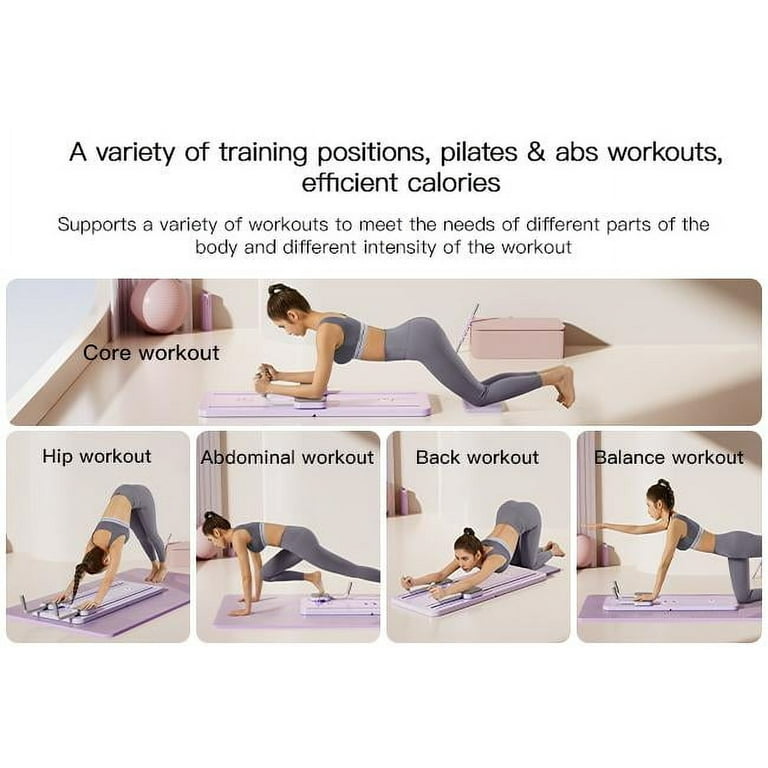
Credit: www.walmart.com
Safety Tips And Precautions
Practicing Pilates at home with a reformer can be rewarding. Yet, safety must always come first. Understanding proper techniques helps prevent injuries. Here are some essential tips to keep you safe during your workout.
Proper Form And Alignment
Maintaining correct form is crucial in Pilates. Your spine should be neutral. Avoid arching your back excessively. Keep your core engaged for stability. Align your knees and hips correctly. This prevents unnecessary strain. Watch your shoulder position. Keep them relaxed and away from your ears.
Using mirrors can help. They allow you to check your alignment. Proper form enhances your workout. It also reduces injury risks. Take your time to master each movement.
Avoiding Common Injuries
Warm up before starting any exercise. This prepares your muscles for movement. Avoid sudden or jerky motions. These can lead to strains or sprains. Listen to your body. If something feels wrong, stop immediately. Don’t push through pain.
Ensure your reformer is set up correctly. Check all springs and straps. They should be secure and in good condition. Wear non-slip socks for better grip. They provide added stability on the machine. Stay hydrated throughout your session. It keeps your muscles functioning well.
Tracking Your Progress
Track progress with at-home Pilates reformer workouts for improved fitness. Monitor changes in strength and flexibility. Celebrate small achievements to stay motivated and reach your goals.
Tracking your progress is an essential part of any fitness journey, especially when working out with a Pilates reformer at home. It helps you see how far you’ve come and motivates you to keep pushing forward. Imagine the satisfaction of noticing improvements in your strength and flexibility over time. How can you make sure you’re really advancing in your Pilates practice?Using A Workout Journal
Recording your workouts in a journal can be a game-changer. It allows you to keep track of what exercises you’ve done, how you felt during the session, and any challenges you faced. Consider noting the number of repetitions, resistance levels, and any adjustments you made. This detailed record helps you spot patterns and identify areas where you can improve. A journal is not just about numbers. Reflect on your mood and energy levels before and after each workout. Sometimes, the mental progress can be as rewarding as the physical gains.Setting Realistic Goals
Setting goals is crucial, but they need to be realistic. Start by assessing your current abilities and consider where you’d like to be in a month. Break down your larger goals into smaller, manageable milestones. Achieving these can boost your confidence and keep you motivated. Remember, it’s okay if progress seems slow at times. Every small step counts. Have you ever felt stuck, only to realize later that you’ve actually grown stronger? That realization can be incredibly empowering. Tracking your progress is more than just measuring your physical ability. It’s about understanding your journey, celebrating small victories, and continuously challenging yourself. How do you plan to track your Pilates progress and ensure you’re on the right path?Frequently Asked Questions
Is It Possible To Do Reformer Pilates At Home?
Yes, you can do reformer Pilates at home with a reformer machine. Online classes and tutorials are available. Make sure you have enough space and follow safety guidelines. Consider investing in a quality reformer for the best experience.
What Is The 10/20/30 Rule In Pilates?
The 10/20/30 rule in Pilates emphasizes practicing exercises for 10 minutes, 20 times a month, over 30 days. This routine helps build consistency, improve strength, and enhance flexibility efficiently. Regular practice following this rule ensures noticeable progress and benefits in physical fitness and overall well-being.
Is At Home Pilates As Effective As Reformer?
At-home Pilates can be effective but might lack the resistance benefits of reformer Pilates. Reformer offers enhanced strength training due to its equipment. For best results, combine both practices to suit your needs. Always ensure proper form and technique.
What Is The 3 2 8 Method Of Pilates?
The 3 2 8 method in Pilates involves inhaling for 3 counts, holding for 2 counts, and exhaling for 8 counts. This breathing technique helps improve focus, control, and muscle engagement during exercises. It’s designed to enhance relaxation and optimize performance in Pilates sessions.
Conclusion
Pilates reformer workouts at home are a great choice. They improve strength, flexibility, and balance. Plus, they offer a convenient exercise option. You can set your own pace and schedule. No need for a gym membership. Just some space and the right equipment.
Start small and gradually increase intensity. Listen to your body and rest when needed. Consistent practice brings results. Feel more energized and confident. Enjoy the journey to a healthier lifestyle. Keep moving and stay motivated. Your body and mind will thank you.








