Are you looking for an effective way to tone and strengthen your lower body without leaving the comfort of your home? You’re in the right place!
Imagine seeing results without the hassle of a gym membership or expensive equipment. It’s possible, and it’s easier than you think. With just a few simple exercises, you can target those key muscle groups in your legs and glutes, enhancing your fitness and boosting your confidence.
Picture yourself feeling stronger, more energetic, and ready to tackle whatever life throws your way. This workout is tailored for you, ensuring that you achieve those fitness goals while enjoying the convenience of exercising at home. Keep reading to discover how you can transform your lower body and feel fantastic in the process!
Credit: www.coachweb.com
Benefits Of Lower Body Workouts
Build strength and improve balance with at-home lower body workouts. These exercises tone muscles and enhance flexibility. Achieve fitness goals without gym equipment.
Lower body workouts are often overlooked, but they play a crucial role in overall fitness. Strengthening your lower body isn’t just about aesthetics; it’s about building a strong foundation for your entire body. These workouts can improve balance, increase mobility, and boost your confidence in daily activities.Enhances Core Stability
Lower body workouts aren’t just about your legs. They also engage your core muscles. When you perform exercises like squats or lunges, your core muscles stabilize your body. This leads to better posture and reduces the risk of back injuries. Next time you’re doing a squat, notice how your abs are working just as hard as your legs.Boosts Metabolism
Did you know that your legs contain some of the largest muscles in your body? Working them out requires more energy, which increases your metabolic rate. This means you’ll burn more calories throughout the day. If you’re looking to manage your weight, focusing on lower body exercises could be a game-changer.Improves Athletic Performance
Whether you’re a weekend warrior or a professional athlete, lower body strength is vital. Strong legs and hips contribute to better performance in sports like running, cycling, and even swimming. Imagine the difference in your sprinting speed with powerful quads and glutes.Reduces Risk Of Injury
A strong lower body provides stability and support for your joints. This reduces the likelihood of injuries, particularly in your knees and ankles. Think about the last time you slipped or tripped. A strong lower body can help you recover your balance and prevent a fall.Supports Everyday Activities
From walking up stairs to lifting heavy bags, your lower body is constantly at work. By strengthening these muscles, you’ll find these tasks become easier. You might even find yourself taking the stairs more often, just because you can.Boosts Confidence
There’s a certain confidence that comes with feeling strong and capable. Lower body workouts can enhance your self-esteem as you notice improvements in your strength and endurance. Have you ever felt the rush of endorphins after a challenging workout? It’s a reminder that you’re getting stronger, one rep at a time.Encourages Mental Resilience
Physical challenges often lead to mental growth. Pushing through a tough lower body workout can teach you perseverance and resilience. The next time you’re struggling with a task, remember how you conquered that last set of lunges. It’s a powerful reminder of your capability. Have you tried a lower body workout at home? What benefits have you noticed? Your journey to a stronger lower body can start today, and the rewards are well worth the effort.
Credit: squatwolf.com
Equipment-free Exercises
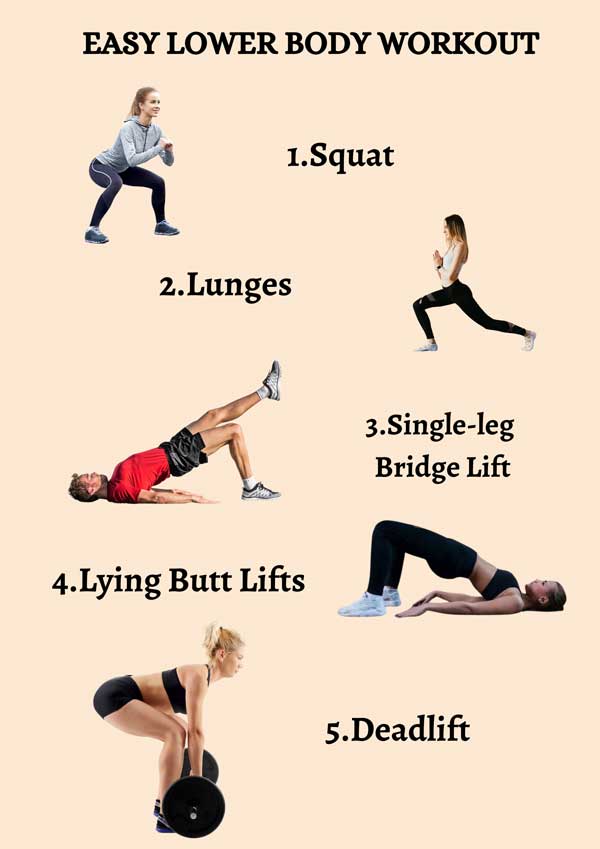
Discover the power of equipment-free exercises for an effective lower body workout at home. Squats, lunges, and bridges target key muscles, boosting strength and flexibility. Perfect for any fitness level, this routine fits into your daily schedule without the need for gym gear.
Incorporating lower body workouts into your routine can build strength and stability. You don’t need fancy equipment or a gym membership. Equipment-free exercises can be done anywhere, anytime. These exercises target key muscle groups effectively.Squats Variations
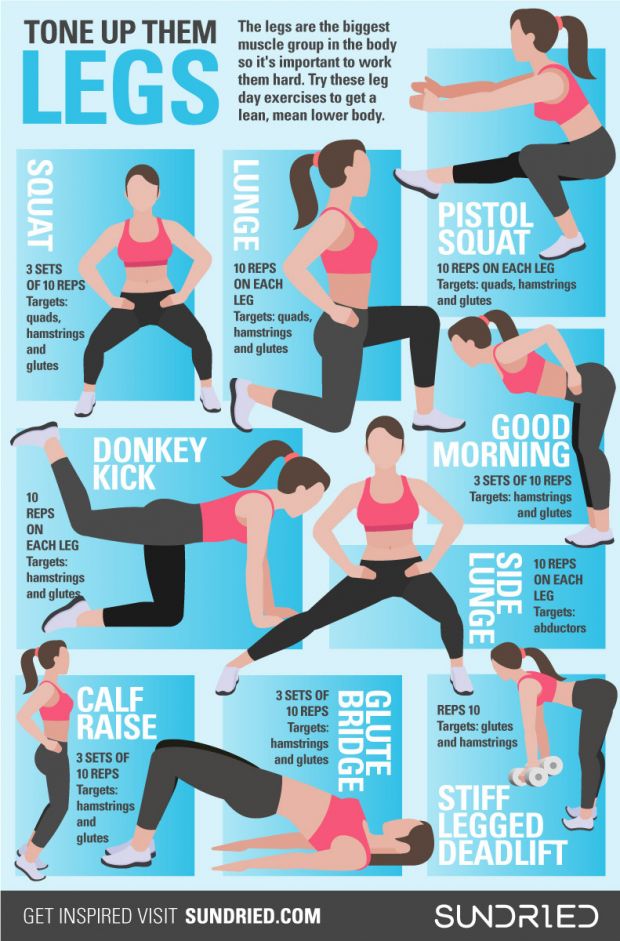
Squats are a powerhouse move for the lower body. Bodyweight squats engage the thighs, hips, and calves. Begin with feet shoulder-width apart. Lower your body while keeping your back straight. Try different variations to increase intensity. Pulsing squats involve small, rapid movements. Jump squats add a cardio element to your routine. Both variations increase heart rate and burn calories.Lunges For Balance
Lunges help improve balance and coordination. Step forward with one foot, bending both knees at a 90-degree angle. Keep your torso upright. Switch legs and repeat. For added challenge, try side lunges. These engage the inner thighs and provide a stretch. Walking lunges build endurance and target multiple muscle groups. They are perfect for toning your lower body.Bridges For Glutes
Bridges are excellent for strengthening the glutes and lower back. Lie on your back with knees bent, feet flat on the ground. Lift your hips towards the ceiling while squeezing your glutes. Hold this position and lower slowly. Single-leg bridges add extra resistance. They focus on each side individually. This exercise enhances muscle tone in the glutes. Regular practice leads to noticeable improvements.Incorporating Weights
Adding weights to your at-home lower body workout can boost results. Weights increase resistance, enhancing muscle engagement and growth. Many exercises can be adapted with weights. This makes them more effective and challenging. Explore some great exercises below.
Dumbbell Deadlifts
Dumbbell deadlifts target your hamstrings, glutes, and lower back. Stand with feet hip-width apart. Hold dumbbells in each hand. Keep knees slightly bent. Bend at your hips, lowering the dumbbells to mid-shin. Keep your back straight. Return to the standing position. Repeat for several reps. Dumbbell deadlifts improve strength and posture.
Weighted Step-ups
Weighted step-ups work your quads and glutes. Use a sturdy platform or step. Hold a dumbbell in each hand. Step up with your right foot. Bring your left foot up to meet it. Step down with your right foot. Repeat with your left foot leading. This exercise builds balance and coordination. It also strengthens your legs effectively.
Goblet Squats
Goblet squats are excellent for your thighs and glutes. Hold a dumbbell at chest level. Stand with feet shoulder-width apart. Lower into a squat, keeping your chest up. Ensure your knees don’t go past your toes. Push through your heels to stand back up. Goblet squats enhance strength and muscle endurance. They also improve squat form.

Credit: www.pinterest.com
Resistance Band Techniques
Resistance bands are excellent for lower body workouts. They offer versatility and challenge muscles effectively. Small yet mighty, these bands enhance your exercise routine. Perfect for at-home workouts, they provide resistance without heavy weights. Let’s explore some techniques that will strengthen your lower body.
Band Squats
Band squats target the thighs and glutes. Place the band around your thighs. Stand with feet shoulder-width apart. Keep your chest up and core tight. Lower into a squat, pushing hips back. Feel the tension in the band. Rise slowly, squeezing the glutes. Repeat for desired reps.
Lateral Band Walks
Lateral band walks focus on the outer thighs. Position the band above your knees. Stand with knees slightly bent. Step sideways, maintaining tension on the band. Keep your feet parallel. Walk ten steps one way, then reverse. Feel the burn in your legs.
Band Glute Bridges
Band glute bridges engage the glutes and hamstrings. Lie on your back with knees bent. Place the band above your knees. Feet flat, hip-width apart. Lift hips toward the ceiling, squeezing glutes. Hold for a moment at the top. Lower slowly and repeat. Ensure the band stays taut.
High-intensity Interval Training (hiit)
High-Intensity Interval Training, or HIIT, delivers fast and effective workouts. It alternates between short bursts of intense exercise and rest periods. This approach boosts your heart rate, burns calories, and builds muscle. You can perform HIIT workouts at home with no equipment. Let’s explore three impactful HIIT exercises for your lower body.
Jump Squats
Jump squats target your thighs, glutes, and calves. Start in a squat position with your feet shoulder-width apart. Push through your heels and jump as high as you can. Land softly back into the squat position. Repeat for 30 seconds, then rest for 15 seconds. This exercise increases power and endurance.
Burpees
Burpees engage your entire body and elevate your heart rate. Begin standing, drop into a squat, and place your hands on the floor. Kick your legs back into a plank position. Jump your feet forward and return to standing with a leap. Perform for 30 seconds with a 15-second rest. Burpees enhance strength and cardiovascular fitness.
Mountain Climbers
Mountain climbers work your legs, core, and shoulders. Start in a plank position with your arms straight. Quickly drive your knees toward your chest, one at a time. Maintain a fast pace for 30 seconds, followed by 15 seconds of rest. This move improves agility and coordination.
Cool Down And Stretch
Cooling down and stretching are essential for an effective at-home lower body workout. These steps help prevent injuries and improve flexibility. Spend a few minutes on gentle stretches to relax muscles and enhance recovery.
After a challenging lower body workout, taking time to cool down and stretch is essential for recovery and flexibility. Cooling down helps your heart rate gradually return to normal and prevents dizziness. Stretching maintains muscle elasticity and reduces the risk of injury. By dedicating just a few minutes to this routine, you’re investing in your body’s long-term health. Let’s dive into some effective stretches that will leave you feeling refreshed and ready for your next workout.Hamstring Stretches
Hamstrings often bear the brunt of lower body workouts. To stretch them, start by standing upright. Gently bend forward at the hips, reaching towards your toes. Hold this position for 20-30 seconds. If you’re like me, you’ll feel a satisfying stretch that releases tension from the back of your legs. Consistently stretching your hamstrings can improve your flexibility and prevent tightness.Quad Stretches
The quads are powerhouses during leg exercises. Stand on one leg, using a wall for balance if needed. Pull your other foot towards your glutes, holding your ankle. You’ll feel the front of your thigh lengthening. This stretch not only increases flexibility but also aids in muscle recovery. Have you ever skipped stretching your quads and felt soreness the next day? Stretching can be the difference-maker.Calf Stretches
Don’t forget about your calves, which work tirelessly during workouts. Stand near a wall and place one foot behind the other. Keep your back leg straight and press your heel into the ground. Lean forward slightly and hold for 20-30 seconds. This stretch is my personal favorite after a run; it feels like a reward for my hardworking calves. Regular calf stretching enhances mobility and can alleviate stiffness. Incorporating these stretches into your post-workout routine can transform how your body feels and performs. Have you made stretching a habit yet? Try it out and notice the difference in your recovery and flexibility. Your body deserves this moment of care, and you’ll thank yourself for it in the long run.Creating A Weekly Schedule
Planning your at-home lower body workout is crucial. It ensures consistency and balance. A structured schedule helps target all muscle groups effectively. This approach keeps workouts fresh and engaging. It also prevents overworking specific muscles, reducing injury risk. Below is a guide to help you plan your weekly routine.
Monday: Focus On Quads And Glutes
Begin the week with exercises targeting quads and glutes. Squats and lunges are great choices. They build strength and endurance. Consider three sets of 10-15 reps for each exercise. This ensures a solid workout without overexertion. Rest for one minute between sets to maintain energy levels.
Wednesday: Target Hamstrings And Calves
On Wednesday, switch focus to hamstrings and calves. Try deadlifts and calf raises for these muscles. Perform three sets of 10-12 reps. Ensure proper form to avoid strain. A brief rest period between sets aids recovery.
Friday: Comprehensive Lower Body Workout
Friday’s workout should involve all major lower body muscles. Combine squats, lunges, deadlifts, and calf raises. This comprehensive approach maximizes muscle engagement. Aim for two sets of each exercise with 12 reps. Incorporate a two-minute rest between exercises.
Sunday: Active Recovery And Stretching
Sunday is for active recovery. Engage in light stretching and yoga. This enhances flexibility and reduces muscle tension. Focus on deep breathing and slow movements. It prepares your body for the upcoming week.
Nutrition Tips For Muscle Growth
Building muscle at home requires more than just a solid workout plan. Nutrition plays a critical role in your fitness journey, especially when it comes to muscle growth. The right diet can enhance your efforts and yield faster results. But what exactly should you eat to ensure your muscles are getting the nutrients they need?
Understanding Protein Needs
Protein is the building block of muscles. If you’re aiming for muscle growth, prioritize protein-rich foods. Think chicken, fish, eggs, and beans. Each meal should contain a healthy dose of protein.
Are you consuming enough protein daily? Aim for 1.2 to 2.0 grams of protein per kilogram of your body weight, depending on your activity level. It’s not just about quantity—timing matters too. Have protein within an hour after your workout to aid recovery.
Carbs: Friend Or Foe?
Carbs often get a bad rap, but they’re essential for energy. They fuel your workouts and help in muscle recovery. Opt for complex carbs like brown rice, quinoa, and sweet potatoes.
Why not try pairing your protein with a portion of carbs for a balanced meal? It might surprise you how much better your workouts feel when your energy is up.
Don’t Forget Fats
Healthy fats are crucial for hormone production, including testosterone, which is vital for muscle growth. Avocados, nuts, and olive oil are great options.
Have you ever thought about adding a tablespoon of nut butter to your smoothie? It’s a tasty way to incorporate healthy fats into your diet.
Hydration And Muscle Growth
Water is often overlooked but is essential for muscle function and recovery. Being hydrated helps your muscles perform better and recover faster.
Consider carrying a water bottle and sipping regularly throughout the day. How often do you actually drink water during your workouts?
Supplements: Yay Or Nay?
Supplements can be beneficial, but they shouldn’t replace whole foods. Protein powders, creatine, and BCAAs can complement your diet, but focus on getting nutrients from your meals first.
Do you need supplements? Assess your diet first. If you’re lacking in certain areas, supplements might help bridge the gap.
Nutrition is a powerful tool in your muscle-building arsenal. With a few tweaks to your diet, you can optimize your workout results. So, what changes will you make to your eating habits today?
Frequently Asked Questions
Can You Train Your Lower Body At Home?
Yes, you can train your lower body at home. Use exercises like squats, lunges, and calf raises. Include resistance bands or weights for added intensity. Consistency is key to seeing results. A balanced diet supports your fitness goals. Stay motivated and adjust your routine as needed for progress.
Can You Build Leg Muscle Without Weights?
Yes, you can build leg muscle without weights. Bodyweight exercises like squats, lunges, and calf raises are effective. Incorporate plyometrics and resistance bands for added challenge. Maintain consistency and progressively increase intensity to stimulate muscle growth. Proper nutrition and rest also play crucial roles in muscle development.
Is 30 Minutes Of Leg Day Enough?
Yes, 30 minutes of leg day can be effective. Focus on high-intensity exercises and proper form. Include squats, lunges, and deadlifts. Consistency and progressive overload are key. Ensure adequate rest and nutrition for optimal results. Tailor the workout to your fitness level and goals.
What Home Workout Is Best For Legs?
Squats and lunges are excellent for strengthening leg muscles at home. Add resistance bands or dumbbells for intensity. Incorporating exercises like calf raises and glute bridges can further enhance leg workouts. Consistency and proper form are key to achieving optimal results in leg fitness.
Conclusion
A home lower body workout is both effective and convenient. You don’t need fancy gym equipment to see results. Simple exercises can build strength and boost your mood. Consistency is key for improvement. Try to exercise regularly, even if it’s just a few minutes.
Your body will thank you. Remember to listen to your body and rest when needed. Stay hydrated and eat well to support your fitness journey. Celebrate each small achievement. Every step counts. Enjoy the process and feel stronger every day.
Keep moving forward, and embrace the positive changes.








