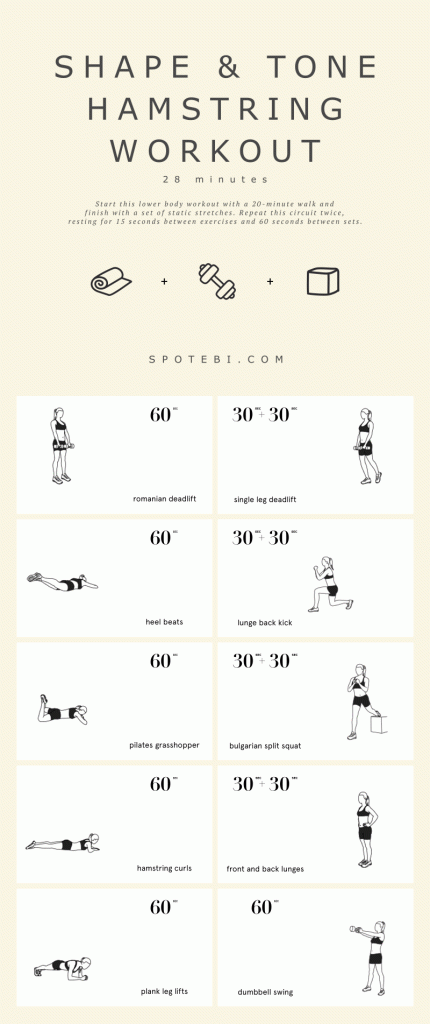
Do you often find yourself struggling to fit a good workout into your busy schedule? Imagine achieving stronger, more flexible hamstrings without ever leaving your home.
Sounds too good to be true, right? But it isn’t. An at-home hamstring workout is your ticket to better leg strength and improved mobility, and the best part is, you can do it anytime, anywhere. Picture this: a simple, effective routine that fits seamlessly into your day, requiring minimal equipment.
By the end of this article, you’ll know exactly how to target your hamstrings with exercises that are not only efficient but also enjoyable. Your fitness goals are within reach, and with the right guidance, you can transform your lower body and, ultimately, your overall health. Stick around, and discover how to harness the power of an at-home hamstring workout to elevate your fitness game.
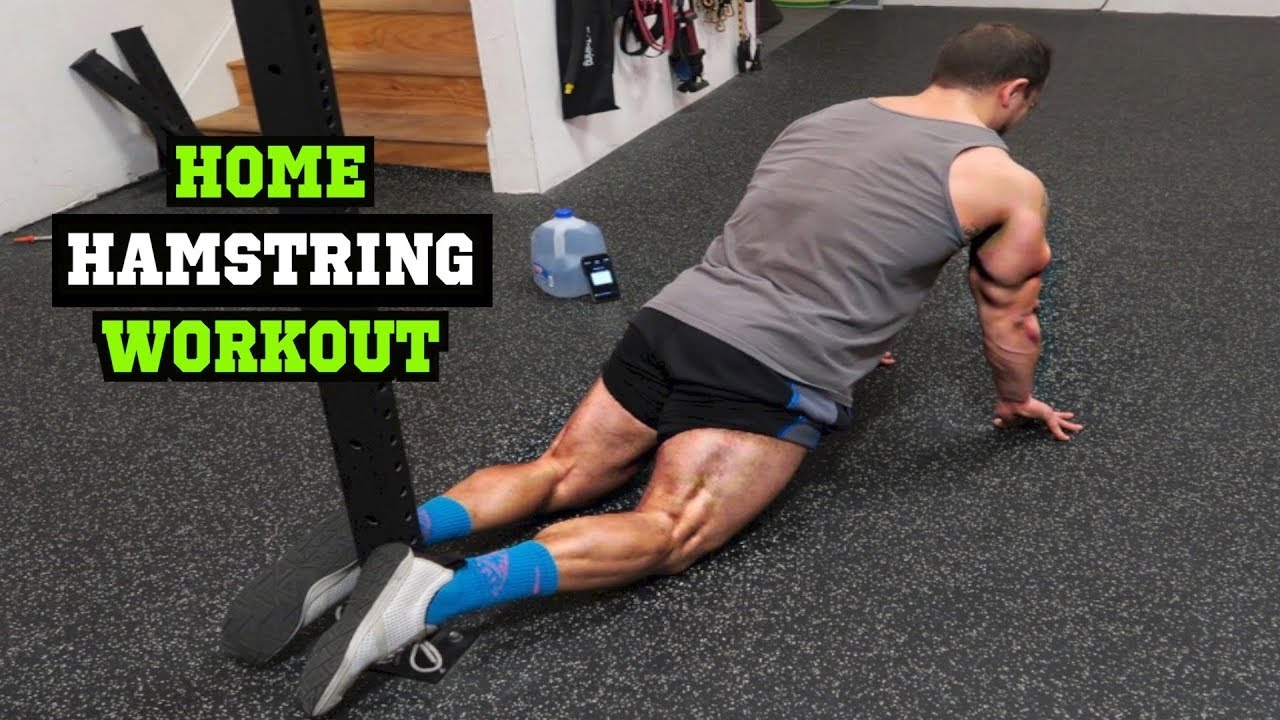
Credit: www.youtube.com
Benefits Of Strong Hamstrings
Strong hamstrings play a crucial role in everyday movement. They support your hips and knees during physical activities. This strength helps prevent injuries. Building hamstring strength can improve your balance. It also enhances athletic performance.
Improved Stability
Hamstrings contribute to better balance. They stabilize your lower body. This stability helps in walking and running. It reduces the risk of falls. Strong hamstrings support posture during exercise.
Enhanced Athletic Performance
Strengthening hamstrings boosts speed. It aids in powerful jumps and sprints. Athletes benefit from increased agility. Strong muscles improve endurance. They support quick direction changes.
Reduced Risk Of Injury
Strong hamstrings protect against muscle strains. They reduce joint stress. This minimizes the risk of knee injuries. Proper strength prevents lower back pain. It supports safe lifting techniques.
Better Flexibility
Flexibility increases with hamstring exercises. It allows a wider range of motion. Stretching these muscles improves flexibility. It reduces muscle tightness. Flexibility aids in various physical activities.
Anatomy Of The Hamstring
The hamstring muscles are essential for movement and stability. They play a crucial role in walking, running, and jumping. Understanding their anatomy can help improve your workout.
The hamstring consists of three muscles. These are the biceps femoris, semitendinosus, and semimembranosus. Each muscle has a specific function.
The biceps femoris is responsible for knee flexion. It also helps rotate the leg outward. This muscle has two parts: a long head and a short head.
Biceps Femoris
The long head originates from the pelvis. It assists in hip extension. The short head originates from the thigh bone.
The biceps femoris is crucial for running. It provides power and speed.
Semitendinosus
The semitendinosus muscle runs along the back of the thigh. It helps in knee flexion and hip extension. Its long tendon makes it unique.
This muscle is vital for stability. It ensures balance during movement.
Semimembranosus
The semimembranosus muscle lies deep in the thigh. It also aids in knee flexion and hip extension. This muscle stabilizes the knee joint.
Strong semimembranosus muscles enhance performance. They reduce injury risk.
Understanding these muscles can enhance your hamstring workout at home. Focusing on each muscle can lead to better results.
Essential Equipment
Boost hamstring strength at home with essential equipment like resistance bands and stability balls. These tools help target muscles effectively, providing a dynamic and challenging workout. Simple, yet effective gear can transform your exercise routine.
Staying fit at home can be both convenient and effective, especially when you know what equipment you need. Having the right tools can make your hamstring workout more efficient and enjoyable. You don’t need a gym membership to build strong hamstrings; you just need a few essential pieces of equipment that are easy to store and use in your living room or garage. Let’s dive into what you’ll need.Resistance Bands
Resistance bands are versatile. They can add intensity to your hamstring exercises without taking up much space. They come in different strengths, so you can choose the level of resistance that suits your workout goals. I found that using resistance bands not only improved my hamstring strength but also enhanced my flexibility. They are easy to store, making them perfect for home workouts. Have you tried incorporating them into your routine yet? You might be surprised at how effective they can be.Dumbbells
Dumbbells are a staple in any at-home workout setup. Even a single pair can provide a range of exercises to target your hamstrings effectively. Whether you’re doing lunges or deadlifts, dumbbells offer a straightforward way to add weight and challenge your muscles. Think about upgrading your routine with dumbbells. It’s an affordable way to simulate the gym experience right in your living room.Yoga Mat
A yoga mat is more than just a surface to exercise on. It provides the necessary grip and cushioning for your floor exercises. Whether you’re doing hamstring curls or stretching, a yoga mat ensures comfort and safety. Have you ever slipped during a stretch? A yoga mat can prevent that, giving you peace of mind as you focus on your form and technique.Foam Roller
Foam rollers are excellent for post-workout recovery. They help to release tension in your hamstrings and improve circulation. Using a foam roller regularly can prevent soreness and increase flexibility. After a long workout, I always use a foam roller to ease muscle tension. It’s a quick way to refresh your muscles and prepare them for the next session.Stability Ball
A stability ball adds a fun and challenging element to your workout. It’s ideal for exercises that require balance and core engagement. You can use it for hamstring curls and bridges to add a new dimension to your routine. Ever tried balancing on a stability ball? It’s a great test of your coordination and can significantly enhance your workout. — Having the right equipment can transform your home into a personal fitness space. You can achieve your fitness goals without needing to leave the house. Which piece of equipment will you add to your workout today?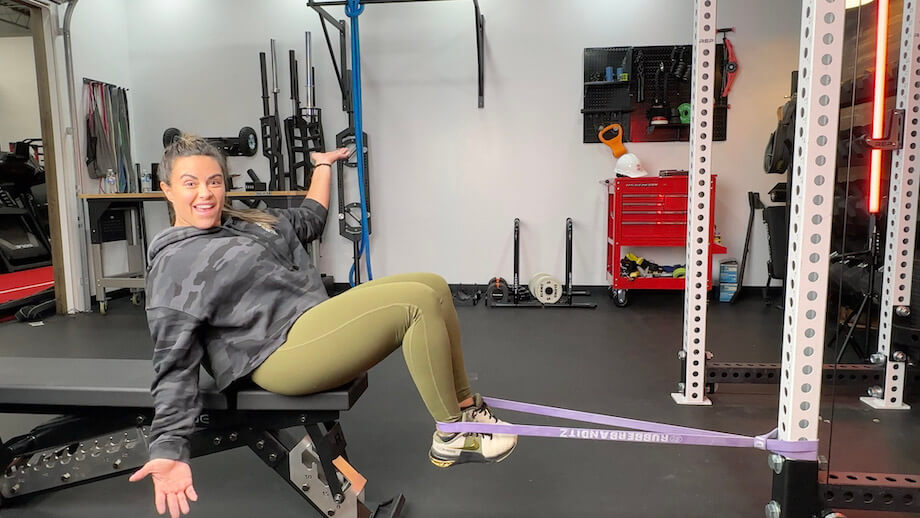
Credit: www.garagegymreviews.com
Warm-up Exercises
Engaging in a proper warm-up is essential before any hamstring workout. It prepares your muscles and reduces the risk of injury. A good warm-up increases blood flow to the muscles. It also enhances flexibility and performance. This section will guide you through effective warm-up exercises for your hamstring workout.
Dynamic Stretches
Dynamic stretches involve active movements. They help increase your range of motion. Start with high knees to warm up your legs. This exercise is simple and effective. March in place and lift your knees high. Keep your core engaged throughout the movement.
Next, try butt kicks to stretch the hamstrings. Run in place and kick your heels towards your glutes. Maintain a steady pace and stay light on your feet. This exercise also activates your cardiovascular system.
Leg Swings
Leg swings are excellent for warming up hamstrings. Stand beside a wall or sturdy surface. Support yourself with one hand. Swing one leg forward and backward in a controlled manner. This helps loosen up your hip flexors and hamstrings.
Switch to lateral leg swings to target different muscles. Face the wall and swing your leg from side to side. Keep your movements smooth and controlled. This exercise improves flexibility and balance.
Bodyweight Exercises
Bodyweight exercises are a fantastic way to strengthen your hamstrings without needing any fancy equipment. They’re convenient, effective, and can be done right at home. Plus, they’re perfect for those days when you can’t make it to the gym but still want to feel the burn. Whether you’re new to working out or a seasoned athlete, these exercises offer a simple yet challenging way to build muscle and improve flexibility.
Glute Bridges
Glute bridges are more than just a hamstring workout; they also target your glutes and lower back. Start by lying on your back with your knees bent and feet flat on the floor. Your arms should rest at your sides. As you lift your hips toward the ceiling, squeeze your glutes and hamstrings tightly. Hold for a moment before lowering back down. Do three sets of 15 reps.
Do you notice your core engaging during this exercise? That’s the beauty of glute bridges. You’re not just working one muscle group; you’re activating multiple areas for a balanced workout.
Single-leg Deadlifts
Single-leg deadlifts are an excellent way to challenge your balance and stability while targeting your hamstrings. Stand with feet hip-width apart. Shift your weight onto your right foot, and slowly lift your left leg behind you as you bend forward from the hips. Keep your back straight and extend your left arm toward the floor. Return to standing and switch legs.
This exercise can be a bit tricky. But as you practice, you’ll notice improvements in your balance and coordination. Consider adding some light dumbbells for an extra challenge once you’re comfortable with the movement.
How do you feel after trying these exercises? It’s amazing how much you can achieve with just your bodyweight, isn’t it? These exercises not only strengthen your hamstrings but also enhance your overall fitness. Dive into these moves and discover how they can fit into your workout routine. Your hamstrings will thank you!

Credit: www.youtube.com
Resistance Band Workouts
Discover the power of resistance bands for an effective at-home hamstring workout. Strengthen muscles without heavy equipment. Perfect for small spaces, resistance bands offer a versatile and challenging exercise routine for your hamstrings.
Resistance band workouts are a fantastic way to strengthen your hamstrings at home. These bands are versatile, affordable, and perfect for targeting those hard-to-reach muscles. You don’t need a gym membership or fancy equipment—just a resistance band and a little space.Lying Leg Curls
Lying leg curls with a resistance band can effectively target your hamstrings. Start by lying flat on your stomach, looping a resistance band around your ankles. Slowly bend your knees, pulling your feet towards your glutes. Feel the tension in your hamstrings as you curl your legs. Hold the position for a second before returning to the starting point. Aim for three sets of 12-15 repetitions.Standing Leg Extensions
Standing leg extensions are another great way to work on your hamstrings. Attach one end of the band to a sturdy object, like a table leg, and the other end around your ankle. Stand straight and pull your leg back, feeling the stretch in your hamstrings. Keep your core engaged to maintain balance. Repeat the motion 12-15 times for three sets on each leg. Have you ever noticed how your body feels more energized after a workout? These exercises not only strengthen your hamstrings but also enhance your overall mobility. Make these workouts a part of your routine and experience the difference in your physical strength. Do you have a favorite hamstring exercise? Share your thoughts in the comments below!Incorporating Dumbbells
Transform your hamstring workout by incorporating dumbbells for added resistance and effectiveness. These versatile weights help target muscles, improve strength, and boost overall workout results. Perfect for at-home fitness routines.
Working out at home doesn’t mean you can’t get a gym-quality leg workout. Adding dumbbells to your hamstring routine can significantly boost your results. Whether you’re looking to build strength, increase muscle mass, or tone your legs, dumbbells are a versatile tool that can enhance your workouts. Have you ever wondered how a simple weight can transform your exercise routine? Let’s dive into two effective moves: Dumbbell Romanian Deadlifts and Weighted Step-Ups.Dumbbell Romanian Deadlifts
Dumbbell Romanian Deadlifts are a fantastic way to target your hamstrings. Start by standing with your feet hip-width apart, holding a dumbbell in each hand. Keep your back straight and slightly bend your knees. As you hinge at your hips, lower the dumbbells towards the ground, keeping them close to your legs. Feel the stretch in your hamstrings as you move. Engage your core and squeeze your glutes as you return to the standing position. Consistency is key. Aim for 3 sets of 10-12 reps. Start with a lighter weight to focus on form, then gradually increase as you build strength. How does it feel to challenge your muscles in a new way?Weighted Step-ups
Weighted Step-Ups are another great exercise to add to your at-home hamstring workout. All you need is a sturdy chair or a low bench and a pair of dumbbells. Stand in front of the chair, holding a dumbbell in each hand. Step one foot onto the chair, pressing through your heel to lift your body. Bring the other foot up to meet it, then step back down. Switch legs and repeat. This exercise also engages your glutes and quads, providing a comprehensive lower body workout. Try 3 sets of 10-15 reps per leg. It’s a simple yet effective way to boost your leg strength. Notice how each step challenges your balance and coordination. Can you maintain control as you push your limits? With these exercises, your at-home hamstring workout can be just as effective as any gym session. Grab those dumbbells and start feeling the difference today!Cool Down Techniques
Ease muscle tension with effective cool down techniques. Stretch hamstrings at home to enhance flexibility and prevent soreness. Short, gentle exercises help muscles relax post-workout.
Cooling down after an intense hamstring workout is vital. It helps your muscles recover and reduces soreness. Effective cool down techniques ensure you stay injury-free. They also enhance flexibility and maintain the health of your muscles.Static Hamstring Stretch
A static hamstring stretch is simple. Sit on the floor with one leg extended. Bend the other leg, bringing the foot toward the inner thigh of the extended leg. Reach forward towards the toes of the extended leg. Hold this position for 15 to 30 seconds. Breathe deeply and relax. This stretch improves flexibility and eases muscle tension. Repeat on the other leg for balanced flexibility.Foam Rolling
Foam rolling aids in muscle recovery. Place the foam roller under your hamstrings. Use your hands to lift your body slightly. Roll back and forth from your knees to your glutes. This process breaks down muscle knots and improves blood flow. Spend at least 30 seconds on each leg. Foam rolling may feel uncomfortable initially. Persist gently for effective results.Tips For Progression
Progressing in your hamstring workout at home can be challenging. It’s important to find ways to continuously improve and build strength. Knowing the right tips for progression can help you achieve better results. Let’s dive into some practical advice to enhance your hamstring workouts.
1. Gradually Increase Repetitions
Start with a comfortable number of reps. Gradually increase by two or three every week. Small increases can lead to significant progress over time.
2. Add Resistance
Resistance bands are easy to use at home. They add intensity to your workouts. Choose a band with suitable resistance. Increase the resistance as you grow stronger.
3. Focus On Form
Proper form prevents injuries. It also maximizes workout benefits. Keep your back straight and core engaged. Watch tutorial videos for guidance.
4. Mix Up Exercises
Include different hamstring exercises. Try leg curls, bridges, and deadlifts. Variety challenges muscles and prevents boredom.
5. Set Achievable Goals
Setting goals keeps you motivated. Start with short-term goals. As you achieve them, set new ones. This approach builds confidence and strength.
6. Rest And Recover
Rest days are vital for muscle recovery. Ensure you take breaks between workouts. Listen to your body and avoid overtraining.
Common Mistakes
Working out at home can be convenient. Yet, many make mistakes during hamstring exercises. These errors can lead to injuries and reduce workout effectiveness. Understanding common mistakes helps achieve better results. Let’s explore these pitfalls to avoid.
Incorrect Form
Proper form ensures muscle engagement. Many neglect this, risking harm. Avoid bending your back during exercises. Keep your spine straight for safety. Ensure knees are slightly bent, not locked. This provides support and prevents strain.
Overextending
Stretching too much can harm the muscles. Overextension leads to injury. Keep movements controlled and within comfort. Feel a gentle stretch, not pain. Listen to your body and adjust as needed.
Skipping Warm-ups
Warm-ups prepare muscles for exercise. Many skip this crucial step. Cold muscles are prone to injuries. Start with light cardio or dynamic stretches. This increases blood flow and flexibility.
Ignoring Breathing
Breathing impacts performance. Many hold their breath during exertion. This reduces oxygen supply to muscles. Breathe steadily and rhythmically. Inhale during relaxation, exhale during exertion.
Too Much Resistance
Using heavy weights can strain muscles. Beginners often choose weights beyond their capacity. Start with lighter weights, increasing gradually. Focus on controlled movements and proper form.
Rushing Through Reps
Speed reduces effectiveness. Fast reps compromise form and control. Perform each rep slowly, focusing on muscle engagement. Quality matters more than quantity in workouts.
Frequently Asked Questions
How Do You Train Your Hamstrings At Home?
Train hamstrings at home with exercises like glute bridges, deadlifts, and leg curls. Use resistance bands or dumbbells to increase intensity. Maintain proper form to avoid injury and maximize results. Aim for consistent workouts to build strength and flexibility.
How To Train Hamstrings Without A Machine?
Train hamstrings at home with exercises like Romanian deadlifts, glute bridges, and single-leg deadlifts. Use resistance bands for added intensity. Incorporate Nordic hamstring curls and good mornings for effective results. Maintain proper form to prevent injury and maximize muscle engagement.
What Exercise Best Works The Hamstrings?
Deadlifts and hamstring curls effectively target the hamstrings. Deadlifts build strength and power, engaging multiple muscles. Hamstring curls isolate the hamstrings, enhancing muscle growth and flexibility. Incorporating both exercises into your routine ensures balanced muscle development and improved overall leg strength.
Are 3 Exercises Enough For Hamstrings?
Three exercises can effectively target hamstrings if selected wisely. Focus on variety and proper form. Include exercises like deadlifts, hamstring curls, and Romanian deadlifts. Adjust intensity and volume based on your fitness level. Always prioritize technique to avoid injury and maximize results.
Conclusion
A home hamstring workout can be simple yet effective. Regular exercises strengthen and tone your muscles. Consistency is key. Dedicate time each week for these exercises. Listen to your body and avoid overexertion. Proper form helps prevent injuries. Enjoy the flexibility and strength gains.
Stay motivated and track your progress. Fitness improves with patience and persistence. Start with basic moves and gradually increase intensity. Celebrate small victories along your journey. Strong hamstrings support overall body health. Remember, you are investing in yourself. Keep moving, and you’ll feel the benefits.
Your efforts will pay off. Stay committed and enjoy the results.








