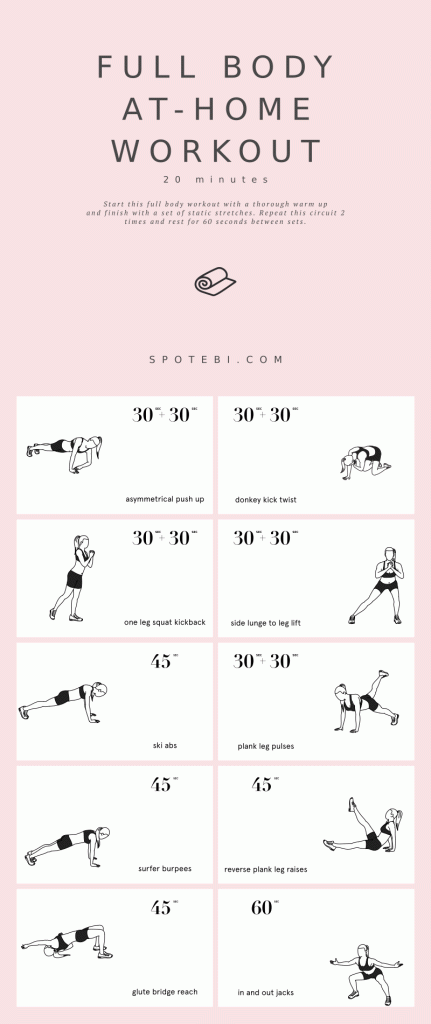
Ready to transform your living room into a personal fitness haven? If you’re looking to get fit without the hassle of a gym membership, you’re in the right place.
Imagine having the power to sculpt your entire body without leaving the comfort of your home. Sounds convenient, right? This guide is crafted just for you, merging science-backed exercises with simplicity. Whether you’re a beginner or a fitness enthusiast, we’ve got a routine that fits seamlessly into your day.
It’s time to discover how you can achieve full-body strength, boost your energy, and feel incredible—all within your own space. Curious to know how? Let’s dive in and unlock the secrets to your ultimate at-home workout.
Benefits Of Home Workouts
Experience the convenience of full body workouts at home. Save time and money while boosting your health. Home workouts offer flexibility, allowing you to exercise whenever suits you. Enjoy a wide range of exercises to engage every muscle group. Stay fit and active without leaving your living room.
Working out at home has gained popularity, and for good reason. The benefits extend beyond just physical fitness. From time efficiency to cost savings, home workouts offer an appealing alternative to traditional gym settings.Convenience And Flexibility
Home workouts allow you to exercise on your own schedule. No more planning your day around gym hours. You can squeeze in a quick session before breakfast or unwind with yoga at night. Think about how much time you spend commuting to a gym. At home, that time is yours to use however you like. Plus, you can customize your environment. Prefer music or silence? It’s entirely up to you.Cost-effective
Gym memberships can add up quickly. Home workouts require minimal investment. A yoga mat and some dumbbells can be all you need. You can access countless free workout videos online. There’s a routine for every fitness level and interest. This ensures you never get bored or plateau in your progress.Privacy And Comfort
Working out at home means no prying eyes. You can exercise without feeling self-conscious. This privacy can boost your confidence and motivation. Imagine the comfort of wearing whatever you like. No need for fancy gym outfits. Your living room becomes your personal, judgment-free zone.Tailored To Your Needs
At home, you have the freedom to tailor workouts to your specific goals. Want to focus on strength, flexibility, or cardio? You can design a routine that matches your priorities. Home workouts can cater to any physical limitations. Customize exercises to suit your body’s needs and avoid injury. This personalization keeps you committed and engaged.Family And Lifestyle Integration
Home workouts can seamlessly fit into your family life. Exercise with your kids or spouse, turning fitness into a bonding activity. Even busy parents can set a positive example for their children. This approach can instill healthy habits that last a lifetime. What barriers have kept you from trying a home workout? The flexibility, cost savings, and personalization might just make it the perfect fit for you.Creating A Dedicated Space
Creating a dedicated space for your at-home full body workout can boost focus and motivation. A well-defined area reduces distractions and helps establish a routine. Whether it’s a corner in your bedroom or a spot in the living room, the right environment is key.
Choosing The Right Spot
Pick a space with enough room to move freely. Ensure it’s free from clutter. This helps maintain focus during exercises. Natural light can enhance mood and energy. If possible, select a spot near a window.
Setting Up Your Equipment
Organize your workout tools neatly. Keep dumbbells, resistance bands, and mats within reach. This saves time and keeps you motivated. Store items in a basket or on a shelf to keep them tidy.
Personalizing Your Space
Add personal touches to your workout area. Hang motivational quotes on the wall. Play upbeat music to keep energy levels high. These elements create a positive atmosphere.
Ensuring Comfort
Comfort is crucial for effective workouts. Use a mat for cushioning. A fan or open window can keep the area cool. Proper ventilation enhances comfort and focus.
Maintaining Your Space
Regular maintenance keeps your space inviting. Clean the area after each session. Wipe down equipment to prevent dust build-up. A tidy space encourages consistent workouts.
Essential Equipment
Getting a full-body workout at home doesn’t need a lot of gear. With just a few essential pieces, you can target every major muscle group. These items are affordable and easy to store, making them perfect for home workouts. Let’s explore what you need to get started.
Resistance Bands
Resistance bands are versatile and effective. They offer varying levels of resistance, which helps build strength. Lightweight and portable, they are ideal for small spaces. Use them for exercises like squats or bicep curls. Bands add tension to movements, improving muscle tone.
Dumbbells
Dumbbells come in different weights to suit all fitness levels. They are great for strength training. Dumbbells help increase muscle mass and improve balance. Use them for lunges, shoulder presses, or deadlifts. A pair of adjustable dumbbells saves space and money.
Yoga Mat
A yoga mat provides comfort and grip during workouts. It cushions the body against hard floors. Mats are essential for exercises like planks and push-ups. They offer a non-slip surface, reducing injury risk. Roll it up and store it easily after use.

Credit: uk.pinterest.com
Warm-up Routines
Warm-up routines prepare your body for an at-home full body workout. They increase blood flow and loosen muscles. Simple exercises like jumping jacks or arm circles help prevent injuries.
Warming up before diving into a workout is crucial. It prepares your body, enhances performance, and reduces the risk of injury. You might think of it as an unnecessary step, but a good warm-up routine can make a huge difference in your workout effectiveness.Dynamic Stretches
Dynamic stretches are active movements that help increase your heart rate and loosen up muscles. Leg swings are a great example. Stand with your feet hip-width apart and swing one leg forward and backward, then switch. It’s simple but very effective. Arm circles are another quick warm-up. Extend your arms to the sides and make small circles, gradually increasing the size. It engages your shoulders and improves blood flow.Jumping Jacks
Jumping jacks are a classic. They elevate your heart rate and get your blood pumping. Start with your feet together and hands by your sides, then jump while spreading your legs and raising your arms. A minute of jumping jacks can wake up your entire body. Do you remember doing these in school? They might seem basic, but they’re powerful for warming up.High Knees
High knees are excellent for engaging your core and legs. Stand tall and jog in place, lifting your knees as high as possible. This exercise is not just about speed; focus on form and getting those knees up. Try doing high knees for 30 seconds. It’s short but intense, leaving you ready for the main workout.Torso Twists
Torso twists are perfect for loosening up your back and core. Stand with your feet shoulder-width apart and twist your upper body from side to side. Keep your hips stable while rotating your torso for the best stretch. Adding a slight bend in your knees can enhance the twist. It’s a small tweak but makes a noticeable difference.Why Warm-up Routines Matter
Skipping a warm-up might save time, but what about the potential for injury? Warming up increases blood flow to your muscles, making them more flexible and less prone to strains. It also sets the tone mentally, helping you focus on your workout goals. Think about the last time you jumped straight into a workout. Did you feel stiff or less coordinated? A proper warm-up can help you avoid that feeling, setting you up for success. Warm-ups are not just a checklist item; they’re the foundation of an effective workout. What are your favorite warm-up exercises?Upper Body Exercises
Getting a toned upper body doesn’t require a gym membership or fancy equipment. You can achieve great results right at home with some simple yet effective upper body exercises. These moves target your arms, shoulders, and back, helping you build strength and definition. Ready to feel the burn? Let’s dive in.
Push-ups Variations
Push-ups are a staple in any workout routine, but changing them up can make all the difference. Try incline push-ups to ease the pressure on your wrists. If you’re looking for a challenge, go for decline push-ups or add a clap between reps. Each variation targets different muscle groups, keeping your workout fresh and effective.
Dumbbell Rows
Dumbbell rows are perfect for working your back and biceps. Grab a pair of dumbbells and bend slightly at the waist. Pull the weights towards your chest, squeezing your shoulder blades. Think about rowing a boat. This exercise strengthens your back and improves posture.
Shoulder Presses
Shoulder presses are essential for building strong, rounded shoulders. Sit or stand with your feet shoulder-width apart. Push the dumbbells overhead until your arms are straight, then lower them back to shoulder height. Feel the burn? That’s your muscles growing stronger.
These exercises are simple, but they pack a punch. Which variation will you try today? Remember, consistency is key. Set a routine, and watch your upper body transform.
Core Strengthening Moves
Building core strength is essential for a balanced workout routine. Strong core muscles improve posture and balance. They also reduce the risk of injury. You can strengthen your core with effective exercises at home. No gym equipment needed. Let’s explore some powerful core-strengthening moves.
Planks
Planks are a simple yet powerful exercise. They engage multiple muscle groups. Start by lying face down. Support your body on your forearms and toes. Keep your body in a straight line. Hold this position for as long as possible. Planks strengthen your abs, back, and shoulders.
Russian Twists
Russian Twists target the oblique muscles. Sit on the floor with your knees bent. Lean back slightly, keeping your back straight. Hold your hands together in front of you. Twist your torso to the right, then to the left. Repeat for several reps. This move enhances core stability.
Bicycle Crunches
Bicycle Crunches work the upper and lower abs. Lie flat on your back. Place your hands behind your head. Lift your legs off the floor. Bring your right elbow towards your left knee. Switch sides, bringing your left elbow to your right knee. Continue this pedaling motion. Bicycle Crunches boost core endurance.
Lower Body Workouts
Transform your living room into a fitness hub with effective lower body workouts. Target thighs, calves, and glutes without leaving home. Build strength using simple exercises that fit into any daily routine.
Lower body workouts are essential for a balanced fitness routine. They strengthen your legs and improve overall stability. Working on your lower body also helps in burning calories effectively. At home, you can perform simple exercises without equipment. Let’s explore three effective lower body workouts.Squats
Squats are a fundamental exercise for leg strength. Stand with your feet shoulder-width apart. Keep your back straight and chest up. Lower your hips as if sitting on a chair. Ensure your knees do not go past your toes. Push through your heels to return to standing. Repeat this movement for several reps. Squats engage your thighs, hips, and glutes.Lunges
Lunges target your thighs and glutes. Stand tall and step forward with one leg. Lower your hips until both knees are bent at 90 degrees. Keep your front knee above your ankle. Push back to the starting position. Alternate legs for each rep. Lunges improve balance and coordination.Calf Raises
Calf raises strengthen the lower leg muscles. Stand with your feet hip-width apart. Slowly lift your heels off the ground. Stand on your toes for a moment. Lower your heels back down gently. Repeat for a set number of reps. Calf raises enhance calf muscle definition.
Credit: sevenlayercharlotte.com
Cardio Options
Staying fit at home is easier with cardio exercises. They boost your heart rate and burn calories. These exercises can be done without equipment. Let’s explore some effective options.
Jumping Jacks
Jumping jacks are a classic cardio exercise. They get your heart pumping fast. Stand with your feet together and arms at your sides. Jump, spreading your legs and raising your arms overhead. Return to the starting position and repeat. Jumping jacks improve endurance and coordination.
Burpees
Burpees are a full-body workout. Start by standing tall. Squat down and place your hands on the ground. Kick your feet back into a plank position. Quickly jump your feet forward to the squat position. Stand and jump with your arms overhead. Burpees boost strength and stamina.
High Knees
High knees are great for leg strength. Stand tall with your feet hip-width apart. Lift your knees high, running in place. Swing your arms for balance. This exercise engages your core and legs. High knees improve agility and speed.
Cool-down Techniques
Ease tension after an at-home full body workout with cool-down techniques. Gentle stretches relax muscles and improve flexibility. Controlled breathing calms the mind and reduces stress, enhancing overall recovery.
Cooling down after a workout is often overlooked, but it’s crucial for recovery and flexibility. Have you ever skipped it, only to feel sore and stiff the next day? A proper cool-down helps your body transition from exercise to rest, reducing muscle soreness and promoting relaxation. Let’s explore some effective cool-down techniques that can make a difference in your at-home full-body workout.Stretching Exercises
Stretching is a fundamental part of cooling down. It helps lengthen muscles and improve circulation. You can start with simple stretches like reaching your arms overhead and bending side to side. Feel the tension release as you stretch your hamstrings or calves. Try holding each stretch for 15-30 seconds, allowing your muscles to relax.Deep Breathing
Deep breathing calms your mind and body. It lowers your heart rate and relaxes your muscles. Inhale deeply through your nose, hold for a few seconds, then exhale slowly through your mouth. Repeat this process several times. You’ll notice a sense of calm washing over you, making post-workout stress melt away.Foam Rolling
Foam rolling is like giving your muscles a gentle massage. It helps reduce muscle tightness and improve blood flow. Roll slowly over areas like your thighs or back, applying gentle pressure. If you find a tender spot, pause and let the roller work its magic. Just a few minutes can enhance your recovery significantly.Walking
A short walk after your workout is beneficial. It helps lower your heart rate gradually and clears lactic acid from your muscles. Walk around your home or step outside for fresh air. This simple activity not only aids recovery but also gives you a moment to reflect on your workout success.Hydration And Nutrition
Hydrating and refueling are vital post-workout steps. Drinking water helps replenish fluids lost during exercise. Consider having a healthy snack, like a banana or yogurt, to restore your energy levels. Proper hydration and nutrition ensure your body recovers efficiently and is ready for the next workout. Do you find it challenging to prioritize cooling down? Implementing these techniques can transform your workout routine and improve your overall fitness experience. The next time you finish your exercise, take a few minutes to cool down. Your body will thank you.Tracking Progress
Monitoring your progress in a home full body workout boosts motivation and helps achieve fitness goals. Keep track of exercises, repetitions, and sets to see improvements. Regularly updating your workout plan ensures balanced muscle development and continued challenge.
Tracking your progress during an at-home full body workout is crucial to staying motivated and seeing results. It’s easy to skip this step, but it’s the key to understanding what works for you and what doesn’t. Without tracking, how will you know if you’re improving?Set Clear Goals
Before you begin tracking, you need clear goals. Are you aiming to lose weight, build strength, or increase endurance? Write down your goals and make them specific. Instead of saying “I want to get fit,” say “I want to do 20 push-ups by next month.” Clear goals help you measure success.Use A Workout Journal
A workout journal is a simple yet effective tool. Record each workout session, noting the exercises, sets, reps, and how you felt. Did you feel stronger than last time? Were you exhausted? This journal becomes a roadmap of your fitness journey.Embrace Technology
Technology can enhance your tracking efforts. Fitness apps and smartwatches offer detailed insights into your workouts. They can track your heart rate, calorie burn, and even suggest improvements. If you prefer digital solutions, explore apps that sync with your lifestyle.Take Progress Photos
Sometimes the scale doesn’t tell the full story. Taking progress photos at regular intervals can be eye-opening. Stand in the same spot, wear similar clothes, and snap a picture. Compare these photos over weeks to visually see your transformation.Celebrate Small Wins
Tracking progress isn’t just about the big milestones. Celebrate the small victories too. Did you hold a plank longer than last week? Celebrate it! These small wins keep you motivated and moving forward.Adjust When Necessary
Progress isn’t always linear. Some weeks you might feel stagnant, and that’s okay. Use your tracking data to adjust your workouts. Maybe you need more rest days or a new exercise routine. Listening to your body is part of tracking progress.Ask Yourself Questions
As you track, ask yourself questions: Are my workouts enjoyable? Am I pushing myself too hard or too little? What changes have I noticed? These questions will help refine your approach and keep your workouts aligned with your goals. Tracking progress isn’t just a chore—it’s a powerful tool for self-discovery and growth. How will you track your progress?Staying Motivated
Boost energy with a full body workout at home. Simple exercises keep you active and motivated. Create a routine that fits your schedule and enjoy the benefits of staying fit without leaving your home.
Staying motivated during an at-home full-body workout can be a challenge. Without the energy of a gym atmosphere or a workout partner, it’s easy to lose focus. But with a few simple strategies, you can keep your motivation high and your fitness journey on track.Set Clear Goals
Define what you want to achieve with your workouts. Do you want to increase strength, lose weight, or improve endurance? Write down your goals and review them regularly. Seeing progress, even small wins, can boost your motivation.Create A Schedule
Treat your workout like an important appointment. Decide on specific days and times for your exercise sessions. Consistency builds habits and makes it harder to skip a workout.Track Your Progress
Keep a journal of your workouts. Record the exercises, reps, and sets you complete. Watching your improvement over time can be incredibly rewarding and push you to keep going.Find Enjoyable Exercises
If you dread your workout routine, you’re less likely to stick with it. Mix things up and include exercises you love. Dance, yoga, or high-intensity interval training can make your workout something you look forward to.Use Technology
Apps and online communities can offer support and accountability. Join a virtual challenge or use fitness tracking apps to monitor your progress. Sharing milestones with others can be motivating.Reward Yourself
Set up a reward system for achieving milestones. It could be a special treat or a relaxing day off. Knowing there’s a reward waiting can make the effort feel more worthwhile.Visualize Success
Imagine how you’ll feel after reaching your fitness goals. Picture your improved physique or increased energy levels. Visualization can strengthen your resolve to keep pushing forward.Stay Flexible
Life is unpredictable, and some days might not go as planned. Allow yourself the flexibility to adjust your workout schedule without guilt. It’s okay to modify your routine as long as you stay committed overall.Connect With Others
Share your goals and progress with friends or family. Having someone to cheer you on or join you in a workout can be motivating. Who can you invite to join your fitness journey? Staying motivated is about finding what works best for you. Experiment with different strategies and stay committed to your fitness goals. Remember, every step you take brings you closer to a healthier you.
Credit: in.pinterest.com
Nutrition Tips
A good workout at home needs more than just exercise. Nutrition plays a key role in achieving your fitness goals. Eating right helps your body recover and grow stronger. Here are some simple nutrition tips to boost your workout results.
Balanced Diet
A balanced diet is vital for your energy. Include proteins, carbs, and fats in your meals. Proteins help repair muscles. Carbs provide energy. Fats support cell function. Aim for a colorful plate with vegetables, fruits, and grains. This mix fuels your body for effective workouts.
Hydration
Staying hydrated is crucial. Water keeps your body active and focused. Drink water before, during, and after your workout. It helps maintain energy levels and prevents cramps. Avoid sugary drinks. They do not hydrate well and can lead to energy crashes.
Pre-workout Snacks
Eating a small snack before exercise boosts performance. Choose a snack with carbs and some protein. A banana with peanut butter works well. It offers quick energy and sustains your workout. Eat it 30 minutes before starting your routine.
Post-workout Meals
After exercising, your body needs to recover. Eating a meal with protein and carbs aids muscle repair. A chicken sandwich with whole-grain bread is a good choice. It refuels your body and helps muscles grow stronger.
Portion Control
Eating the right amount is important. Large portions can lead to weight gain. Use smaller plates to help control serving sizes. Listen to your body. Eat when you are hungry and stop when you are full. This helps maintain a healthy weight and supports your fitness goals.
Frequently Asked Questions
Can You Build Your Whole Body At Home Workout?
Yes, you can build your whole body at home using bodyweight exercises and minimal equipment like dumbbells or resistance bands. Focus on compound movements such as push-ups, squats, lunges, and planks. Consistency and proper form are key to effective results in a home workout routine.
What Is The 5-3-1 Rule In Gym?
The 5-3-1 rule in the gym involves a strength training program. It focuses on performing sets of 5, 3, and 1 rep for major lifts like squats, deadlifts, and bench press. This method promotes muscle growth and strength gains through progressive overload.
What Is The 4 10 30 Method?
The 4 10 30 method involves focusing for 4 minutes, resting for 10 seconds, and repeating this cycle 30 times. This technique enhances productivity and concentration by breaking tasks into manageable intervals, allowing brief recovery periods. It’s an effective strategy for maintaining focus during work or study sessions.
What Is The 6 12 25 Rule?
The 6 12 25 rule is a budget strategy. Allocate 6% to savings, 12% to debt repayment, and 25% to housing expenses. This helps manage finances efficiently and ensures balanced spending.
Conclusion
A home workout keeps fitness convenient and stress-free. No need for equipment. Just use your body and some space. Regular exercise boosts energy and mood. Helps maintain a healthy weight. Improves strength and flexibility. Simple routines fit into busy schedules.
Make exercise a habit. Consistency brings results. Listen to your body. Rest when needed. Enjoy the journey to fitness. Celebrate small victories. Stay motivated and keep moving. Your home can be your gym. Transform your daily life with simple steps.
Embrace the power of home workouts. Stay active, stay healthy.








