Imagine having the power to sculpt and strengthen your legs without ever stepping foot in a crowded gym. At-home dumbbell leg workouts are your ticket to achieving the toned, powerful legs you’ve always wanted, all from the comfort of your living room.
You’re about to discover a series of workouts that are not only effective but also incredibly convenient. Whether you’re a fitness enthusiast or just starting out, these exercises are tailored to fit seamlessly into your routine. Say goodbye to expensive gym memberships and hello to the freedom of working out on your terms.
Keep reading to unlock the secrets to maximizing your leg day with just a pair of dumbbells. Your future self will thank you for the transformation you’re about to begin.
Credit: digifolio.me
Benefits Of Dumbbell Leg Workouts
Dumbbell leg workouts at home are a powerful way to build strength, improve balance, and increase muscle tone. You don’t need a gym membership or heavy equipment to see results. With just a set of dumbbells and a bit of space, you can transform your leg day routine and achieve your fitness goals.
1. Boosts Muscle GrowthDumbbell leg workouts effectively target major muscle groups like quads, hamstrings, and calves. By engaging these muscles, you stimulate growth and improve muscle definition. You’ll notice that your legs feel stronger and more toned over time.
2. Enhances Balance and StabilityWorking out with dumbbells requires more balance than using machines. This added challenge engages your core and stabilizing muscles. You’ll find that your overall balance improves, which can benefit daily activities and other forms of exercise.
3. Increases FlexibilityMany dumbbell leg exercises, like lunges and squats, also enhance flexibility. As you move through a full range of motion, your muscles stretch and lengthen. This flexibility can help you prevent injuries and maintain mobility as you age.
4. Convenient and Cost-EffectiveOne of the biggest advantages of dumbbell workouts is their convenience. You can exercise in your living room without the need for expensive gym memberships or equipment. Just grab your dumbbells and start working out whenever it suits you.
5. Customizable to Your Fitness LevelWhether you’re a beginner or an experienced athlete, dumbbell workouts can be adjusted to your fitness level. Start with lighter weights and gradually increase as you get stronger. This adaptability ensures you’re always challenging yourself.
Have you ever wondered how a simple change in your workout routine could lead to significant improvements? Give dumbbell leg workouts a try and experience the benefits firsthand. You might be surprised at how much stronger and more balanced you feel, both physically and mentally.
Essential Equipment
If you’re ready to transform your leg workouts at home, understanding the essential equipment can make a huge difference. Dumbbells are versatile and effective tools that can elevate your leg exercises. But what should you consider when choosing them?
Choosing The Right Dumbbells
Picking the right dumbbells is crucial for your workout success. They come in various weights, so think about your fitness level and goals. If you’re starting out, lighter weights can help you perfect your form without straining your muscles.
Adjustable Dumbbells
Adjustable dumbbells offer flexibility and convenience. They save space and allow you to easily switch between weights. This is perfect for leg workouts where you might want to increase resistance progressively.
Non-slip Grip
Ensure your dumbbells have a non-slip grip. This feature keeps them securely in your hands during intense exercises. Nobody wants to worry about weights slipping mid-squat!
Mat For Comfort
A good exercise mat isn’t just for yoga. It provides cushioning for your knees and back during floor exercises like dumbbell lunges. This comfort can encourage longer and more effective workouts.
Compact Storage Solutions
Where will you keep your equipment? Consider compact storage solutions. Shelves or small racks can keep your dumbbells organized and easily accessible, maintaining a clutter-free workout space.
Have you thought about how the right equipment can enhance your workout routine? Investing in quality gear can boost your motivation and results. As you gear up, remember: it’s not just about working hard; it’s about working smart. How can you make your workouts more efficient and enjoyable?
Warm-up Routine
Before diving into your dumbbell leg workout, it’s crucial to prepare your body with a solid warm-up routine. A good warm-up not only helps prevent injuries but also enhances your performance by increasing blood flow to your muscles. Think of it as the bridge connecting your everyday life to your workout session, setting the stage for an effective exercise experience. So, what should your warm-up routine look like?
Dynamic Stretching
Start with dynamic stretching to get your muscles ready for action. Perform leg swings, walking lunges, and high knees. These movements increase flexibility and gradually raise your heart rate. They also help activate the muscles you’ll be working on. Remember, the goal is to prepare your body, not tire it out.
Joint Mobility Exercises
Focus on joint mobility to ensure smooth movements during your workout. Work on ankle circles, hip rotations, and knee bends. These exercises help lubricate your joints and improve range of motion. You might be surprised at how much easier squats and lunges feel afterward.
Bodyweight Movements
Introduce bodyweight exercises to activate your muscle groups. Try squats, calf raises, and leg swings. These exercises mimic your upcoming dumbbell workout but without the added weight. They’re great for getting a feel of the movements and building a mind-muscle connection.
Breathing Techniques
Breathing is often overlooked but can make a huge difference. Practice deep breathing exercises to calm your mind and energize your body. Focus on inhaling through the nose and exhaling through the mouth. This helps you stay focused and maintain endurance throughout your workout.
How do you feel after a good warm-up? Not just physically, but mentally prepared for the challenge ahead? Share your experience and any unique tips you might have. A proper warm-up is more than just physical preparation; it’s about setting your intention and gearing up for a successful workout session.
Squats With Dumbbells
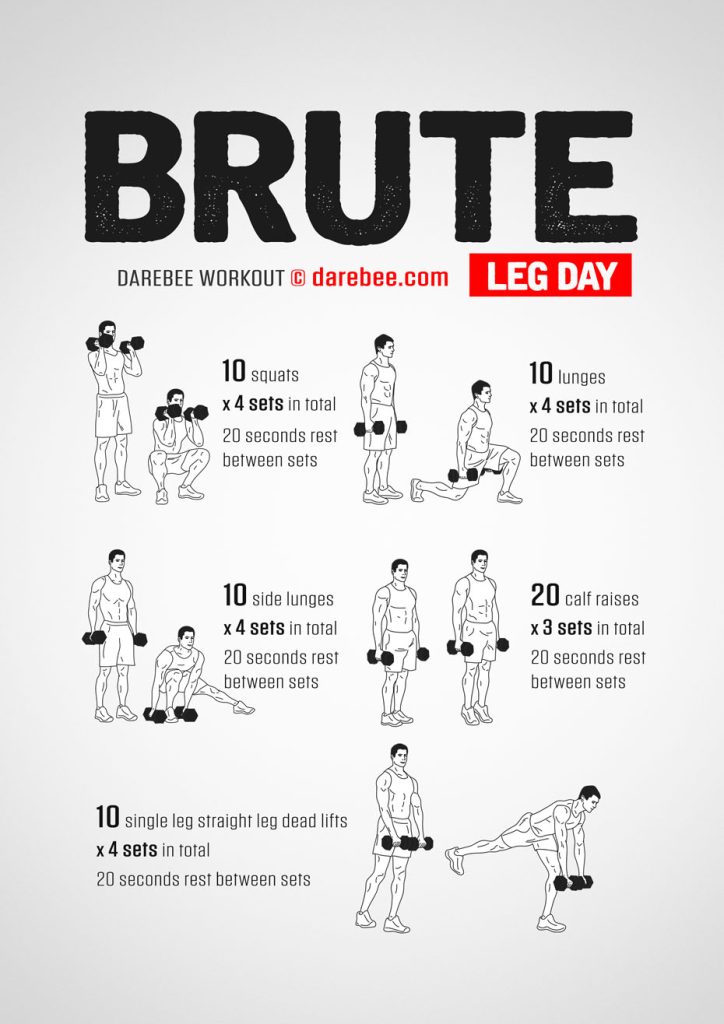
Squats with dumbbells offer an effective leg workout at home. They strengthen muscles and improve balance. This exercise targets the thighs, calves, and glutes, enhancing overall lower body fitness.
Squats with dumbbells are a fantastic way to strengthen your legs without leaving the house. They offer a unique challenge compared to regular squats, as the added weight demands more from your muscles. If you’re aiming to boost your leg strength and improve your balance, this workout is a powerful addition to your routine. Let’s dive into how you can master squats with dumbbells, ensuring you get the most out of every rep.Proper Form
Proper form is crucial to maximizing your workout and avoiding injury. Stand with your feet shoulder-width apart and hold a dumbbell in each hand. Keep your chest up and engage your core. Lower your body as if you’re sitting back into a chair, ensuring your knees don’t extend past your toes. As you rise, push through your heels. This engages your glutes and hamstrings effectively. Always keep your back straight and eyes forward. It might feel awkward initially, but maintaining this posture will pay off. Have you ever noticed how slight changes in your stance can affect your balance? Experiment with foot positions to see what feels most stable for you.Common Mistakes
One common mistake is allowing your knees to cave inward. This can strain your joints and lead to injury. Focus on keeping your knees aligned with your toes as you squat. Another frequent error is bending your back. It’s tempting to lean forward, especially as you tire. Resist this by consciously keeping your spine aligned and core tight. Do you find yourself rushing through reps? Slow and steady wins the race. Fast squats can compromise form and reduce effectiveness. Aim for controlled movements, ensuring each squat engages the right muscles. Taking the time to perfect your squats with dumbbells can transform your leg workouts. As you progress, you’ll feel stronger and more confident. How will you incorporate these tips into your next session?Lunges Variations
Lunges are a staple in leg workouts. They target multiple muscle groups. Lunges improve balance, flexibility, and strength. Adding dumbbells increases the challenge. Let’s explore different lunges variations.
Forward Lunges
Forward lunges are classic and effective. Stand straight with feet hip-width apart. Hold a dumbbell in each hand. Step forward with one leg. Lower your body until the knee is at a 90-degree angle. Keep the back straight. Push back to starting position. Switch legs and repeat. Forward lunges strengthen the thighs, hamstrings, and calves.
Reverse Lunges
Reverse lunges focus on stability. Start by standing tall. Hold dumbbells comfortably in each hand. Step back with one leg. Lower your body gently. The front knee should be at a 90-degree angle. Return to the original position. Change legs and continue. Reverse lunges engage the glutes and core.
Side Lunges
Side lunges add variety to your routine. Stand upright with feet together. Hold a dumbbell in each hand. Step sideways with one leg. Bend the knee of the stepping leg. Keep the other leg straight. Push back to standing position. Alternate sides for balance. Side lunges target the inner thighs and outer hips.
Deadlifts
Deadlifts enhance leg strength and stability using dumbbells at home. A simple workout, it targets core muscles effectively. Elevate your fitness routine with this exercise, focusing on form and controlled movements.
Deadlifts are a powerhouse exercise for building strength and muscle in your legs, all from the comfort of your home. Using dumbbells for deadlifts can be just as effective as using a barbell, especially when space or equipment is limited. Whether you’re a beginner or have been working out for years, deadlifts can enhance your lower body routine, targeting major muscle groups like your hamstrings, glutes, and lower back. Let’s dive into two popular variations you can do with dumbbells.Romanian Deadlifts
Romanian deadlifts are perfect for those looking to work on their hamstrings and glutes. Stand with your feet hip-width apart, holding a dumbbell in each hand in front of your thighs. Keep your knees slightly bent and hinge at your hips, lowering the dumbbells close to your legs. Remember to keep your back straight and your core tight. This movement should feel like a stretch in your hamstrings. Slowly return to standing by driving your hips forward, and repeat. Have you ever felt that satisfying burn in your hamstrings after a few reps? That’s a sign you’re doing it right!Stiff-leg Deadlifts
Stiff-leg deadlifts target your hamstrings more intensely and require a bit more flexibility. Start with your feet shoulder-width apart and hold a dumbbell in each hand. Unlike Romanian deadlifts, keep your legs nearly straight as you lower the weights. Focus on pushing your hips back and maintaining a flat back. This exercise demands more control, so start with lighter weights if you’re unsure about your form. As you lift back up, feel your muscles working hard to bring you to an upright position. Stiff-leg deadlifts can be challenging, but they’re incredibly rewarding. Do you feel the difference between these two variations? Each one has its unique benefits, and alternating between them can keep your workouts exciting and effective.Calf Raises
Calf raises offer an effective way to target leg muscles using dumbbells at home. Stand with feet shoulder-width apart, holding a dumbbell in each hand. Lift heels and balance on toes, then slowly lower. This simple exercise strengthens calves and improves stability.
Calf raises are a powerful way to target and strengthen your calf muscles right from the comfort of your home. They might seem simple, but don’t let their simplicity fool you. Calf raises can add incredible definition and strength to your lower legs, enhancing both your performance and appearance. Have you ever noticed how a well-defined calf muscle can transform the look of your legs? Let’s dive into some effective ways to perform calf raises using dumbbells.Standing Calf Raises
Standing calf raises are an effective exercise to build strength and stability in your calves. Grab a pair of dumbbells and stand tall with your feet hip-width apart. Hold the dumbbells by your sides with a firm grip. Raise your heels off the ground as high as possible, balancing on the balls of your feet. Pause at the top for a moment to feel the burn. Slowly lower your heels back down to the floor. Repeat this movement for 12-15 reps, aiming for a total of 3 sets. Consistency is key; try to incorporate this into your routine at least twice a week.Seated Calf Raises
Seated calf raises are a great way to isolate your calves and focus on muscle endurance. Sit on a sturdy chair or bench with your feet flat on the floor. Place a dumbbell on each knee for added resistance. Lift your heels as high as you can, keeping your toes on the ground. This position allows you to emphasize the contraction in your calf muscles. Lower your heels back down slowly, feeling the stretch in your calves. Aim for 3 sets of 15-20 reps. You might be surprised at how challenging this can be, even when seated! Incorporating calf raises into your routine can enhance your overall leg strength and improve your balance. Have you ever felt like your legs were lagging behind in your fitness journey? Adding these exercises can help bridge that gap. Remember, the effort you put in today will be visible tomorrow. Keep pushing your limits, and your calves will thank you!Leg Press Alternatives
Leg press machines are a staple in gyms, offering a powerful way to build leg strength. But what if you’re working out at home and don’t have access to one? No worries! There are plenty of effective dumbbell exercises that can serve as fantastic alternatives to the leg press. These exercises not only target the same muscle groups but also offer the convenience of being able to do them right in your living room or backyard.
1. Dumbbell Goblet Squats
The goblet squat is a versatile workout that targets your quads, hamstrings, and glutes. Hold a dumbbell close to your chest with both hands. Keep your elbows tucked in. As you squat down, ensure your back is straight and your feet are shoulder-width apart. It’s a simple yet effective movement that mimics the leg press.
2. Dumbbell Step-ups
Step-ups are excellent for building leg strength and improving balance. Find a sturdy platform or step. Hold a dumbbell in each hand. Step onto the platform with one foot and then bring the other up, before stepping back down. This movement mirrors the upward motion of a leg press and engages your entire lower body.
3. Dumbbell Lunges
Lunges can transform your leg day at home. Holding a dumbbell in each hand, step forward with one leg and lower your hips until both knees are bent at a 90-degree angle. Push back up to the starting position. Alternating legs works both sides evenly, enhancing muscle symmetry.
4. Dumbbell Deadlifts
Deadlifts are a powerhouse exercise for leg and back strength. With a dumbbell in each hand, bend at the hips and knees slightly, lowering the weights close to your legs. Keep your back straight and then stand back up. This exercise strengthens your hamstrings and glutes, similar to the leg press.
Have you ever felt stuck in your workout routine, longing for variety? These dumbbell exercises are not just substitutes but can actually enhance your leg workouts at home. By incorporating them, you create a dynamic routine that keeps your muscles guessing and growing. Which alternative will you try today?
Cool Down And Stretching
Including cool down and stretching in your at-home dumbbell leg workouts helps prevent muscle soreness and improves flexibility. Gentle stretches relax your muscles, while cool down exercises help your heart rate return to normal. This routine enhances recovery and prepares your body for future workouts.
Cooling down and stretching are essential parts of any workout, including at-home dumbbell leg workouts. After giving your all during the workout, your muscles need a transition period to relax and recover. Skipping this step can lead to soreness or even injury, which no one wants. So, taking a few minutes to cool down and stretch can make a big difference in how you feel the next day.Why Cool Down?
Cooling down helps to gradually lower your heart rate and breathing back to normal. It’s like gently pressing the brakes after speeding down the highway. This process helps prevent dizziness or feeling light-headed. It’s a small investment of time that pays off with better recovery and performance.Effective Cool Down Routine
Start with some light cardio like walking around your room or doing gentle marches in place for about 3-5 minutes. This helps your body transition smoothly from high-intensity movements to a resting state. As you walk, focus on taking deep breaths to help oxygenate your muscles.Importance Of Stretching
Stretching after a workout helps improve flexibility and reduce muscle tension. Ever tried picking something up the day after a workout and felt sore? Stretching can help minimize that discomfort. It’s your body’s way of saying thank you for the hard work.Simple Stretches For Your Legs
Stretching doesn’t have to be complicated. Try a basic hamstring stretch by sitting on the floor, legs extended, and reaching towards your toes. Hold it for 20-30 seconds, feeling the gentle pull without forcing it. Another great stretch is the quadriceps stretch: stand on one leg, grab your ankle, and pull it towards your glutes.Personal Touch: A Stretching Story
I used to skip stretching because I thought it was a waste of time. Then, after a particularly tough workout, I could barely walk the next day. That’s when I realized stretching was my best friend. It’s not just about avoiding soreness; it’s about caring for your body.Listen To Your Body
Pay attention to how your body feels during and after stretching. If a stretch feels uncomfortable, ease off a bit. Your body knows what it needs, and stretching should feel good, not painful. Are there particular stretches that feel amazing for you? Incorporate them regularly to personalize your routine.Make It A Habit
Consistency is key. Make cooling down and stretching a non-negotiable part of your workout. Even on busy days, a quick five minutes can make a difference. What’s stopping you from adding it to your routine today? Your future self will thank you for it.
Credit: greensafaris.com
Safety Tips
Exercise safely with dumbbells by ensuring a clear workout space. Start with lighter weights to avoid injury. Focus on maintaining proper form throughout each exercise.
Working out at home with dumbbells can be a convenient and effective way to strengthen your legs. But safety should always be your top priority. Have you ever found yourself rushing through a workout, only to realize later that you might have compromised your form? It’s crucial to make sure you’re doing exercises correctly to avoid injury and get the most benefit. Below are some practical safety tips to keep in mind as you power through your leg workouts at home.Warm Up Properly
Begin each session with a warm-up. Your muscles need to be prepared for the workout ahead. A quick 5 to 10 minutes of light cardio like jogging in place or jumping jacks can get your blood flowing. Don’t skip this step—it can prevent strains and sprains.Choose The Right Weight
Finding the right dumbbell weight is key. You should be able to complete your set with good form, but feel challenged by the last few reps. If you’re new to dumbbells, start light. Gradually add more weight as you grow stronger. Consider how your body feels—are you maintaining form or compromising it just to lift heavier?Maintain Good Form
Perfect form is everything. Keep your back straight and knees aligned over your toes during squats or lunges. This alignment protects your joints and maximizes the effectiveness of your workout. If you’re unsure about your form, try performing the exercises in front of a mirror.Listen To Your Body
Pay attention to how your body feels during each exercise. Pain is a signal that something’s not right. If you feel sharp pain, stop immediately. Soreness is normal, but pain can indicate a potential injury. Ask yourself if you’re pushing too hard. Rest is just as important as the workout itself.Stay Hydrated
Hydration keeps your muscles functioning correctly. Drink water before, during, and after your workout. You may not feel thirsty, but your muscles need water to recover and perform. A simple tip: if you notice a drop in energy, take a sip—it might be just what you need.Clear Your Space
Ensure your workout area is free from obstacles. Tripping over stray items can easily lead to an injury. Have you ever stepped on a toy mid-lunge? It’s not just annoying—it’s dangerous. Make sure your space is clear and safe before starting.Rest And Recover
Leg muscles need time to recover after a workout. Don’t push the same muscle groups every day. Consider a rest day or alternate with upper body workouts. Your body will thank you with improved strength and endurance. By applying these safety tips, you can enjoy a safer, more effective dumbbell leg workout at home. What’s your favorite safety tip that you swear by?Tracking Progress
Stay motivated by tracking progress in your at-home dumbbell leg workouts. Noticing improvements boosts confidence and encourages consistency. Keep a journal to monitor strength gains and endurance.
Tracking progress is a crucial aspect of any workout routine, especially when you’re working out at home with dumbbells. It keeps you motivated and helps you understand how far you’ve come and what more you can achieve. But how do you effectively track your progress to ensure you’re getting the most out of your leg workouts?Setting Clear Goals
Begin by setting clear, realistic goals. Whether you want to increase strength, build muscle, or improve endurance, define what success looks like for you. Write it down. This turns abstract ideas into tangible targets. Consider breaking these goals into smaller milestones. If your ultimate aim is to squat with a heavier dumbbell, start with a manageable weight. Increase gradually as you gain confidence.Using A Workout Journal
A workout journal is a simple tool that can make a big difference. Jot down the exercises you perform, the number of sets and reps, and the weight of the dumbbells. Over time, this log will serve as a snapshot of your progress. Reflecting on past entries can be eye-opening. You may notice patterns or identify areas that need more attention.Monitoring Physical Changes
Physical changes are a visible sign of progress. Keep an eye on your leg muscles and overall body composition. Take photos or measurements every few weeks to assess improvements. Don’t just focus on the mirror. Pay attention to how you feel. Are your legs stronger? Do you move with more ease? These are signs of progress too.Listening To Your Body
Your body often speaks louder than any journal or measurement. Notice how your muscles respond to different weights and reps. Are you experiencing less soreness after workouts? Are your legs feeling more stable and powerful? Listening to your body can guide adjustments in your routine. If you feel fatigued, it might be time for a rest or a lighter workout day.Celebrating Small Wins
Celebrating small wins keeps you motivated. Did you complete an extra set today? Did you increase your dumbbell weight by a few pounds? Recognize these achievements. Share your progress with friends or family. Their support can boost your morale and encourage you to push further.Asking Reflective Questions
Ask yourself questions that make you think deeply about your workouts. Are you truly challenging yourself? Are you adapting to the exercises or just going through the motions? These questions can help you refine your routine and keep it effective. They encourage you to stay engaged and not just settle for what’s comfortable. Tracking progress is not just about numbers or photos. It’s about understanding your body’s response and ensuring your workouts remain effective and rewarding. How will you track your progress today?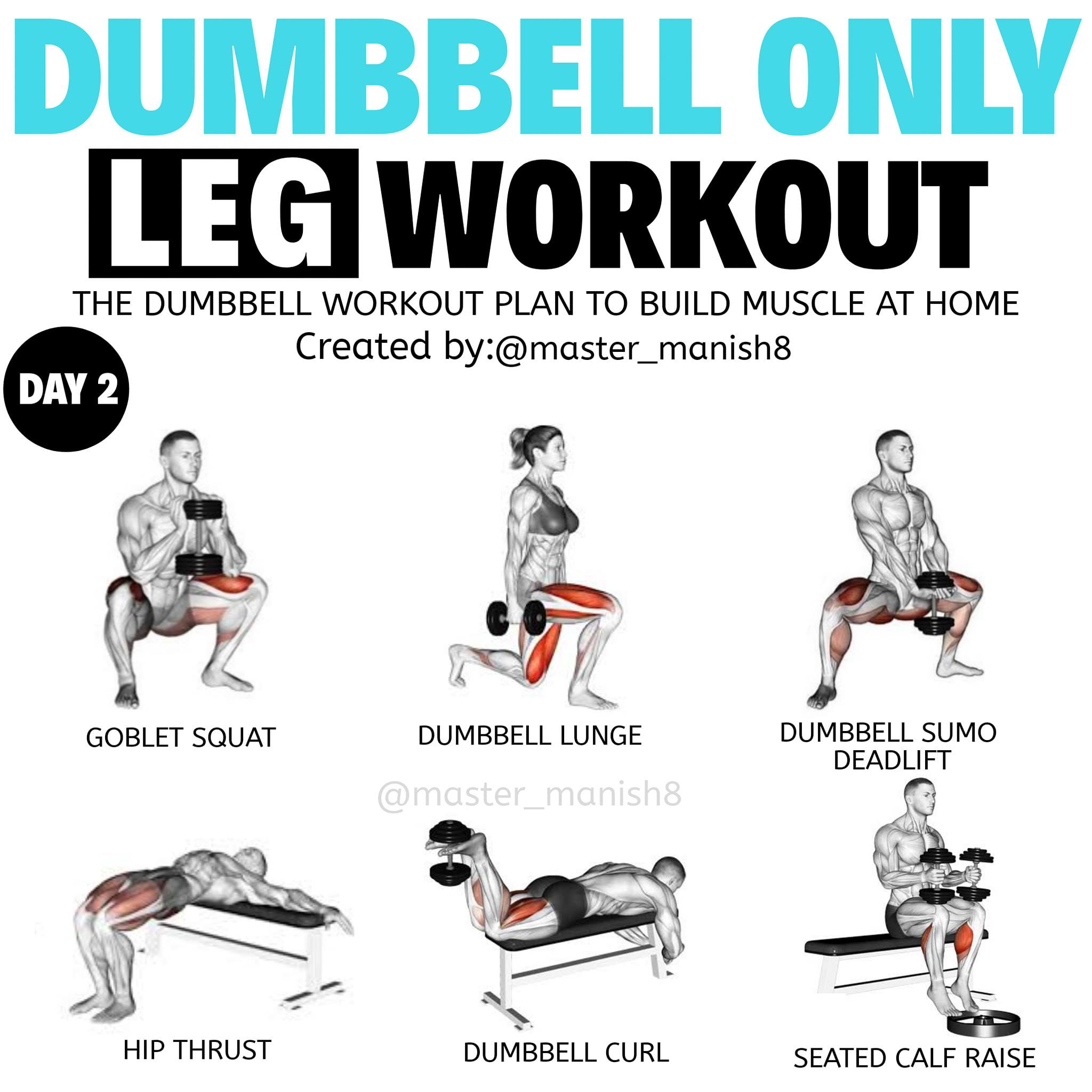
Credit: www.facebook.com
Frequently Asked Questions
Can You Build Leg Muscle With Dumbbells At Home?
Yes, you can build leg muscle with dumbbells at home. Exercises like lunges, squats, and deadlifts are effective. Use proper form and gradually increase weight for best results. Consistency and progressive overload are key to muscle growth. Ensure a balanced routine for comprehensive development.
Are Dumbbell Leg Workouts Effective?
Dumbbell leg workouts are effective for building strength, improving balance, and enhancing muscle growth. They target various leg muscles, including quads, hamstrings, and calves. Using dumbbells adds resistance, making exercises more challenging and beneficial. Incorporating them into your routine can lead to noticeable improvements in lower body strength and endurance.
Is A 20 Minute Leg Workout Enough?
A 20-minute leg workout can be effective if done with intensity and proper exercises. Focus on compound movements like squats and lunges. Consistency and progressive overload are key for results. This short workout fits busy schedules and enhances leg strength and endurance.
Always ensure proper form to prevent injury.
What Is The 4 2 1 Dumbell Method?
The 4 2 1 dumbbell method involves lifting for 4 seconds, pausing for 2 seconds, and lowering for 1 second. This technique increases muscle tension and improves control, promoting muscle growth and strength. It’s effective for building muscle with controlled movements.
Conclusion
Dumbbell leg workouts at home are effective and convenient. You save time and money. These exercises improve strength and balance. Plus, they fit easily into any routine. Consistency brings the best results. Start with lighter weights, then gradually increase. Listen to your body.
Rest is important for muscle recovery. Keep your goals realistic and achievable. Enjoy the progress you make. Feeling stronger boosts confidence. Stay dedicated and patient. Your legs will thank you! Embrace this fitness journey and celebrate each milestone. Remember, every small step counts.
Keep moving forward.








