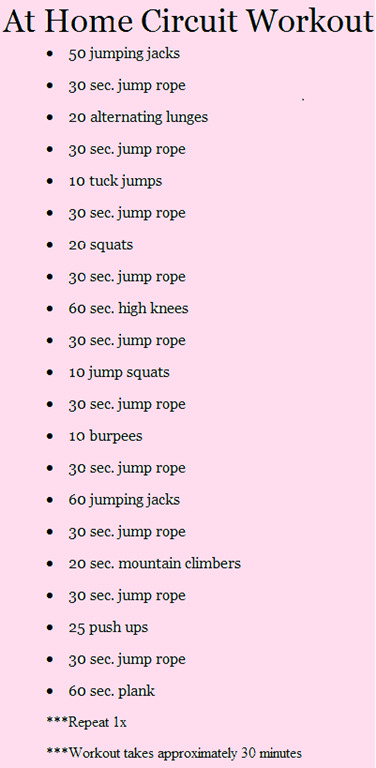
Do you often find yourself too busy to hit the gym but still eager to stay fit? Imagine getting a full-body workout without stepping outside your home.
Sounds perfect, right? With an at-home circuit workout, you can achieve just that. This dynamic and efficient exercise routine is designed to give you maximum results in minimal time, all within the comfort of your own living room. Whether you’re a fitness novice or a seasoned pro, this workout can be tailored to suit your needs and goals.
Curious about how you can make this work for you? Keep reading to discover the ultimate guide to crafting your very own at-home circuit workout that will transform the way you exercise.
Benefits Of Circuit Workouts
Circuit workouts are popular for their dynamic and flexible nature. They offer a mix of aerobic and strength training exercises. This combination provides multiple benefits for your body and mind. Let’s explore these benefits in detail.
Improved Cardiovascular Health
Circuit workouts pump your heart in a healthy rhythm. They increase your heart rate, enhancing blood circulation. This boosts oxygen delivery to muscles. Regular circuit training strengthens your heart. It reduces the risk of heart diseases. You feel more energetic and active.
Enhanced Muscular Endurance
Circuit workouts build your muscles over time. Repeated exercises improve muscular endurance. This helps muscles perform longer without fatigue. You gain strength and stamina. Everyday tasks become easier. Your muscles adapt to different challenges, promoting overall fitness.
Efficient Calorie Burning
Circuit workouts burn calories effectively. They combine cardio and strength exercises. This raises your metabolic rate. You continue to burn calories even after the workout. It aids in weight management. You achieve your fitness goals faster. A leaner body awaits you.

Credit: lifeinleggings.com
Essential Equipment
Embarking on a circuit workout at home can be both exciting and convenient. But before you dive in, you’ll need to gather some essential equipment to maximize your workout routine. Whether you’re a beginner or an advanced fitness enthusiast, having the right tools will help you stay motivated and achieve your goals. Let’s break down the equipment you’ll need into three categories: bodyweight exercises, basic home equipment, and optional advanced tools.
Bodyweight Exercises
Bodyweight exercises are the foundation of any home workout routine. You don’t need any equipment to get started, just your determination and a little space. Think push-ups, squats, lunges, and planks. These exercises use your own weight to build strength and endurance. They’re perfect for days when you want to keep it simple but effective. I remember starting my fitness journey with just bodyweight exercises, and the results were surprisingly rewarding. Have you tried mastering a perfect push-up yet?
Basic Home Equipment
Once you’re comfortable with bodyweight exercises, it’s time to add some basic home equipment. A set of dumbbells can enhance your workouts and offer more variety. Resistance bands are another excellent choice; they’re versatile and great for targeting different muscle groups. A yoga mat can provide comfort during floor exercises. These tools are affordable and easy to store, making them ideal for home workouts. What’s your favorite piece of equipment to start with?
Optional Advanced Tools
If you’re ready to challenge yourself further, consider investing in optional advanced tools. A kettlebell can add intensity to your routine, offering dynamic movements that engage multiple muscles. A pull-up bar can help you build upper body strength and improve your grip. Adjustable dumbbells are perfect for increasing weights without needing multiple sets. These tools can elevate your workout and keep you engaged. Imagine the possibilities with just a little extra investment!
Whether you’re just starting or looking to enhance your routine, having the right equipment can make all the difference. Are you ready to step up your home workout game?
Setting Up Your Space
Creating the perfect environment for your at-home circuit workout is crucial for maximizing effectiveness and enjoyment. Imagine stepping into your own mini gym, where everything is tailored to your needs. With a little planning, you can transform a corner of your home into a dynamic workout space. The key is setting up your space properly, ensuring everything flows seamlessly from one exercise to the next.
Choosing The Right Area
Finding the ideal spot for your workout is the first step. Look for a space with enough room to move freely. You don’t want to knock over a vase while doing jumping jacks! Consider areas like the living room or basement that offer ample floor space. If you have a garden, outdoor workouts can be refreshing.
Think about lighting and ventilation. Natural light can boost your mood and energy. An open window or fan helps keep the air fresh and cool.
Safety Considerations
Your safety should be a priority. Check the floor for stability and cleanliness. Slippery surfaces or clutter can lead to injuries. Lay down a non-slip mat or carpet for grip during exercises.
Ensure there’s enough clearance around you. Bumping into furniture can be distracting. Secure loose wires and cables to prevent tripping. It’s all about creating a hazard-free zone.
Organizing Your Equipment
Now, let’s talk about equipment. Having everything at hand saves time and keeps your workout flowing. Use a small storage bin or shelf to keep weights, resistance bands, and mats organized.
Place your equipment within easy reach. It cuts down on interruptions. A designated spot for each item makes it easy to find what you need quickly.
Think about adding a mirror. Watching your form can improve technique and prevent injuries. Plus, it adds a professional touch to your space.
As you set up your workout area, ask yourself: Is this space inspiring? Does it make you want to move? Your environment can influence your motivation and performance. Make it a place where you feel excited to break a sweat!
Warm-up Routine
Starting your at-home circuit workout with a proper warm-up routine is crucial. It prepares your body and mind for the exercises ahead, reducing the risk of injury and enhancing performance. Let’s dive into the essential components of an effective warm-up routine.
Dynamic Stretches
Dynamic stretches are all about movement. They gently increase your heart rate and blood flow to your muscles. Try arm circles, leg swings, and walking lunges. These exercises mimic the actions you’ll perform in your workout, making them highly effective. Ever notice how athletes warm up before games? Dynamic stretches are their secret weapon.
Joint Mobility Exercises
Joint mobility is often overlooked but essential for a smooth workout. Focus on your major joints like shoulders, hips, and knees. Perform exercises like hip circles or shoulder rolls. These movements help lubricate your joints, making them more flexible and responsive. Have you ever felt stiff during exercise? Joint mobility exercises can alleviate that feeling.
Preparing Your Mindset
Mindset is as crucial as physical readiness. Approach your workout with positivity and determination. Visualize your goals and how you’ll achieve them. A focused mind can dramatically improve your workout results. Ever started a workout feeling distracted? Preparing your mindset can keep you grounded and motivated.
How do you prepare for a workout? Do you have a favorite warm-up exercise or mental trick? Share your thoughts and let’s get ready to sweat!
Core Circuit Exercises
Working out at home is convenient and effective. Core Circuit Exercises strengthen the center of your body. These exercises improve balance and posture. They also enhance overall fitness.
Upper Body Moves
Push-ups target the chest and shoulders. They also engage the core. Try planking for stability and strength. You can do it on your elbows or hands. It strengthens the back and abdominal muscles.
Lower Body Drills
Squats are great for the legs and glutes. They also activate the core. Lunges improve leg strength and balance. This move challenges your core muscles.
Core Strengthening Techniques
Crunches focus directly on the abdomen. They are simple but effective. Bridges work the lower back and glutes. They also engage the core. Bicycle kicks enhance abdominal strength and endurance. They mimic a cycling motion.
Creating A Circuit Plan
Crafting a circuit workout plan at home boosts fitness and flexibility. Mix exercises like squats, push-ups, and jumping jacks. Keep sessions short for quick, effective results.
Creating a circuit plan for your at-home workout can seem daunting at first, but with the right approach, it can be both effective and enjoyable. Whether you’re a fitness newbie or a seasoned gym-goer, structuring your workout in a circuit format is a fantastic way to maximize efficiency and keep things interesting. Imagine having a dynamic, personalized workout that only requires a small space and a few pieces of equipment. Let’s dive into how you can create a circuit plan that suits your fitness level and goals.Selecting Exercises
When choosing exercises for your circuit, variety is key. This keeps your routine engaging and targets different muscle groups. Consider a mix of cardio (like jumping jacks or high knees), strength training (such as push-ups or squats), and flexibility (like lunges or yoga poses). Think about what equipment you have available. Bodyweight exercises are excellent if you’re just starting out or have limited resources. If you’re unsure where to begin, jot down exercises you enjoy or have been wanting to try. Mixing familiar moves with new challenges can spark motivation.Timing And Repetitions
How long should each circuit last? This depends on your fitness level and time constraints. A simple rule is 30 seconds to 1 minute per exercise, with a rest period between rounds. For beginners, 5-6 exercises per circuit is a good start. You can aim for 2-3 rounds with a minute of rest between rounds. More experienced exercisers might tackle 8-10 exercises per circuit, with minimal rest to maintain intensity. Repetition is another consideration. Instead of time, you might opt for a set number of reps, like 10-15 per exercise. This can help you focus on form and endurance.Progression Strategies
Your circuit plan should evolve as you grow stronger. Progression keeps your workouts challenging and prevents plateaus. Consider increasing the intensity by adding more reps or extending the duration of each exercise. You might also reduce rest time between rounds. If you’re up for it, try incorporating weights or resistance bands. This can significantly enhance strength gains. Always listen to your body. Progression doesn’t mean overexertion. Are you feeling fatigued or experiencing discomfort? It might be time to reassess and adjust your plan accordingly. Creating a circuit plan at home is all about personalizing your fitness journey. What are your favorite exercises, and how can you mix them up to stay motivated? Remember, the best workout is the one you enjoy and stick with.Cool Down And Recovery
Home circuit workouts benefit from proper cool down and recovery. Stretching and breathing exercises help relax muscles. These activities reduce soreness and aid faster recovery, enhancing the workout experience.
Completing a high-energy at-home circuit workout can leave you feeling invigorated and accomplished. But what happens after that final rep is just as important. The cool down and recovery phase is where your body transitions from workout mode to rest mode, helping you to prevent injuries and maximize gains. It’s the perfect time to reflect on your workout and give your body the care it deserves.Stretching Techniques
Stretching is a vital part of the cool down process. It helps to release tension and improve flexibility. Focus on major muscle groups like your legs, arms, and back. Try dynamic stretches such as leg swings and arm circles if you want to keep moving. Alternatively, incorporate static stretches like a seated forward bend or a standing quad stretch. Hold each stretch for at least 15-30 seconds. Think about how your muscles feel. Are they tight or relaxed? This awareness can guide your stretching routine and help you pinpoint areas that need more attention.Hydration And Nutrition
Post-workout hydration is crucial. Your body loses fluids through sweat, and replenishing them helps in muscle recovery. Consider drinking water or a sports drink, especially if your workout was intense. But don’t forget about nutrition. A balanced meal with carbs and protein can refuel your energy and aid in muscle repair. Are you giving your body the right nutrients? Sometimes a small snack like a banana or yogurt can make a big difference in how you feel post-workout.Tracking Progress
Tracking your recovery is as important as tracking your workouts. Keep a journal or use an app to note how your body feels after each session. Monitor things like muscle soreness, energy levels, and mood. This data can help you adjust your workouts and recovery techniques effectively. Do you notice any patterns? Maybe certain exercises leave you more fatigued, or perhaps a good stretch routine boosts your energy. Observing these trends can help you tailor your fitness journey for better results. By focusing on these cool down and recovery techniques, you’re setting yourself up for success in your fitness journey. Remember, recovery isn’t just a phase; it’s a continuous process that can enhance your overall well-being. How will you improve your post-workout routine today?
Credit: www.pinterest.com
Motivation And Consistency
Staying motivated and consistent is key for effective at-home circuit workouts. Set clear goals and maintain a regular schedule. Celebrate small achievements to fuel ongoing progress and keep your routine enjoyable.
Staying motivated and consistent is the key to success in any workout routine, especially when you’re doing at-home circuit workouts. It’s easy to get started with a burst of energy, but maintaining that drive requires a bit more effort and strategy. Whether you’re a seasoned fitness enthusiast or just starting out, finding ways to keep your motivation high and your workouts consistent can make all the difference.Setting Realistic Goals
Setting goals is crucial, but they must be realistic. Start by identifying what you want to achieve with your circuit workouts. Do you want to increase your strength, lose weight, or improve your stamina? Break your main goal into smaller, achievable milestones. For example, aim to complete a set number of workouts each week. Tracking these smaller wins can boost your confidence and keep you on track. Reflect on your goals regularly and adjust them as needed. This flexibility prevents frustration and helps you stay motivated.Overcoming Plateaus
Plateaus can be frustrating, but they’re a normal part of any fitness journey. When progress stalls, it’s time to shake things up. Change your routine by adding new exercises or increasing the intensity. This can reignite your interest and challenge your body in new ways. Consider tracking your progress in a journal or app. Noticing small improvements can remind you that your efforts are paying off, even when it feels like you’re stuck.Staying Engaged And Inspired
Keeping your workouts exciting is essential for long-term commitment. Explore different circuit workouts and find what you enjoy most. Invite a friend to join your sessions or share your progress online. Accountability partners can make the experience more enjoyable and keep you motivated. Ask yourself, what new challenge can you add to your routine today? A fresh perspective or a new goal can reignite your passion and make your workouts something you look forward to.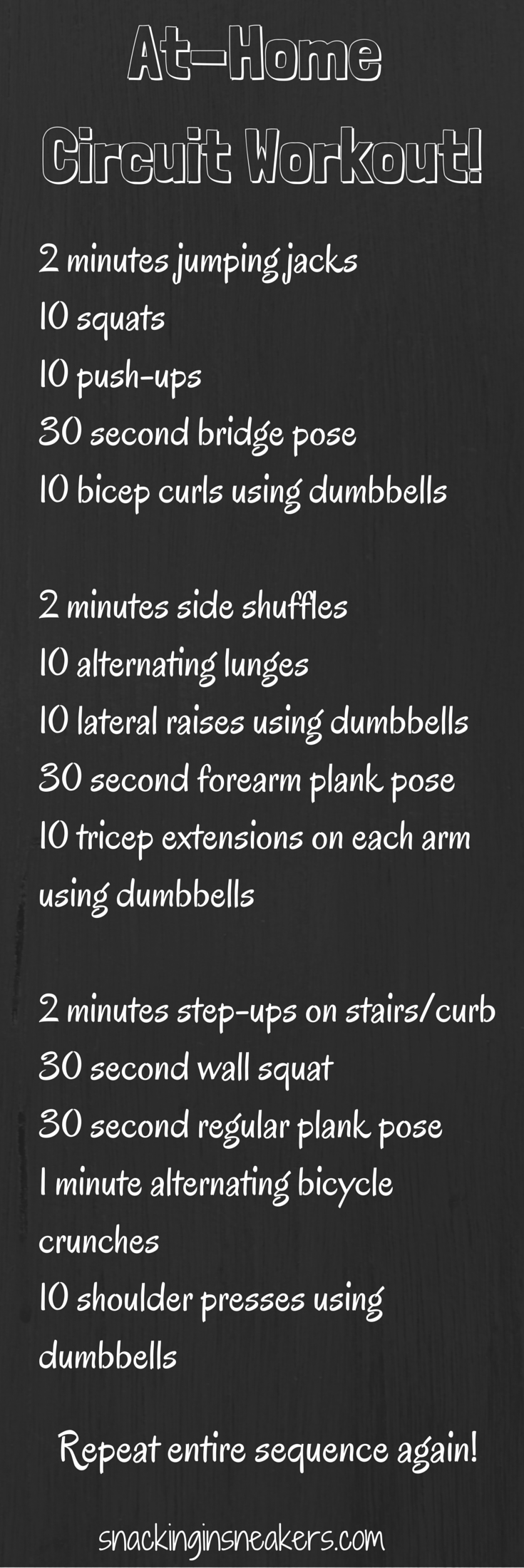
Credit: www.snackinginsneakers.com
Frequently Asked Questions
Can You Do Circuit Training At Home?
Yes, you can easily do circuit training at home. Use bodyweight exercises or minimal equipment. Create a workout plan that includes varied exercises targeting different muscle groups. Keep your sessions efficient and effective. Regularly switch exercises to maintain motivation and challenge.
Enjoy the convenience and flexibility of home workouts.
Is 30 Minutes Of Circuit Training Enough?
30 minutes of circuit training can be effective for improving fitness and burning calories. Consistency is key to achieving results. Tailor intensity to your fitness level and goals. Circuit training boosts cardiovascular health and muscle endurance. It suits busy schedules, offering a comprehensive workout in a short time.
What Is The 4/30/10 Method Workout?
The 4/30/10 method involves 4 workouts per week, each lasting 30 minutes, with 10 minutes of high-intensity intervals. It boosts cardiovascular fitness and promotes fat loss efficiently. This method suits busy schedules and can be tailored to individual fitness levels.
What Is The 4-2-1 Workout Method?
The 4-2-1 workout method involves 4 seconds lowering, 2 seconds pause, and 1 second lifting. It enhances muscle growth and strength by focusing on controlled movements. This technique requires attention to form and tempo, maximizing workout effectiveness and reducing injury risk.
Conclusion
An at-home circuit workout offers simplicity and convenience. No fancy equipment needed. Just your body and determination. You save time by skipping the gym. Stay fit while enjoying comfort at home. Consistent routines build strength and endurance. Adjust workouts to suit your level.
Feel empowered by your progress. Celebrate small victories. Invite friends or family to join. Create a supportive environment. Remember, consistency is key. Keep pushing yourself, bit by bit. Enjoy each session and see improvements over time. Stay motivated, stay active, and embrace your fitness journey.
Your health, your way, at home.








