Imagine feeling more confident with every step you take, your calves toned and strong. You don’t need a fancy gym membership or expensive equipment to achieve this.
At-home calf workouts are your ticket to sculpted, powerful legs without ever leaving the comfort of your living room. Whether you’re aiming to boost your athletic performance or simply want to flaunt shapely calves in your favorite shorts, you’ve come to the right place.
This guide will show you how to target those lower leg muscles effectively, using simple exercises that fit seamlessly into your daily routine. Curious about how to get started and see real results? Keep reading to discover the secrets to transforming your calves with workouts you can do anytime, anywhere. Your journey to stronger, more defined legs starts now.

Credit: spotebi.com
Benefits Of Calf Workouts
Calf workouts offer many benefits for fitness enthusiasts. They are essential for building strong lower legs. Strong calves improve balance and stability. This makes everyday activities easier. Calf exercises also enhance athletic performance. They can even help prevent injuries.
For those working out at home, calf exercises are convenient. You need little to no equipment. Just a few minutes a day can make a difference.
1. Improved Balance And Stability
Strong calves aid in maintaining balance. They stabilize your body during movement. This is useful for activities like walking or running. Better stability can reduce the risk of falls.
2. Enhanced Athletic Performance
Athletes often rely on their calves. These muscles help with jumping and sprinting. Strong calves provide the power needed for quick movements. This can boost your performance in sports.
3. Injury Prevention
Calf exercises strengthen tendons and ligaments. These are crucial for supporting joints. Strong calves can prevent strains and sprains. They also reduce the risk of ankle injuries.
4. Increased Calorie Burn
Calf workouts burn calories. They engage large muscle groups. This helps with weight management. Consistent workouts can lead to fat loss over time.
5. Aesthetic Benefits
Toned calves enhance leg appearance. They add definition and shape. Many find well-developed calves attractive. This boost in appearance can increase confidence.

Credit: www.instagram.com
Anatomy Of The Calf Muscles
Understanding the anatomy of the calf muscles is crucial for effective workouts at home. The calves are composed of two main muscles: the gastrocnemius and the soleus. These muscles play a significant role in your daily activities and exercise routines, helping you walk, run, and jump with ease.
Anatomy Of The Gastrocnemius
The gastrocnemius is the larger muscle that forms the bulk of your calf. It has two heads that originate from the femur and merge to form a single muscle belly. This muscle is responsible for the powerful movements like jumping and sprinting.
You can feel its action when you stand on your toes. It’s the muscle that provides the shape and definition to your calf. Think about when you have to climb stairs or walk uphill—the gastrocnemius is hard at work.
Anatomy Of The Soleus
Located beneath the gastrocnemius, the soleus is a flatter and wider muscle. It attaches to the tibia and fibula bones in your leg. This muscle is crucial for endurance activities and maintaining posture.
If you’ve ever stood still for long periods and felt your calves burning, that’s the soleus in action. It’s working to keep you upright and balanced, especially when your knees are bent.
How These Muscles Work Together
The gastrocnemius and soleus work in harmony to perform complex movements. Whether you’re running or simply walking, they function together to propel you forward. They also help in shock absorption, reducing the impact on your joints.
Consider this next time you’re jogging or hiking. Both muscles are engaging to keep you moving efficiently and safely. This coordination is key to developing strength and flexibility in your calves.
Why Understanding Calf Anatomy Matters
Knowing how your calf muscles operate can enhance your workout strategy. It allows you to focus on exercises that target specific muscle groups. By understanding this anatomy, you can tailor your routine for better results.
Reflect on your current workout plan. Are you giving equal attention to both muscles? A balanced approach ensures you’re building strength evenly, avoiding overuse and injury.
Take a moment to think about how calf anatomy influences your daily activities. What exercises can you add to improve your calves and overall leg strength?
Essential Equipment For Home Workouts
Working out at home is convenient and flexible. You can tailor routines to fit your schedule. Calf workouts are no exception. With the right equipment, you can achieve impressive results. Investing in essential tools makes your calf exercises more effective. Let’s explore what you need to get started.
1. Dumbbells
Dumbbells add resistance to calf exercises. They help build muscle strength. Choose a weight that challenges you. Adjustable dumbbells are versatile. They save space and offer varied options.
2. Resistance Bands
Resistance bands are portable and affordable. They enhance calf workouts through varied resistance levels. Use them for standing calf raises. They are perfect for beginners and advanced users.
3. Yoga Mat
A yoga mat provides comfort during floor exercises. It prevents slipping and cushions your joints. Choose a mat with good grip. It’s essential for exercises like seated calf raises.
4. Foam Roller
Foam rollers aid in muscle recovery. They improve blood circulation. Use them for post-workout stretches. They help reduce soreness and maintain flexibility.
5. Step Platform
Step platforms are great for calf raises. They increase the range of motion. Choose a sturdy platform for safety. They help you target different muscle groups.
6. Stability Ball
Stability balls enhance balance and coordination. They add an extra challenge to calf exercises. Use them for seated calf raises. They improve core strength and stability.
Equipping your home gym with these tools ensures effective calf workouts. Each piece plays a crucial role in your fitness routine. Start with a few items and expand as you progress.
Bodyweight Calf Exercises
Bodyweight calf exercises offer a convenient way to strengthen calves. Without equipment, you can sculpt and tone your lower legs. These exercises enhance muscle endurance and improve balance. Perfect for home workouts, they fit easily into your routine. Let’s explore three effective bodyweight calf exercises.
Standing Calf Raises
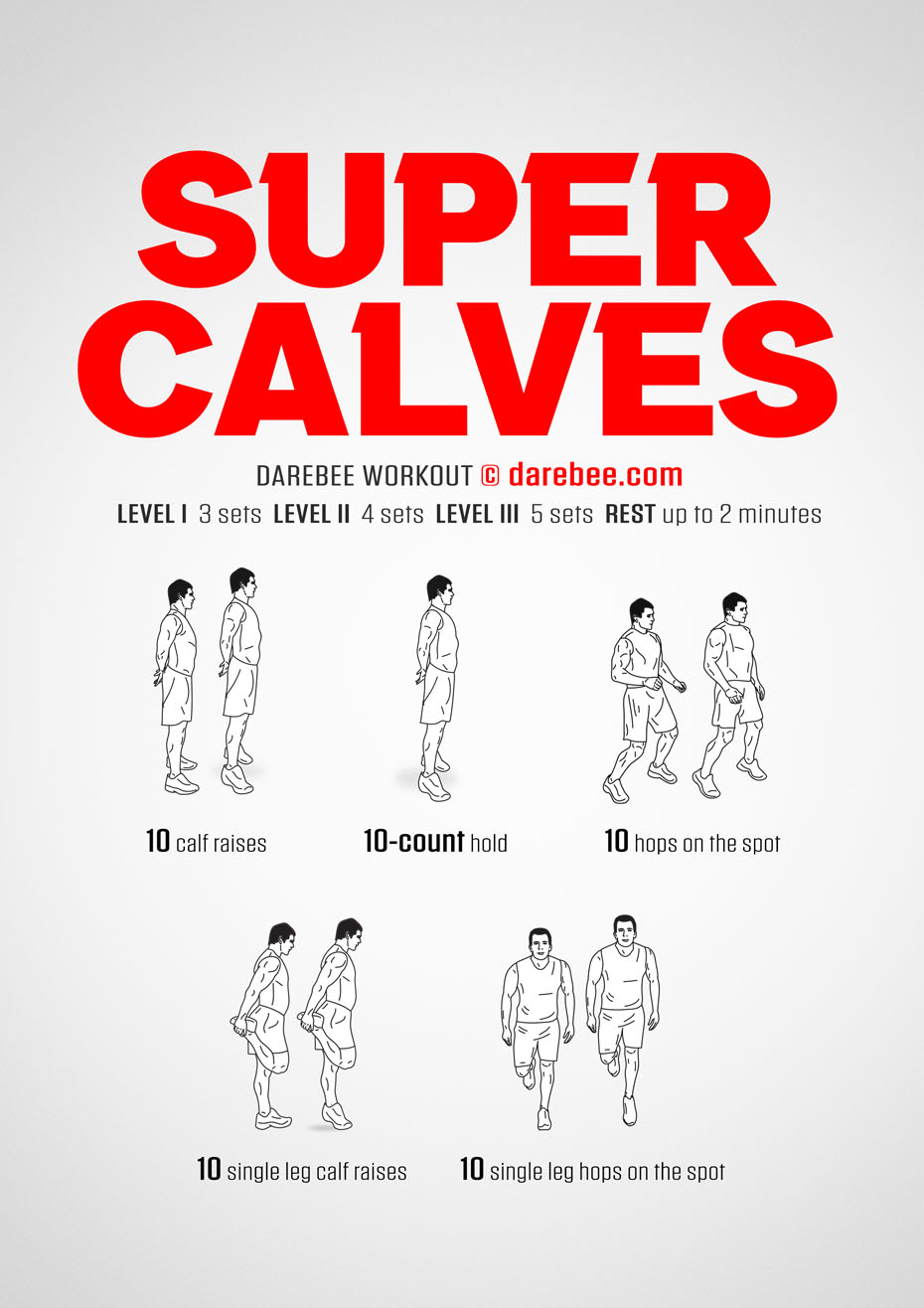
Standing calf raises are simple yet effective. Stand upright with your feet hip-width apart. Rise onto your toes slowly, then lower back down. This movement targets the calf muscles directly. Do it in sets to increase strength.
Seated Calf Raises
Seated calf raises focus on different muscle areas. Sit on a chair with your feet flat on the floor. Lift your heels while keeping your toes grounded. This variation helps build muscle endurance. Repeat several times for best results.
Single-leg Calf Raises
Single-leg calf raises add a balance challenge. Stand on one leg, raise onto your toes, then lower. This exercise targets each calf individually. It improves balance and muscle symmetry. Start with a few reps and increase gradually.
Resistance Band Exercises
Resistance bands transform calf workouts at home. They add challenge without heavy weights. Portable and affordable, they suit any fitness level. Their versatility offers various exercises for stronger calves.
Band-resisted Calf Raises
Stand tall with feet hip-width apart. Place a resistance band under your feet. Hold the band handles in each hand. Slowly lift your heels, rising onto your toes. Squeeze your calves at the top. Lower your heels back down slowly. Repeat for several reps.
This exercise builds calf strength effectively. It targets the gastrocnemius muscle. Ideal for improving balance and stability. Perfect for home workouts due to minimal space needed.
Lateral Band Walks
Put a resistance band around your ankles. Stand with feet shoulder-width apart. Bend your knees slightly. Step sideways with one foot, followed by the other. Keep tension in the band throughout. Walk 10 steps in one direction, then reverse.
Lateral band walks engage calf muscles differently. They also target hip and thigh muscles. Great for enhancing lateral movement. Useful for athletes needing agility and quick movements.
Credit: darebee.com
Dumbbell Calf Workouts
Dumbbell calf workouts offer a simple way to build strength at home. These exercises target calf muscles effectively, enhancing leg power and stability. With minimal equipment, anyone can boost their fitness routine without leaving their living room.
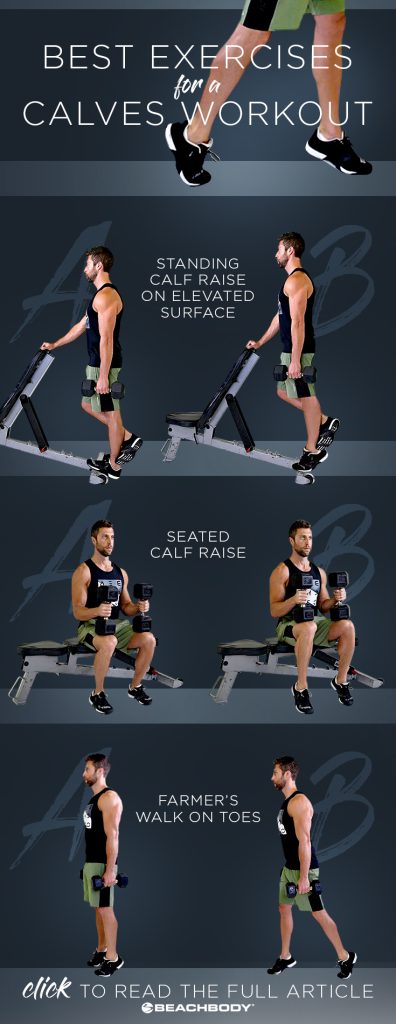
Working out at home has its perks, and with the right exercises, you can achieve those toned calves without stepping into a gym. Dumbbell calf workouts are simple yet effective, and they add resistance to your routine, helping you build strength and definition. Whether you have a pair of dumbbells or a single one, these workouts are versatile and can be easily adjusted to your fitness level. So grab those weights and get ready to feel the burn!Weighted Calf Raises
Weighted calf raises are a straightforward exercise that targets your calf muscles directly. Stand with your feet shoulder-width apart, holding a dumbbell in each hand. Raise your heels off the ground, balancing on your toes, and hold this position for a moment before slowly lowering your heels back down. Do you feel your calves working? If not, try standing on an elevated surface like a step to increase the range of motion. This small change can intensify the workout, making it more challenging. Aim for 3 sets of 12-15 reps for the best results.Dumbbell Farmer’s Walk
The dumbbell farmer’s walk might seem simple, but it engages your calves in a unique way. Hold a dumbbell in each hand, keep your posture straight, and walk forward in a straight line. As you walk, focus on pushing off with your toes to engage your calves. Try walking for 30 seconds to a minute, then rest and repeat for 3-4 rounds. This exercise not only strengthens your calves but also improves your grip and overall stability. Next time you walk around your house, think about how your calves are working to support you. By incorporating these dumbbell calf workouts into your routine, you’re not just strengthening your calves; you’re building endurance and balance. So, what are you waiting for? Get those dumbbells and start making strides toward stronger calves today!Plyometric Calf Exercises
Plyometric exercises can boost your calf strength and agility. They involve explosive movements, enhancing muscle power. These exercises target fast-twitch muscle fibers. This helps in improving speed and strength.
Incorporating plyometrics into your routine can also enhance overall leg endurance. It’s a great way to break the monotony of regular workouts. Let’s explore some effective plyometric calf exercises.
Box Jumps
Box jumps are a powerful exercise for calf muscles. They require a sturdy box or platform. Start by standing in front of the box. Keep your feet shoulder-width apart. Bend your knees slightly and jump onto the box. Land softly, using your calves to absorb impact. Step down carefully and repeat for several sets.
Box jumps improve explosive strength. They also boost cardiovascular health. Make sure to use proper form to prevent injuries. Gradually increase the box height as you progress.
Jump Rope Routine
Jumping rope is excellent for calf conditioning. It’s a simple yet effective exercise. Start with a basic jump. Keep your feet close together. Use your wrists to swing the rope. Jump using the balls of your feet. This minimizes strain on the calves.
A consistent jump rope routine enhances coordination. It also improves calf endurance. You can vary the routine with different jump styles. Double jumps or side swings add variety and challenge.
Jumping rope is also a great cardio workout. It helps burn calories while strengthening calves. Ensure you maintain a steady rhythm for maximum benefit.
Incorporating Calf Workouts Into Routine
Incorporating calf workouts into your routine can significantly improve leg strength. Calf muscles play a crucial role in stability and movement. Regular training can enhance your athletic performance and overall balance. At-home calf workouts offer flexibility and convenience. You can integrate these exercises into your daily schedule with minimal equipment.
How To Start Calf Workouts At Home
Begin with simple exercises like calf raises. They require no equipment and can be done anywhere. Stand on your toes, hold for a few seconds, then lower back down. Repeat this movement for a set of 15 to 20 repetitions.
Scheduling Your Calf Workouts
Plan your workouts at a time that suits your routine. Morning workouts can energize your day. Evening sessions help relieve stress. Aim for at least three times a week. Consistency is key for muscle growth and strength.
Combining Calf Exercises With Other Workouts
Incorporate calf workouts into your leg day. This ensures balanced leg strength. Pair calf raises with squats or lunges. This combination targets multiple muscle groups. It maximizes your workout’s effectiveness.
Tracking Your Progress
Keep a journal of your workouts. Note the number of repetitions and sets. Track improvements over time. This helps maintain motivation and focus. Adjust your routine as you get stronger. Increase reps or try advanced exercises.
Tips For Maximizing Results
Strengthen your calves at home with simple exercises. Use bodyweight movements like calf raises and step-ups. Consistency is key. Aim for 3-4 sessions weekly. Pair workouts with stretching to boost flexibility. Adjust intensity by adding weights or increasing reps to see better results over time.
Maximizing your calf workout results at home can be a game-changer in your fitness routine. While it’s easy to underestimate the importance of calf exercises, they play a crucial role in supporting your entire body. A few strategic changes can ensure that your calf muscles develop strength and definition efficiently. Let’s dive into some practical tips that will help you get the most out of your at-home calf workouts.Warm Up Properly
Start with a warm-up to get your blood flowing. Simple movements like marching in place or ankle circles can prepare your calves for the workout. A proper warm-up can prevent injuries and improve your performance.Focus On Form
Good form is key for effective workouts. Keep your back straight and engage your core. Make sure your movements are controlled—rushing through exercises can lead to poor results.Use Your Body Weight
Body weight exercises like calf raises are excellent. Stand on the balls of your feet and lift your heels, holding the position for a few seconds. This exercise can be done anywhere and strengthens your calves efficiently.Incorporate Variations
Add variety to your routine by trying different exercises. You can perform seated calf raises or single-leg calf raises. These variations target different muscle fibers and enhance muscle growth.Increase Repetitions Gradually
Start with a comfortable number of reps and increase over time. This gradual increase challenges your muscles and promotes endurance. Monitor your progress and adjust your reps accordingly.Stretch After Your Workout
Don’t skip stretching post-workout. Stretching helps to relax your muscles and improve flexibility. Hold each stretch for at least 20 seconds to gain maximum benefit.Stay Consistent
Consistency is crucial for seeing results. Set a schedule and stick to it, even if it’s just a few minutes each day. Over time, this consistency will yield noticeable improvements. Reflect on your current routine: are you truly challenging your calves? By applying these tips, you’ll likely find yourself achieving better results. Adjusting small habits can lead to big changes in your fitness journey.Common Mistakes To Avoid
Working out calves at home can be effective and convenient. Yet, many people make common mistakes that hinder their progress. Understanding these errors can help you get better results. Avoiding them ensures your calf workouts are safe and productive. Let’s explore the most frequent mistakes people make.
Neglecting Proper Form
Proper form prevents injuries and maximizes results. Many overlook this and focus on speed. Fast reps may look impressive but can lead to strain. Slow, controlled movements engage muscles effectively. Ensure your posture is correct throughout the exercise.
Skipping Warm-up
A warm-up prepares muscles for the workout. Skipping it can cause stiffness and injury. Simple stretches or a brisk walk can loosen your calves. This ensures they are ready for the workout. Always dedicate a few minutes to warming up.
Overtraining Calves
More isn’t always better. Overtraining can cause muscle fatigue and injury. Calves need time to recover after workouts. Allow rest days between intense sessions. Balance your calf workouts with other exercises.
Ignoring Rest Periods
Rest periods are crucial for muscle recovery. Ignoring them can lead to strain and fatigue. Short breaks between sets give your calves time to recover. This helps maintain energy levels during the workout. Implement rest periods to avoid burnout.
Using Excessive Weight
Excessive weight leads to poor form and potential injury. Many believe heavier weights mean better results. This isn’t always true. Start with manageable weights and increase gradually. Focus on technique before adding more weight.
Frequently Asked Questions
How Can I Build My Calves At Home?
Perform calf raises on a step or flat surface. Incorporate jump rope exercises for added intensity. Use resistance bands to enhance workouts. Maintain consistency and gradually increase repetitions for effective results. Stretch before and after exercises to prevent injury and improve flexibility.
Can I Grow My Calves Without Weights?
Yes, you can grow your calves without weights. Perform bodyweight exercises like calf raises, stair climbing, and jumping. Consistency and proper form are key for muscle growth. Increase intensity by holding positions longer or adding repetitions. Include stretching and flexibility exercises for balanced development.
Is It Ok To Do Calf Exercises Every Day?
Yes, you can do calf exercises daily, but listen to your body. Ensure proper rest and recovery to avoid overtraining. Mix low-intensity and high-intensity exercises to prevent strain. Consistent stretching and hydration are crucial for muscle health. Always prioritize form and technique for effective results.
Which Workout Is Best For Calves?
Calf raises effectively build calf muscles. Perform standing, seated, and donkey calf raises for variety. Use weights for intensity. Incorporate stair climbing and jump rope exercises to enhance calf strength and endurance. Regular stretching ensures flexibility and prevents injury.
Conclusion
These calf workouts are simple and effective. No fancy equipment needed. Just focus on consistency and form. Regular practice builds strength. Strong calves improve balance and posture. They support daily activities like walking. Start your routine today. Feel the difference in a few weeks.
Don’t rush; progress takes time. Enjoy the journey to stronger calves. Your dedication pays off. Keep pushing your limits. Stay committed and watch your calves transform. Celebrate small victories along the way. Every step counts in your fitness journey. Remember, strong calves are within reach.








