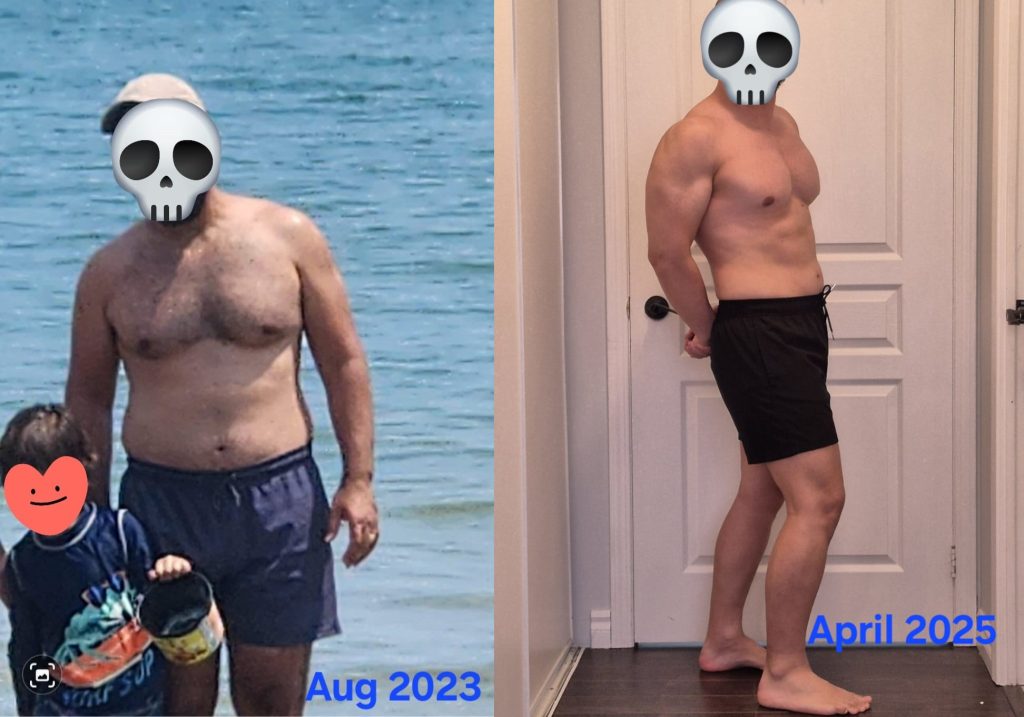
Building muscle is a goal that many of us strive for, but figuring out the best way to achieve it can be confusing. You might find yourself asking, “Are calories or protein more important for building muscle?”
The answer isn’t as simple as you might think. It’s easy to get lost in a sea of information, leaving you unsure about what truly matters for your muscle growth. Imagine transforming your routine with the right knowledge, unlocking the secret to maximizing your muscle gains.
We’ll break down the roles of both calories and protein in muscle building, helping you make informed choices that can lead to real, noticeable results. Keep reading to discover how you can optimize your diet for the best possible gains in muscle mass. Your journey to a stronger, more sculpted you starts here.

Credit: www.instagram.com
Calories And Muscle Growth
Building muscle needs both calories and protein. Calories provide energy for workouts and recovery. Protein repairs and builds muscle tissue. Balancing these nutrients is essential for effective muscle growth. Ensure a diet rich in both to maximize gains.
Calories play a crucial role in muscle growth. They provide the energy needed for workouts and recovery. Understanding how calories impact muscle building is essential. It helps in creating effective diet plans. Let’s explore how calories affect muscle gain.Caloric Surplus And Muscle Gain
A caloric surplus means consuming more calories than the body burns. This surplus provides extra energy for muscle growth. It allows the body to repair and build muscle tissue. Consistent surplus supports muscle gain over time. But, it’s important to choose healthy calories. Junk food can lead to unwanted fat gain.Role Of Maintenance Calories
Maintenance calories are the amount needed to maintain current weight. Eating at maintenance supports muscle retention. It helps in preserving muscle mass while staying lean. Tracking maintenance calories is crucial. It helps in adjusting diet plans for muscle building.Impact Of Caloric Deficit
A caloric deficit occurs when fewer calories are consumed than burned. It can lead to weight loss. But, it might also affect muscle growth. In a deficit, the body uses energy stores, sometimes from muscle. This makes it harder to gain muscle. Balancing calories is key to minimize muscle loss.Protein’s Role In Muscle Building
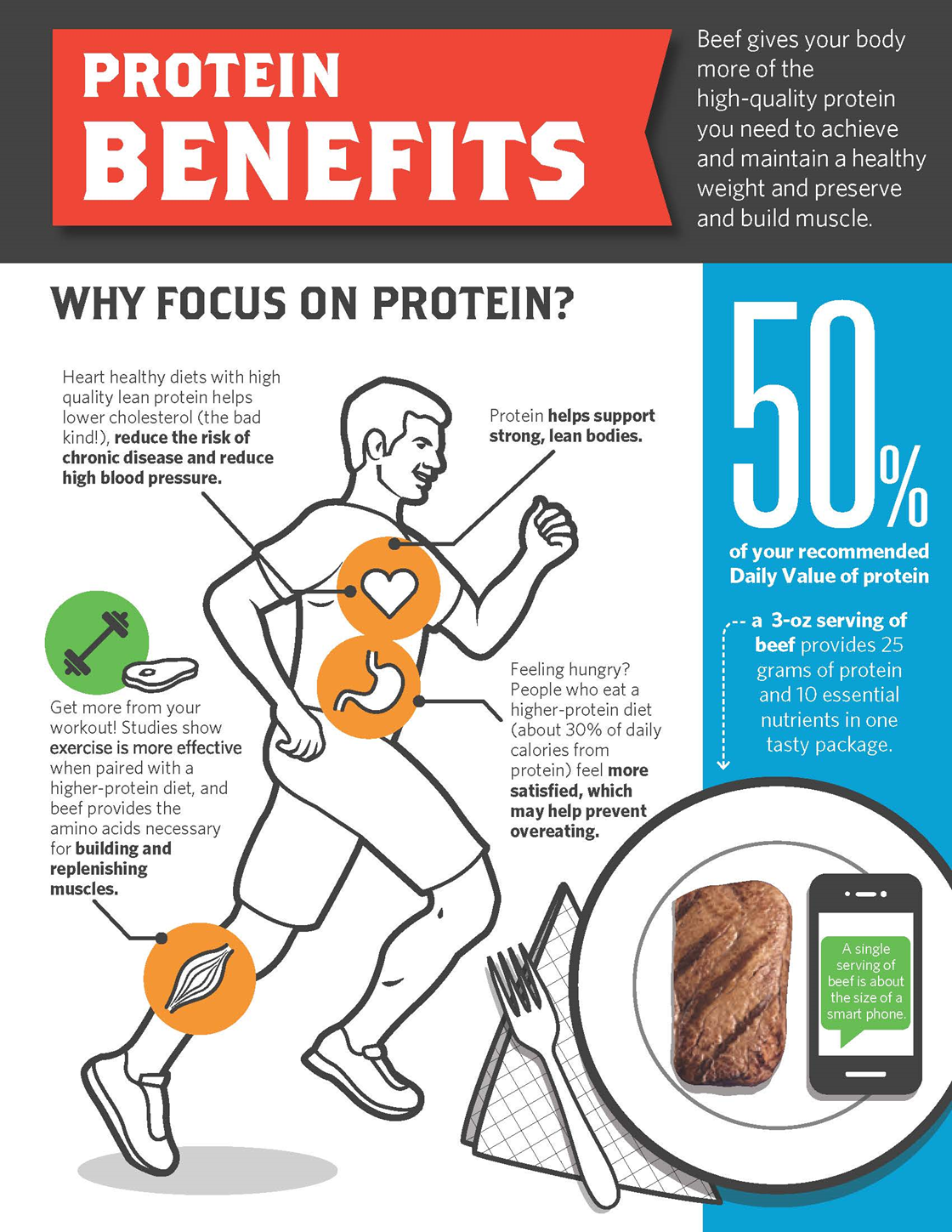
When you’re aiming to build muscle, protein is your best friend. It’s the building block of muscle tissues, playing a crucial role in repair and growth. Without adequate protein, your muscles won’t recover efficiently from workouts. But how exactly does protein help you get stronger and bigger?
Protein Synthesis And Muscle Repair
Protein synthesis is the process where your body uses protein to repair muscle fibers after exercise. Imagine each workout as a challenge to your muscles; they break down and need rebuilding. Protein helps in this rebuilding. Think about the last time you had sore muscles after a workout. Consuming enough protein accelerates recovery, allowing your muscles to repair and grow.
It’s not just about eating protein; it’s about ensuring your body uses it effectively. This process is essential for anyone serious about muscle building. You want your body to be in a positive protein balance, where synthesis outpaces breakdown.
Optimal Protein Intake
How much protein should you consume for muscle growth? Aim for about 1.6 to 2.2 grams per kilogram of your body weight daily. This range supports muscle protein synthesis effectively. Picture your body as a machine that needs fuel; protein is the premium fuel for muscle growth.
Don’t fall into the trap of overconsuming protein. Balance is key. Too little won’t support growth, and too much might not provide additional benefits. Are you hitting the sweet spot with your daily intake?
Protein Timing And Frequency
When is the best time to eat protein? Studies suggest spreading protein intake throughout the day. Focus on consuming protein at every meal. This keeps your body in a constant state of muscle repair and growth.
Consider having a protein-rich snack after workouts. It can boost muscle recovery and growth. Have you noticed how athletes often have a protein shake post-exercise? It’s not just a trend; it’s a strategy for maximizing muscle gains.
Your journey to muscle building can be more effective with the right protein strategies. Are you ready to make protein a priority in your fitness routine?
Balancing Calories And Protein
Building muscle is a pursuit that requires more than just lifting weights. Balancing calories and protein is crucial. While calories provide the energy needed for exercise and recovery, protein supplies the building blocks for muscle growth. Finding the right balance can be tricky, but it’s essential for achieving your fitness goals. Let’s break down how you can effectively manage your caloric and protein intake to maximize muscle growth.
Finding The Right Caloric Intake
Your caloric intake is the foundation of your muscle-building diet. If you consume too few calories, your body won’t have the energy it needs to fuel workouts and recover. On the other hand, too many calories can lead to unwanted fat gain.
Start by determining your maintenance calories—the amount needed to maintain your current weight. From there, add around 300 to 500 calories per day to support muscle growth. Keep track of your progress and adjust as necessary. Are you gaining more fat than muscle? You might need to scale back those extra calories.
Ensuring Adequate Protein Consumption
Protein is the star player in muscle development. Without enough, your muscles won’t repair and grow effectively after workouts. Aim for about 1.2 to 2.2 grams of protein per kilogram of body weight per day.
This might sound like a lot, but spreading protein intake across meals makes it manageable. Incorporate lean meats, dairy, eggs, and plant-based proteins like beans and lentils. How does your current diet measure up? You might be surprised at how easy it is to adjust your protein intake.
Adjusting Macronutrient Ratios
Balancing calories and protein involves more than just counting grams and calories. Your macronutrient ratios—protein, carbohydrates, and fats—play a significant role in muscle building. Carbs fuel your workouts, while fats support hormone production.
Experiment with different ratios to see what works best for you. Some people thrive on higher-carb diets, while others benefit from more fats. Check your energy levels and muscle gains, and tweak your macros accordingly. What do your results tell you about your ideal ratio?
Balancing calories and protein is not a one-size-fits-all endeavor. It requires listening to your body and making adjustments based on your goals and experiences. What strategies will you try to optimize your muscle-building potential?

Credit: www.youtube.com
Impact Of Training On Nutritional Needs
When you’re on a mission to build muscle, understanding the impact of your training on your nutritional needs is crucial. Your body is like a finely tuned machine, adjusting its requirements based on the intensity and type of exercise you engage in. Are you giving it the right fuel? Let’s dig deeper into how training changes what your body needs to maximize muscle growth.
Resistance Training And Nutrient Requirements
Resistance training demands more from your body than just sheer effort; it requires specific nutrients to support muscle repair and growth. You might be lifting weights, but it’s not just about the iron in your hands; it’s about the protein in your diet. Protein is essential, yes, but don’t forget about calories. Your body needs energy to lift, push, and pull, which comes from calories. Balancing these can be the key to effective muscle building.
Consider this: each session of resistance training creates tiny tears in your muscle fibers. These need to be repaired, and that’s where protein steps in. But without enough calories, your body may start using protein for energy rather than muscle repair. Are you providing enough energy for your workouts and recovery?
Importance Of Recovery Nutrition
Recovery nutrition is often overlooked, yet it’s vital for muscle growth. After a workout, your body is in a state of repair and rebuilding, which requires both protein and calories. Are you capitalizing on the post-workout window to refuel your muscles?
Think about your last workout; did you fuel up afterwards? A combination of protein and carbohydrates can kickstart the recovery process. This mix helps replenish glycogen stores and provides the amino acids necessary for muscle repair. Recovery isn’t just about rest; it’s about refueling effectively.
Next time you hit the gym, consider what happens after. Are you giving your muscles the nutrients they crave to grow stronger? Your post-workout meal can be as important as the workout itself. Are you ready to maximize your muscle-building potential?
Individual Variability In Nutritional Needs
Understanding individual variability in nutritional needs is vital for muscle building. Each person’s body responds differently to calories and protein. This is due to several factors that influence how nutrients are processed and utilized.
Genetic Factors
Genes play a significant role in nutrition. They can affect how your body metabolizes food. Some people have genes that help them burn calories faster. Others may store calories more easily. Protein synthesis can also vary due to genetic differences. This impacts how muscles grow and repair.
Lifestyle And Activity Levels
Daily activities influence nutritional needs. An active lifestyle demands more energy. Sedentary habits require fewer calories. Exercise routines, like weightlifting or cardio, also change protein needs. More intense workouts often need higher protein intake for muscle recovery.
Personal Goals And Preferences
Goals shape dietary choices. Building muscle requires a different approach than maintaining weight. Some prefer a high-protein diet for faster muscle growth. Others focus on calorie intake to fuel workouts. Preferences in food types and meal times also play a role. Tailoring nutrition to individual goals ensures better results.
Common Myths And Misconceptions
Building muscle involves understanding calories and protein. Many myths surround these topics. Misconceptions often confuse those eager to gain muscle. Simplifying these myths can clarify the path to muscle growth. Below, we debunk some common myths.
Debunking Calorie Myths
Some think more calories always lead to more muscle. This is not true. Consuming too many calories leads to fat gain, not muscle. The right balance is key. Quality of calories matters too. Choose nutrient-rich foods over empty calories. This supports muscle growth effectively.
Protein Misunderstandings
Protein is essential for muscle building. Yet, some people overestimate its need. Consuming excessive protein does not equal more muscle. The body can only use a limited amount. Extra protein is stored as fat or wasted. Balance protein intake with other nutrients. This ensures optimal muscle development.
Popular Diet Trends
Many diets promise quick muscle gains. Some focus solely on protein intake. Others emphasize calorie counting alone. Both approaches can mislead. Effective muscle building requires a balanced diet. Include a mix of proteins, carbs, and fats. Don’t fall for fad diets claiming miracles. A balanced diet supports sustainable muscle growth.
Credit: www.beefitswhatsfordinner.com
Frequently Asked Questions
Is It More Important To Count Calories Or Protein?
Counting protein is crucial for muscle growth and repair, while calorie counting supports weight management. Balance both for optimal health.
Can I Gain Muscle If I Eat Enough Protein But Not A Lot Of Calories?
Gaining muscle requires both sufficient protein and adequate calories. Without enough calories, your body might use protein for energy instead of muscle repair and growth. Prioritize a balanced diet with both protein and calories to effectively build muscle.
What Role Do Calories Play In Muscle Building?
Calories provide the energy required for workouts and recovery. Consuming enough calories helps maintain a positive energy balance, essential for muscle growth. Without sufficient calories, the body may use muscle tissue for energy, hindering muscle building. Balancing calorie intake ensures muscles receive the nutrients needed for repair and growth.
Is Protein More Crucial Than Calories For Muscles?
Protein is vital for muscle repair and growth, providing amino acids necessary for muscle synthesis. While calories provide energy, protein directly contributes to muscle development. Both are important, but protein is often prioritized for building and repairing muscle tissues, especially after workouts, to maximize muscle growth potential.
Conclusion
Balancing calories and protein helps in building muscle effectively. Protein repairs muscles and supports growth. Calories provide energy for workouts. Without enough calories, your body can’t build muscle. Protein alone isn’t enough. A diet rich in both ensures steady muscle gain.
Consider your activity level and goals. Adjust intake based on progress. Monitor results and tweak your diet as needed. Remember, consistency matters most. Eating well fuels your journey to stronger muscles. Stay focused and make smart choices daily. Your body will thank you.








