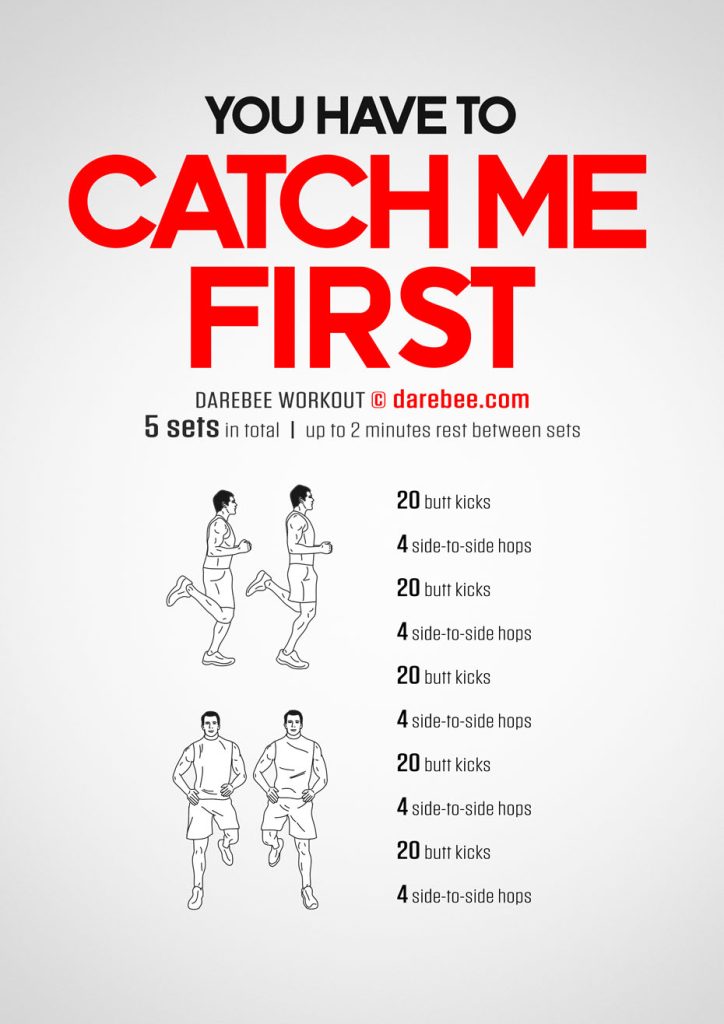
Imagine feeling light on your feet, swift as a breeze, and ready to tackle any challenge that comes your way. Agility isn’t just for athletes on the field; it’s a skill you can master right in your living room.
You don’t need fancy equipment or a gym membership to boost your agility. With just a bit of space and some motivation, you can transform your home into a training ground that sharpens your mind and body. Are you ready to unlock the secrets of agility workouts at home and discover how they can elevate your fitness game?
Get ready to unleash your inner athlete and experience the thrill of movement like never before. Dive in to learn how you can start today!

Credit: www.youtube.com
Benefits Of Agility Workouts
Agility workouts at home offer numerous benefits for both body and mind. They improve coordination, enhance reflexes, and increase overall fitness levels. By incorporating these exercises, you can achieve better balance and flexibility. Agility workouts are accessible to everyone, regardless of fitness level or age.
Enhances Coordination And Reflexes
Agility workouts train your body to move efficiently. They improve hand-eye coordination and quicken reflexes. This enhanced coordination helps in everyday activities and sports.
Boosts Physical Fitness
Agility exercises increase heart rate and burn calories. They strengthen muscles, which leads to improved endurance and stamina. Consistent practice helps in maintaining a healthy weight.
Improves Balance And Flexibility
Agility workouts improve your balance and flexibility. They train your body to maintain stability during movement. This reduces the risk of injuries and enhances posture.
Accessible And Cost-effective
You can perform agility workouts with little or no equipment. This makes them accessible and cost-effective. You can exercise at your own pace in the comfort of your home.
Boosts Mental Sharpness
Agility training requires focus and concentration. It enhances mental sharpness and decision-making skills. This mental engagement keeps your mind active and alert.
Essential Equipment
Agility workouts at home offer flexibility and convenience. They require some essential equipment to optimize your routine. You don’t need a full gym. A few key items can enhance your agility practice. Let’s explore what’s necessary for effective home workouts.
Minimal Gear Needed
A jump rope is fundamental. It improves foot speed and coordination. Agility cones are useful. They help with directional changes. Resistance bands are versatile. They add intensity to your exercises. An agility ladder is excellent. It boosts quickness and footwork skills.
Alternative Household Items
Don’t have cones? Use empty bottles instead. They work well for markers. No jump rope? A piece of rope or cord will suffice. Resistance bands can be replaced with old tights. They provide similar resistance. For an agility ladder, tape can create a grid on the floor. Simple alternatives can keep your workouts effective.
Warm-up Routine
Starting your agility workout at home with a proper warm-up routine is crucial. It sets the stage for a productive session by preparing your muscles and joints for movement. A well-structured warm-up enhances your performance and reduces the risk of injury.
Dynamic Stretching
Dynamic stretching is a fantastic way to kick off your warm-up. It involves active movements that gently stretch your muscles. These stretches can range from leg swings to arm circles, targeting various muscle groups. They increase blood flow and improve flexibility. Imagine starting with a few leg swings and feeling your legs loosen up, ready for action. The goal is to gradually raise your heart rate and get your muscles primed for the workout ahead.
Joint Activation Exercises
Joint activation exercises are essential for agility workouts. They focus on mobilizing your joints, ensuring they move fluidly during your exercises. Consider adding ankle circles or shoulder shrugs to your routine. These movements help lubricate your joints, making them more responsive and less prone to injury. Think about how smoothly your ankle rotates after a few circles, allowing you to pivot effortlessly during your workout. As you activate your joints, notice the increased range of motion and control, which is vital for agility.
Have you ever skipped a warm-up and regretted it halfway through your workout? Don’t underestimate the power of preparation. How do you incorporate warm-ups in your daily routine? Share your insights and let’s improve together!
Speed Drills
Home workouts offer effective speed drills to boost agility. Quick foot movements and directional changes enhance coordination. These exercises improve speed and control without needing much space or equipment.
Agility workouts at home are a great way to boost your speed and coordination without the need for fancy equipment or a gym membership. Speed drills are an exciting part of these workouts, focusing on improving your quickness and reaction times. They not only enhance your physical performance but also keep the exercise routine fresh and fun. Whether you’re an athlete aiming to improve your game or someone just looking to add a dynamic element to your home workout, speed drills can be a game-changer.Ladder Drills
Ladder drills are a fantastic tool for sharpening your footwork. Picture a simple ladder laid flat on the ground. You can create one with tape or chalk if you don’t have a physical ladder. They challenge you to move quickly, stepping in and out of the rungs in various patterns. Start with the basic in-and-out drill. Step into the first square with both feet, then step out of the square, moving to the next one. You can increase complexity by adding side steps or hopscotch-like movements. As you practice, you’ll notice your feet moving faster, and your mind working harder to keep up. Ever tried adding music to your ladder drills? It might sound silly, but the rhythm can push you to speed up, making the workout more enjoyable. Try it, and see how your body responds to the beat.Cone Sprints
Cone sprints are all about explosive speed and direction changes. Place cones or markers in a zigzag pattern, and sprint between them as fast as you can. This drill mimics real-life movements, like dodging in sports or quickly changing direction in everyday situations. You’ll want to start slow to get the pattern down, then gradually increase your speed. Focus on pivoting sharply around each cone to maximize the workout’s effectiveness. As you get better, try reducing the distance between cones to challenge yourself further. Have you ever timed your cone sprints? Timing each round can add a competitive edge, even if you’re only competing against yourself. Track your progress, and you’ll be surprised at how quickly your sprint times improve. Speed drills can transform your agility workout at home. They offer a mix of challenge and fun, making you faster and more coordinated. What new drill will you try in your next session?Flexibility Exercises
Flexibility exercises are crucial for agility workouts at home. They help improve the range of motion and prevent injuries. You can easily do them in your living room or backyard. Flexibility is key to maintaining balance and coordination. Regular practice makes your body more agile and responsive. Let’s explore some effective exercises.
Yoga Poses
Yoga is a great way to enhance flexibility. It involves stretching and holding poses. This increases strength and balance. Try poses like downward dog or the warrior pose. These poses stretch your muscles deeply. They improve posture and relax your mind.
Start with the basic poses. Gradually move to more complex ones. Focus on breathing while holding each pose. This helps you stay calm and centered. Consistent practice leads to better agility and flexibility.
Static Stretches
Static stretches involve holding a position for a period. They are simple and effective. Do stretches like hamstring or calf stretches. These target specific muscles and improve flexibility.
Hold each stretch for about 30 seconds. Feel the stretch but avoid pain. Repeat stretches daily for best results. Static stretches are easy and can be done anytime. They enhance your agility and reduce the risk of injuries.
Balance And Coordination
Agility workouts at home boost balance and coordination effectively. Simple exercises like jumping jacks and lateral hops enhance movement skills. Regular practice helps improve reaction time and stability, making everyday activities smoother.
Improving balance and coordination is essential for agility workouts at home. These skills help you move swiftly and smoothly, reducing the risk of injury. By focusing on balance and coordination, you can enhance your overall athletic performance and daily activities. Single-Leg DrillsSingle-leg drills are a fantastic way to enhance balance. Imagine standing on one leg while brushing your teeth. It might sound trivial, but it’s an effective exercise. You can also try single-leg squats or deadlifts. These exercises challenge your stability and force your core and leg muscles to engage fully. You might wobble at first, but that’s a sign of progress. The more you practice, the steadier you’ll become. These drills not only strengthen your legs but also improve your focus. Cross-Body MovementsCross-body movements are excellent for coordination. These exercises involve moving opposite limbs simultaneously. Think of a simple exercise like marching in place, bringing your right knee to your left elbow. Such movements engage multiple muscle groups and improve brain-to-muscle communication. They are vital for activities that require quick directional changes. A friend once shared how practicing cross-body movements improved her tennis game. She found herself reacting faster and moving more fluidly on the court. Could cross-body movements be your secret weapon too? Focus on these exercises consistently. The improvements in your daily life will surprise you. You’ll find yourself more agile and confident in your movements, both in workouts and everyday tasks.Cool Down Techniques
Agility workouts at home benefit from effective cool down techniques. These techniques help relax muscles and improve flexibility. Gentle stretching and deep breathing calm your body, aiding in recovery after a high-energy session.
Cool Down Techniques After an intense agility workout at home, your body craves a proper cool down. It’s not just about dropping the heart rate; it’s about setting your body up for tomorrow’s success. Cooling down can prevent injuries and improve flexibility. Let’s explore some effective techniques you can easily implement.Breathing Exercises
Controlled breathing can be a game-changer. It helps bring your heart rate back to normal and clears your mind. Try this: inhale deeply through your nose for four counts, hold for four, then exhale through your mouth for another four. Feel the tension melt away as you focus solely on your breath. This practice can be meditative, bringing a sense of calm and clarity. Have you noticed how stress often vanishes when you breathe consciously?Muscle Relaxation
Muscle relaxation is crucial after pushing your body. Start with a simple body scan. Lie down and consciously relax each muscle group from head to toe. Tense your muscles for five seconds, then release. This helps in letting go of any lingering tension. Imagine your muscles as a sponge, squeezing out all the stress and soaking in relaxation. Have you ever felt tightness long after a workout? This technique can be your solution. Make it a part of your routine, and notice the difference it makes in your recovery. Do you find yourself skipping cool downs because of time constraints? Think of these techniques as an investment in your next workout. Your body will thank you!
Credit: www.pinterest.com
Common Mistakes To Avoid
Avoid incorrect form during agility workouts at home. Skipping warm-ups can lead to injuries. Ignoring rest days decreases performance quality.
Agility workouts at home can be a game-changer for your fitness routine. They improve your speed, coordination, and balance without needing a gym. However, many people fall into common pitfalls that can hinder their progress. Recognizing these mistakes is crucial to ensure your workouts are effective and safe. Let’s dive into the common mistakes to avoid.Overtraining Risks
Pushing yourself too hard can backfire. Overtraining can lead to fatigue, decreased performance, and injuries. You might think more is better, but balance is key. Have you ever felt exhausted, not energized, after a workout? That’s a sign of overtraining. Rest days are not just a break; they’re essential for muscle recovery and growth. Listen to your body. If you feel constant soreness or have trouble sleeping, it might be time to scale back. Aim for moderation. Structure your workouts with rest days to maintain progress without burning out.Improper Form Issues
Improper form can derail your agility goals. It’s easy to neglect proper technique, especially when working out alone. This can lead to injuries and ineffective workouts. Imagine doing a speed ladder drill with a sloppy form. Instead of improving, you risk twisting an ankle. Precision matters. Pay attention to your posture, foot placement, and movement. Watching tutorial videos or using mirrors can help you correct your form. Even a small tweak can make a big difference. Practice slowly and get the form right before increasing speed or intensity. By avoiding these common mistakes, you enhance your agility workouts and safeguard your health. How do you ensure you’re on track with your home workouts?Creating A Routine
Creating a routine is essential for effective agility workouts at home. A structured plan helps maintain consistency and balance. It also ensures that your agility improves gradually.
Weekly Schedule Ideas
A weekly schedule keeps your workouts organized. Start with three days a week. Focus on different aspects of agility each day. On Monday, practice quick foot movements. Wednesday can be for balance exercises. Finish the week with coordination drills on Friday. You can adjust this plan based on your needs.
Progress Tracking
Tracking progress is crucial for motivation. It shows how much you’ve improved. Use a simple notebook or an app to record your workouts. Write down the exercises and repetitions. Note any personal records you achieve. This helps identify patterns and areas for improvement. Regular updates keep you informed and engaged.

Credit: www.pinterest.com
Frequently Asked Questions
How To Train For Agility At Home?
Train agility at home with ladder drills, cone exercises, and shuttle runs. Practice consistently for better results. Include jump ropes and balance exercises for enhanced agility. Use online resources for guidance and progress tracking.
Which Exercises Improve Agility?
Exercises like ladder drills, cone drills, shuttle runs, plyometrics, and agility ladder workouts improve agility. Incorporate lateral movements and quick direction changes. Practicing these regularly enhances coordination and speed.
What Is The 5 10 5 Agility Test?
The 5 10 5 agility test measures speed and agility. It involves sprinting 5 yards, changing direction to sprint 10 yards back, then 5 yards to the start. This test helps evaluate quick directional changes and acceleration, often used in sports training to enhance performance.
What Muscles Increase Agility?
Key muscles that enhance agility include the core, hip flexors, quadriceps, hamstrings, calves, and glutes. Strengthening these muscles improves speed, balance, and coordination, essential for agile movement. Consistent training and targeted exercises help boost overall agility and performance.
Conclusion
Agility workouts at home can boost fitness and flexibility. Simple routines fit into any schedule. No need for fancy equipment or gym trips. Just space and determination. These exercises enhance balance, speed, and coordination. Consistent practice leads to noticeable improvements.
Start small, then gradually increase intensity. Everyone can benefit, regardless of fitness level. Enjoy the journey of becoming more agile. It’s rewarding and fun. Keep challenging yourself and stay committed. Your body and mind will thank you. Embrace the process and see progress unfold.
Keep moving, stay active, and enjoy the results.








