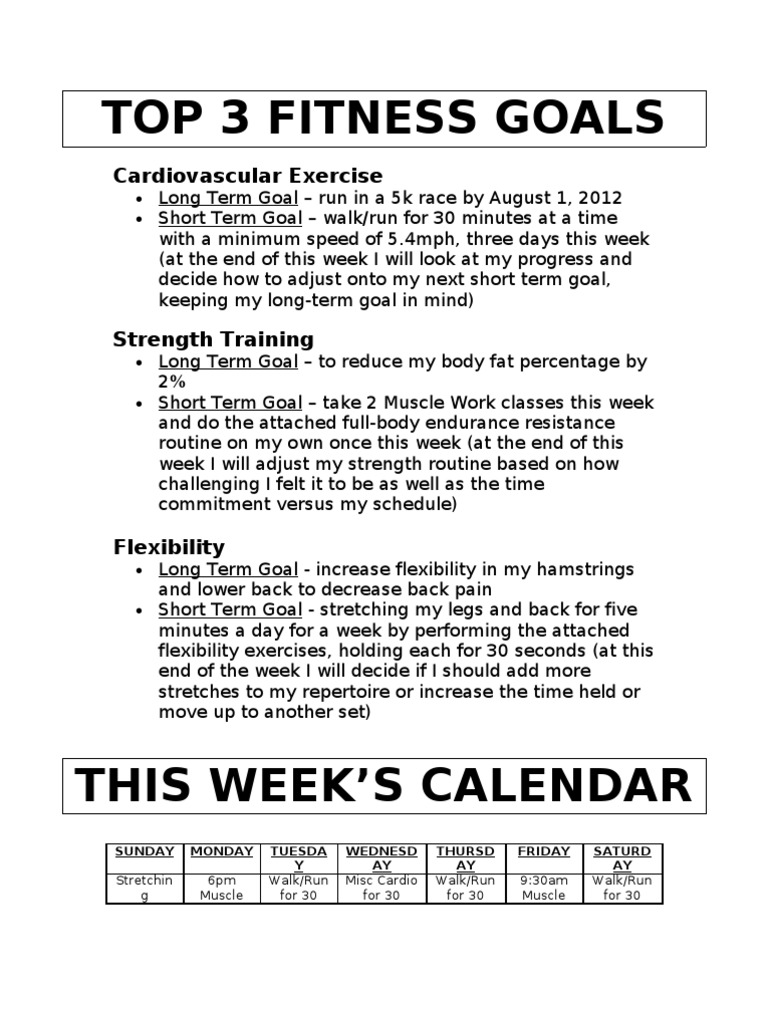
Are you ready to take the first step toward a healthier, more active lifestyle? Setting fitness goals is a fantastic way to kickstart your journey.
But where do you begin, especially if you’re new to working out? Don’t worry; you’re not alone. We’ve all been beginners at some point, and knowing how to set achievable fitness goals can make all the difference. Imagine feeling more energized, boosting your mood, and seeing those positive changes in your body.
Sounds great, right? You’ll discover simple and effective fitness goals examples tailored just for beginners like you. These goals will help you stay motivated, track your progress, and ultimately reach your desired outcomes. So, let’s dive in and make your fitness dreams a reality!
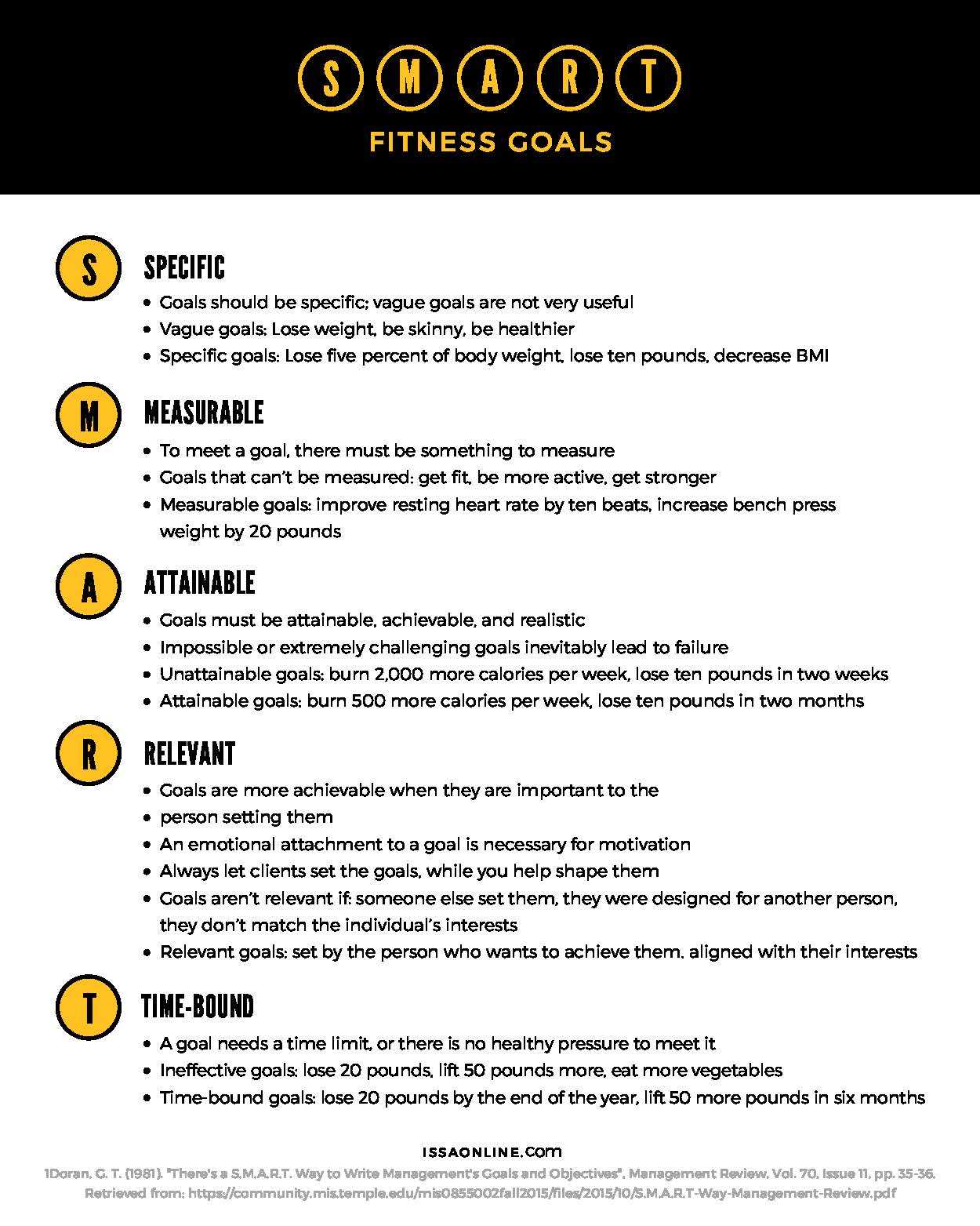
Credit: www.issaonline.com
Setting Realistic Fitness Goals
Setting realistic fitness goals can be the key to success. For beginners, it’s crucial to start with attainable targets. This approach builds confidence and motivation. Unrealistic goals may lead to frustration and quitting. Realistic goals help track progress effectively.
Understanding Your Starting Point
Begin by assessing your current fitness level. Are you active regularly? Do you have experience with exercise routines? Answering these questions helps set the right goals. Knowing your starting point avoids setting goals that are too ambitious. Document your current abilities and limitations. This step is essential for creating a personalized fitness plan.
Importance Of Achievable Targets
Goals should be challenging but reachable. Achievable targets ensure steady progress. They prevent burnout and injury. Small victories boost morale and keep you motivated. Aim for gradual improvement, not perfection. Celebrate each milestone to stay encouraged. This positive reinforcement is crucial in maintaining momentum.
Types Of Fitness Goals
Starting a fitness journey can be exciting yet overwhelming. Setting clear fitness goals helps beginners find direction and stay motivated. Different types of goals cater to various aspects of fitness. Each type has its unique benefits and focuses on distinct areas of improvement. Understanding these can help you choose what aligns with your personal needs and preferences.
Strength Building
Strength building focuses on increasing muscle power and endurance. This goal is great for those wanting to improve their overall physical capacity. Beginners can start with bodyweight exercises like push-ups and squats. Gradually, they can incorporate weights for more challenge. Strength training also boosts metabolism and supports healthy weight management.
Cardiovascular Health
Improving cardiovascular health is crucial for heart and lung efficiency. This goal involves activities that raise heart rate, such as walking or cycling. It’s important for beginners to start at a comfortable pace. Over time, increasing intensity can enhance endurance. Cardiovascular exercises also aid in reducing stress and promoting better sleep.
Flexibility Improvement
Flexibility improvement aims to increase the range of motion in joints. This goal is perfect for those seeking better movement and posture. Beginners can start with stretching routines or yoga. Regular practice helps prevent injuries and reduces muscle soreness. Flexibility exercises also contribute to better balance and coordination.
Weight Management
Weight management focuses on achieving and maintaining a healthy weight. This goal combines physical activity with proper nutrition. Beginners should aim for a balanced routine of exercise and diet. Consistency is key to seeing results. Weight management improves overall health and boosts self-esteem.
Short-term Goals
Setting short-term goals is essential for fitness beginners. These goals provide immediate milestones. They keep motivation levels high. Short-term objectives help you track progress. They offer quick wins, boosting confidence. Let’s explore some examples of short-term fitness goals.
Weekly Exercise Routines
Establishing a weekly exercise routine is vital. Aim for consistency each week. Choose activities you enjoy. It could be jogging, cycling, or yoga. Plan to exercise three times a week. Each session should last 30 minutes. This routine builds a habit. It also improves endurance and fitness.
Daily Activity Targets
Daily activity targets are equally important. Start with simple goals. Walk 10,000 steps daily. Use a pedometer or a phone app. Take the stairs instead of the elevator. Stretch for five minutes every morning. These small actions add up. They improve overall health and well-being.
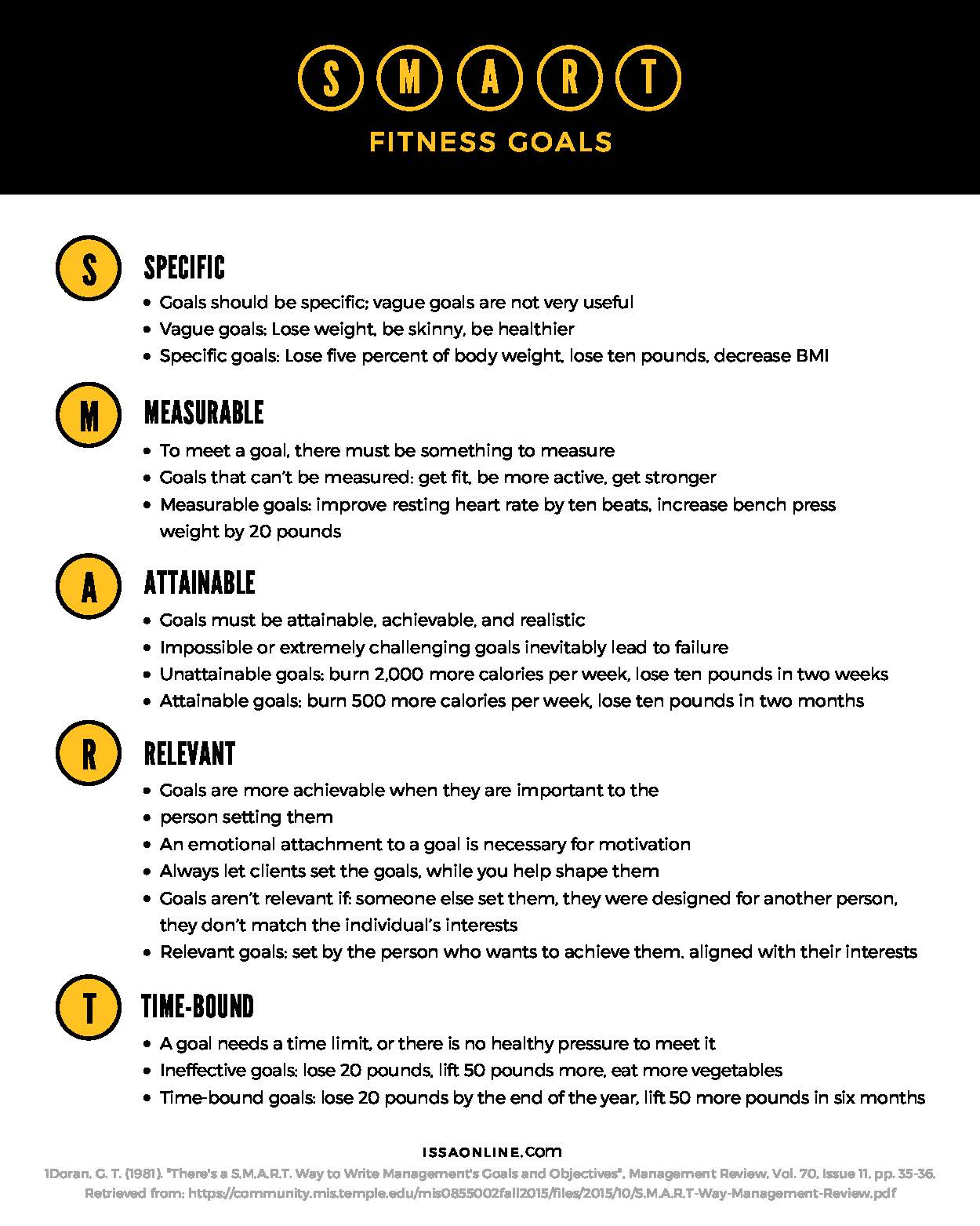
Credit: www.issaonline.com
Long-term Goals
Setting long-term fitness goals is crucial for beginners. These goals provide direction and purpose. They keep you motivated over time. Long-term goals give you something to aim for. They help track progress and celebrate achievements.
Monthly Progress Assessment
Monthly check-ins are vital. They help keep you on track. Assess your progress regularly. Look at physical changes and performance improvements. Set realistic monthly targets. These targets should be achievable yet challenging. Monthly assessments identify areas needing improvement.
Track workouts and eating habits. Adjust your plan as needed. Celebrate small victories. They boost confidence and motivation. Monthly assessments help spot patterns. They guide your next steps. Stay flexible in your approach.
Yearly Milestones
Yearly milestones provide a broader perspective. They help measure long-term success. Consider setting a yearly goal. This could be completing a marathon or losing a certain amount of weight. Yearly goals require commitment and planning.
Reflect on past achievements. Use them to inform future goals. Yearly milestones encourage perseverance. They offer a sense of accomplishment. Celebrate reaching yearly goals. They mark significant progress. Review and revise your goals regularly. Adapt to new challenges and interests.
Tracking Your Progress
Setting fitness goals is just the beginning of your journey. To truly succeed, tracking your progress becomes essential. Regularly monitoring progress keeps motivation high. It also provides valuable insights into what works best for you. Understanding your progress helps to adjust goals effectively. Let’s explore some practical ways to track your fitness journey.
Using Fitness Apps
Fitness apps are great tools for beginners. They offer a convenient way to track workouts and nutrition. Many apps provide features like step counting and calorie tracking. These features help to monitor daily activities and meals. Some apps also offer guided workouts and progress charts. These can show how far you’ve come in your journey. Choose an app that suits your needs and preferences. It can become your personal fitness companion.
Keeping A Workout Journal
A workout journal is another effective method to track progress. Writing down exercises helps you see improvements over time. Record the details of each workout session. Include the type of exercise, duration, and intensity. Journals can also capture thoughts and feelings during workouts. This helps in understanding emotional and physical changes. Reviewing past entries can boost confidence and motivation. It provides a clear picture of achievements and challenges.
Staying Motivated
Staying motivated is crucial for beginners in their fitness journey. It can be challenging to keep the enthusiasm alive. But with the right strategies, it becomes easier. Motivation helps maintain consistency. Consistency is key to achieving any fitness goal. Let’s explore effective ways to stay motivated.
Finding A Workout Buddy
A workout buddy can make a big difference. They provide support and encouragement. Having someone to exercise with makes workouts more enjoyable. You can share your goals and track progress together. A workout buddy helps keep you accountable. They motivate you to show up even on tough days. It’s more fun and less like a chore.
Celebrating Small Wins
Small wins are important milestones. They boost confidence and motivate further. Celebrate each achievement, no matter how small. Did you run an extra mile today? Celebrate! Reached a new weightlifting goal? Celebrate! These celebrations can be simple. Treat yourself to something nice. Or take a moment to reflect on your progress. Recognizing small wins fuels your drive to continue.
Adjusting Goals
Setting fitness goals is only the beginning of your journey. It’s vital to adjust these goals over time. Our bodies and lives change, which means our goals might need to change too. Beginners often set goals that may be too ambitious or not specific enough. Adjusting goals helps in keeping them realistic and achievable. This ensures that your fitness journey remains motivating and not overwhelming.
Listening To Your Body
Your body knows best. Pay attention to how it feels during workouts. If you feel pain or extreme fatigue, it might be a sign to slow down. Adjust your goals to avoid pushing too hard. Rest and recovery are essential parts of fitness. Listening to your body helps prevent injuries and burnout. This ensures a sustainable fitness journey.
Revisiting Goals Periodically
Goals aren’t set in stone. It’s important to revisit them regularly. Set a schedule to review your goals every few weeks. Assess your progress and challenges. You might find that some goals need tweaking. Maybe you’ve reached a goal and need a new challenge. Or perhaps a goal was too demanding. Revisiting goals keeps your fitness journey on track.
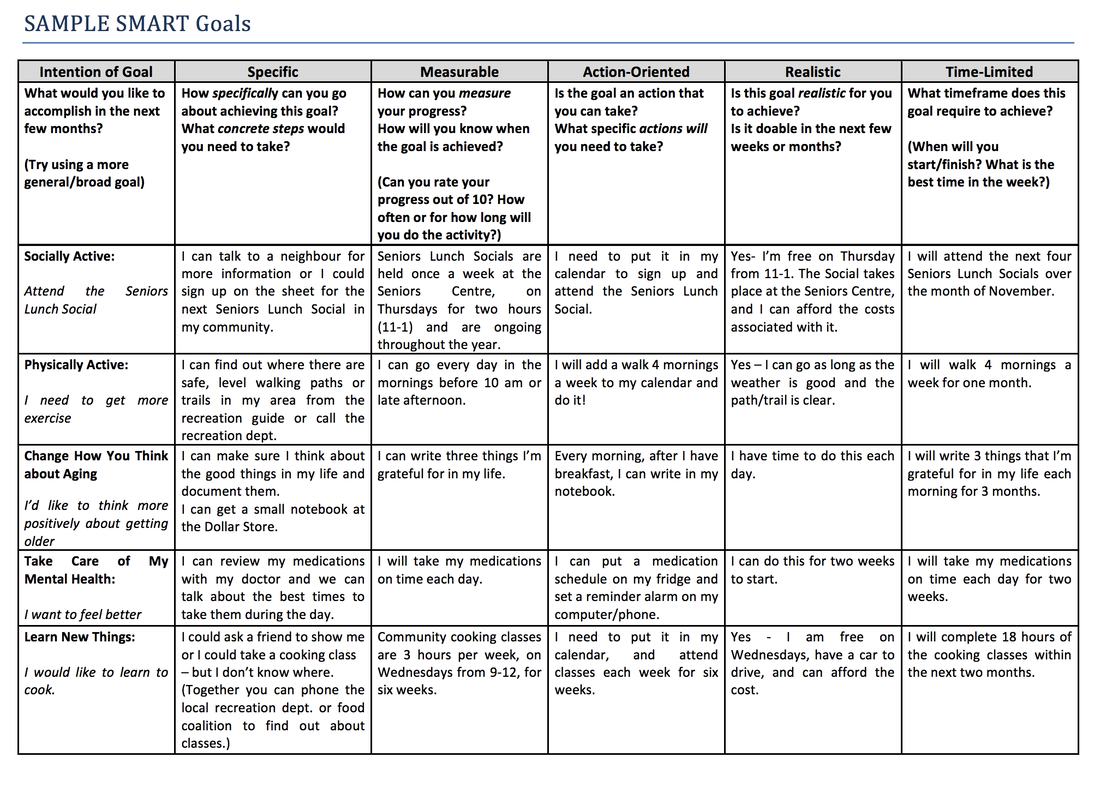
Credit: jamesfranco12.weebly.com
Frequently Asked Questions
What Is The Most Common Fitness Goal?
The most common fitness goal is weight loss. Many people aim to shed pounds for better health. Others focus on building muscle, improving endurance, or enhancing overall fitness levels. Setting specific, achievable goals helps individuals stay motivated and track progress effectively.
What Are The Three Main Goals Of Fitness?
The three main goals of fitness are improving cardiovascular health, enhancing muscular strength, and increasing flexibility. Achieving these goals boosts overall health, reduces the risk of chronic diseases, and enhances physical performance. Consistent exercise and a balanced diet are crucial for reaching and maintaining these fitness objectives.
What Are Realistic Strength Goals For Beginners?
Beginners can aim to bench press their body weight, squat 1. 5 times their body weight, and deadlift twice their body weight. These are realistic and achievable strength goals for new lifters. Consistent training, proper form, and nutrition play vital roles in reaching these milestones.
What Is An Example Of A Fitness Smart Goal?
A fitness SMART goal might be: “Run a 5K in under 30 minutes within three months by training three times a week. “
Conclusion
Setting fitness goals is crucial for beginners. They provide direction and motivation. Start small. Achieve consistency over intensity. This builds a solid foundation. Listen to your body and adjust as needed. Celebrate every milestone, no matter how small. Staying committed is key.
Fitness is a journey, not a race. It’s about progress, not perfection. Find joy in the process and keep moving forward. With dedication and patience, your goals are within reach. Remember, every step counts toward a healthier you. Keep striving, and soon, you’ll see the difference.








