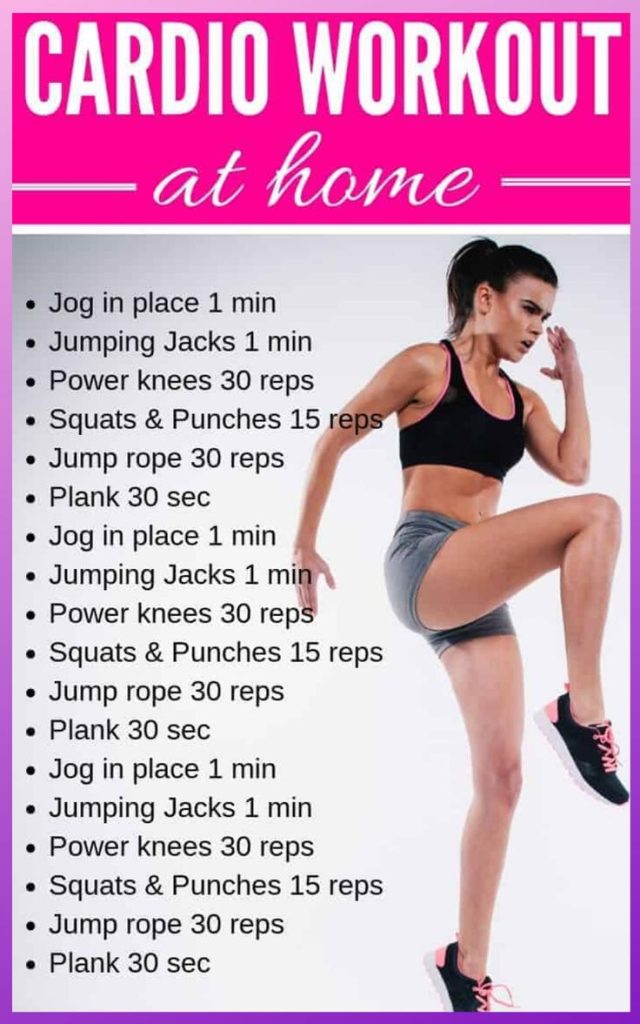
Are you ready to kickstart your journey to better health and wellness? A cardio fitness plan for beginners can be your stepping stone to a healthier, more energetic life.
Imagine feeling more alert, shedding stress, and boosting your mood—sounds amazing, right? Cardio workouts can help you achieve all this and more. But where do you start? How do you design a plan that fits your lifestyle and goals? This guide is crafted just for you, making sure you get all the essentials without feeling overwhelmed.
You’ll discover simple, effective strategies to integrate cardio into your routine. By the end of this article, you’ll feel empowered and motivated to take the first steps towards a fitter you. Ready to transform your life? Let’s dive in!
Benefits Of Cardio Exercise
Starting a cardio fitness plan can be a game-changer for your health. Cardio exercise, often seen as the cornerstone of fitness, offers numerous benefits. Whether you’re hoping to lose weight, boost your mood, or enhance your stamina, cardio has something for everyone. Below, you’ll find some compelling reasons to lace up your sneakers and get moving.
Improved Heart Health
Cardio exercises like walking, running, and cycling strengthen your heart muscle. A stronger heart pumps blood more efficiently, reducing the risk of heart disease. Imagine feeling less winded after climbing stairs—it’s a sign your heart is getting healthier.
Weight Loss And Management
Cardio workouts burn calories, helping you shed those extra pounds. If you’re aiming for weight loss, consistency is key. Remember that friend who lost inches by jogging daily? That’s the power of cardio.
Enhanced Mood And Mental Health
Ever notice how you feel happier after a brisk walk or a run? That’s the endorphin rush, your body’s natural mood booster. Cardio can be a great way to combat stress, anxiety, and depression.
Increased Lung Capacity
Regular cardio exercise improves your lung capacity. You’ll find yourself breathing easier, even during intense activities. Think of how refreshing it feels to take deep breaths without struggling.
Better Sleep Quality
Struggling to get a good night’s sleep? Cardio might be your answer. It helps regulate your sleep patterns, making it easier to fall asleep and stay asleep. Imagine waking up feeling rested and ready to tackle the day.
More Energy Throughout The Day
Cardio boosts your energy levels. You’ll feel more alert and focused, whether at work or during your daily activities. Ever wonder why some people have boundless energy? Cardio could be their secret.
Ready to experience these benefits yourself? What’s stopping you from starting your cardio journey today? Engage with your cardio plan and see how it transforms your life for the better. Remember, every step counts towards a healthier, happier you.
Setting Achievable Goals
Starting a cardio fitness plan for beginners involves setting achievable goals. Begin with short, manageable workouts. Gradually increase intensity and duration to build stamina. This approach ensures progress and reduces injury risk.
Setting goals is vital for anyone starting a cardio fitness plan. Clear, achievable goals keep you motivated. They help you track progress. Beginners often make the mistake of setting overly ambitious targets. This can lead to disappointment or injury. Setting achievable goals makes the journey enjoyable and sustainable. Let’s dive into some key steps to set successful goals.Understanding Your Why
Know why you want to start. Is it for health, weight loss, or energy? Identifying your purpose fuels your motivation. It keeps you focused during challenging times.Start Small
Begin with realistic targets. Aim for 10 minutes of exercise daily. Gradually increase the duration. This approach prevents burnout. It builds confidence and endurance.Be Specific
Vague goals yield vague results. Instead of “exercise more,” aim for “jog three times a week.” Specific goals are easier to track. They give clear direction.Track Your Progress
Keep a journal or use an app. Record your workouts and improvements. Seeing progress is rewarding. It encourages you to keep going.Celebrate Milestones
Reward yourself for reaching milestones. This could be a new workout outfit or a fun activity. Celebrating achievements boosts morale. It makes the process enjoyable.Stay Flexible
Life can be unpredictable. Allow room for adjustments in your plan. Flexibility ensures you stay on track, even with setbacks.Choosing The Right Activities
Embarking on a cardio fitness journey can be both exciting and challenging, especially for beginners. Choosing the right activities is crucial. The goal is to find exercises that you enjoy and can stick to long-term. Your chosen activities should fit your lifestyle and help you gradually build endurance, strength, and confidence. Let’s dive into some beginner-friendly options that can kickstart your cardio routine.
Walking And Jogging
Walking is the simplest form of cardio, yet incredibly effective. It’s perfect for those who are new to exercise. You can start with a short walk around your neighborhood. Gradually increase the distance as you feel more comfortable.
Once you’re confident with walking, try jogging. It’s a natural progression that boosts your heart rate further. Consider alternating between walking and jogging to ease into more intense workouts. Have you ever felt the invigorating rush of a morning jog?
Cycling
Cycling offers a fun and low-impact workout. It’s a great option if you have joint concerns. You can enjoy a ride outdoors or use a stationary bike at home.
Begin with short, leisurely rides and gradually increase the pace and duration. Are you ready to pedal your way to a healthier lifestyle?
Swimming
Swimming is a full-body workout that’s easy on your joints. It’s ideal for beginners who enjoy being in water. If you’re not a confident swimmer, start with water aerobics or basic strokes.
Swimming not only boosts cardiovascular health but also enhances muscle tone. Dive in and let the water support your fitness journey. Do you feel the calming effect of water on your stress levels?
Dance Workouts
Dance workouts are a fantastic way to add variety and fun to your routine. They are perfect for those who enjoy rhythm and movement. You don’t need to be a professional dancer; simple movements can get your heart pumping.
Join a class or follow online tutorials. Dance workouts improve coordination and endurance while lifting your spirits. Are you ready to shake off the stress and groove your way to fitness?
Remember, the key is consistency and enjoyment. Choose activities that make you feel good and keep you coming back for more. Which of these options will you try first?
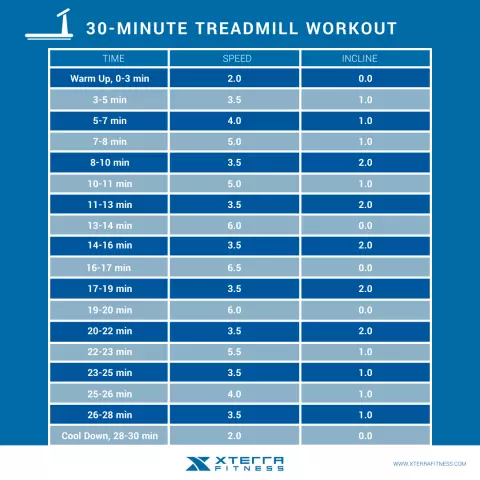
Credit: www.xterrafitness.com
Creating A Weekly Schedule
Starting a cardio fitness plan for beginners requires a well-structured weekly schedule. Incorporate activities like walking, jogging, or cycling, ensuring variety and consistency. Aim for 3-4 sessions per week to build endurance and promote heart health.
Creating a weekly schedule can guide your cardio fitness journey. It helps you stay organized and committed. Planning your workouts is essential. It ensures progress and prevents burnout. Let’s dive into how you can structure your cardio fitness plan.Balancing Intensity And Rest
Balance is key in any fitness plan. Mix high-intensity workouts with rest days. This prevents overtraining and reduces injury risk. Listen to your body. It tells you when to push and when to rest. Start with three intense days a week. Add moderate workouts between them. Don’t forget rest days. They are crucial for recovery and muscle growth.Sample Weekly Plan
Here’s a simple plan for beginners: – Monday: 20-minute brisk walk or light jog – Tuesday: Rest or gentle yoga – Wednesday: 30-minute cycling at moderate pace – Thursday: Rest – Friday: 15-minute interval training (walk/jog) – Saturday: 40-minute leisurely hike – Sunday: Rest or stretching exercises This plan balances intensity with rest. It keeps you energized throughout the week. Adjust the plan based on your energy levels and goals. Consistency is more important than intensity. With this schedule, you lay a solid foundation for your fitness journey.Essential Gear And Equipment
Embarking on a cardio fitness journey requires the right gear and equipment. Having the essentials can make workouts more effective and enjoyable. It’s important to choose items that suit your needs and preferences. The right gear enhances performance and reduces injury risk. Below are essential items to consider for your cardio fitness plan.
Footwear
Proper footwear is crucial for cardio activities. Good shoes provide support and comfort during workouts. Choose shoes with cushioning to protect your joints. Ensure they fit well to prevent blisters and discomfort. Look for breathable materials to keep feet cool and dry. Consider the type of cardio you’ll be doing, like running or cycling, and choose accordingly.
Clothing
Comfortable clothing is important for a successful workout. Opt for moisture-wicking fabrics to stay dry. Loose-fitting clothes allow freedom of movement. Avoid overly tight clothing that restricts motion. Dress in layers if exercising outdoors. This allows you to adjust based on the weather. Bright colors can enhance visibility during outdoor activities.
Tech And Gadgets
Tech gadgets can enhance your cardio routine. Fitness trackers monitor heart rate and calories burned. Smartwatches offer convenience and track progress. Music players motivate and make workouts enjoyable. Wireless headphones provide freedom and reduce distractions. Consider apps that offer guided workouts. These can help you stay focused and track achievements.
Tracking Progress
Tracking progress is vital for any cardio fitness plan, especially for beginners. It helps you see improvements and stay motivated. You can identify patterns and adjust workouts accordingly. Consistent tracking leads to better results and a more effective fitness journey.
Keeping A Workout Journal
A workout journal is a simple tool. It helps you document daily exercises. Write down your activities, duration, and intensity. Note how you feel before and after workouts. This helps you understand your body’s responses. You can also track improvements over time. Seeing progress on paper boosts motivation.
Consistency in journaling builds discipline. It creates a habit that supports long-term goals. Review past entries to identify trends. Adjust your cardio plan based on these insights. A workout journal is a personal record of your fitness journey.
Using Fitness Apps
Fitness apps offer digital solutions for tracking progress. They are convenient and accessible on smartphones. Many apps track metrics like distance, time, and calories burned. Some apps provide personalized workout plans. They adapt to your fitness level and goals.
Many apps have social features. You can connect with friends and share achievements. This adds a fun, competitive element to your fitness routine. Fitness apps often include progress graphs and statistics. Visual data provides a clear picture of your journey. Choose an app that suits your needs and preferences.
Staying Motivated
Motivation in a cardio fitness plan sparks energy and commitment. Start small, with activities that interest you. Celebrate each milestone to keep the enthusiasm alive.
Embarking on a cardio fitness plan as a beginner can be both exciting and daunting. The initial enthusiasm might fade, making it challenging to stick with your new routine. Staying motivated is key to turning your fitness aspirations into sustainable habits. How can you keep your energy high and your commitment intact? Let’s dive into some practical strategies.Finding A Workout Buddy
Having a workout buddy can transform your fitness journey. You’re less likely to skip a session when someone else is counting on you. Consider inviting a friend to join your workouts, or meet new people through local fitness groups or online communities. A workout buddy can also make exercising more enjoyable. Sharing the experience can lead to laughter, encouragement, and shared victories. On days when motivation dips, knowing someone else is in it with you can provide the push you need.Setting Rewards
Setting rewards for achieving small milestones can be a powerful motivator. Think about what makes you happy and use it as a treat for reaching your goals. Maybe a new playlist, a relaxing bath, or a favorite snack. Make sure your rewards align with your health goals. Instead of indulging in a large cheat meal, consider a movie night or a new book. When you associate effort with enjoyable outcomes, you’re more likely to stay on track. Reflect on what truly motivates you. What small changes can you make today to keep your cardio fitness journey exciting and rewarding?:max_bytes(150000):strip_icc()/SHAPE-7-cardio-workout-charts12-2000-563763607b3946d0940b4e1d1daba350.jpg)
Credit: www.shape.com
Safety Tips For Beginners
Starting a cardio fitness plan? Begin with a warm-up to prepare your muscles and avoid injuries. Choose suitable exercises and maintain proper form to ensure safety during workouts. Stay hydrated and listen to your body to prevent overexertion.
Embarking on a cardio fitness plan is an exciting journey. It’s a chance to improve your health, boost your energy, and feel great. But as a beginner, safety should be your top priority. Knowing how to protect yourself can help you stay on track and avoid setbacks. Let’s dive into some essential safety tips to guide your cardio workouts.Listening To Your Body
Your body is your best guide. Pay attention to how you feel during and after workouts. If something doesn’t feel right, don’t ignore it. Feeling out of breath or experiencing sharp pains isn’t normal. It’s your body telling you to slow down or stop. Consider how you felt yesterday. Did you sleep well? Are you hydrated? These factors can impact your workout today. Be mindful and adjust accordingly.Avoiding Common Injuries
Injuries can sideline your progress. Knowing common pitfalls can help you dodge them. Warm up before you start. A simple routine of stretching and light movements can prevent strains and sprains. Proper footwear matters. Ensure your shoes fit well and provide adequate support. This can shield you from foot and ankle injuries. Think about your posture. Poor form can lead to back and knee issues. Keep your movements smooth and controlled. Remember the last time you pushed too hard and felt sore for days? It’s tempting to go all out, but gradual progress is safer and more sustainable. Are you paying attention to rest days? They’re crucial for recovery and preventing overuse injuries. Staying safe in your cardio routine is all about being aware and proactive. What steps will you take to protect yourself as you begin your fitness journey?Integrating Nutrition
Starting a cardio fitness plan can be exciting. Nutrition plays a key role. Eating the right foods helps fuel your workouts. It also aids recovery. Balancing meals is important for energy and endurance. Beginners should focus on simple, nutritious meals. This helps in achieving fitness goals effectively.
Pre-workout Meals
Eating before a workout is crucial. It provides energy and stamina. Choose foods that digest easily. A banana or a slice of toast works well. Pair it with peanut butter for added protein. Hydrate with water to stay refreshed. Avoid heavy or greasy foods. They can cause discomfort during exercise.
Post-workout Recovery
Recovery is as important as the workout. Eating after exercise helps muscles heal. Opt for protein-rich foods. Grilled chicken or a boiled egg are good choices. Include a small portion of carbs. Sweet potatoes or whole grain bread are ideal. Rehydrate with water or a sports drink. This replenishes lost fluids effectively.

Credit: in.pinterest.com
Frequently Asked Questions
What Is A Good Cardio Schedule For Beginners?
Begin with 20-30 minutes of cardio 3-4 times a week. Gradually increase intensity and duration as you progress. Combine different activities like walking, cycling, or swimming to keep it engaging. Always listen to your body and rest as needed. Consistency is key for building endurance and improving cardiovascular health.
What Is The 3 2 1 Method Cardio?
The 3 2 1 method cardio involves 3 minutes of strength training, 2 minutes of cardio, and 1 minute of core exercises. This workout format offers a balanced routine, improving cardiovascular health, strength, and core stability in a short, effective session.
It’s popular for enhancing overall fitness efficiently.
How Many Days A Week Should A Beginner Do Cardio?
Beginners should do cardio 3-5 days a week. Start with 20-30 minutes per session. Gradually increase intensity and duration for best results. Balance cardio with strength training and rest days for optimal fitness and recovery. Consult a fitness professional for personalized guidance.
Is 30 Minutes Of Cardio A Day Enough Exercise?
Yes, 30 minutes of cardio daily can be beneficial. It supports heart health, boosts mood, and aids weight management. Combining with strength training offers a balanced routine for overall fitness. Listen to your body and adjust intensity based on personal fitness levels for best results.
Conclusion
Starting a cardio fitness plan can feel overwhelming. Simple steps make it easier. Begin with walking or cycling. Gradually increase your pace. Listen to your body. Stay hydrated and wear comfortable clothing. Consistency is key. Regular exercise builds strength and confidence.
Enjoy the journey to better health. Celebrate small wins. Invite friends to join you. Together, you can stay motivated. Remember, patience leads to progress. Build a routine that fits your lifestyle. Feel proud of each achievement. Keep moving forward. Your commitment matters.
You’re on the path to a healthier you. Keep up the great work!








