Are you looking for a fun and effective way to boost your fitness? Imagine gliding through water, feeling light and free, while every muscle in your body gets a workout.
Swimming is not just a sport; it’s a full-body exercise that benefits beginners and seasoned athletes alike. If you’ve ever thought about diving into swimming for fitness, you’re in the right place. This guide will reveal why swimming is perfect for beginners, how it enhances your health, and the tips you need to make a splash in your fitness journey.
Get ready to discover the secrets of swimming that will transform your fitness routine into an exciting adventure. Keep reading to find out how you can dive into a healthier, happier you!
Credit: www.asppoolco.com
Benefits Of Swimming
Swimming offers a gentle start for fitness beginners, enhancing cardiovascular health and muscle strength. This low-impact exercise reduces stress on joints while boosting endurance and flexibility.
Swimming is an excellent way to boost your fitness, whether you’re a beginner or a seasoned athlete. It offers numerous benefits that make it a popular choice for many. When you dive into the pool, you’re not just splashing around; you’re engaging in a full-body workout, enhancing your cardiovascular health, and even improving your mental well-being. Let’s explore why swimming could be the perfect activity for you.Full-body Workout
Swimming engages nearly every muscle in your body. Unlike running or cycling, it targets your arms, legs, and core simultaneously. You’re strengthening your muscles while also improving flexibility. Have you ever noticed how swimmers have toned physiques? It’s because every stroke and kick works multiple muscle groups. This makes swimming a comprehensive workout without the need for separate exercises.Low-impact Exercise
Not everyone wants to strain their joints or muscles with high-impact activities. Swimming is gentle on your body because the water supports your weight. This reduces the risk of injury while still providing a challenging workout. Are you recovering from an injury or just looking for a kinder way to exercise? Swimming lets you maintain fitness without the discomfort that comes from pounding the pavement.Cardiovascular Health
Swimming boosts your heart rate and improves lung capacity. It’s an aerobic exercise that strengthens your heart and helps maintain a healthy weight. Imagine getting your cardio fix without sweating buckets in a gym. Regular swimming sessions can improve blood circulation and lower blood pressure. It’s a fun way to enhance your heart health and keep your cardiovascular system in top shape.Mental Well-being
Have you ever felt calm and peaceful after a swim? The rhythmic nature of swimming can reduce stress and anxiety. It’s like meditation in motion, where you can let go of worries. Plus, the endorphins released during exercise elevate your mood. Next time you feel overwhelmed, try slipping into the pool. You’ll find that your thoughts become clearer and your stress levels decrease, leading to improved mental health. Swimming offers a unique blend of physical and mental benefits. Are you ready to experience these advantages firsthand? Grab your goggles and start your journey in the water. You’ll soon discover how this activity can transform your fitness routine and enhance your overall well-being.
Credit: www.pinterest.com
Getting Started
Swimming is a fantastic way to improve fitness. It’s low-impact and full-body. Starting swimming can be exciting. Yet, knowing where to begin is vital. Beginners should focus on gear, location, and goals. These steps ease your swimming journey.
Choosing The Right Gear
Proper gear enhances your swimming experience. Start with a comfortable swimsuit. Choose one that fits well and allows movement. Swimming goggles protect your eyes. They help you see clearly underwater. A swim cap keeps hair out of the way. It also reduces drag in the water.
Finding A Suitable Pool
Select a pool that suits your needs. Many communities offer public pools. These are budget-friendly options. Check local gyms for swimming facilities. They often have pools and offer classes. Choose a pool with lifeguards for safety. Ensure the pool has clean facilities.
Setting Realistic Goals
Set achievable goals to track progress. Start with simple targets. Aim to swim for a certain time or distance. Gradually increase difficulty as you improve. Record your achievements. This boosts motivation and confidence. Consistent practice leads to success.
Basic Swimming Techniques
Swimming is a great way to stay fit and healthy. It offers a full-body workout while being gentle on the joints. Beginners can start with basic swimming techniques. This helps build confidence in the water. Let’s dive into some fundamental strokes every beginner should know.
Freestyle Basics
Freestyle is the most common swimming stroke. Start with a streamlined body position. Keep your face in the water and look down. Use a flutter kick from your hips, not knees. Alternate your arms in a windmill motion. Breathe by turning your head to the side. Practice rhythmic breathing for better endurance.
Mastering Backstroke
Backstroke is the only stroke done on the back. Begin with a flat body position. Keep your head relaxed and eyes looking up. Flutter kick gently from your hips. Move your arms in a circular motion. Your pinky enters the water first. Maintain a steady breathing pattern. This stroke is great for improving posture.
Breaststroke Tips
Breaststroke is a slower, more relaxed stroke. Start with your body flat in the water. Pull your arms in a heart-shaped motion. Bring your hands together in front of your chest. Perform a frog-like kick with your legs. Glide for a moment before starting again. Timing is crucial for this stroke. Practice makes it smoother.
Introduction To Butterfly Stroke
Butterfly stroke is challenging for beginners. It requires strength and timing. Begin with a dolphin kick from your hips. Move your arms together in a circular motion. Your chest rises above the water as you breathe. Keep your movements fluid and coordinated. Practice in short bursts to build stamina. With time, it becomes easier.
Building A Routine
Starting a swimming routine boosts fitness for beginners. It builds strength, improves endurance, and enhances cardiovascular health. Regular practice in the pool is both enjoyable and effective for maintaining a healthy lifestyle.
Building a routine for swimming can seem like a daunting task, especially if you’re just starting out on your fitness journey. But with a little planning and commitment, you can make swimming a regular part of your life. Having a routine will not only help you stay consistent but also ensure you are getting the most out of your swimming sessions. Are you ready to dive into a new fitness adventure?Warm-up Exercises
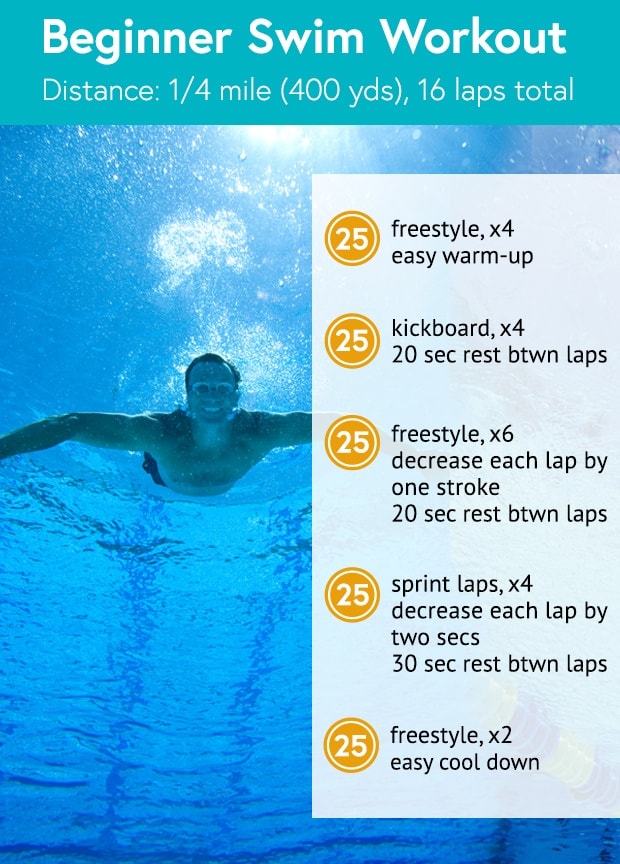
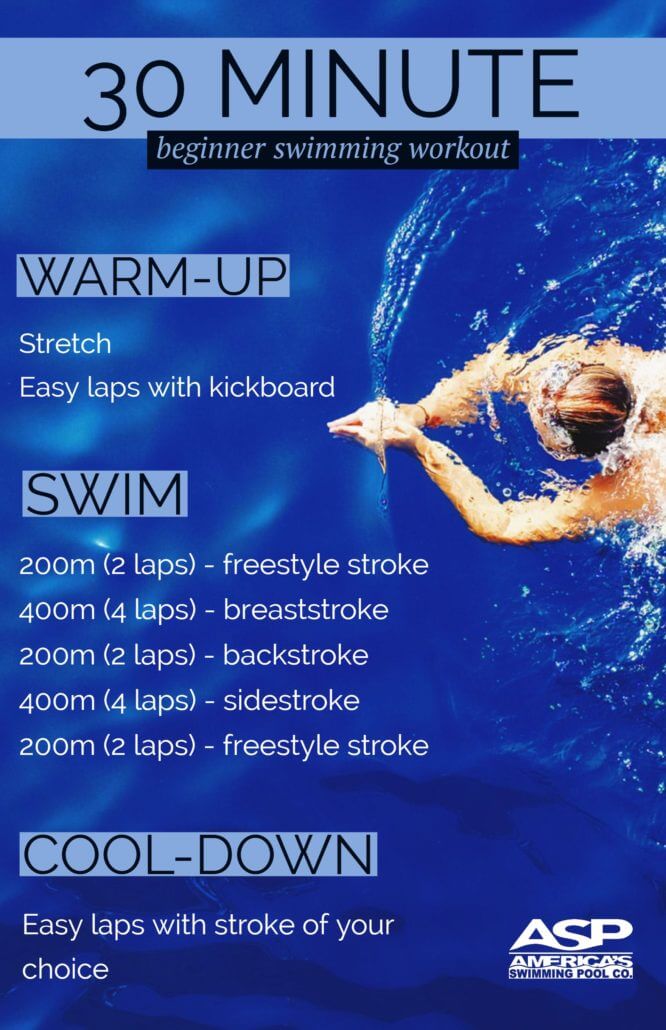
Warming up is crucial. It prepares your body for the workout ahead, reducing the risk of injury. Start with simple stretches for your arms, shoulders, and legs. Consider doing a few laps at a relaxed pace. This helps get your heart rate up and your muscles ready for more strenuous activity.Interval Training
Interval training can be a game-changer in your swimming routine. It mixes short bursts of high-intensity swimming with periods of rest or lower intensity. Try swimming one lap at full speed, followed by two laps at a slower pace. Repeat this set a few times. Adjust the intensity and rest periods based on your fitness level. This approach builds endurance and increases cardiovascular strength.Cool Down Practices
Don’t skip cooling down. It helps your body transition back to rest and prevents muscle soreness. End your session with a few slow laps. Focus on your breathing and let your heart rate gradually decrease. Finish with gentle stretches for your arms, back, and legs. This helps maintain flexibility.Tracking Progress
How do you know if your routine is working? Tracking your progress is essential. It keeps you motivated and allows you to see improvements over time. Consider keeping a swim journal. Record the number of laps, time spent, and how you feel after each session. Use a fitness tracker or app to monitor your swimming metrics. Seeing your progress in numbers can be incredibly rewarding. Building a routine takes time and patience. But once it’s in place, you’ll find that swimming becomes not just a workout, but a part of your lifestyle. What small step can you take today to start building your routine?Overcoming Common Challenges
Starting a swimming routine can be tough for beginners. Challenges like breath control and technique might seem daunting. Regular practice and patience help build confidence, making fitness goals achievable.
Swimming is an excellent fitness activity that offers a full-body workout while being easy on the joints. However, as a beginner, you might encounter several challenges that can hinder your progress. Addressing these obstacles head-on can make your swimming journey both rewarding and enjoyable. Let’s dive into some common challenges and learn how to overcome them.Dealing With Water Fear
Fear of water is a hurdle many beginners face. It’s natural to feel anxious, but remember that you are not alone. Start by familiarizing yourself with water in a controlled environment, like a shallow pool. Focus on breathing exercises to calm your nerves. Practice submerging your face in water and blowing bubbles. This can help you get comfortable gradually. Consider joining a class with an experienced instructor. They can provide guidance and reassurance to boost your confidence.Improving Endurance
Building endurance takes time and patience. Start with short sessions and gradually increase your duration. Aim to swim continuously for just a few minutes at first. Include interval training in your routine. Swim a lap at a comfortable pace, then rest briefly before repeating. This helps in enhancing stamina. Track your progress and celebrate small victories. How long can you swim without stopping now compared to last week? This keeps motivation high and helps you stay committed.Correcting Technique Flaws
Poor technique can lead to inefficient swimming and frustration. Pay attention to your form; keep your body streamlined and make sure your kicks are not too splashy. Consider video tutorials or seek feedback from a coach. They can spot errors and suggest improvements. Practice regularly. Consistent effort allows your body to adapt and perfect your swimming technique. Notice how your body feels when you swim correctly, and try to replicate that feeling. By addressing these challenges one step at a time, you can transform your swimming experience. Have you faced any of these challenges, and if so, how did you overcome them? Your insights could inspire others on their aquatic journey.Staying Motivated
Swimming offers a refreshing way to stay fit for beginners. Setting small goals keeps motivation high. Celebrate each achievement, no matter how small, to maintain enthusiasm.
Staying motivated in your swimming journey can be a challenge, especially if you’re just starting out. The initial enthusiasm may wane after a few weeks, leaving you wondering how to keep pushing forward. This is where setting clear goals and finding support can make a significant difference in your fitness routine.Joining A Swim Club
Joining a swim club can be a game-changer for beginners. You’ll find yourself surrounded by like-minded individuals who share your passion. This sense of community can provide the encouragement and accountability you need to stay on track. Swim clubs often have structured sessions that cater to different skill levels. This means you can progress at your own pace without feeling overwhelmed. Plus, having a coach can offer personalized tips to improve your technique and speed. Think about the friendships you could make. Having a buddy in the lane next to you can make those early mornings much more enjoyable. They might even become your biggest cheerleader, celebrating every small victory with you.Setting Milestones
Setting realistic milestones is crucial for maintaining motivation. Start by identifying what you want to achieve. Is it swimming a certain distance without stopping, or improving your lap time? Break down your goals into smaller, manageable steps. For example, if your aim is to swim 1,000 meters, begin with 200 and gradually increase. This approach makes your goals feel attainable and less daunting. Regularly track your progress. Keep a journal or use a swimming app to log your achievements. This not only keeps you motivated but also helps you see how far you’ve come.Celebrating Achievements
Celebrating your achievements, no matter how small, is essential. Did you swim an extra lap today? That’s worth acknowledging. Reward yourself with something you enjoy, like a relaxing bath or a favorite snack. Share your successes with friends or family. Their positive feedback can boost your confidence and drive. You might even inspire someone else to start their own fitness journey. Reflect on your progress and the obstacles you’ve overcome. Remember the day you first hit the pool? Look how far you’ve come since then. Every step forward is a testament to your dedication and hard work. Staying motivated is about finding joy in the journey, not just the destination. How will you keep your passion for swimming alive?Safety Tips
Starting a swimming routine requires focus on safety. Beginners should always warm up before entering the pool. Ensure a lifeguard is present or swim with a buddy to prevent accidents.
Swimming is a fantastic way to stay fit, but it’s important to prioritize safety, especially for beginners. As you dive into this new fitness journey, being aware of essential safety tips can make your experience both enjoyable and secure. Whether you’re swimming laps or just enjoying the water, these guidelines will ensure you’re swimming smartly.Understanding Pool Etiquette
Pool etiquette is vital for a smooth experience. Always shower before entering the pool. It keeps the water clean and shows respect for others. Share your lane. If the pool is crowded, be ready to split lanes with other swimmers. This not only helps manage space but also builds a sense of community. Be mindful of your surroundings. If you need to take a break, move to the side to allow others to pass without interruption.Recognizing Personal Limits
Understanding your limits is crucial. Always listen to your body. If you’re feeling tired, take a rest. Start slow and gradually increase your swimming duration. This prevents overexertion and helps build endurance over time. Think about how you feel after a swim. Are you energized or exhausted? This reflection can guide your future sessions.Preventing Injuries
Injury prevention is key to a long-term swimming routine. Always warm up before you start. Simple stretches can prepare your muscles for the workout. Use proper gear, like goggles, to protect your eyes and enhance visibility. This reduces strain and helps you stay focused. Stay hydrated. Even though you’re in water, swimming is a workout that can deplete your body’s fluids. Drinking water before and after your swim keeps you refreshed. Swimming is not just about moving through water; it’s about moving with awareness. Each time you enter the pool, remember these tips to ensure your safety and enhance your swimming experience. How do these safety tips change your approach to swimming for fitness?
Credit: dailyburn.com
Frequently Asked Questions
How Long Should A Beginner Swim Workout Be?
A beginner swim workout should last 20 to 30 minutes. Focus on building endurance and proper technique. Gradually increase duration as you become more comfortable and confident in the water. Consistency is key for improvement and enjoyment. Always listen to your body to avoid overexertion.
Can I Get Fit Just By Swimming?
Swimming is an excellent full-body workout that improves cardiovascular health and builds muscle. It helps burn calories and enhances flexibility. Combining swimming with a balanced diet and other exercises maximizes fitness results. Swimming alone can lead to significant fitness improvements if done consistently and with intensity.
What Is The 80 20 Rule In Swimming?
The 80/20 rule in swimming involves 80% easy, low-intensity training and 20% high-intensity workouts. This method improves endurance and performance efficiently. Swimmers benefit from balancing effort and recovery. It helps optimize training sessions without overexertion, leading to better results.
How To Start Swimming For Exercise As A Beginner?
Begin with short swimming sessions, ideally 20-30 minutes. Focus on basic strokes like freestyle. Gradually increase duration as stamina builds. Use swim aids like kickboards for support. Consider joining a beginner class to learn proper techniques. Always warm up before swimming to prevent injuries.
Conclusion
Swimming is a fun way to stay healthy. Start slow, and enjoy the water. Build confidence with each stroke. Mix up routines to keep things interesting. Always listen to your body. Rest if you feel tired. Swimming can boost your mood and energy.
It’s a great workout for everyone. Grab your swimsuit and dive in. Feel the benefits of swimming today. Your journey begins now. Enjoy every splash!








