Are you looking to kickstart your fitness journey but unsure where to begin? You’re not alone.
Many beginners face the same challenge of figuring out how to start exercising and stay motivated. Fitness challenges can be the perfect solution to get you moving and keep you on track. Imagine the thrill of setting a goal, pushing through each day, and finally achieving something you once thought impossible.
Your body transforms, your mind sharpens, and your confidence skyrockets. You’ll discover exciting fitness challenges tailored for beginners like you. These are designed to be fun, achievable, and rewarding. We’ll explore how you can integrate them into your routine and make fitness a sustainable part of your life. Get ready to ignite your passion for fitness and start seeing real results. You’ll learn how small steps can lead to big changes. Keep reading to find the perfect challenge that suits your lifestyle and goals.
Credit: www.womenshealthmag.com
Setting Goals
Setting goals is crucial for beginners embarking on fitness challenges. Clear goals provide direction and motivation. They help track progress and stay focused. Goals should be specific and achievable. They should reflect personal aspirations and capabilities. Let’s explore how to set effective goals for your fitness journey.
Identifying Personal Objectives
Personal objectives guide your fitness journey. Think about what you want to achieve. Do you want to lose weight, build strength, or improve endurance? Identifying your objectives helps tailor your fitness plan. Consider your lifestyle and preferences. Choose goals that excite and motivate you. This ensures you stay committed and enjoy the process.
Creating A Realistic Timeline
Timelines are essential for achieving goals. Set a timeframe that is realistic and achievable. Consider your current fitness level. Plan milestones for tracking progress. Avoid setting a timeline that is too short. This can lead to frustration and burnout. A realistic timeline encourages steady progress. It keeps you motivated and focused on your objectives.
Choosing The Right Challenge
Choosing the right fitness challenge can transform your health journey. Beginners often feel overwhelmed by the options available. Picking a challenge that matches your goals and fitness level is key. This ensures you stay motivated and achieve results. Below, we explore different types of challenges and how to find the right fit for you.
Types Of Fitness Challenges
Fitness challenges come in various forms. Some focus on strength, others on cardio or flexibility. 30-day squat challenges target leg strength and endurance. Push-up challenges improve upper body strength. Yoga challenges enhance flexibility and balance. Each type offers unique benefits.
Weight loss challenges aim to shed pounds through guided routines. Step-count challenges increase daily movement and promote heart health. These require consistent effort to reach daily step goals. Choose based on your interests and capabilities.
Finding What Suits You
Understanding your fitness level is essential. Beginners should start with simple challenges. Assess your current abilities and limitations. Consider what activities you enjoy. Enjoyment increases the likelihood of sticking to the challenge.
Set realistic goals. This keeps motivation high and frustration low. Consult a fitness professional if unsure. They can guide you in selecting the right challenge. Remember, every small step counts. Choose a challenge that makes you excited.
Preparing Your Body
Embarking on a fitness journey can be exciting and rewarding. For beginners, preparing your body is essential to stay safe and achieve results. This phase sets the foundation for your fitness success. It helps you avoid injuries and enhances performance. Proper preparation ensures your body is ready for new challenges. Here’s how to prepare effectively.
Importance Of Warm-ups
Warm-ups play a crucial role in fitness routines. They increase blood flow to muscles and prepare them for activity. A good warm-up gradually raises your heart rate. It boosts circulation and activates muscles. This reduces the risk of injury. Spend 5 to 10 minutes warming up before exercising. Simple activities like jogging or jumping jacks work well.
Stretching Techniques
Stretching improves flexibility and muscle coordination. It should be part of every workout session. Begin with dynamic stretches to loosen your body. These involve movement and help increase range of motion. Examples include leg swings and arm circles. Static stretching is best done after workouts. Hold each stretch for 15 to 30 seconds. Focus on major muscle groups like legs, arms, and back. Consistent stretching reduces muscle tightness and soreness.

Credit: www.pinterest.com
Nutrition And Hydration
Starting a fitness journey involves understanding nutrition and hydration. Eating balanced meals fuels your workouts. Drinking enough water keeps your body strong and energized. Both are key for beginners tackling new fitness challenges.
Embarking on a fitness journey is an exciting adventure, especially when you’re just starting out. While exercising is key, nutrition and hydration are equally crucial to achieving your fitness goals. They play a significant role in how you feel, perform, and recover. Let’s dive into the essentials of fueling your body and staying hydrated to ensure you get the most out of your fitness challenges.Fueling Your Body
Eating the right foods can be a game-changer in your fitness journey. Think of food as the fuel your body needs to power through workouts and recover afterward. A balanced diet rich in proteins, healthy fats, and complex carbohydrates can provide sustained energy. Consider adding lean proteins like chicken or tofu to your meals. These help repair muscles and keep you feeling full. Whole grains such as brown rice and quinoa are great for long-lasting energy. Don’t forget your veggies—they’re packed with essential vitamins and minerals. Have you ever noticed how sluggish you feel after a heavy, greasy meal? Opting for lighter, nutrient-dense foods can make a big difference in your energy levels. It’s about finding what works best for your body and making choices that support your fitness goals.Staying Hydrated
Hydration is often overlooked, yet it’s vital for both performance and recovery. Drinking enough water can improve your energy, focus, and even mood during workouts. But how much is enough? A good rule of thumb is to drink at least eight glasses of water a day, but listen to your body. You might need more if you’re sweating heavily or exercising in hot weather. Keeping a water bottle handy can serve as a reminder to sip throughout the day. Imagine you’re on a long hike, and you suddenly feel dizzy and tired. These can be signs of dehydration. Staying hydrated not only helps prevent these issues but also ensures your body functions optimally. Have you ever tracked your water intake? It can be eye-opening to see how much—or how little—you actually drink. Challenge yourself to stay consistent and notice the difference it makes in your daily activities and workouts. By paying attention to what you eat and drink, you’re setting a solid foundation for your fitness journey. What changes will you make to fuel your body and stay hydrated today?Tracking Progress
Beginner fitness challenges provide an excellent way to track progress and stay motivated. Recording workout achievements helps beginners see improvements over time. Simple exercises and consistent practice build confidence and enhance overall fitness levels.
Tracking your progress is vital in any fitness challenge. It helps you see how far you’ve come and where you need to go next. Beginners often feel motivated when they see their progress. It builds confidence and encourages commitment to the fitness journey. Tracking is simple with the right tools.Using Fitness Apps
Fitness apps offer an easy way to monitor progress. They track workouts, steps, and calories. Most apps have user-friendly interfaces. Beginners can set goals and receive reminders. Some apps provide graphs that show progress over time. This visual aid keeps you focused and driven.Keeping A Journal
Writing in a journal is a personal way to track progress. You record daily workouts and feelings. This helps in understanding what works and what doesn’t. Journals can be motivational. Looking back at past entries shows growth. It is a simple method that requires no technology.Staying Motivated
Starting a fitness journey can be challenging, but setting achievable goals keeps motivation high. Beginner-friendly fitness challenges offer a fun way to build strength and endurance. Celebrate small victories to stay inspired and committed.
Staying motivated in fitness can be challenging for beginners. New routines often feel overwhelming. Many start with enthusiasm but struggle to keep going. Motivation is key to success in any fitness journey. It pushes you to keep moving forward. Let’s explore ways to stay motivated.Finding A Workout Buddy
A workout buddy can boost your motivation. They hold you accountable. You feel more committed when someone joins you. Together, you can share goals and challenges. A friend makes workouts fun and social. Choose someone with similar goals. You both can encourage each other. Celebrate progress and learn together. Having a partner makes workouts less lonely.Celebrating Small Wins
Celebrate every small win in your journey. Reaching a new milestone deserves recognition. It could be a longer run or lifting heavier weights. These achievements show progress. They boost your confidence and motivation. Write down your successes. Share them with friends or family. Small celebrations keep you excited and engaged. They remind you of your hard work and dedication. Keep celebrating your wins, no matter how small.Handling Setbacks
Fitness challenges can be exciting. Yet, setbacks often surprise beginners. They can dampen enthusiasm quickly. Addressing these setbacks is crucial for success. This section explores common obstacles. It provides solutions to keep you on track.
Dealing With Injuries
Injuries are common in fitness journeys. They can be disheartening. The first step is rest. Giving your body time to heal is essential. Pushing through pain worsens injuries. Consult a professional if pain persists. Modify your routine to avoid strain. Focus on exercises that don’t hurt. Consider yoga or swimming as alternatives. These activities are gentle and effective.
Overcoming Plateaus
Plateaus are frustrating. Progress seems to halt. It’s normal in any fitness journey. Switching up your routine can help. Try new exercises or increase intensity. Small changes can reignite progress. Nutrition also plays a role. Adjust your diet for better results. Tracking progress keeps you motivated. Celebrate small victories along the way.
Long-term Fitness Strategies
Starting a fitness journey can be exciting yet daunting. Long-term fitness strategies help beginners stay motivated and achieve lasting results. They focus on sustainable practices to build a healthy lifestyle. These strategies aim for gradual progress, making fitness a permanent part of life.
Building Consistent Habits
Consistency is key to any fitness plan. Begin with small, achievable goals. Set a regular schedule for workouts. Incorporate fitness into daily life. Choose activities you enjoy to maintain interest. Track progress to see improvements. Celebrate small victories to stay motivated.
Exploring New Challenges
Trying new activities keeps fitness exciting. Experiment with different workouts. Join a fitness class or group. Explore outdoor activities like hiking. Each new challenge builds strength and confidence. Diversifying workouts prevents boredom. It also targets different muscle groups.

Credit: www.facebook.com
Frequently Asked Questions
What Is The 321 Rule In Fitness?
The 321 rule in fitness involves 3 cardio exercises, 2 strength exercises, and 1 core exercise. This approach balances workout intensity, promoting overall fitness and efficiency. It offers variety, enhances cardiovascular health, builds strength, and improves core stability, making workouts engaging and effective.
How Should A Beginner Get Into Fitness?
Start with simple exercises like walking or bodyweight workouts. Set realistic goals and stay consistent. Focus on proper form to avoid injuries. Gradually increase intensity as your fitness improves. Stay hydrated and maintain a balanced diet to support your fitness journey.
Do 30 Day Fitness Challenges Actually Work?
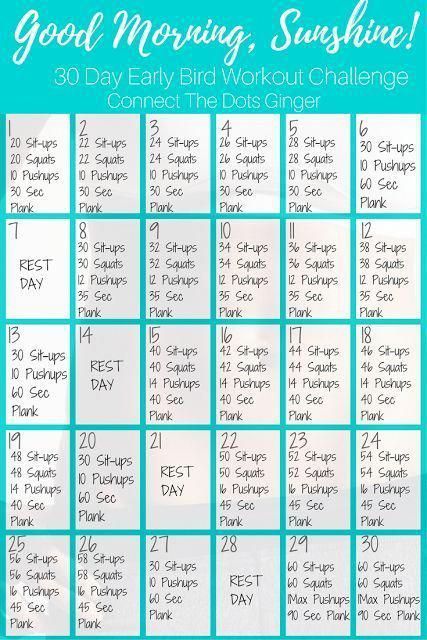
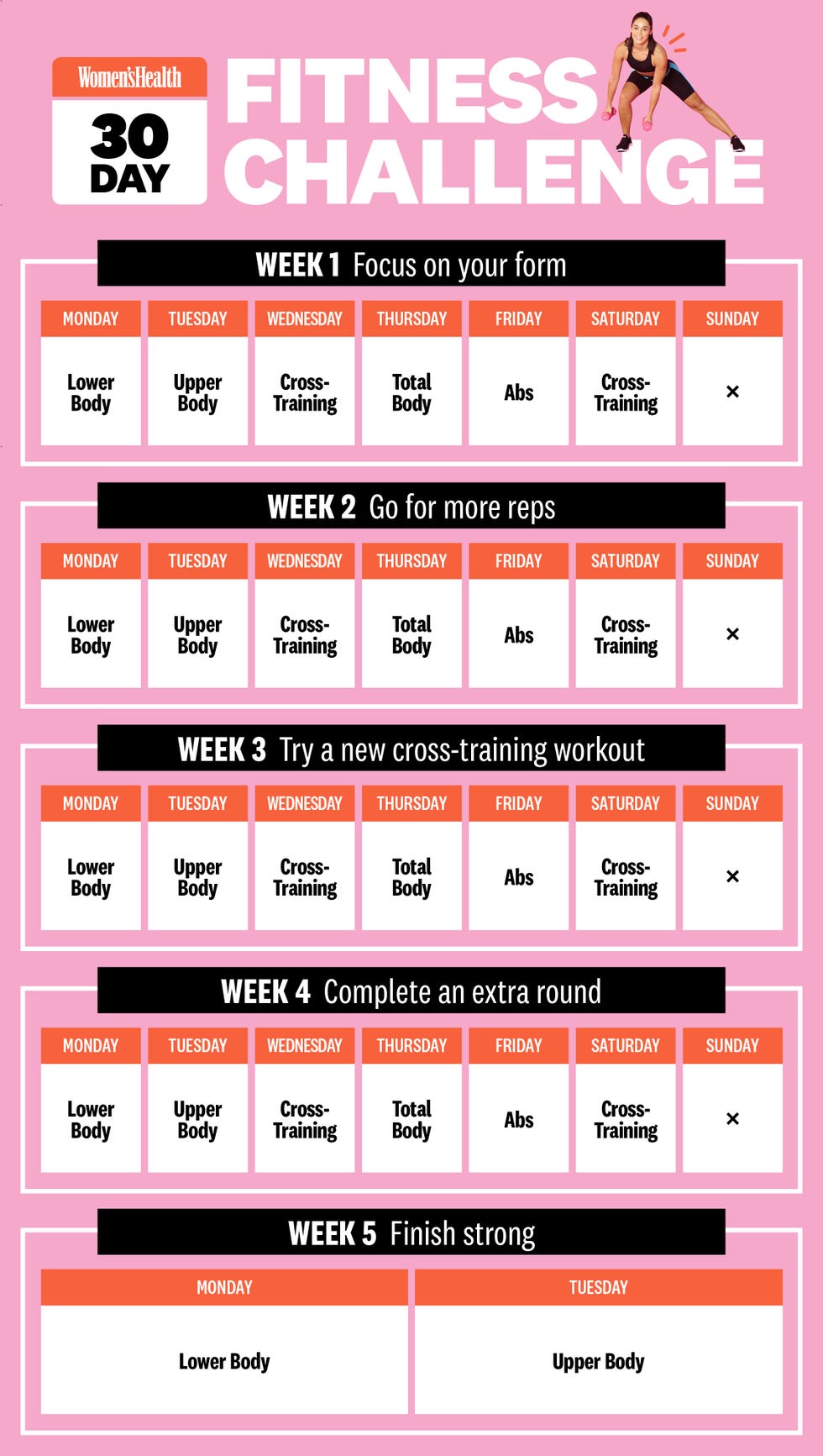
30-day fitness challenges can boost motivation and establish routine. Results vary based on individual effort and consistency. Short-term goals may improve strength, endurance, and habits. Combining challenges with a balanced diet enhances effectiveness. Sustaining progress requires ongoing commitment beyond 30 days.
What Is The 10 3 1 7 Fitness Plan?
The 10 3 1 7 fitness plan includes 10 minutes of warm-up, 30 minutes of exercise, 10 minutes of meditation, and 7 days of consistency. This routine enhances physical health and mental well-being. It suits various fitness levels and promotes a balanced lifestyle.
Conclusion
Starting a fitness journey can be exciting and rewarding. Beginners often find challenges motivating and fun. These challenges build strength and boost confidence. Remember, consistency is key. Set realistic goals. Celebrate small victories. Stay committed to your routine. Gradually, your progress will shine.
Enjoy the journey at your own pace. Discover what works best for you. Embrace the challenges and stay positive. Your fitness adventure is personal and unique. Keep moving forward. Success comes with patience and dedication. Let your journey inspire others.
Fitness challenges can transform your life, one step at a time.








