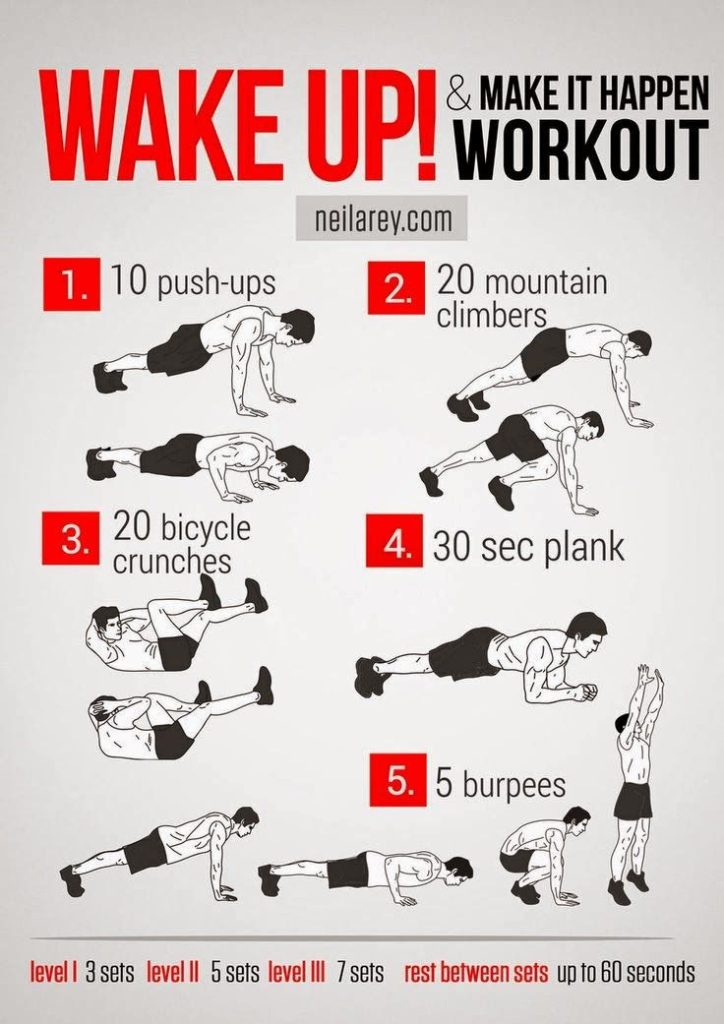
Imagine transforming your living room into a personal fitness sanctuary. No expensive gym memberships, no commuting hassles—just you and your body, working together in harmony to achieve your fitness goals.
Welcome to the world of calisthenic workouts at home, where simplicity meets effectiveness. Calisthenics is more than just a workout; it’s a lifestyle that empowers you to use your body as the ultimate piece of gym equipment. With the right techniques, you can build strength, enhance flexibility, and boost your endurance—all within the comfort of your home.
Are you ready to discover how you can harness the power of your body weight to become fitter, stronger, and more confident? Stick around, because we’re diving into the essential tips, exercises, and routines that will make your home workout not just a temporary fix, but a permanent lifestyle change.
Benefits Of Calisthenics
Calisthenic workouts at home offer flexibility and convenience. They improve strength, balance, and endurance using your body weight. Enjoy a full-body workout without needing equipment or a gym membership.
Calisthenics, a form of exercise using your own body weight, has become a favorite workout choice for many. It not only transforms your body but also enhances your overall health. The benefits are numerous and can be experienced right from the comfort of your home.Improves Strength And Flexibility
Calisthenics is perfect for building strength without needing heavy weights. Simple exercises like push-ups and squats can significantly enhance your muscle strength. Plus, it improves flexibility, helping you move more freely in daily activities.Cost-effective Fitness
Why spend money on expensive gym memberships when you can achieve great results at home? All you need is your own body weight and some motivation. This makes calisthenics accessible to everyone, regardless of budget.Enhances Mental Health
Exercise is known to boost mental well-being, and calisthenics is no exception. The focus required during these workouts can help clear your mind. You might find yourself feeling more relaxed and less stressed after a session.Variety And Creativity
Calisthenics offers a wide range of exercises, keeping your workouts exciting. You can easily switch up your routine to avoid monotony. Have you ever tried a handstand or a plank challenge? They can be fun and rewarding.Promotes Functional Fitness
The exercises mimic everyday movements, improving your ability to perform daily tasks. This functional fitness ensures you’re not just strong, but capable in real-life situations. Imagine lifting heavy grocery bags or playing with your kids without straining.Boosts Cardiovascular Health
Calisthenics can get your heart pumping, improving cardiovascular health. Exercises like burpees and jumping jacks are effective for raising your heart rate. This boosts your endurance and keeps your heart healthy.Encourages Consistency
Working out at home makes it easier to stick to a routine. You can squeeze in a quick session whenever you have a few spare minutes. Consistency is key to seeing results, and calisthenics makes it manageable. Have you considered starting a calisthenics routine at home? The benefits are clear and impactful, making it a worthwhile endeavor. With no equipment needed, what’s holding you back from giving it a try?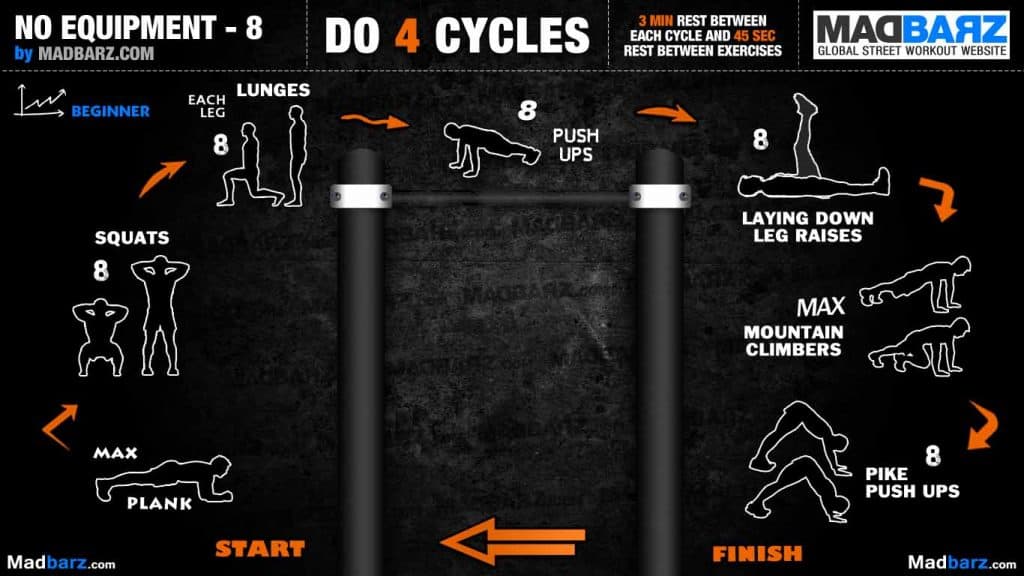
Credit: biostrap.com
Getting Started At Home
Embarking on a calisthenic workout journey at home is both exciting and rewarding. This form of exercise relies on using your own body weight for resistance. It’s perfect for building strength, flexibility, and endurance without needing fancy equipment. Starting at home gives you the freedom to tailor your routine to fit your lifestyle. Let’s explore how to set up your space for effective workouts.
Essential Equipment
You don’t need much to begin calisthenics at home. A sturdy pull-up bar is a great investment. It supports various exercises like pull-ups and chin-ups. Resistance bands can add variety to your workouts. They are versatile and affordable. A yoga mat helps you stay comfortable during floor exercises. It also provides grip for safety. Consider purchasing a pair of parallel bars. They are excellent for practicing dips and L-sits. With these few items, you can create a solid foundation for your routine.
Setting Up Your Space
Choose a dedicated area for your workouts. It should be spacious enough to move freely. Make sure the floor is firm and level. Clear away clutter to avoid accidents. Good ventilation is essential. A fan or open window can help. Bright lighting keeps the mood energetic. Put your equipment within easy reach. Organize items neatly to save time during workouts. Personalize your space with motivational posters. They can keep you inspired and focused. This setup ensures a productive and enjoyable workout environment.
Basic Calisthenic Exercises
Calisthenics offer a fantastic way to exercise at home. You need no equipment. Just your body and a little space. These exercises build strength and flexibility. They are perfect for beginners. Let’s explore three basic calisthenic exercises.
Push-ups
Push-ups strengthen arms, chest, and shoulders. Start in a plank position. Keep hands shoulder-width apart. Lower your body until elbows are at 90 degrees. Push back up to the starting position. Repeat for several reps. Keep your body straight throughout the exercise.
Squats
Squats tone legs and glutes. Stand with feet shoulder-width apart. Lower your body as if sitting in a chair. Keep your back straight and chest up. Return to the standing position. Squats improve balance and core strength. Do several reps for effective results.
Planks
Planks strengthen your core. Start by lying face down. Raise your body on your forearms and toes. Keep your body straight. Hold this position for as long as possible. Planks improve posture and endurance. Remember to breathe steadily.
Intermediate Moves
Ready to elevate your home workout? Intermediate calisthenic moves offer a challenge. These exercises build strength and improve endurance. They need focus and practice. Dive into these moves to enhance your routine.
Pull-ups
Pull-ups target your back, shoulders, and arms. Hang from a sturdy bar. Keep your hands shoulder-width apart. Pull yourself up until your chin passes the bar. Lower yourself slowly. Maintain control for the best results. Start with a few reps and increase over time.
Dips
Dips are excellent for triceps and chest. Use parallel bars or a sturdy chair. Lower your body by bending your elbows. Keep your body straight. Push back up to the starting position. Aim for smooth and steady motions. Gradually increase the number of dips as you gain strength.
Lunges
Lunges work your legs and core. Stand tall with feet together. Step forward with one leg. Lower your body until both knees are at 90 degrees. Keep your front knee above your ankle. Push back to the start. Alternate legs with each rep. Maintain a steady pace for balance and effectiveness.
Advanced Techniques
Calisthenics offers a dynamic way to build strength using your body weight. Advanced techniques can push your limits and enhance your workout. These exercises require practice and focus, yet they offer incredible benefits. Let’s explore muscle-ups, handstands, and pistol squats.
Muscle-ups
Muscle-ups combine pull-ups and dips in one fluid motion. Start with a strong pull-up, then transition over the bar. Use your arms to push upwards. This move builds upper body strength and improves coordination. Focus on form. Engage your core for stability.
Handstands
Handstands challenge balance and strength. Begin by practicing against a wall. Kick up gently, keeping your body straight. Engage your core and shoulders. Over time, improve your balance and try freestanding handstands. This exercise strengthens arms and enhances body awareness.
Pistol Squats
Pistol squats are single-leg squats that test balance and leg strength. Extend one leg forward while squatting on the other. Keep your chest up and engage your core. These squats improve flexibility and stability. Start with assisted squats using a chair or wall for support.

Credit: ca.pinterest.com
Creating A Workout Plan
Crafting a calisthenic workout plan at home offers flexibility and simplicity. Focus on exercises like push-ups, squats, and planks to build strength. Gradually increase repetitions to challenge your muscles and enhance fitness levels.
Creating a workout plan for your calisthenic routine at home is like building a roadmap to your fitness success. It’s essential to have a clear plan that not only keeps you motivated but also ensures that you’re consistently challenging your body. When you design your workout plan, think of it as crafting a personalized blueprint that fits your unique goals and lifestyle.Setting Goals
Setting specific goals is the first step to crafting your workout plan. Do you want to build strength, increase endurance, or perhaps master a new skill like the handstand? Defining your goals helps you focus your efforts and stay motivated. Think about what you want to achieve in the next month or even the next six months. Write these goals down. They serve as a constant reminder of why you started.Tracking Progress
Tracking your progress is crucial in any fitness journey. It keeps you accountable and shows you how far you’ve come. Use a journal or a fitness app to log your workouts and track improvements. Celebrate small victories along the way. Did you manage one more push-up than last week? That’s progress! Recognizing these achievements keeps you motivated. Creating a workout plan is not just about what exercises to do, but how you keep yourself motivated and on track. Have you thought about what your fitness goals are? How will you measure your progress? These questions are vital in crafting a plan that works for you.Nutrition For Calisthenics
Calisthenics requires strength, endurance, and flexibility. Proper nutrition supports these demands. It fuels workouts and aids recovery. Balanced nutrition enhances performance and well-being. Focus on key nutrients. Eat a variety of foods. This ensures the body gets what it needs.
Balancing Macronutrients
Protein, carbohydrates, and fats are essential. Each plays a different role. Protein builds and repairs muscles. Carbohydrates provide energy. Fats support hormone function. Balance these macronutrients for optimal results. Include lean meats, whole grains, and healthy fats in your diet. Consider plant-based proteins as well. Beans, lentils, and nuts are great options.
Hydration Importance
Staying hydrated is crucial. Water regulates body temperature. It lubricates joints and transports nutrients. Dehydration affects performance and recovery. Drink water throughout the day. Monitor your urine color. Light yellow indicates proper hydration. Increase intake during workouts. Consider sports drinks for long sessions. They replenish electrolytes and energy.
Staying Motivated
Staying motivated during calisthenic workouts at home can be challenging. The lack of a gym environment might make it harder to stick to your routine. To keep your enthusiasm high, it’s essential to have strategies that boost your morale.
Setting Milestones
Setting milestones helps track progress and keeps you engaged. Start by defining realistic goals for your workouts. For example, aim to increase the number of push-ups each week. Celebrate small victories to maintain motivation. Achieving these milestones gives a sense of accomplishment. It fuels your desire to continue pushing forward.
Joining Online Communities
Joining online communities provides support and encouragement. Find groups where members share their fitness journeys. Participate in discussions and ask questions. Share your achievements and challenges. These communities can offer valuable advice and tips. They help keep you committed and inspired.
Avoiding Common Mistakes
Calisthenics offers a fantastic workout option at home, but it’s easy to fall into common pitfalls that can hinder your progress. Avoiding these mistakes can ensure your workout is effective and safe. Let’s dive into two critical areas where many enthusiasts often go wrong: overtraining and proper form.
Overtraining Risks
When you start seeing results, it can be tempting to push harder and longer. However, overtraining can lead to fatigue and even injury. Balance is key. Listen to your body and give yourself time to recover. Rest days are not laziness; they are essential for muscle growth and overall health.
I once ignored rest days, thinking they would slow me down. Instead, I ended up with a strained muscle that set me back weeks. Ask yourself, is pushing a little harder worth losing momentum?
Consider using a workout journal to track your progress and rest. This can help you identify patterns and avoid burnout. A simple planner can make a significant difference.
Proper Form
Proper form is crucial to avoid injury and maximize gains. It’s easy to rush through exercises, but doing so can lead to incorrect technique. Focus on each movement and ensure you’re engaging the right muscles.
Once, during a push-up session, I realized my elbows flared out too much, straining my shoulders. Correcting my form not only felt better but improved my strength.
Try practicing in front of a mirror or recording yourself to check your form. Are your movements smooth and controlled? Small adjustments can lead to big improvements.
Remember, calisthenics is about mastering your body weight. Perfecting your form is as important as the number of reps. Are you prioritizing quality over quantity in your workouts?
Incorporating Flexibility And Mobility
Calisthenic workouts are not just about building strength and endurance; they also enhance your flexibility and mobility. These elements are crucial in preventing injuries and improving your overall performance. By adding stretching routines and yoga, you can achieve a well-rounded fitness regimen that serves your body’s needs.
Stretching Routines
Stretching is an essential component of calisthenic workouts. It prepares your muscles for movement and helps maintain their elasticity. Incorporate dynamic stretches like leg swings and arm circles before your workout to warm up your muscles.
Static stretches are perfect for cooling down. Focus on areas like your hamstrings and shoulders. Hold each stretch for about 30 seconds. This not only boosts your flexibility but also aids muscle recovery. Have you ever felt sore after a workout? Stretching can greatly reduce that discomfort.
Yoga For Calisthenics
Yoga complements calisthenics by promoting balance and core strength. As a former skeptic, I found yoga incredibly beneficial in improving my mobility. Try poses like the Downward Dog and Warrior. They enhance your range of motion and stabilize your joints.
Integrate yoga sessions into your weekly routine. Even a short 15-minute practice can make a difference. Feel the tension melt away as you stretch and hold each pose. Isn’t it amazing how these simple movements can transform your body?
By adding flexibility and mobility exercises into your calisthenic routine, you not only improve your workout but also enjoy greater freedom in movement. What changes have you noticed in your flexibility journey?
Tracking Your Progress
Monitoring your progress during calisthenics workouts at home helps in keeping motivated and tracking improvement. Use a notebook or app to record daily exercises, reps, and sets. Regularly review this data to adjust your workout plan and set new goals.
Tracking your progress in calisthenic workouts at home can be both motivating and informative. It’s easy to lose track of improvements when you don’t monitor your efforts. Seeing tangible progress can fuel your motivation and refine your workout strategy. How do you know if you’re getting stronger or just going through the motions? Let’s dive into two practical methods to keep tabs on your fitness journey.Using Fitness Apps
Fitness apps are like having a personal coach in your pocket. They can track your reps, time, and even give you reminders to stick to your plan. Many apps offer community features, connecting you with others on a similar path for added motivation. Imagine finishing a workout and instantly seeing how today’s push-ups compare to last week’s. It’s a satisfying feeling. Plus, some apps provide detailed analytics to help you understand your strengths and areas for improvement. You’ll be surprised by how much data can help streamline your fitness journey. The real magic of these apps is their adaptability. Whether you’re a beginner or a seasoned athlete, there’s an app tailored for you. Have you tried using a fitness app yet? You might find it’s just what you need to hit those goals.Keeping A Workout Journal
A workout journal is more than a record; it’s a motivational tool. Writing down your exercises, sets, and reps brings clarity to your progress. It’s a simple way to reflect on your journey and celebrate small victories. Jot down notes about how you felt during each session. Did you feel stronger? Were certain exercises more challenging than usual? These insights can guide your future workouts. Perhaps it’s time to increase your reps or try a new routine. Keeping a journal can also reveal patterns. Maybe you perform better in the mornings or notice improvements with specific exercises. What discoveries have you made about your workout habits? You might find that tracking your progress is the key to unlocking your potential. Ultimately, finding a method that suits you is crucial. Whether through digital apps or traditional journaling, your tracking system should inspire and drive you forward.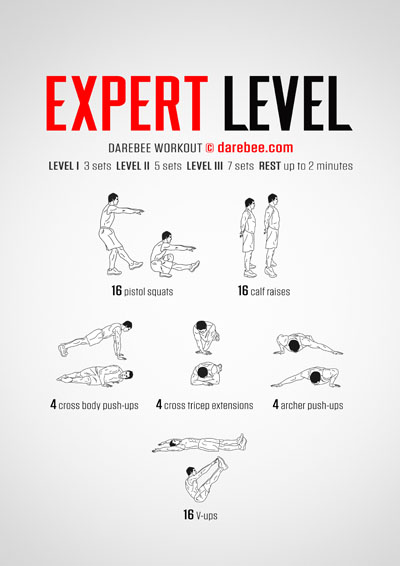
Credit: darebee.com
Frequently Asked Questions
Is 20 Minutes Of Calisthenics A Day Enough?
Yes, 20 minutes of calisthenics daily can improve fitness and strength. Consistency is key for results. Adjust intensity and exercises for your goals.
Is It Possible To Train Calisthenics At Home?
Yes, you can train calisthenics at home effectively. It requires minimal equipment and offers versatile exercises. Focus on bodyweight exercises like push-ups, squats, and pull-ups. Create a routine that suits your fitness level. Online tutorials and apps can guide your progress.
Stay consistent and track your improvements regularly.
What Is The 80/20 Rule In Calisthenics?
The 80/20 rule in calisthenics suggests focusing 80% of your efforts on fundamental exercises. These exercises provide the most benefits. Spend the remaining 20% on advanced movements for variety and challenges. Prioritizing basics ensures efficient progress and helps build strength effectively.
This approach maximizes results with minimal time investment.
Can I Build Muscle Just Doing Calisthenics?
Yes, you can build muscle with calisthenics. It involves exercises using your body weight. Consistency is key. Focus on progressive overload by increasing reps, sets, or difficulty. Exercises like push-ups, pull-ups, and squats are effective. Combine with proper nutrition for optimal results.
Conclusion
Calisthenic workouts at home offer great benefits. They build strength and flexibility. No gym needed. Just your body weight and a bit of space. Perfect for busy schedules. You can start anytime. Progress at your own pace. Consistency is key.
Enjoy the process. Feel healthier and stronger over time. Remember, listen to your body. Rest when needed. Stay motivated and have fun. With dedication, you’ll see results. Your fitness journey can begin today. Start small and keep going. You’ve got this.
Embrace your new routine. A healthier lifestyle awaits. Happy training!








