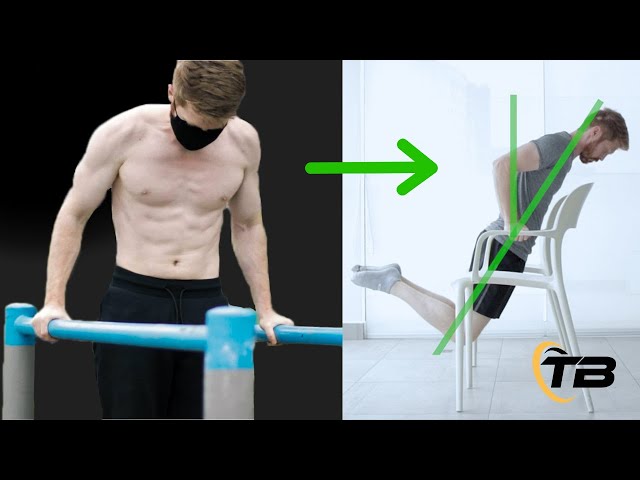
Feeling stuck in your fitness routine? Looking for a powerful, yet simple exercise to spice things up?
Chest dips might just be the game-changer you need. Imagine sculpting your chest, shoulders, and triceps—all from the comfort of your home. You don’t need fancy gym equipment or a personal trainer to get started. With just a sturdy chair or parallel bars, you can transform your upper body strength and achieve those fitness goals you’ve been dreaming about.
But why should chest dips be your next workout staple? Keep reading to uncover the benefits and learn how you can master this effective exercise right in your living room. Your ultimate home workout transformation begins here.
Benefits Of Chest Dips
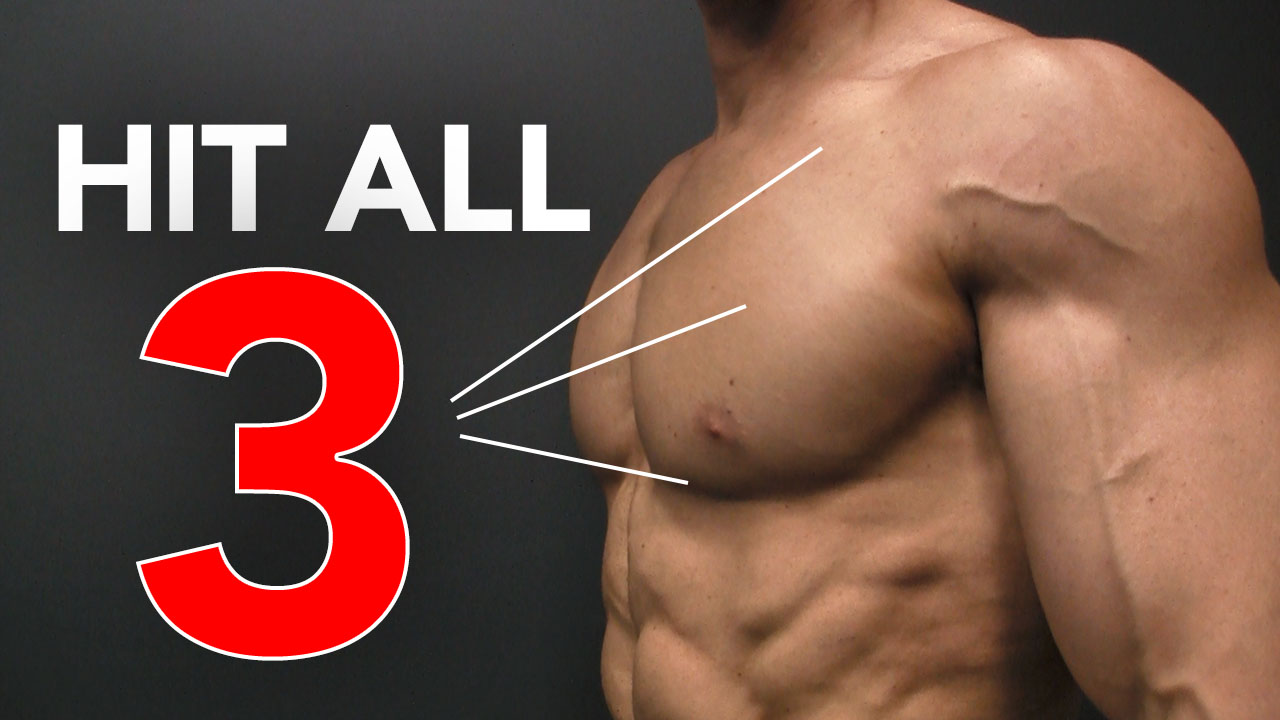
Chest dips offer remarkable benefits for your fitness routine. This simple exercise targets multiple muscle groups, enhancing your upper body strength. Performing chest dips at home can lead to significant muscle growth. Let’s explore the key benefits of incorporating chest dips into your workout.
Strengthen Chest Muscles
Chest dips are excellent for building strong chest muscles. As you dip, the movement engages the pectoral muscles deeply. This helps in developing a defined and muscular chest. Regular practice enhances muscle endurance and strength in this area.
Enhance Tricep Definition
Triceps play a crucial role in chest dips. The downward motion targets these muscles effectively. This leads to improved definition and muscle tone. Over time, your triceps become more pronounced. The exercise helps in achieving toned arms.
Improve Shoulder Stability
Chest dips contribute to shoulder stability. The exercise requires balance and control. This enhances the strength of shoulder stabilizers. As a result, your shoulders become more resilient. It reduces the risk of injury during other activities.
Credit: learn.athleanx.com
Setting Up A Home Dip Station
Setting up a home dip station enhances chest workouts. Use sturdy chairs or parallel bars for effective dips. Engage your chest, arms, and shoulders with controlled movements.
Setting up a home dip station can transform your chest workout routine into an efficient and effective practice. Imagine being able to perform chest dips without the need to visit a gym. This setup can be both simple and cost-effective, allowing you to maintain your fitness goals right from your living room or garage.Using Parallel Bars
Parallel bars are a fantastic option for home dip stations. They are sturdy and provide excellent support for your body weight. You can find these bars in sporting goods stores or online. Look for ones that are adjustable in height, ensuring they fit your body perfectly. Once set up, test their stability with gentle pressure before proceeding with your workout. Don’t rush; the right setup will enhance your performance and prevent injuries.Creating Diy Dip Bars
If you’re into DIY projects, creating your own dip bars can be an exciting endeavor. Use materials like PVC pipes or steel pipes, which are affordable and easy to work with. Assemble them into a stable structure that can support your weight. Ensure each joint is secure, and the bars are at a comfortable width apart. A personal story: I once built dip bars with PVC pipes, only to realize the importance of double-checking every connection. That experience taught me the value of patience and precision.Safety Precautions
Safety is paramount when setting up your dip station. Check the surface where you’ll place the bars; it should be non-slip to avoid any accidents. Position the bars on a flat, even surface for stability. Regularly inspect your equipment for any wear and tear. Use a mat underneath to cushion any impact if you lose your balance. Always listen to your body. If something feels off, adjust your setup or take a break. Have you considered the potential of your home space for fitness? With careful preparation, your home can be a sanctuary for healthy living.Proper Form And Technique
Chest dips are a fantastic workout to build upper body strength, especially targeting your chest, triceps, and shoulders. But to make the most out of your dips, mastering the proper form and technique is crucial. A slight error in positioning can lead to ineffective workouts or even injury. Let’s dive into the specifics to ensure you’re doing chest dips correctly at home.
Body Positioning
Start by standing between two sturdy chairs or parallel bars. Keep your body upright and maintain a tight core. Lean slightly forward to emphasize chest engagement. Avoid slumping your shoulders; instead, keep them back and down. This not only helps in targeting the right muscles but also prevents strain.
Imagine your spine as a straight line from your head to your feet. This alignment is key to effective dips. If you’re unsure about your form, try recording yourself. Watching your workout can reveal areas needing improvement.
Hand Placement
Position your hands firmly on the edges of the chairs or bars. Your grip should be comfortable and secure. Ensure your palms face inward, which provides stability and control. Avoid a loose grip as it can lead to slips or injuries.
Are your wrists aligned with your forearms? Misalignment here can cause discomfort. Adjust your grip if needed, making sure your wrists are straight. This small tweak can make a big difference in your comfort and performance.
Depth And Range Of Motion
Lower your body until your elbows are at a 90-degree angle. Going too deep can strain your shoulders, while stopping too short might not fully engage your chest muscles. Finding the right depth is about balance.
Think about your personal fitness level. Are you comfortable going deeper without pain? Listen to your body and adjust your range accordingly. Remember, quality of movement trumps quantity. Aim for controlled and precise dips rather than rushing through them.
What do you notice when you focus on form over reps? Many find their strength increases and injuries decrease. Give it a try during your next workout.
With these tips, you can confidently tackle chest dips at home. Whether you’re a beginner or seasoned athlete, proper form and technique will maximize your results and keep you safe. Happy dipping!

Credit: in.pinterest.com
Variations Of Chest Dips
Explore different chest dip variations for an effective home workout. Try narrow grips for intense pec engagement. Adjust your body angle to target different muscle areas, enhancing strength and endurance.
Chest dips are a versatile exercise for building upper body strength. There are several variations you can try at home to target different muscle groups. Each variation offers unique benefits and challenges, helping you enhance your workout routine. Explore these variations to find the perfect fit for your fitness goals.Weighted Dips
Adding weight increases the intensity of your dips. Use a backpack or weight belt for extra resistance. This variation targets your chest, triceps, and shoulders more effectively. It helps in building muscle mass and strength. Ensure your form is correct to prevent injuries.Assisted Dips
Assisted dips are great for beginners. Use a resistance band or chair for support. This variation helps you build strength gradually. It reduces the strain on your arms and shoulders. Perfect for improving your form and confidence.Bench Dips
Bench dips are convenient for home workouts. Use a sturdy bench or chair. They target your triceps and lower chest effectively. Adjust your leg position for varying difficulty levels. Keep your elbows close to your body for proper form.Incorporating Dips Into Your Routine
Transform your home workouts with chest dips. Ideal for building strength and muscle, dips target the chest and triceps. Easily performed using sturdy furniture, this exercise offers effective results without needing gym equipment.
Incorporating chest dips into your home workout routine can enhance upper body strength. They target your chest, triceps, and shoulders effectively. This simple exercise requires minimal equipment, making it perfect for home workouts. With consistency and proper technique, chest dips can transform your fitness journey. But how do you integrate them into your routine? Let’s explore some practical strategies.Frequency And Reps
Start with two to three sessions per week. Allow your muscles to rest between sessions. Begin with 8 to 10 reps per set. Aim for two to three sets in each session. As your strength improves, increase your reps gradually.Combining With Other Exercises
Pair dips with push-ups for a balanced workout. Add planks to engage your core muscles. Include squats to develop leg strength. These combinations provide a full-body workout. Keep your routine varied to avoid monotony.Progression Tips
Master basic form before increasing difficulty. Once comfortable, add resistance bands for extra challenge. Consider weighted dips to build more muscle. Maintain proper posture to prevent injuries. Track your progress and adjust your routine as needed.Common Mistakes To Avoid
Chest dips at home can be effective, but common mistakes hinder progress. Avoid leaning too far forward, which strains shoulders. Incorrect arm placement can lead to injury; keep elbows close to your body.
Working out at home has become increasingly popular, and chest dips are a fantastic way to build upper body strength without the need for expensive equipment. However, executing this exercise correctly is crucial for maximizing its benefits and preventing injury. Understanding common mistakes can transform your workout routine from just effective to truly efficient. Let’s dive into these pitfalls, so you can perfect your chest dips workout.Incorrect Elbow Position
Your elbows play a pivotal role in chest dips. If they’re flaring too far out, you’re setting yourself up for shoulder strain. Keep them close to your body to engage the right muscles and protect your joints. When I first started doing chest dips, I thought a wider elbow position would give me a broader chest workout. Instead, it left me with sore shoulders. Keeping your elbows tucked can make a world of difference.Leaning Too Far Forward
It’s easy to lean excessively forward during chest dips, thinking it will target your chest more. However, this can lead to an imbalance and put unnecessary stress on your shoulders. Try maintaining a slightly forward lean without overdoing it. This balance allows you to engage your chest effectively while maintaining shoulder safety. Have you ever noticed discomfort after a session? A slight adjustment in your lean might be the answer.Ignoring Pain Or Discomfort
Pain is a signal, not a challenge to push through. Ignoring discomfort during chest dips can result in serious injuries. If you feel sharp pain or unusual discomfort, stop immediately. Reassess your form and consider reducing the range of motion or number of reps. Remember, listening to your body can prevent setbacks and keep you on track to achieving your fitness goals. How often do you check in with your body’s signals during workouts? It might be time to start.Tracking Progress And Results
Chest dips at home help build upper body strength. Keeping a workout log is crucial for tracking progress. Regularly note repetitions and sets to measure improvement over time.
Tracking your progress in any workout routine, including chest dips at home, is crucial for staying motivated and achieving results. It’s not just about doing the exercises; it’s about seeing how far you’ve come and where you’re headed. By measuring your strength gains, noticing changes in muscle definition, and adjusting workout intensity, you can ensure that your chest dips routine is both effective and rewarding.Monitoring Strength Gains
To see how much stronger you’re getting, keep a simple log of your workouts. Note the number of sets and reps you complete for chest dips each session. Did you manage to squeeze in an extra rep today? That’s progress! Tracking these details helps you visualize your strength gains over time. You can use a notebook or a fitness app—whatever works best for you.Visual Changes In Muscle Definition
Visual changes often tell the story of your hard work. Take photos of your chest and triceps at regular intervals, perhaps every month. You may start noticing more defined lines or a firmer appearance. Don’t shy away from the mirror; it’s a powerful tool for assessing muscle definition. If you’re not seeing the changes you expected, it might be time to tweak your approach.Adjusting Workout Intensity
As you become more adept at chest dips, it’s essential to adjust the intensity to keep challenging your muscles. If your current routine feels too easy, consider adding weights or increasing reps. Have you tried slowing down your reps for increased muscle tension? This can make a significant difference. Remember, your body adapts, so keep pushing your limits to continue progressing. Are you ready to take your chest dips to the next level?
Credit: hardtokillfitness.co
Frequently Asked Questions
How To Do A Dip Without A Dip Machine?
Use parallel bars or sturdy chairs for dips. Grip firmly, lower your body, and push back up. Keep elbows close. Maintain control and balance throughout. Adjust height and width for comfort. Ensure surroundings are safe.
What Is A Good Substitute For Chest Dips?
Push-ups, bench press, and tricep dips are excellent substitutes for chest dips. They effectively target chest muscles. Incline push-ups and dumbbell flys also work well for chest development. Adjust your workout to include these exercises for balanced muscle growth.
What Will 100 Tricep Dips A Day Do?
Performing 100 tricep dips daily can enhance tricep strength, improve muscle tone, and boost endurance. Consistency in this routine may also aid in calorie burning and support upper body stability. Always ensure proper form to prevent injury.
Are Dips Actually Good For The Chest?
Dips effectively target the chest muscles, enhancing strength and definition. They engage the pectoral muscles, shoulders, and triceps, promoting balanced upper body development. Proper form is crucial to maximize benefits and prevent injury. Incorporate dips into your workout routine for improved chest muscle growth and overall upper body strength.
Conclusion
Chest dips offer an effective workout right at home. No fancy equipment needed. Just a sturdy chair or parallel bars. You can build strength and tone muscles. Consistency is key. Start with a few reps and gradually increase. Listen to your body to prevent injury.
Remember to maintain proper form for best results. This exercise can fit into any routine. It’s versatile and convenient. Perfect for beginners and fitness enthusiasts alike. Stay committed, and you’ll see improvements over time. Make chest dips a regular part of your home workout.
Your efforts will pay off.








