Are you looking to build a strong and toned upper body without the hassle of going to the gym? The solution might be simpler than you think!
An effective at-home pull workout can transform your fitness routine, all from the comfort of your living room. Imagine this: a workout that not only fits into your busy schedule but also delivers impressive results. It’s all about making the most of your body weight and a few simple pieces of equipment.
You might be wondering how you can achieve a gym-quality workout at home. The answer lies in targeting those key muscle groups with precision and consistency. This type of workout focuses on exercises that engage your back, shoulders, and arms, helping you build strength, improve posture, and even boost your confidence. Ready to discover how this can work for you? Let’s dive in and explore the ultimate at-home pull workout that can reshape your fitness journey.

Credit: www.instagram.com
Benefits Of Pull Workouts
Pull workouts at home boost upper body strength, enhancing muscle tone and endurance. They focus on back, biceps, and shoulders, promoting balanced fitness without the need for gym equipment. Simple exercises like pull-ups and rows effectively build strength, suitable for any fitness level.
When it comes to home workouts, pull workouts are often overlooked in favor of push or leg routines. Yet, the benefits of pull workouts are numerous and can make a significant difference in your fitness journey. Whether you’re aiming for a stronger back, improved posture, or better overall upper body strength, pull exercises can be a game-changer.Enhanced Muscle Growth
Pull workouts primarily target your back, biceps, and shoulders. By focusing on these muscle groups, you can achieve balanced muscle growth. This not only improves your physique but also boosts your overall strength. Have you ever noticed how some people have a well-defined back that looks great in any outfit? That’s the power of pull workouts at play.Improved Posture
Do you spend hours hunched over a computer or phone? Pull workouts can help correct that. Strengthening your back muscles encourages better posture by pulling your shoulders back and aligning your spine. You’ll stand taller, look more confident, and potentially reduce neck and back pain.Increased Functional Strength
Functional strength is crucial for daily activities, from lifting groceries to playing with your kids. Pull exercises mimic many real-life movements, making these tasks easier. Think about the last time you had to move furniture or carry something heavy. A strong back and biceps make these activities less daunting.Better Balance And Coordination
Pull workouts can improve your balance and coordination. Exercises like pull-ups and rows require stability and control, engaging your core and other stabilizing muscles. Next time you’re trying to maintain balance on uneven ground, you’ll appreciate the stability these workouts offer.Efficient Workouts
Short on time? Pull workouts are efficient and can be done with minimal equipment at home. Resistance bands or a pull-up bar can provide a comprehensive workout without the need for a gym. You can achieve impressive results with just a few focused sessions each week. Are you ready to add pull workouts to your routine and experience these benefits firsthand? Embrace the challenge and see how your body transforms.Essential Bodyweight Exercises
Building strength at home is simpler than you think. Essential bodyweight exercises are key for a successful pull workout. No fancy equipment needed. Just your body and some space. These exercises focus on different muscle groups and improve overall fitness. They are efficient and effective. Perfect for beginners and seasoned athletes alike.
Pull-ups And Variations
Pull-ups are a classic strength exercise. They target the upper body muscles. You need a sturdy bar for this exercise. Beginners can start with assisted pull-ups. Use resistance bands for support. Gradually reduce the assistance as you gain strength. Advanced athletes can try variations. Try wide grip or close grip pull-ups. Each variation engages different muscle groups.
Bodyweight Rows
Bodyweight rows are excellent for back and bicep development. Find a low bar or sturdy table. Lie underneath and grip the bar. Keep your feet flat on the ground. Pull your chest towards the bar. Maintain a straight body posture. This exercise strengthens your upper back. It also improves grip strength.
Isometric Holds
Isometric holds are powerful for muscle endurance. They focus on maintaining a position. Start with a pull-up hold. Pull your body up and stay there. Hold the position for as long as possible. This builds strength and stamina. It enhances muscle control. Another option is the plank hold. It targets the core and upper body. Simple yet effective.
Targeting Different Muscle Groups
Working out at home provides a unique opportunity to tailor your fitness routine to target specific muscle groups effectively. Pull workouts, in particular, are essential for building strength and enhancing your physique. When you focus on different muscle groups, you not only gain muscle definition but also improve your overall fitness level. Let’s dive into how you can target various muscles with your at-home pull workout.
Back Muscles
Your back is a powerhouse of strength and stability. Strengthening it through pull exercises can lead to better posture and a more balanced physique. Try doing pull-ups using a sturdy door frame or a pull-up bar. If you’re new to pull-ups, start with assisted versions using a chair or resistance bands. You can also perform bent-over rows with a pair of dumbbells or even household items like water bottles. These exercises target the lats and rhomboids, helping you build a strong and well-defined back.
Biceps And Forearms
Want to show off those guns? Focusing on your biceps and forearms during your pull workout can help you achieve that goal. You don’t need fancy equipment; a simple pair of dumbbells or resistance bands can do the trick. Bicep curls and hammer curls are fantastic for isolating these muscles. Don’t forget about your forearms—try wrist curls or reverse curls to add definition. These exercises not only enhance your arm strength but also improve your grip, which is crucial for other activities. How often do you focus on grip strength in your routine?
Core Activation
A strong core is the foundation of many movements. While pull workouts primarily target the upper body, engaging your core can add another layer of benefit. Exercises like hanging leg raises or planks with a pull can activate your abs and obliques. Consider adding mountain climbers with resistance bands to intensify the core engagement. These exercises will not only help you achieve a toned midsection but also improve your balance and stability. Are you ready to feel the burn in your core?
By targeting these specific muscle groups, you can create a well-rounded at-home pull workout that boosts your strength and enhances your physique. Which muscle group are you most excited to focus on during your next workout?

Credit: www.facebook.com
Creating A Balanced Routine
Creating a balanced at-home pull workout routine is crucial for effective results. A well-rounded plan targets all major muscle groups and prevents injury. It ensures steady progress and keeps you motivated. Each component of your workout plays a key role. Let’s dive into the essentials of creating a balanced routine.
Warm-up Strategies
Start with a gentle warm-up to prepare your muscles. Five to ten minutes is ideal. Use exercises like arm circles and jumping jacks. These increase blood flow and reduce the risk of injury. Gradually increase intensity to get your body ready. Your muscles will thank you.
Exercise Progressions
Begin with basic exercises like bodyweight rows. Once mastered, progress to harder ones. Try pull-ups or chin-ups as you gain strength. Increase reps or sets to keep challenging your muscles. Consistent progressions ensure continuous improvement. Your body adapts and grows stronger.
Incorporating Rest Days
Rest days are vital for muscle recovery and growth. Avoid overworking muscles with daily workouts. Plan rest days to prevent fatigue and injury. Use these days for light stretching or walking. Listen to your body and adjust rest as needed. Balance is key for a healthy routine.
Improving Technique
Enhancing pull workout techniques at home boosts muscle strength and endurance. Focus on correct posture and controlled movements for effective results. Gradual progression in difficulty ensures steady improvement and prevents injury.
Improving your technique in at-home pull workouts can elevate your fitness journey. It’s not just about building muscle; it’s about making every pull count. Whether you’re a seasoned athlete or a beginner, refining your form can prevent injuries and maximize results. Let’s dive into the essentials of proper form, common mistakes, and tips for beginners to ensure you’re pulling your best self forward.Proper Form
Correct form is the foundation of any successful workout. Keep your back straight and engage your core during each pull. This helps maintain balance and ensures you’re targeting the right muscles. Imagine you’re pulling something heavy towards you; keep your movements controlled and steady. Avoid jerking or rushing through the motion. Quality over quantity always wins in fitness. Adjust your grip to suit your goals. A wider grip targets your upper back, while a narrow grip focuses more on your biceps. Experiment to find what feels right for you.Common Mistakes
Many people unknowingly make mistakes that hinder their progress. One frequent error is using momentum instead of muscle strength. Relying on momentum can lead to injuries and ineffective workouts. Avoid arching your back excessively. This often happens when fatigue sets in, compromising your form. Remember, a straight back is a strong back. Another common mistake is neglecting breath control. Breathing properly enhances performance and endurance. Exhale as you pull, inhale as you return to start; it’s simple but powerful.Tips For Beginners
Starting with pull workouts can be intimidating, but don’t worry. Begin with modified exercises if needed, such as assisted pull-ups or using resistance bands. These help build strength gradually. Focus on consistency over intensity. It’s better to do a few reps correctly than many reps poorly. Set small, achievable goals for each session. Listen to your body. If something feels off, pause and reassess your form. Remember, improving technique is a journey, not a race. Are you ready to enhance your pull workout technique? Make these changes and watch your progress soar. Your future self will thank you for investing in proper form today.Tracking Progress
Tracking progress in an at-home pull workout boosts motivation. Keep a journal to log exercises and repetitions. Celebrate small victories to stay on track.
Tracking your progress is key to improving your at-home pull workout. It helps you see where you started and how much you’ve grown. By tracking, you stay motivated and focused. This section will guide you on setting goals, using workout logs, and adjusting intensity. Let’s dive in and make your workout count!Setting Goals
Start by setting clear and achievable goals. These goals will guide your workout journey. Decide how many pull-ups you want to do. Or how much strength you want to gain. Write these goals down. They should be specific and realistic. Small, steady goals lead to big results over time.Using Workout Logs
Workout logs are great for tracking progress. Write down every workout session. Include the number of reps and sets you complete. Note how you feel during and after. This helps spot trends in your progress. Logs make it easy to see improvements. They also highlight areas needing more focus.Adjusting Intensity
Adjusting workout intensity keeps your muscles challenged. Start by increasing reps or sets gradually. Use resistance bands for extra difficulty. Listen to your body. If something feels too easy, it’s time to increase intensity. This ensures continuous progress. Your muscles will keep getting stronger.Incorporating Variations
Adding different exercises enhances your at-home pull workout. Try pull-ups, bodyweight rows, and resistance band pulls. These variations target various muscles, boosting strength and endurance effectively.
Incorporating variations into your at-home pull workout can boost your fitness. Different exercises target diverse muscle groups. They keep your routine exciting and challenging. This approach prevents plateaus. It also promotes muscle growth and improves strength. Below are some variations to consider.Advanced Exercises
For those seeking a challenge, advanced exercises are ideal. Try the archer pull-up. It requires significant strength and balance. Begin by hanging from a sturdy bar. Pull up and shift your weight to one arm. The other arm extends outward. This targets your lats and biceps intensely. Another option is the commando pull-up. Position yourself sideways to the bar. Grip with one hand over the other. Alternate sides with each rep. This works your core and upper body muscles.Using Household Items
You don’t need fancy equipment for an effective workout. Use household items instead. A sturdy broomstick across two chairs can serve as a bar. Perform inverted rows for your back and arms. A towel can assist with towel pull-ups. Drape it over a door. Grip both ends tightly. Pull yourself up while engaging your core. This variation increases grip strength.Partner-assisted Moves
Incorporate partner-assisted moves for more engagement. Partner pull-downs require a resistance band. Loop it over a door. One person kneels and pulls down. The other holds the band steady. Switch roles for balanced training. Try assisted pull-ups. Your partner provides support at your feet. This helps in completing more reps. It’s great for beginners aiming to build strength.
Credit: www.pinterest.com
Nutrition For Strength Gains
Optimizing nutrition is crucial for enhancing strength during pull workouts at home. Nutrients fuel muscles and aid recovery, promoting growth. A balanced diet supports energy levels and muscle repair. This section offers insights on protein, hydration, and meal timing.
Protein Intake
Protein is vital for muscle growth and repair. Consuming adequate protein ensures muscles recover efficiently after workouts. Aim for lean sources like chicken, fish, and beans. These foods provide essential amino acids for muscle building. Eating protein-rich meals throughout the day helps maintain muscle mass.
Hydration Tips
Hydration impacts workout performance and recovery. Water transports nutrients to muscles, aiding their function. Drink water consistently to maintain optimal hydration levels. Dehydration can lead to fatigue and reduced strength. Consider coconut water or sports drinks for electrolyte replenishment.
Pre And Post-workout Meals
Meal timing influences workout outcomes. Eat a balanced meal an hour before exercising. Include carbs and protein for energy and muscle support. Post-workout meals are equally important. They replenish energy stores and repair muscles. Consider a smoothie with fruits and protein powder post-exercise.
Frequently Asked Questions
How To Do A Pull Workout At Home?
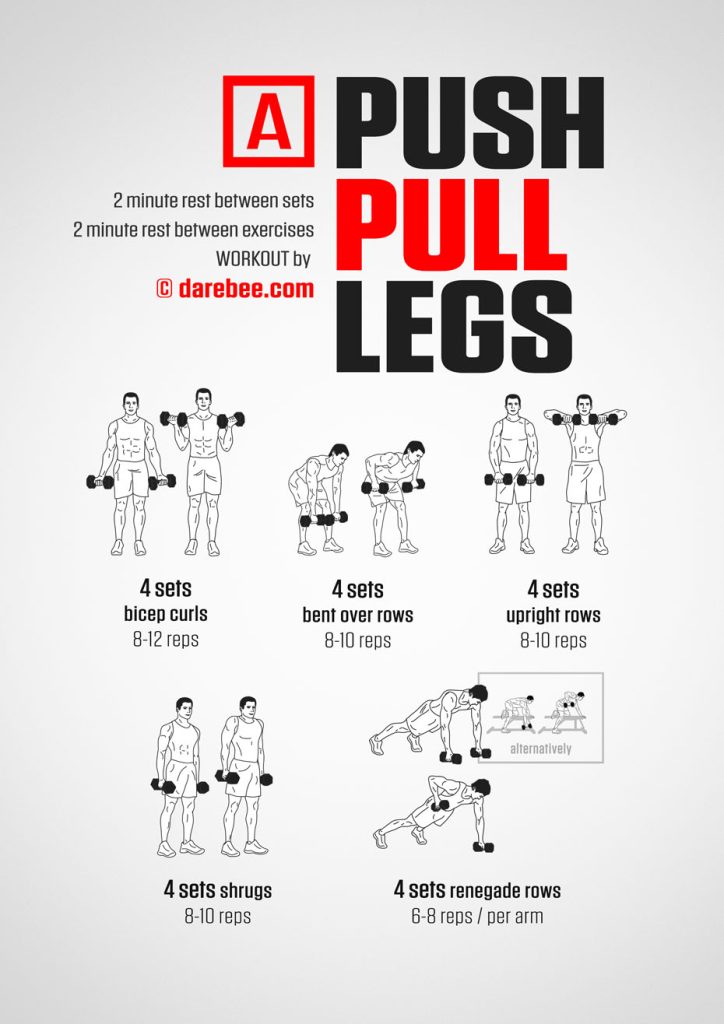
Perform pull exercises using resistance bands or dumbbells. Focus on pull-ups, rows, and bicep curls. Ensure proper form and control. Adjust resistance for intensity. Maintain consistency for best results.
How To Do Pull Day With No Equipment?
Use bodyweight exercises like pull-ups on a sturdy door frame, inverted rows under a table, and towel curls. Engage in planks to target upper back muscles. Consistency is key for effective results.
Is 6 Exercises Enough For Pull Day?
Yes, 6 exercises can be enough for a pull day. Focus on compound movements like pull-ups, rows, and deadlifts. This provides a balanced workout targeting major muscle groups. Adjust intensity and volume based on your fitness level and goals for optimal results.
What Exercises To Do On A Pull Day?
Focus on exercises like pull-ups, bent-over rows, deadlifts, lat pull-downs, and bicep curls. These target back and biceps effectively. Aim for 3-4 sets of 8-12 reps for each exercise. Incorporate these into your pull day routine for optimal results.
Conclusion
Building strength at home is achievable with a pull workout. You don’t need fancy equipment. Just dedication and consistency. Focus on form and technique. Gradually increase your reps and sets. This helps muscles grow stronger over time. Remember to rest and recover.
Balance is key in any fitness routine. Listen to your body’s signals. Stay patient and persistent. Results come with time and effort. Enjoy the journey to a fitter you. Keep pushing, and you’ll see progress. Your home workout can be effective and rewarding.
Stick with it, and celebrate small victories. Fitness begins with simple steps.








