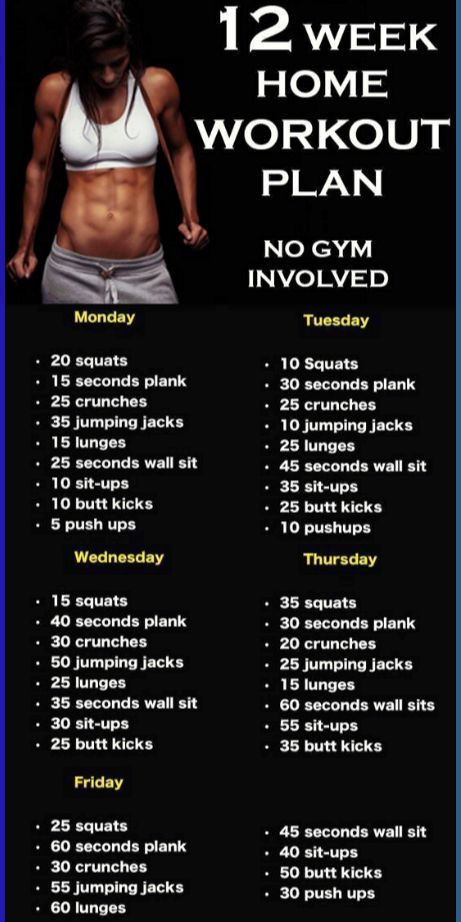
Imagine transforming your living room into a sanctuary of strength, flexibility, and peace. With an at-home Pilates workout plan, you hold the power to enhance your physical well-being and mental clarity right at your fingertips.
You might be wondering how you can achieve a stronger core, better posture, and a more toned body without stepping outside. The answer lies in the simplicity and effectiveness of Pilates. This workout plan is designed to seamlessly fit into your daily routine, allowing you to experience the benefits of Pilates from the comfort of your home.
Are you ready to uncover the secrets of a balanced body and mind? Read on to discover how you can integrate this transformative practice into your life and unlock the potential within you.
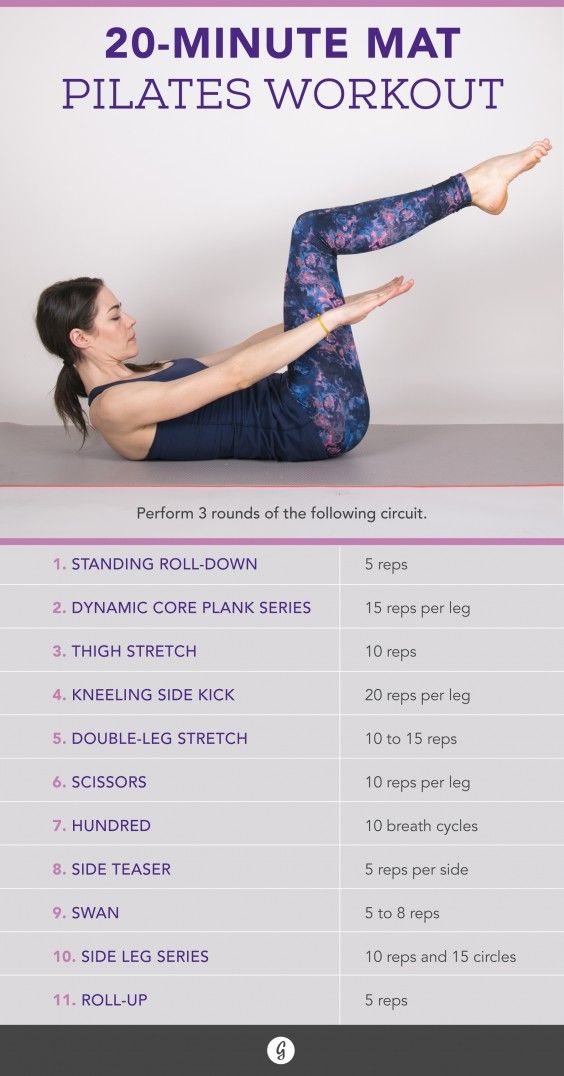
Credit: greatist.com
Benefits Of Pilates
Pilates is more than just a workout. It offers numerous benefits for the body and mind. Practicing Pilates regularly can enhance your overall well-being. Whether you’re a beginner or an advanced practitioner, Pilates can be a valuable addition to your fitness routine. Let’s explore some key benefits of Pilates.
1. Strengthens Core Muscles
Pilates focuses on strengthening the core. This includes the abdomen, back, and pelvis. A strong core improves balance and stability. It helps in daily activities and sports. Pilates exercises target these muscles effectively. They enhance strength without adding bulk.
2. Improves Flexibility
Pilates increases flexibility over time. It involves stretching and lengthening muscles. This improves range of motion. Better flexibility reduces the risk of injury. It also eases muscle tension and stiffness.
3. Enhances Posture
Regular Pilates practice promotes better posture. It strengthens the back and shoulder muscles. Good posture reduces back pain. It also improves breathing and circulation. Pilates teaches proper alignment and body awareness.
4. Boosts Mental Health
Pilates is not just physical. It benefits mental health too. The exercises require focus and concentration. This helps reduce stress and anxiety. Pilates encourages mindful movement and relaxation. It can lead to a calmer mind.
5. Increases Body Awareness
Pilates enhances body awareness. It involves precise movements and control. Understanding your body improves coordination. It helps in making mindful choices. This awareness translates to better body mechanics.
6. Supports Rehabilitation
Pilates aids in rehabilitation. It’s gentle on the joints and adaptable. Many physical therapists use Pilates in recovery programs. It helps regain strength and mobility after injuries.
Essential Equipment
Starting a Pilates workout at home can be a rewarding journey towards better health and fitness. However, having the right equipment is crucial to ensure you get the most out of your exercises. The best part? You don’t need a lot of gear to get started. Let’s look at the essential equipment that can transform your living room into a Pilates studio.
Mat
Your Pilates mat is the foundation of your workout. A good mat should provide comfort and support, especially for exercises that require lying down. Look for mats that are thicker than yoga mats to protect your spine and joints.
Imagine doing your hundred exercise without cushioning—ouch! A quality mat makes all the difference. Opt for a non-slip surface to keep you stable during your moves.
Have you tried different mats? It’s worth experimenting to find one that feels right for you. Your comfort can enhance your focus and performance.
Resistance Bands
Resistance bands are incredibly versatile and can be used to add intensity to your Pilates routine. They are perfect for exercises that target your arms, legs, and core.
It’s fascinating how a simple band can amplify your workouts. Choose bands with varying resistance levels for different exercises and strength levels.
Do you feel your muscles working harder? That’s the band doing its magic. They are lightweight and portable, making it easy to incorporate them into any workout.
Pilates Ball
A Pilates ball helps improve balance, flexibility, and core strength. It adds an element of instability to your routine, which challenges your muscles to engage more.
Remember when you first tried balancing on the ball? It’s a fun yet challenging experience. Look for a ball that matches your height for optimal use.
Feeling adventurous? Try integrating the ball into your routine for exercises like roll-ups and bridges. It keeps your workout dynamic and engaging.
So, are you ready to take your Pilates practice to the next level? With these essential pieces of equipment, you can create a comprehensive workout plan right from the comfort of your home. What’s stopping you from rolling out your mat and getting started today?
Setting Up Your Space
Creating the perfect space for your at-home Pilates workout is essential. A well-organized area enhances focus and encourages regular practice. Consider setting up a dedicated zone where you can move freely and comfortably. This ensures you get the most out of your Pilates routine.
Choosing The Right Area
Select a spot with enough room for all Pilates movements. You need space to stretch and extend your arms and legs. Ensure the floor is flat and sturdy. A carpeted area can work but ensure it’s not too soft. Avoid cluttered spaces that might distract you. A clean and open area helps maintain concentration.
Lighting And Ambiance
Good lighting improves your workout experience. Natural light is best if possible. It makes the space feel more inviting and energizing. If natural light is limited, use soft artificial lighting. Avoid harsh lights that strain the eyes. Consider adding soothing elements like candles or soft music. This creates a calming atmosphere that enhances focus.
Safety Tips
Safety should be a priority in your Pilates space. Ensure all equipment is in good condition. Check your mat for wear and tears. Remove any objects that might cause trips or falls. Keep water nearby for hydration. Ensure your space allows safe and efficient movement. Regularly inspect your workout area for hazards.
Beginner Pilates Exercises
Pilates is a wonderful way to start your fitness journey at home. It strengthens your core, improves flexibility, and enhances balance. Even if you’re new, you can dive in with basic exercises. Beginners can easily grasp these moves. They require no special equipment. Just a mat and some space. Let’s explore some beginner Pilates exercises.
The Hundred
The Hundred is a classic Pilates move. It warms up the body and gets the blood flowing. Lie flat on your back. Raise your legs to a tabletop position. Lift your head and shoulders off the mat. Extend your arms and pulse them up and down. Breathe in for five counts. Then breathe out for five counts. Repeat for ten sets. Feel your core engage.
Roll Up
Roll Up helps improve flexibility. It strengthens the abdominal muscles. Start by lying flat on your back. Extend your arms overhead. Inhale deeply. Exhale as you roll up slowly. Reach towards your toes. Keep your movements controlled. Roll back down to the mat with grace. Avoid jerking motions. Repeat this for six to eight times.
Leg Circles
Leg Circles target the hips and thighs. They enhance mobility and stability. Lie on your back with one leg extended towards the ceiling. Keep the other leg flat on the mat. Draw circles with the raised leg. Keep them small and controlled. Perform circles in one direction. Then switch directions. Repeat for five circles each way. Then switch legs.
Intermediate Pilates Moves
Explore intermediate Pilates moves to enhance your at-home workout plan. Focus on exercises like the Single Leg Stretch and Shoulder Bridge to strengthen core and flexibility. These moves offer a balanced routine, perfect for those progressing from beginner to more challenging exercises.
Are you ready to elevate your Pilates practice? Intermediate Pilates moves offer a fresh challenge, helping you enhance strength, flexibility, and balance. As you progress from beginner to intermediate, you’ll find that these exercises not only tone your muscles but also improve your mind-body connection. Let’s dive into some key moves that can transform your at-home Pilates workout.Single Leg Stretch
The Single Leg Stretch is a fantastic move to challenge your core stability and coordination. Lie on your back, pulling one knee into your chest while extending the other leg out. As you switch legs, focus on maintaining a steady breathing pattern. This exercise targets your abs and encourages fluid movements. Imagine pulling your knee in with control, not speed. How can you use your breath to enhance the stretch?Double Leg Stretch
The Double Leg Stretch takes the Single Leg Stretch to the next level. Here, you extend both legs simultaneously while reaching your arms overhead. This move demands focus and precision, engaging your entire core. Feel the burn as you stretch every inch of your body. Have you noticed how your breathing can create a rhythm for your movements? Keep your core tight and move with intention.Plank Variations
Plank Variations are a cornerstone of intermediate Pilates. From forearm planks to side planks, these exercises build strength in your shoulders, back, and core. Experiment with lifting one leg or arm to increase difficulty. Each variation challenges different muscle groups, offering a full-body workout. Can you hold your plank longer today than yesterday? Remember, each second counts in building endurance. Embrace these intermediate moves as you refine your Pilates routine. They offer a perfect blend of challenge and reward, pushing you to discover your body’s capabilities. Let these exercises inspire you to set new fitness goals. Are you ready to take your Pilates practice to new heights?Advanced Pilates Techniques
Pilates offers a great way to build strength and flexibility at home. Advanced Pilates techniques challenge your body, helping you reach new fitness levels. These movements require focus and precision. They enhance core strength and balance.
Teaser
The Teaser is a classic Pilates move. It strengthens your core and improves balance. Begin by lying on your back. Lift your legs to a 45-degree angle. Raise your arms overhead. Slowly roll up, reaching for your toes. Hold this V-shape position. Engage your abs throughout. Lower back down with control. Practice this move to boost your core stability.
Swan Dive
The Swan Dive adds variety to your routine. It targets your back and spine. Start by lying face down. Place your hands under your shoulders. Extend your legs and point your toes. Inhale deeply. Lift your chest and legs off the floor. Balance on your stomach. Rock forward and back like a seesaw. This move enhances spine flexibility and strength.
Control Balance
Control Balance challenges your coordination. It develops core strength and balance. Lie on your back. Extend your legs over your head. Touch the floor with your toes. Keep your arms by your sides. Lift one leg towards the ceiling. Hold briefly. Switch legs smoothly. Focus on maintaining balance and control. It’s a great way to enhance body awareness.
Building A Weekly Routine
Creating a weekly routine with an at-home Pilates workout plan boosts flexibility and strengthens core muscles. Focus on consistent practice to enhance posture and balance. Enjoy the convenience of exercising at home while improving physical health.
Building a consistent weekly routine for an at-home Pilates workout can be transformative. It offers balance, strength, and flexibility. Creating a structured plan helps achieve fitness goals effectively. With a varied routine, workouts become more enjoyable and sustainable. Let’s delve into creating a balanced weekly Pilates schedule.Balancing Intensity
Include a mix of low and high-intensity workouts. Start with basic exercises on some days. Increase the difficulty on other days. This approach prevents burnout. It also helps in building endurance. Listen to your body. Adjust the intensity as needed. Variety keeps muscles engaged. It also makes workouts more interesting.Rest And Recovery
Rest is crucial for muscle repair. Dedicate at least one day for rest. This helps prevent injuries. It also boosts performance in subsequent workouts. Use rest days for light activities like stretching. Gentle yoga can also be beneficial. Recovery ensures your body stays strong and healthy. Prioritize sleep as it aids recovery.Tracking Progress
Track your progress to stay motivated. Keep a journal of your workouts. Note the exercises and repetitions. Record how you feel after each session. Tracking helps identify patterns and improvements. Celebrate small victories. Adjust your plan based on progress. Stay committed to your routine. This builds confidence and consistency.
Credit: www.pinterest.com
Incorporating Mindfulness
Embracing mindfulness in your at-home Pilates routine transforms simple exercises into powerful tools for mental and physical well-being. It’s about being fully present with each movement and breath. This practice not only enhances your physical results but also nurtures your mind. By adding mindfulness, you create a more profound connection with your body, boosting your overall Pilates experience.
Breath Control
Your breath is a vital part of Pilates. Start by observing your natural breathing pattern. Is it shallow? Does your chest rise more than your belly? By controlling your breath, you can calm your mind and improve your focus. Try deep belly breathing: inhale deeply through the nose, letting your abdomen expand, and exhale slowly through the mouth. This technique helps relax your muscles and enhances your concentration on movements.
Focus And Concentration
Mindfulness in Pilates means focusing entirely on the exercise at hand. Eliminate distractions; turn off your phone and avoid multitasking. Concentrate on the muscles you’re working. Feel each movement. Are you holding tension in your shoulders or neck? Release it, and direct your energy to the target area. This practice not only benefits your physical form but also sharpens your mental clarity.
Relaxation Techniques
Relaxation is key to a mindful Pilates session. After your workout, take a few moments to lie still. Close your eyes and scan your body from head to toe. Notice any areas of tension and consciously relax them. Use visualization techniques to imagine stress melting away. How does your body feel now compared to when you started? Reflect on this to appreciate the relaxation and rejuvenation you’ve achieved.
Incorporating mindfulness can seem challenging at first, but with practice, it becomes second nature. As you continue your Pilates journey, notice how these techniques enrich your workouts. Can you feel the difference in your energy and mood throughout the day? This mindful approach not only enhances your Pilates practice but can also positively impact other areas of your life.
Adapting For Special Needs
At home Pilates is adaptable for everyone, including those with special needs. Tailoring exercises ensures safety and effectiveness, enhancing overall well-being. Whether dealing with injuries, pregnancy, or aging, Pilates can be modified. Each adjustment enhances comfort and maintains the core benefits of Pilates.
Modifications For Injuries
Injuries require special care and attention during workouts. Pilates offers gentle movements that aid recovery. Focus on exercises that avoid putting pressure on injured areas. Use props like cushions or straps for support. This helps maintain balance and reduce strain. Listen to your body. Stop if you feel pain.
Adjustments For Pregnancy
Pregnancy demands mindful exercise adjustments for safety. Pilates can support a healthy pregnancy. Opt for exercises that strengthen the back and pelvic floor. Avoid positions that stress the abdomen. Use a chair or wall for stability during balance exercises. Ensure movements are slow and controlled.
Pilates For Seniors
Seniors benefit greatly from Pilates due to its low-impact nature. It improves flexibility and balance, reducing fall risk. Modify exercises to suit individual mobility levels. Use a chair for seated exercises or as support. Focus on movements that enhance joint mobility and muscle strength.
Tracking Your Progress
Monitoring your progress with a home Pilates workout plan boosts motivation and enhances results. Track improvements in flexibility, strength, and endurance. Celebrate small victories to stay inspired and committed.
Tracking your progress in an at-home Pilates workout plan is essential. It keeps you motivated and helps you see how far you’ve come. By setting clear goals, using a journal, and celebrating milestones, you can turn your workout routine into an exciting journey.Setting Goals
Begin by setting achievable goals for your Pilates practice. Think about what you want to accomplish. Maybe it’s improving your flexibility or building core strength. Be specific and realistic in your goals. Write them down and keep them visible. This simple act can keep you focused and driven.Using A Journal
A journal can be your best friend in tracking progress. Use it to record your workouts, feelings, and improvements. Jot down your exercises, reps, and any challenges. Over time, you’ll notice patterns and growth. Seeing your journey in black and white provides clarity and motivation. It’s like having a conversation with yourself about your progress.Celebrating Milestones
Don’t forget to celebrate your achievements. Whether it’s mastering a new pose or completing a set number of sessions, these milestones matter. Share them with friends or treat yourself to something special. Recognizing your accomplishments fuels further success. What’s a small win you can celebrate today? Tracking progress transforms your workout from a routine into a rewarding adventure. How do you plan to measure your success?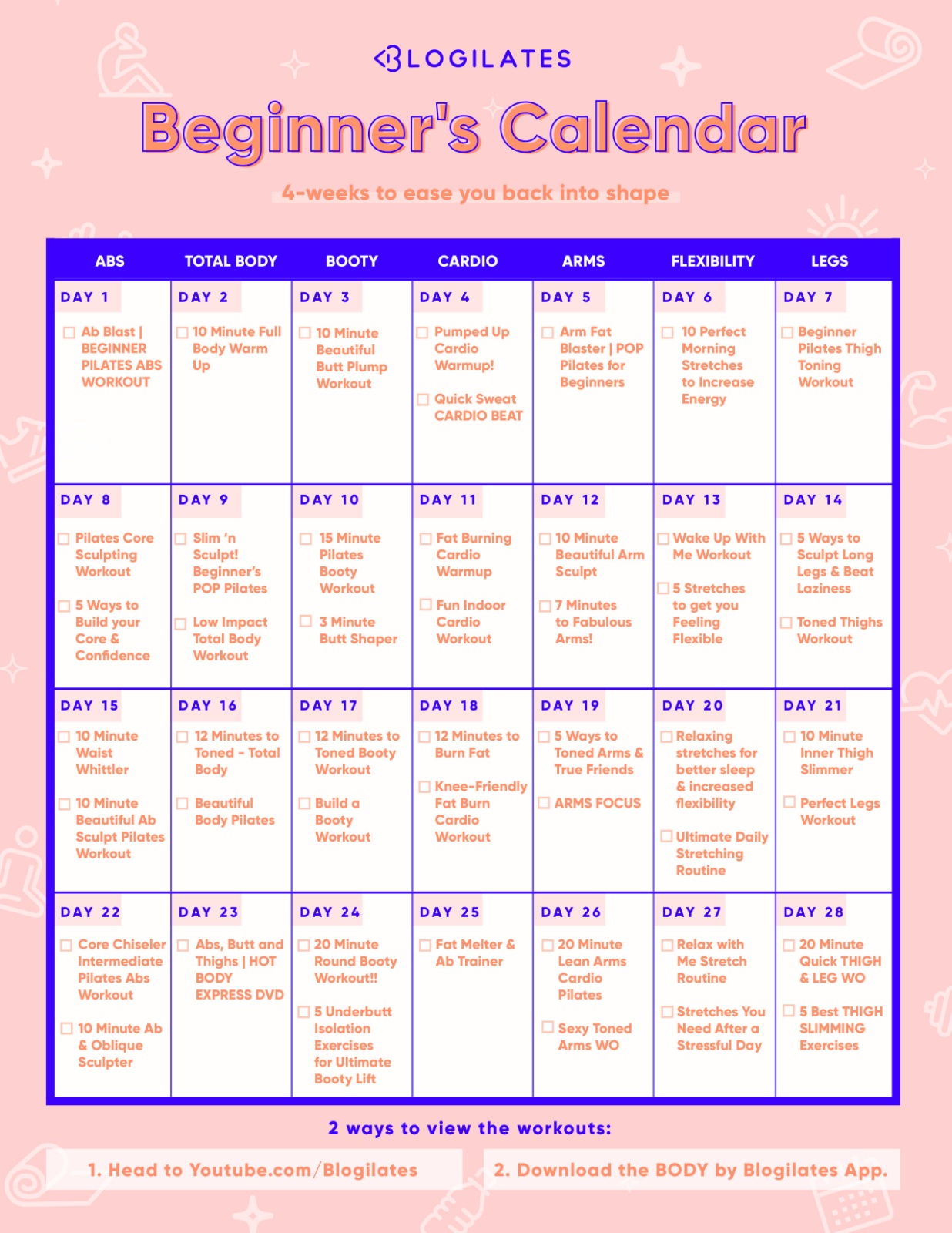
Credit: www.blogilates.com
Frequently Asked Questions
Are At Home Pilates Workouts Effective?
Yes, at-home Pilates workouts can be effective. They improve flexibility, core strength, and posture. Consistency is key for results. Use online classes or apps for guidance. Ensure proper form to prevent injuries. Stay motivated by setting goals and tracking progress.
Adjust difficulty levels as you improve.
Is 20 Minutes Of Pilates A Day Enough To See Results?
Yes, 20 minutes of Pilates daily can yield results. Consistency boosts core strength, flexibility, and posture. Combined with a balanced diet and other exercises, it enhances overall fitness. Results vary based on individual goals and starting fitness levels. Adjust intensity for better outcomes.
What Is The 10/20/30 Rule In Pilates?
The 10/20/30 rule in Pilates isn’t a standard term. In general, Pilates emphasizes controlled movements, often suggesting 10 sessions to feel better, 20 to look better, and 30 for a complete transformation. This emphasizes consistency and gradual improvement in strength, flexibility, and overall fitness.
Can You Get A Good Pilates Workout At Home?
Yes, you can get a good Pilates workout at home. Use online classes and minimal equipment for effective sessions. Focus on proper form and consistency to achieve results. Pilates strengthens core muscles, enhances flexibility, and improves posture. Dedicate regular time to practice for maximum benefits.
Conclusion
An at-home Pilates workout can transform your fitness routine. It offers flexibility and convenience. You can exercise anytime, anywhere. This plan suits all fitness levels. Beginners and advanced practitioners can benefit. Consistency is key for results. Remember to focus on your form.
Proper technique prevents injury. It also enhances effectiveness. You can build strength and flexibility over time. Enjoy the journey. Feel the progress. Celebrate your achievements. Pilates not only strengthens your body. It also calms your mind. Embrace this holistic approach.
Make it a part of your lifestyle. Your well-being will thank you. Keep moving forward.








