Are you tired of crowded gyms and expensive memberships? Imagine sculpting your body and building strength without ever leaving your home.
With a calisthenics workout plan, you can do just that. This approach to fitness uses your own body weight to help you achieve the results you want, right in your living room. Whether you’re a beginner or have been working out for years, calisthenics offers a versatile and efficient way to stay fit.
Curious about how you can start this transformative journey? Keep reading, and discover how a calisthenics workout plan at home can revolutionize your fitness routine.
Benefits Of Calisthenics
Calisthenics offers numerous benefits for those seeking a home workout plan. This type of exercise relies on body weight, enhancing both fitness and well-being. It suits people of all ages and fitness levels. Discover the key advantages of calisthenics below.
Improved Strength And Flexibility
Calisthenics boosts muscle strength and flexibility. Exercises like push-ups and squats target various muscle groups. Regular practice enhances your range of motion. This reduces the risk of injury. You gain functional strength, helping in daily activities. Flexibility increases comfort and mobility.
No Equipment Needed
Calisthenics requires no special equipment. You use your own body weight to exercise. This makes it easy to start at home. There’s no need for expensive gym gear. Your living room or backyard becomes your gym. It’s convenient and effective.
Cost-effective Fitness
Calisthenics is a budget-friendly fitness option. No gym memberships are necessary. No costly machines or tools required. All you need is dedication and time. You can enjoy a full-body workout without spending a dime. It’s an accessible way to stay fit.

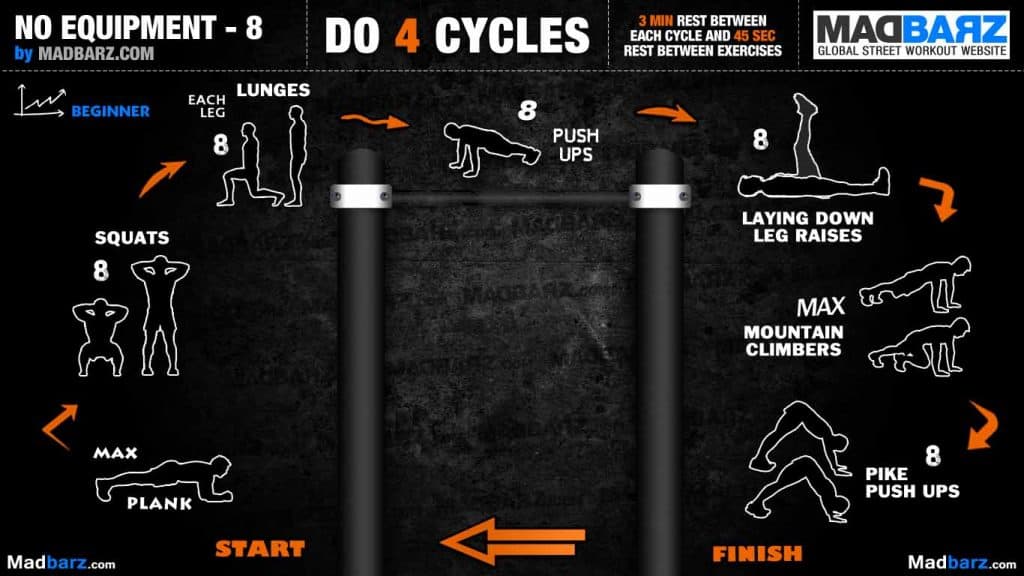
Credit: simplemomfitness.com
Setting Goals
Setting goals is crucial for a successful calisthenics workout plan at home. Without clear goals, your workout routine may lack direction and motivation. By setting specific targets, you can track progress and stay motivated. This process involves understanding where you stand and where you want to go.
Identifying Fitness Levels
Before diving into a calisthenics routine, it’s important to know your starting point. Assess your current fitness level by trying out basic exercises like push-ups, squats, and planks.
Take note of how many reps or how long you can hold each exercise. This will give you a baseline to measure improvement and tailor your workouts accordingly.
Reflect on your strengths and weaknesses. Are there exercises that you find particularly challenging? Recognizing these areas can help you focus your efforts where they’re needed most.
Creating Realistic Objectives
Once you know where you stand, it’s time to set realistic objectives. Start with simple goals that are achievable within a few weeks, like increasing your push-up count by five reps.
Think about long-term aspirations too. Do you want to master a handstand or improve overall strength? Write down these goals to make them tangible and trackable.
Break down larger goals into smaller, manageable steps. This approach keeps you motivated and provides a sense of accomplishment as you tick off each milestone.
Remember, everyone progresses at their own pace. Avoid comparing yourself to others. Focus on your journey and celebrate your unique achievements.
What’s one goal you’re excited to tackle in your calisthenics journey? Share it with a friend or community for added accountability.
Essential Calisthenics Exercises
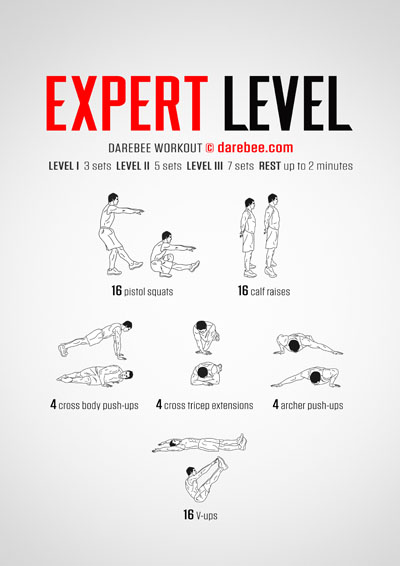
Calisthenics offers a versatile workout plan that you can do at home. It requires minimal equipment and maximizes body strength. The exercises target various muscle groups, ensuring balanced development. Let’s explore some essential calisthenics exercises.
Push-ups Variations
Push-ups build upper body strength. They target the chest, shoulders, and triceps. Standard push-ups are great, but variations can enhance results. Try incline push-ups or decline push-ups for different muscle engagement. Wide grip push-ups focus more on the chest, while close grip targets the triceps.
Pull-ups And Chin-ups
Pull-ups are ideal for strengthening the back and arms. They require a bar or sturdy surface. Chin-ups involve a palms-facing-you grip and target biceps more. Both exercises improve grip strength. Start with assisted variations if you find them challenging.
Squats And Lunges
Squats are fundamental for lower body strength. They work the thighs, hips, and buttocks. Lunges enhance balance and flexibility. Try forward lunges for quad focus. Reverse lunges engage the hamstrings more. Both exercises improve leg endurance.
Planks And Core Workouts
Planks strengthen the core and improve posture. They target the abs, back, and shoulders. Side planks focus on oblique muscles. Add variations like plank jacks for added intensity. Core workouts stabilize your body and prevent injuries.
Credit: darebee.com
Creating A Workout Routine
Creating a workout routine at home with calisthenics is rewarding. It offers flexibility and requires minimal equipment. A structured plan helps you stay consistent and achieve goals. Focusing on different aspects ensures balanced progress and avoids injuries.
Structuring Weekly Plans
Begin with a clear weekly schedule. Decide how many days you will exercise. A typical plan might include three to five sessions weekly. Assign specific exercises to each session. Include a mix of upper body, lower body, and core workouts. This keeps things interesting and targets all major muscle groups.
Balancing Different Muscle Groups
Balance is key in calisthenics. Avoid overworking one muscle group. Divide your routine to cover all areas. For example, dedicate one day to upper body exercises. Another day can focus on lower body workouts. Include core exercises on both days. This approach ensures muscle balance and effective strength building.
Incorporating Rest Days
Rest days are crucial for recovery. They prevent fatigue and reduce the risk of injury. Include at least one rest day in your weekly plan. Use rest days for stretching or light activities. This helps maintain flexibility and aids muscle recovery. Listening to your body is important to avoid overtraining.
Progression And Adaptation
Calisthenics is about moving your body in challenging ways. To get stronger, progression and adaptation are vital. They help you achieve your fitness goals. As you advance, you need to change your workout routine. This keeps your muscles engaged and growing. Home workouts can be effective with the right plan. Let’s explore how to increase intensity, track improvements, and overcome plateaus.
Increasing Intensity
Increasing intensity is crucial for muscle growth. Start with basic exercises. Push-ups, squats, and planks are good choices. Once they become easy, add more reps. Or try advanced versions like diamond push-ups. Rest time is another factor. Reduce it gradually to increase workout intensity. Use resistance bands for extra challenge. They help in engaging muscles better.
Tracking Improvements
Tracking your progress keeps you motivated. Use a journal to record your workouts. Note the number of reps and sets completed. Take weekly photos to see physical changes. Apps can help track your performance. They offer useful insights into your progress. Celebrate small achievements. They boost confidence and dedication.
Overcoming Plateaus
Plateaus happen when progress stops. They can be frustrating. Change your routine to overcome them. Introduce new exercises. This challenges your body in different ways. Focus on form and technique. It ensures you are doing exercises correctly. Rest and recovery are essential. They give your muscles time to grow and repair. Staying consistent is key. Don’t give up.
Nutrition And Hydration
Staying hydrated and eating nutritious meals support your calisthenics workout at home. Water and balanced meals energize muscles and aid recovery. Proper nutrition and hydration improve endurance and overall performance.
Maintaining a well-rounded nutrition and hydration plan is crucial for anyone diving into a calisthenics workout at home. While you focus on mastering those push-ups and pull-ups, your body needs the right fuel to build strength and endurance. Eating the right foods and staying hydrated directly impacts your performance and recovery. Let’s dive into how you can optimize your diet and water intake for maximum gains.Balancing Diet For Muscle Growth
Building muscle isn’t just about lifting yourself up—it’s also about what you put into your body. You need a balanced diet rich in proteins, carbohydrates, and healthy fats. – Proteins: Think chicken, fish, eggs, and legumes. These are your building blocks for muscle repair and growth. Aim for a portion with every meal. – Carbohydrates: Your body’s main energy source. Whole grains, fruits, and vegetables keep your energy levels up during workouts. – Healthy Fats: Avocado, nuts, and olive oil are not just tasty but also help in absorbing vitamins and maintaining hormonal balance. A few months ago, I started adding a protein shake after my workouts. The difference was noticeable—I felt less sore and more energetic. Have you thought about how a small tweak in your diet could impact your results?Importance Of Staying Hydrated
Staying hydrated is often overlooked but it’s a game-changer. Water helps regulate your body temperature and keeps your joints lubricated. – Before Exercise: Drink a glass of water about an hour before your workout. This prepares your body and muscles for the effort. – During Exercise: Keep a water bottle handy. Sip water to keep your performance steady and avoid cramps. – After Exercise: Replenish what you lost. Drinking water aids in recovery and reduces muscle fatigue. I once skipped my post-workout hydration routine, and the muscle cramps hit hard. Lesson learned—your body needs water as much as those muscle-ups you’re nailing. Are you drinking enough to keep your workouts efficient and your body happy? Focusing on nutrition and hydration isn’t just about following rules; it’s about enhancing your body’s natural abilities. What changes can you make today to support your calisthenics journey tomorrow?Staying Motivated
Create a calisthenics workout plan at home to stay motivated and fit. Use bodyweight exercises like push-ups, squats, and planks. Feel the energy boost and build strength without gym equipment.
Staying motivated during your calisthenics workout plan at home can be challenging. The absence of gym energy and routine can make it hard to stay focused. But maintaining motivation is crucial for long-term success. Here are some practical tips to keep your drive alive and thriving.Setting Milestones
Set small and achievable milestones. This makes tracking progress easier and boosts confidence. Break your goals into weekly or monthly targets. Reward yourself when you reach them. These milestones serve as stepping stones towards bigger achievements. Celebrate each small victory to stay inspired.Finding A Workout Buddy
A workout buddy can significantly boost motivation. They provide support and accountability. Choose someone with similar fitness goals. Plan regular sessions together. Encourage each other to push beyond limits. Having a partner makes workouts more enjoyable and less of a chore.Using Fitness Apps
Fitness apps are excellent tools for staying motivated. They offer workout plans, track progress, and provide reminders. Many apps include community features for sharing achievements. This interaction creates a sense of belonging and motivation. Explore apps that suit your workout style and preferences.Safety Tips
Stay safe during home calisthenics by ensuring your workout space is clear of obstacles. Warm-up properly to prevent injuries and maintain steady movements throughout exercises.
Safety is important in any workout plan, especially at home. Calisthenics can be done with little equipment, but safety rules should be followed. These tips ensure a safe workout and help avoid injuries.Proper Form And Technique
Proper form prevents injuries and improves effectiveness. Start with basic movements. Learn the correct posture. Keep your spine straight during exercises. Engage your core muscles. Avoid locking your joints. Move smoothly through each exercise. Watch tutorial videos for visual guidance. Practice regularly to master the form.Listening To Your Body
Your body gives signals when something is wrong. Pay attention to any discomfort or pain. Rest if you feel tired or strained. Hydrate well to maintain energy. Modify exercises if they feel too hard. Increase intensity gradually. Listen to your body’s limits. Never push through severe pain. Consistent practice with care leads to progress.Avoiding Common Injuries
Warm-up before starting your workout. It prepares your muscles and joints. Stretch well to enhance flexibility. Avoid sudden movements. They can cause strains or sprains. Use mats or soft surfaces for exercises like push-ups. Wear proper footwear for grip and support. Follow these precautions to reduce injury risks. Proper care ensures a safe and enjoyable workout.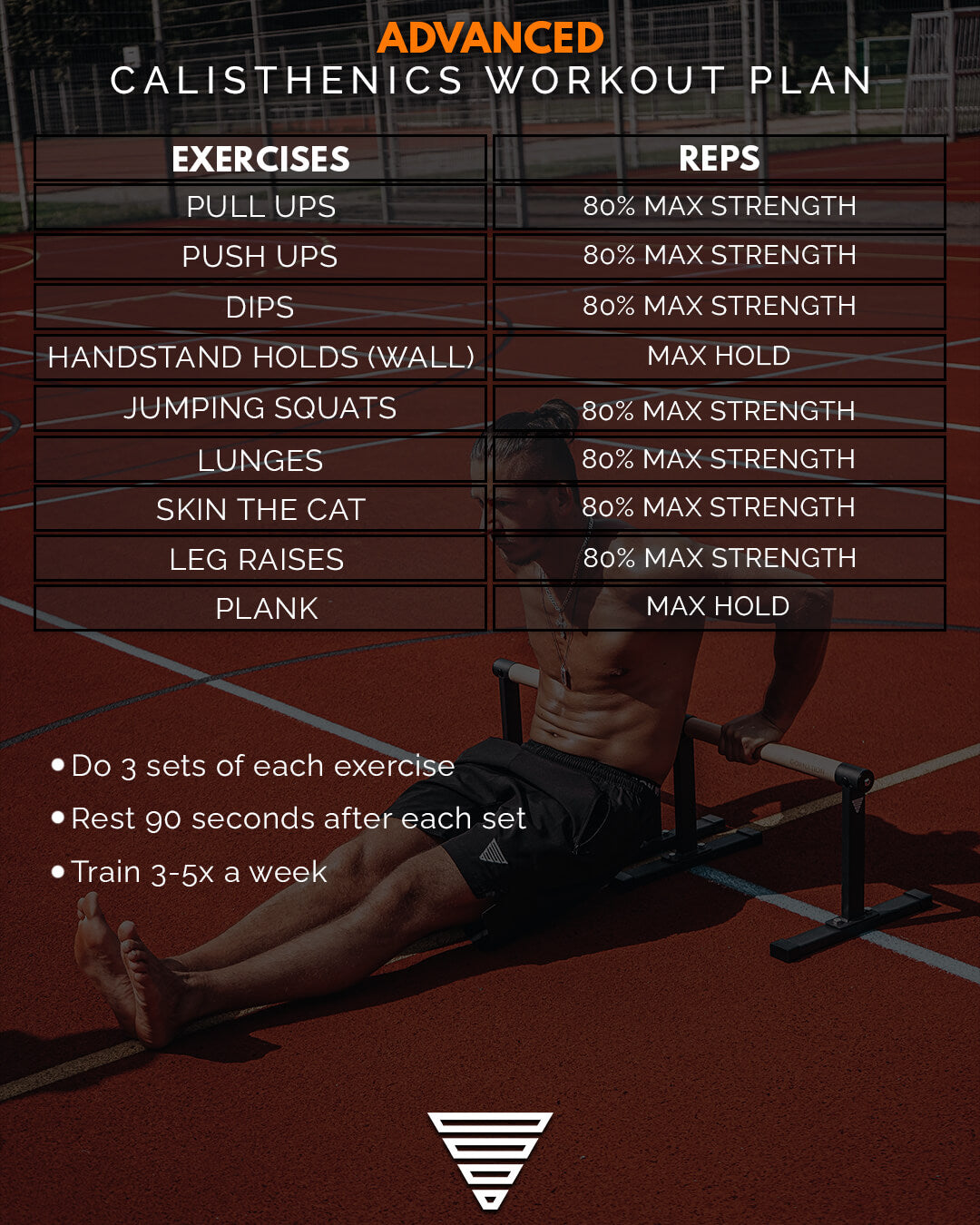
Credit: www.gornation.com
Frequently Asked Questions
What Is The 80/20 Rule In Calisthenics?
The 80/20 rule in calisthenics suggests focusing 80% of your effort on the most effective exercises. This approach maximizes results by concentrating on key movements like pull-ups, push-ups, and squats. It promotes efficiency, helping you achieve greater strength and fitness with less time and effort.
Is It Possible To Train Calisthenics At Home?
Yes, you can train calisthenics at home. Use bodyweight exercises like push-ups, squats, and planks. Create a routine with minimal equipment. Maintain consistency for effective results. Explore online resources for guidance and progression. Enjoy a versatile workout without gym membership.
Is 20 Minutes Of Calisthenics A Day Enough?
Yes, 20 minutes of daily calisthenics can be effective. It enhances strength, flexibility, and cardiovascular health. Consistency and intensity matter. Customize workouts to match fitness levels and goals.
Is It Possible To Build Muscle With Only Calisthenics?
Yes, building muscle with only calisthenics is possible. Focus on progressive overload, consistency, and varied exercises. Compound movements like push-ups, pull-ups, and squats enhance muscle growth. Incorporate different variations and increase intensity over time. Proper nutrition and recovery support muscle development.
Conclusion
Calisthenics at home is a simple way to stay fit. It requires no equipment, just your body and space. You can improve strength and flexibility with basic moves. Consistency is key. Start small, and gradually increase your intensity. Listen to your body and rest when needed.
Track your progress and celebrate small victories. This workout plan fits into any schedule. It’s adaptable and budget-friendly. You can enjoy the benefits without a gym membership. So, embrace calisthenics and make it part of your routine. Enjoy a healthier lifestyle from the comfort of home.








