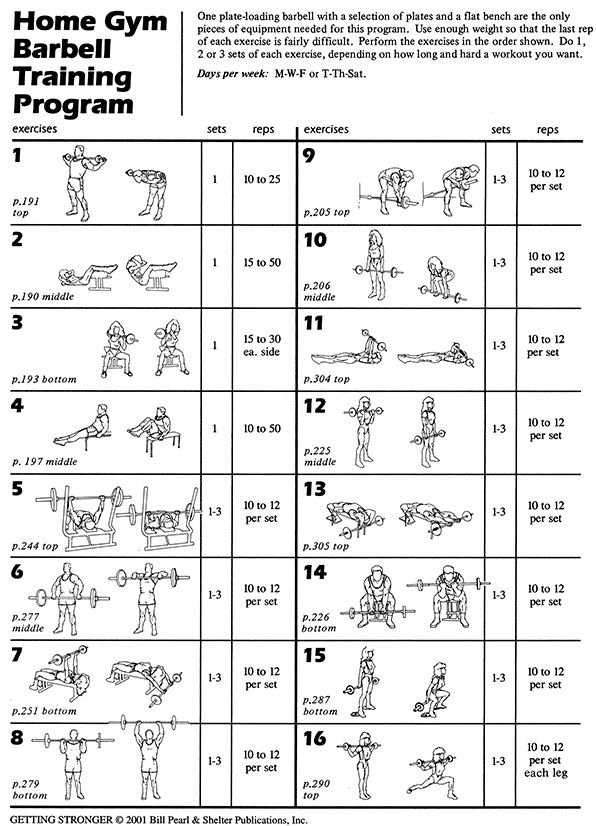
Imagine waking up, grabbing your favorite morning brew, and getting ready to crush a workout without even leaving your home. You don’t need a fancy gym membership or a pile of expensive equipment.
All you need is a barbell and a plan that fits your lifestyle. Welcome to your at-home barbell workout plan — designed to transform your fitness routine and get you stronger, right in the comfort of your living room. Whether you’re aiming to build muscle, boost your endurance, or simply maintain a healthy lifestyle, this plan is crafted to meet your needs.
Read on, and discover how you can turn your home into a powerhouse of energy and motivation, making every workout count.
Benefits Of Barbell Workouts
Home barbell workouts boost strength and enhance muscle tone. They offer flexibility to exercise anytime, improving fitness. With simple equipment, achieve balanced physical development in a comfortable setting.
Barbell workouts are an excellent way to transform your fitness routine without leaving the comfort of your home. Whether you’re a beginner or a seasoned lifter, using a barbell can dramatically improve your physical capabilities. From building muscle to enhancing flexibility, barbell exercises offer a variety of benefits that can take your health to the next level.Strength Building
Building strength is often the first goal for anyone picking up a barbell. With each lift, you engage multiple muscle groups, making your workout efficient and comprehensive. I remember the first time I managed to increase the weight on my deadlift. That small victory was more than just physical strength; it was a confidence boost. When you feel stronger, it impacts every aspect of your daily life, from carrying groceries to playing with your kids.Improved Flexibility
You might not associate barbells with flexibility, but they can help you achieve it. Exercises like overhead presses and squats require a good range of motion, encouraging your body to move fluidly. A friend of mine struggled with tight hips until he started barbell squats. Over time, his flexibility improved, reducing discomfort and enhancing his overall performance in other activities. How often do you overlook flexibility in your workout routine?Enhanced Metabolism
Boosting your metabolism is another compelling reason to add barbell workouts to your fitness plan. The effort required to lift weights increases your heart rate and burns calories, even after your workout is done. I noticed that after a few weeks of consistent barbell training, I had more energy and my clothes fit better. This isn’t just about looking good; it’s about feeling good and having the energy to tackle whatever life throws at you. Are you ready to rev up your metabolism with something as simple as a barbell? By incorporating these exercises into your routine, you’re not just lifting weights—you’re lifting your quality of life. What benefits are you most excited to experience?
Credit: www.hsnstore.eu
Essential Equipment
Having the right equipment is key for an effective at-home barbell workout. A well-chosen set of tools can enhance your fitness routine. This section guides you through selecting essential gear for your home gym.
Choosing The Right Barbell
The barbell is central to any weightlifting routine. Opt for a standard barbell for general workouts. It should be durable and easy to grip. Consider the length and weight capacity based on your needs. Check for corrosion resistance to ensure longevity.
Weight Plates Selection
Weight plates add versatility to your barbell exercises. Choose plates with various weight increments for flexibility. Rubber-coated plates protect your floors. Look for options that are easy to handle. Ensure they fit snugly on your barbell.
Safety Accessories
Safety is crucial during workouts. Invest in a pair of barbell collars. They secure the plates and prevent slipping. A weightlifting belt supports your lower back. Consider wrist wraps for added stability. These accessories enhance your safety and comfort.
Setting Up Your Workout Space
Creating an effective workout space at home can make all the difference in your fitness journey. You want a space that motivates you and allows for a full range of motion. But how do you set up a space that’s functional and inviting? Let’s break it down into manageable steps.
Space Considerations
Begin by assessing the space available in your home. You don’t need a large area; a corner in your living room or garage can work wonders. Ensure you have enough room to extend your arms and legs fully. Think about the exercises you plan to do and map out the space accordingly.
Remember, it’s not just about physical space. Consider the atmosphere. Is it well-lit? Is there good air circulation? These factors can impact your workout quality. A well-ventilated area can enhance your performance and comfort.
Floor Protection
Protecting your floors is essential when using barbells. You don’t want to damage your hardwood or carpet. Consider using rubber mats or interlocking foam tiles. They provide cushioning and prevent slips, keeping you safe during lifts.
Flooring can also impact the noise level. Dropping weights on a protected surface is much quieter. This is especially beneficial if you live in an apartment or have close neighbors. It’s a simple step that can save your floors and your relationships.
Organizing Equipment
A clutter-free space enhances your workout experience. Organize your barbells and weights in a designated area. You can use weight racks or shelves to keep everything tidy. It helps you focus and prevents accidents.
Consider creating a checklist of equipment you need for your workouts. This ensures you have everything ready and reduces interruptions. How often have you paused a workout to find a missing piece of gear? Organization is key to maintaining momentum.
Setting up your workout space is a personal endeavor. What works for one person may not work for another. What does your ideal workout space look like? Take time to design it, and watch how it transforms your fitness routine.
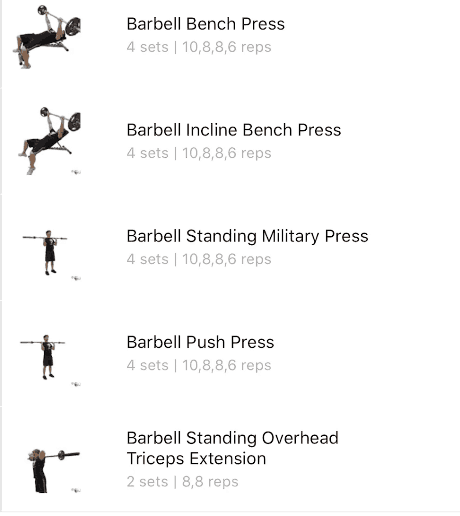
Credit: www.jefit.com
Warm-up Routine
Getting ready for your at-home barbell workout is crucial for achieving the best results. A proper warm-up routine not only prepares your body but also reduces the risk of injury. Whether you’re a beginner or an experienced lifter, dedicating time to warm up can enhance your performance and help you reach your fitness goals more efficiently.
Dynamic Stretches
Dynamic stretches are essential for increasing blood flow and preparing your muscles for the workout. Try performing leg swings, arm circles, or walking lunges. These movements help loosen up your muscles and joints. You’ll feel more agile and ready to tackle those barbell lifts.
Think about how you feel when you skip a warm-up. You might experience stiffness or lack of energy. Dynamic stretches can transform that feeling into readiness and enthusiasm.
Joint Mobility
Your joints need attention before you start lifting weights. Focus on exercises like wrist rotations, ankle circles, and hip openers. These movements ensure your joints are flexible and ready to support your workout.
Have you ever felt tightness in your knees or shoulders during exercise? Enhancing joint mobility can alleviate this discomfort, making your workout smoother and more effective.
Activation Exercises
Activating your muscles before lifting is key. Engage in exercises like glute bridges, planks, or band pull-aparts. These activities wake up the muscles you’ll be using with the barbell.
Reflect on the time when your muscles felt sluggish during a workout. Activation exercises can change that by priming your body for strength and endurance.
Do you feel ready to maximize your at-home barbell workout? Implementing a warm-up routine with dynamic stretches, joint mobility, and activation exercises can be your game-changer. What unique warm-up moves do you incorporate to boost your workout efficiency?
Core Barbell Exercises
Barbell exercises form the backbone of strength training at home. They target multiple muscle groups, enhancing both power and endurance. With minimal equipment, these exercises offer maximum benefits. Below are core barbell exercises essential for any workout plan.
Squats
Squats are fundamental for building leg strength. They work the quadriceps, hamstrings, and glutes. Stand with feet shoulder-width apart. Hold the barbell across your upper back. Lower your body as if sitting on a chair. Keep your back straight and chest up. Push through your heels to return to standing.
Deadlifts
Deadlifts focus on the lower back, hamstrings, and glutes. Place the barbell on the floor. Stand with feet hip-width apart. Bend at the hips and knees. Grip the barbell firmly. Keep your back straight while lifting the barbell. Straighten your legs and hips to stand upright.
Bench Press
The bench press is vital for chest, shoulders, and triceps. Lie on a bench with feet flat on the ground. Grip the barbell with hands shoulder-width apart. Lower the barbell to your chest. Push the barbell back up until arms are straight. Maintain control throughout the movement.
Overhead Press
Overhead presses strengthen shoulders and upper arms. Stand with feet shoulder-width apart. Hold the barbell at chest level. Press the barbell overhead until arms are straight. Lower the barbell back to chest level. Keep your core engaged for stability.

Credit: www.ifastfitness.com
Supplementary Exercises
At-home barbell workouts can strengthen muscles efficiently. Supplementary exercises enhance these routines, targeting specific areas for balanced development. Simple yet effective, they fit seamlessly into daily schedules.
Supplementary exercises can enhance your at-home barbell workout by targeting specific muscle groups and adding variety to your routine. These exercises complement the primary lifts, helping you develop a more balanced physique and prevent workout monotony. Including them in your plan not only builds strength but also keeps you motivated as you see improvements in different areas.Barbell Rows
Barbell rows are excellent for strengthening your back and improving posture. Start by bending at your hips, keeping your back straight, and hold the barbell with an overhand grip. Pull the barbell towards your lower ribcage, then slowly lower it back down. These rows are a staple for building a strong, muscular back.Lunges
Lunges with a barbell not only work your legs but also challenge your balance. Place the barbell across your upper back, and step forward with one leg, lowering your hips until both knees are bent at about 90 degrees. Push back to the starting position and repeat with the other leg. Feel the burn and appreciate the strength and stability you’re gaining with each rep.Bicep Curls
Bicep curls are a classic exercise for building arm strength and size. Stand tall with your feet shoulder-width apart and hold the barbell with an underhand grip. Curl the barbell up towards your chest, then slowly lower it back down, focusing on keeping your elbows close to your body. Notice how your arms respond as you gradually increase the weight over time.Tricep Extensions
Tricep extensions target the back of your arms, often an overlooked area in workouts. Hold the barbell with both hands and raise it above your head, keeping your elbows close to your ears. Lower the barbell behind your head by bending your elbows, then extend your arms back to the starting position. Each extension helps you achieve well-rounded arm strength and definition. These supplementary exercises offer a well-rounded approach to your at-home barbell workout. Are you ready to add them to your routine and see the results? Remember, consistency is key, and progress comes with each session.Creating A Weekly Plan
Crafting a weekly plan for at-home barbell workouts brings structure to fitness routines. Tailor your exercises to target specific muscle groups, ensuring balanced development. Consistent planning keeps workouts effective and engaging, while tracking progress boosts motivation.
Creating a solid weekly plan for your at-home barbell workout can make all the difference in achieving your fitness goals. It ensures you are targeting the right muscles, resting adequately, and progressing effectively. A well-thought-out plan can be the key to staying consistent and motivated.Balancing Muscle Groups
When crafting your workout plan, it’s essential to balance muscle groups to prevent injuries and promote overall strength. Consider dividing your week into different muscle group focuses. For instance, you might target upper body muscles on Mondays and Thursdays, while dedicating Tuesdays and Fridays to lower body workouts. This approach allows you to hit major muscle groups without overworking any single area. Ask yourself: Are you giving each muscle group the attention it deserves? Balancing ensures you build a symmetrical physique and avoid common pitfalls like shoulder strain or knee pain.Rest Days Importance
Rest days are not just days off; they are crucial for muscle recovery and growth. It’s tempting to skip rest days, especially when you’re on a roll, but they are vital for long-term progress. Plan at least two rest days into your weekly routine. You might choose Wednesdays and Saturdays as your rest days to allow your muscles time to repair and strengthen. Remember, overtraining can lead to burnout and injuries. Are you giving your body the rest it needs to come back stronger?Progression Strategies
Progression is key to continual improvement in your workouts. Without it, you may find yourself plateauing and losing motivation. A simple strategy is to gradually increase the weight you lift every couple of weeks. Alternatively, you can add more sets or reps to your exercises. Consider keeping a workout journal to track your progress. Are you challenging yourself enough to see results? Small, consistent increases in intensity can lead to significant gains over time. By creating a balanced, well-structured weekly plan, you ensure that your at-home barbell workouts remain effective and engaging. Are you ready to take your fitness journey to the next level?Tracking Progress
Track your progress with an at-home barbell workout plan. Keep notes on weights, reps, and sets. Adjust as needed to keep improving.
Tracking your progress is crucial in any fitness journey, especially with an at-home barbell workout plan. It helps you see how far you’ve come and what adjustments you need to make. Let’s explore the ways you can effectively track your progress.Logging Workouts
Recording each workout is essential. Use a notebook or a digital app to log your exercises, sets, and reps. Consistency in logging helps you identify patterns and improvements. You might notice that certain exercises are becoming easier or that your endurance is increasing. This record will motivate you, showing tangible proof of your dedication. Imagine flipping through your logs and seeing steady progress—it’s an empowering feeling!Measuring Strength Gains
Strength isn’t just about lifting more; it’s about improving technique and feeling more capable. Focus on how your form evolves over time. Consider tracking the weight lifted and how it feels. Are you more confident during lifts? Can you do more reps with the same weight? Sometimes, progress isn’t just about numbers but about the ease and control you have with each lift. How do you measure success beyond just the scale?Adjusting Goals
Goals are not set in stone. Your body changes, and so should your objectives. Regularly review your goals to see if they’re still relevant. If you’ve reached a milestone, it’s time to set a new target. Maybe you want to increase the number of reps or try a new exercise. Remember, adjusting goals isn’t about failure; it’s about evolving. What’s the next challenge you’re ready to tackle?Safety Tips
Embarking on an at-home barbell workout plan offers convenience. Yet safety is a priority. Proper technique prevents injuries. Knowing your limits is vital for progress. Here are essential safety tips.
Proper Form
Mastering form is crucial. Incorrect posture risks injury. Use mirrors to check your stance. Keep your spine neutral while lifting. Engage your core for stability. Practice slowly before adding weight.
Avoiding Overtraining
Balance workouts to prevent strain. Too much exercise can harm muscles. Schedule rest days to allow recovery. Gradually increase intensity. Listen to your body’s signals. Consistency is key, not excess.
Listening To Your Body
Your body communicates its limits. Pay attention to fatigue or pain. Stop if discomfort arises. Hydrate to maintain energy levels. Adjust your routine if needed. Prioritize health over pushing boundaries.
Nutrition For Barbell Training
Nutrition plays a crucial role in a successful barbell workout plan. Proper dietary choices enhance performance and aid recovery. Understanding what to eat before and after lifting helps maximize results.
Protein Intake
Protein is essential for muscle repair and growth. It supports strength gains and recovery. Aim for a balanced intake of protein-rich foods. Chicken, eggs, and beans are excellent sources. Consuming protein shakes post-workout can boost muscle recovery.
Pre-workout Meals
Fuel your body with the right nutrients before lifting. A good pre-workout meal provides energy and stamina. Focus on carbs and proteins for steady energy. Oatmeal with fruit or a banana with yogurt are simple options. Eating 30 minutes before your session is ideal.
Post-workout Recovery
Recovery begins the moment your workout ends. Proper nutrition helps restore energy levels. Focus on replenishing your body with a mix of protein and carbs. Grilled chicken with rice or a smoothie with protein powder aids recovery. Hydration is equally important. Drink plenty of water to stay hydrated.
Frequently Asked Questions
Can I Build Muscle With Just A Barbell?
Yes, you can build muscle with just a barbell. Focus on compound exercises like squats, deadlifts, and bench presses. Consistency and progressive overload are key. Maintain proper form to prevent injuries. A balanced diet and adequate rest also support muscle growth.
What Is The 5 4 3 2 1 Method Of Lifting?
The 5 4 3 2 1 lifting method involves performing sets with decreasing reps. Start with five reps, then four, three, two, and finally one, increasing the weight as reps decrease. This technique builds strength and endurance by progressively challenging muscles.
It’s ideal for advanced lifters aiming for muscle growth.
What Is The 5 3 1 Barbell Program?
The 5/3/1 barbell program focuses on strength building through four core lifts: squat, deadlift, bench press, and overhead press. Each cycle lasts four weeks, with workouts designed to progressively increase weight and improve performance. This program suits beginners and advanced lifters, emphasizing consistency and gradual progression.
Can I Do A Full Body Workout With Just A Barbell?
Yes, you can do a full body workout with a barbell. Exercises like squats, deadlifts, and bench presses target major muscle groups. Barbell training effectively builds strength, endurance, and muscle mass. Ensure proper form and vary your routine for balanced development.
Conclusion
A home barbell workout plan offers many benefits. Strength, flexibility, and fitness improve significantly. No need for a gym membership. You save time and money. Consistency is key to seeing results. Set realistic goals and track progress. Celebrate small victories along the way.
Safety is important, so use proper form. Adjust weights gradually to avoid injury. Enjoy the convenience of working out at home. Build a routine that fits your lifestyle. Feel stronger and healthier with each session. Embrace the journey. Your fitness goals are within reach.
Stay committed and enjoy the transformation.








