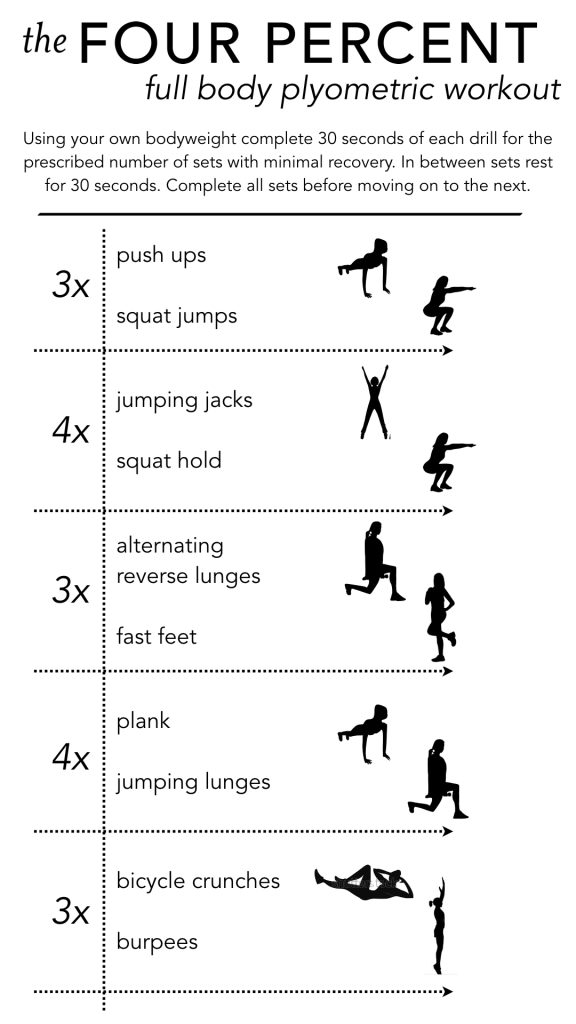
Are you ready to take your fitness routine to the next level without ever leaving the comfort of your home? An at-home plyometric workout might just be the game-changer you need.
Imagine boosting your strength, agility, and endurance all while saving time and money. This workout technique, famous for its explosive movements, is designed to supercharge your muscles and give you noticeable results fast. You might be wondering how it’s possible to achieve such results with no fancy equipment or gym membership.
Well, you’re about to discover the secrets of turning your living room into a powerhouse of fitness. Let’s dive in and explore how you can revolutionize your workout routine right where you are.
Benefits Of Plyometric Exercises
Plyometric exercises are a powerful way to boost your fitness routine. They involve explosive movements that can enhance your strength and speed. These exercises are perfect for those who want to improve their athletic performance. Plus, they can be done at home with little or no equipment.
Increase Strength And Power
Plyometric exercises build muscle power through quick, explosive movements. Jumping exercises, for example, target the lower body. This helps in increasing leg strength. Upper body plyometrics, like clap push-ups, boost arm power. Improved power can enhance your performance in sports and daily activities.
Improve Cardiovascular Health
These exercises elevate your heart rate quickly. This provides a cardiovascular workout that improves heart health. Regular plyometric sessions can increase your endurance. You may notice better stamina in other workouts too.
Enhance Coordination And Balance
Plyometrics require precise movements. This helps improve coordination and balance over time. Exercises like box jumps demand focus and control. Better coordination can reduce the risk of injuries. It aids in performing other exercises more effectively.
Burn More Calories
High-intensity plyometrics burn calories rapidly. This can aid in weight loss efforts. Jumping and quick movements engage multiple muscle groups. This leads to a higher calorie expenditure. Regular plyometric workouts can help maintain a healthy weight.
Increase Flexibility
Jumping and stretching in plyometrics enhance flexibility. Improved flexibility can aid in better athletic performance. It can also reduce muscle stiffness after workouts. Stretching movements help in achieving a wider range of motion.
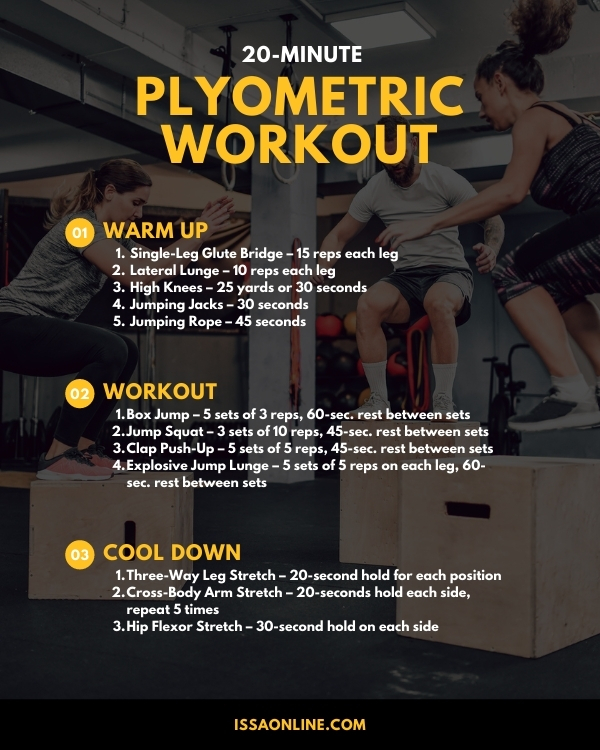
Credit: www.issaonline.com
Essential Equipment
Plyometric workouts are powerful. They help build strength and endurance. Doing them at home saves time and money. But you need the right tools. The right equipment ensures safety and effectiveness. Let’s dive into what you need.
Jump Rope
A jump rope is versatile. It boosts your heart rate quickly. It’s perfect for warm-ups. It also improves coordination and agility. Plus, it’s affordable and easy to store.
Plyometric Box
The plyometric box is a must-have. It challenges your strength and speed. Choose a sturdy box. Make sure it’s stable. You can use it for jumps, steps, and more.
Mat
A good mat provides comfort. It reduces impact on your joints. A non-slip mat is crucial. It prevents accidents during intense workouts.
Resistance Bands
Resistance bands add variety. They increase workout intensity. They also improve muscle tone. Plus, they are lightweight and portable.
Warm-up Routine
Plyometric workouts are all about explosive movements, requiring your muscles to exert maximum force in short intervals. To get the most out of these exercises, you need to start with a solid warm-up routine. A good warm-up not only prepares your body for the intensity ahead but also reduces the risk of injury. Think of it as a way to tell your muscles, “Get ready, we’re about to do something amazing!”
Dynamic Stretching
Dynamic stretching is about movement, not static holds. Imagine your muscles as rubber bands; you need to stretch them while in motion. Begin with leg swings, arm circles, and torso twists. These movements increase your range of motion and get your blood flowing. Try doing each stretch for 30 seconds, ensuring you feel a gentle pull, not pain.
Light Cardio
Cardio isn’t just for the treadmill or bike. You can kickstart your heart rate with jumping jacks or high knees right in your living room. Just five minutes of light cardio gets your heart pumping and your muscles warm. It’s a small investment of time that pays off big when you start your workout.
Joint Activation
Your joints are the unsung heroes of any workout. Without them, movement would be impossible. Spend a few minutes focusing on joint activation exercises like ankle circles and wrist rotations. This helps lubricate your joints and prepares them for quick movements. It’s a simple yet effective way to prevent stiffness.
Mental Focus
Warm-ups aren’t just physical. They’re mental too. Take a moment to visualize your workout and set your intentions. Think about how you want to feel when you finish your session. This mental preparation can improve your performance and keep you motivated. What’s your goal today?
Remember, a warm-up isn’t just a prelude to the main event. It’s a crucial part of your workout that primes your body and mind for action. Next time you’re about to launch into plyometrics, give yourself the gift of a thorough warm-up. You’ll thank yourself later when you’re jumping higher and feeling stronger!
Beginner Plyometric Exercises
Plyometric exercises are a fantastic way to boost your fitness routine at home. These explosive movements help build strength, speed, and agility, making them an excellent choice for anyone looking to improve their overall fitness. As a beginner, starting with basic plyometric exercises can set the foundation for more advanced moves. Dive into these beginner-friendly exercises to start feeling the benefits of plyometrics.
Jump Squats
Jump squats are the perfect way to get your heart pumping while strengthening your legs. Begin by standing with your feet shoulder-width apart. Lower into a squat, keeping your chest up and your knees behind your toes. Explode upwards, jumping as high as you can. Land softly and immediately descend back into a squat. Repeat for 10 to 15 reps.
Have you ever noticed how quickly your legs burn during jump squats? That’s your muscles telling you they’re getting stronger with each jump.
Lateral Bounds
Lateral bounds are excellent for enhancing balance and coordination. Start by standing on one foot, with the other foot slightly off the ground. Push off your standing foot, jumping sideways and landing on the opposite foot. Swing your arms to maintain balance. Aim for 10 reps on each side.
Imagine playing a game of hopscotch, but sideways—lateral bounds are all about hopping from one side to the other. Feel your stability improve with each leap.
Tuck Jumps
Tuck jumps are a powerful exercise to elevate your fitness level. Stand tall with your feet shoulder-width apart. Jump up, pulling your knees toward your chest. Land softly, absorbing the impact with your knees slightly bent. Complete 10 to 12 repetitions.
Think about jumping over an invisible hurdle. With each tuck jump, you’re challenging your body to reach new heights.
Starting with these beginner plyometric exercises can dramatically improve your fitness. Have you tried them yet? What challenges did you face, and how did you overcome them? Share your experiences in the comments below.
Intermediate Plyometric Exercises
Plyometric exercises boost strength and speed. Intermediate workouts are perfect for those past the beginner stage. They challenge muscles more intensely, enhancing athletic performance. These exercises help burn calories effectively. They require minimal equipment, making them ideal for home workouts.
Box Jumps
Find a sturdy box or platform. Stand with feet shoulder-width apart. Bend knees slightly and jump onto the box. Land softly with bent knees. Step back down carefully. Repeat for several reps. Box jumps build leg power and agility. Ensure the surface is stable to prevent injuries.
Burpees
Start standing upright. Drop into a squat position. Place hands on the floor. Kick feet back into a plank. Perform a push-up. Jump feet back to the squat. Jump up with arms overhead. Land softly and repeat. Burpees enhance endurance and coordination. They engage multiple muscle groups.
Plyo Lunges
Begin in a lunge stance. Jump up explosively. Switch legs mid-air. Land in a lunge with the opposite leg forward. Keep movements controlled and balanced. Plyo lunges improve leg strength and stability. They also boost cardiovascular fitness. Perform several sets for best results.
Advanced Plyometric Exercises
Jump higher and move faster with advanced plyometric exercises at home. Improve strength and agility using simple drills. Perfect for boosting cardio and muscle power without gym equipment.
Enhance your fitness routine with advanced plyometric exercises that test your strength, coordination, and agility. These exercises push your body to new limits, offering a dynamic way to build explosive power. Ready to challenge yourself? Let’s dive into some thrilling moves you can master at home.Depth Jumps
Depth jumps take your workout to the next level by improving your reactive strength. Stand on a sturdy box or step, about 12-24 inches high. Step off and land softly on both feet, immediately jumping as high as you can upon landing. The key is speed—transition from landing to jumping quickly. This exercise can transform your vertical leap. Are you ready to feel the burn and see the results?Single-leg Hops
Single-leg hops enhance balance and stability, focusing on each leg individually. Start with your right leg and hop forward, backward, and side-to-side. Keep your core tight and maintain a slight bend in your knee. Switch to your left leg and repeat. This exercise is not just about hopping; it’s about control and precision. Notice how your weaker leg improves over time with consistent practice.Clap Push-ups
Clap push-ups add an explosive twist to the traditional push-up, building upper body power. Begin in a push-up position, lower your chest, then push up explosively to lift your hands off the ground and clap. Land softly and continue the motion. It’s a test of strength and timing. Are you feeling the challenge yet? This move not only tones your muscles but also boosts your confidence with every successful clap. Embrace these advanced plyometric exercises as part of your home workout routine. Consistency is crucial, so keep pushing and track your progress. How far can you go?Safety Tips
Plyometric workouts at home are a great way to boost fitness. They improve strength, speed, and agility. But safety must always come first. Without proper precautions, injuries can occur. Following safety tips ensures a safe and effective workout experience.
Warm-up Thoroughly
Begin each session with a solid warm-up. It prepares your body for intense movements. Focus on dynamic stretches and light cardio. This helps increase blood flow and flexibility. A good warm-up reduces the risk of strains and sprains.
Choose The Right Surface
Perform plyometrics on a safe surface. Use a soft mat or grass. Avoid hard surfaces like concrete. They can cause joint injuries. A proper surface absorbs impact and protects your body.
Wear Appropriate Footwear
Wear shoes with good cushioning and support. Proper footwear minimizes impact on your feet. It also provides stability during jumps and landings. This helps prevent slips and falls.
Maintain Proper Form
Focus on technique over speed. Keep your body aligned. Land softly with bent knees to reduce impact. Poor form increases injury risk. Practice slowly to perfect each movement.
Listen To Your Body
Stay tuned to how your body feels. Stop if you feel pain or discomfort. Pushing through pain can cause injuries. Rest if needed and modify exercises if necessary.
Gradually Increase Intensity
Start with basic exercises. Increase intensity as your fitness improves. Avoid sudden jumps in difficulty. Gradual progression builds strength safely. It also helps prevent injuries.
Post-workout Stretching
Post-workout stretching boosts flexibility and helps muscles recover after an intense plyometric workout at home. Target key muscle groups like legs and core for optimal results. A few minutes of stretching can enhance performance and reduce injury risk.
Post-Workout Stretching is an essential part of any plyometric workout. After pushing your body to its limits, stretching helps you cool down and prevent injuries. It’s not just about flexibility; it’s about recovery and preparing for your next workout.Why Stretching Matters
Stretching after a workout helps your muscles relax and recover. It reduces soreness and increases blood circulation. Imagine waking up the next day feeling refreshed instead of stiff.Simple Stretching Routine
Start with simple stretches like toe touches and quad stretches. Hold each stretch for 20-30 seconds to give your muscles time to relax. You don’t need to be a yoga expert to do this effectively.Benefits Of Consistent Stretching
Consistent stretching can improve your flexibility over time. It also helps reduce the risk of injury, keeping you active and healthy. What if you could enjoy your workouts without worrying about pulling a muscle?Personal Experience: Overcoming Soreness
After my first plyometric workout, I skipped stretching and felt sore for days. Adding stretching made a huge difference, and I could see improvements in my performance. Have you ever tried stretching regularly to see if it helps?Stretching Tips
Focus on your breathing while stretching. Deep breaths help your muscles relax. Also, avoid bouncing while stretching to prevent strains. What simple changes can you make to your routine for better results?Common Stretching Mistakes
One common mistake is rushing through stretches. Take your time to ensure proper form. Are you guilty of cutting your stretching short? Commit to it and notice the difference. Stretching is not just an add-on; it’s a crucial part of your workout routine. Give your body the care it deserves by dedicating time to post-workout stretching.Tracking Progress
Tracking progress is crucial in an at-home plyometric workout. It helps you stay motivated and see improvements. Regular tracking can make a big difference. It keeps you accountable and on the right path.
Tracking Methods
Use a fitness app to track your workouts. Many apps offer features to record jumps, squats, and time. Apps help visualize your progress. You can easily compare past performances. Some apps even provide personalized tips.
Journaling Your Progress
Consider keeping a workout journal. Write down your exercises, reps, and sets. Note how you feel after each session. A journal shows trends and patterns in your workouts. You can spot areas that need improvement.
Using Video Recordings
Record your workouts with a smartphone. Videos help review form and technique. Watching yourself can reveal mistakes. Correcting these can enhance performance. Videos also capture your progress visually.
Setting Realistic Goals
Set achievable goals for motivation. Break big goals into smaller steps. Celebrate small victories to stay positive. Goals provide direction and purpose. They keep you focused and dedicated.
Regular Self-assessments
Perform self-assessments every few weeks. Check your strength and endurance levels. Self-assessments highlight your growth. They indicate what is working well. Adjust your routine based on these insights.
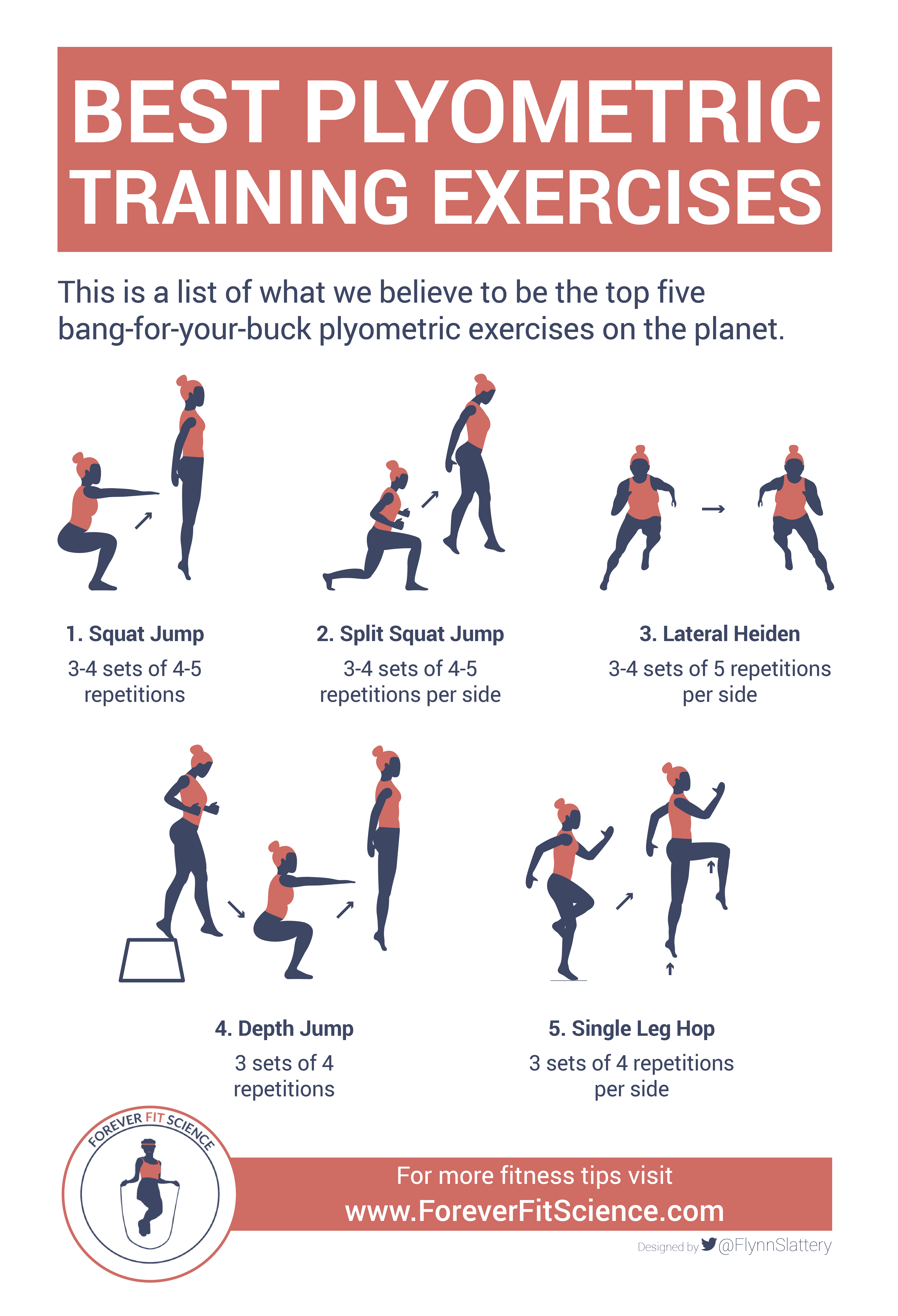
Credit: foreverfitscience.com
Incorporating Plyometrics Into Your Routine
Plyometric exercises are a dynamic way to improve strength and agility. They involve explosive movements, helping boost muscle power and speed. Adding plyometrics to your routine can enhance your workout and lead to better results. Let’s explore how you can effectively incorporate plyometrics into your daily exercise plan.
Benefits Of Plyometrics
Plyometrics increase heart rate and calorie burn. This helps in losing weight. They improve muscle tone and coordination. Athletes use plyometrics for better performance. Regular practice enhances overall fitness.
Choosing The Right Exercises
Select exercises based on your fitness level. Beginners can start with jump squats and lunges. More advanced athletes might try box jumps and burpees. Ensure you have a clear space for safety.
Frequency And Intensity
Begin with two sessions each week. Gradually increase as your strength improves. Keep intensity moderate to avoid injury. Listen to your body and rest when needed.
Warm-up And Cool-down
A proper warm-up is crucial. Stretch your muscles and joints before starting. Cooling down helps prevent soreness. Spend time on gentle stretches post-workout.
Keep a journal of your workouts. Note improvements in strength and endurance. Celebrate milestones like increased reps or shorter rest times. Tracking helps maintain motivation.

Credit: ar.pinterest.com
Frequently Asked Questions
Can You Train Plyometrics At Home?
Yes, you can train plyometrics at home. Use simple equipment like jump ropes or resistance bands. Perform exercises like jump squats, burpees, and box jumps. Ensure you have enough space and a safe surface to land on. Consistency and proper technique enhance results and reduce injury risk.
Is 20 Minutes Of Plyometrics Enough?
Yes, 20 minutes of plyometrics can be effective. It boosts cardiovascular health and enhances athletic performance. Consistency and proper form are key for maximum benefits. Adjust intensity based on fitness level to avoid injury. Always include a warm-up and cool-down.
Is It Ok To Do Plyometrics Every Day?
Doing plyometrics daily isn’t recommended. Muscles need time to recover to prevent injury. Aim for 2-3 sessions weekly. Rest days help improve performance and reduce strain. Listen to your body and consult a fitness expert for personalized advice.
What Is A Disadvantage Of Plyometric Training?
Plyometric training increases injury risk due to high-impact, explosive movements. It’s not suitable for beginners or those with joint issues. Proper technique and supervision are essential to prevent injuries and ensure safety.
Conclusion
Plyometric exercises bring energy and fun to your home workouts. They’re effective for building strength and speed. No need for fancy equipment. Just your body and a little space. Consistency is key. Stick with it, and you’ll see progress. Listen to your body.
Rest when you need to. Safety first, always. Challenge yourself, but be smart. Enjoy the process. Fitness should be fun and rewarding. Your health and well-being matter most. Keep moving, stay active, and enjoy the journey. Remember, every little step counts.
You’re doing great. Keep up the good work!








