Are you tired of crowded gyms and expensive memberships? Imagine transforming your home into a personal fitness haven with just one piece of equipment: a bench.
Whether you’re a fitness newbie or a seasoned pro, a bench workout at home can revolutionize your exercise routine. Picture yourself gaining strength, boosting your energy levels, and sculpting your body—all within the comfort of your own space. This isn’t just about convenience; it’s about empowering you to take control of your fitness journey.
Curious about how a simple bench can deliver such powerful results? Keep reading to discover the secrets of effective bench workouts that can be tailored to fit your schedule and fitness goals.
Benefits Of Bench Workouts
Bench workouts at home offer a range of benefits for fitness enthusiasts. They are versatile, effective, and can be tailored to suit individual needs. Whether targeting strength, endurance, or flexibility, using a bench can enhance your workout routine significantly.
Increased Muscle Strength
Bench workouts build muscle strength efficiently. They engage multiple muscle groups at once. This boosts your overall strength. Exercises like bench presses target chest, shoulders, and triceps.
Improved Core Stability
Using a bench helps improve core stability. Many bench exercises require balance and control. This activates your core muscles. Stronger core muscles support better posture and reduce injury risk.
Enhanced Flexibility
Bench workouts enhance flexibility. They allow a full range of motion. Stretching exercises on a bench improve flexibility. Flexible muscles can move more easily and prevent strain.
Convenient And Versatile
Bench workouts are convenient and versatile. A bench offers numerous exercise options. You can perform both cardio and strength workouts. This variety keeps your routine interesting and effective.
Effective At Home
Bench workouts are effective at home. You need minimal equipment. A bench and weights are often enough. This makes it easy to maintain a consistent workout routine. Home workouts save time and offer privacy.
Credit: xmarkfitness.com
Choosing The Right Bench
Selecting the right bench for your home workout is crucial for comfort and effectiveness. Ensure the bench is sturdy, adjustable, and fits your space. A well-chosen bench enhances your exercise routine, offering support for various workouts.
Choosing the right bench for your home workout is crucial. A good bench provides stability and support. It enhances your workout experience and helps you achieve fitness goals. With various types available, picking the right one can be overwhelming. Let’s dive into the types of benches and considerations for home use.Types Of Benches
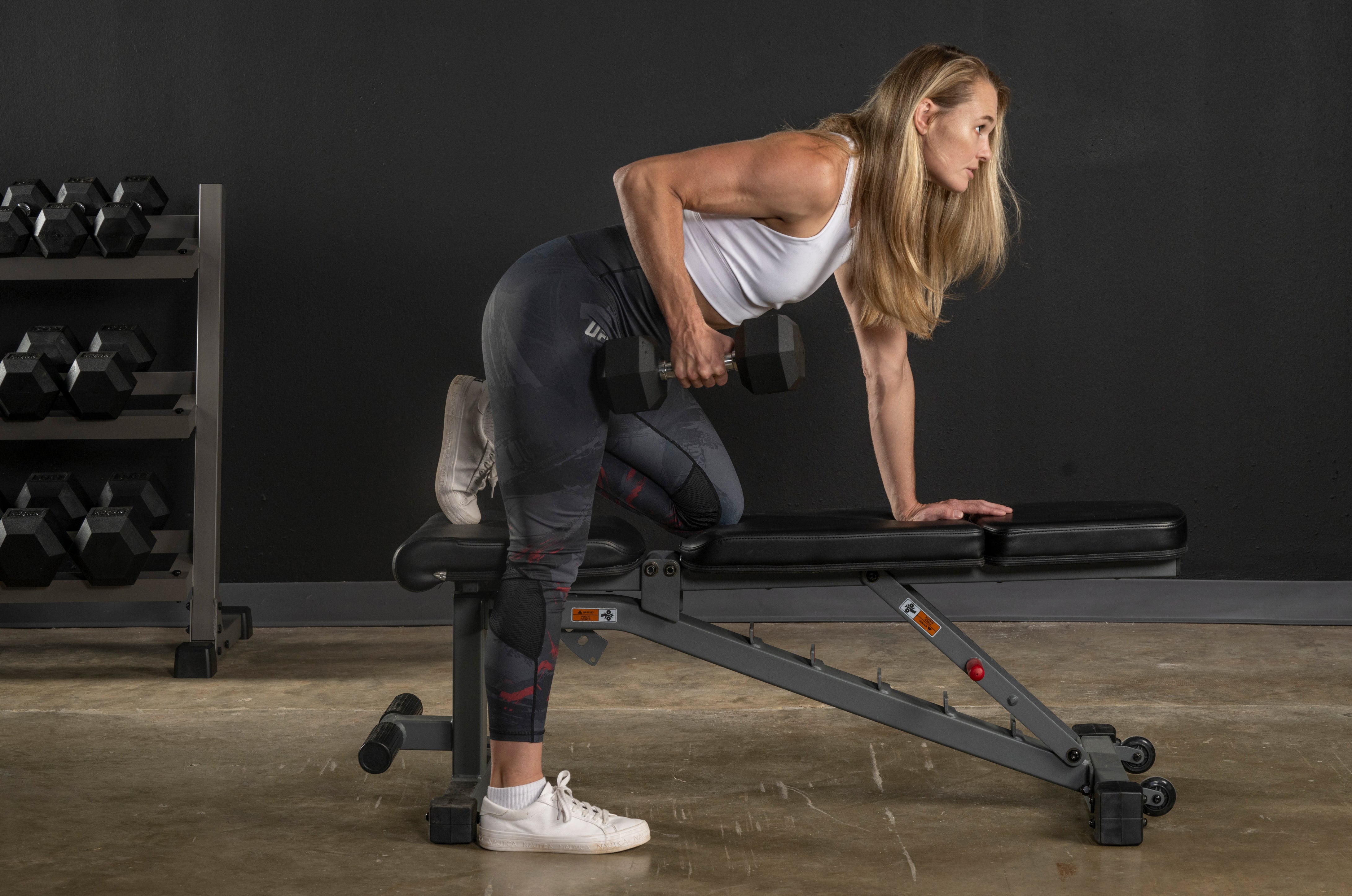
Different benches suit different needs. Flat benches are versatile. They support many exercises like chest presses and dumbbell rows. Adjustable benches offer more flexibility. You can change the angle to target different muscle groups. Some benches come with added features. Features like leg holds for decline exercises or built-in racks for weights. Foldable benches save space. They are great for small homes or apartments. Each type has unique benefits for your workout routine.Considerations For Home Use
Think about space. Measure the area where you plan to place the bench. Ensure it fits without crowding the space. Consider the bench’s weight capacity. You want a sturdy bench that supports your weight and additional load. Look at the material and build quality. Durable materials like steel ensure longevity. Check if the bench is easy to assemble. Many benches come with user-friendly instructions. Portability is another factor. A bench that folds or has wheels is easy to move. Cost matters too. Compare prices to find a bench that fits your budget.Essential Equipment
Building a bench workout routine at home is convenient. You don’t need a gym membership. Essential equipment transforms your living room into a fitness space. This equipment helps achieve various workout goals. Each item serves a unique purpose. Let’s explore the essentials for your bench workout.
Dumbbells And Weights
Dumbbells are versatile. They can be adjusted to fit your strength level. Use them for chest presses and flyes. They strengthen muscles efficiently. Choose weights that challenge you. Start with lighter ones and progress. Dumbbells help tone and build muscle.
Resistance Bands
Resistance bands are compact. They offer different levels of tension. Great for adding resistance without heavy weights. Use them for bench rows and shoulder presses. They enhance flexibility and strength. Easy to store and travel with. Ideal for full-body workouts.
Workout Mat
A workout mat provides comfort. It protects your joints during exercises. Essential for floor exercises like sit-ups. Choose a mat with good thickness. It reduces strain on your back. Mats prevent slipping during intense workouts. They help maintain stability.
Upper Body Exercises
Working out at home offers convenience and flexibility. Upper body exercises are essential for building strength. A bench can be used effectively for this purpose. With some creativity, you can target your chest, arms, and shoulders.
Chest Press Variations
Chest press exercises develop strength and muscle in your upper body. Use dumbbells or a barbell for different variations. Start with the flat bench chest press. Lie back with weights in each hand. Push them up slowly and bring them back down. Try the single-arm chest press for more challenge. It engages your core and stabilizes your body.
Incline Push-ups
Incline push-ups focus on your upper chest and shoulders. Use the bench to elevate your hands. Position yourself in front of the bench. Place your hands on it, shoulder-width apart. Keep your body straight and lower yourself down. Push back up to the starting position. This variation is great for beginners. Adjust the incline to increase difficulty.
Tricep Dips
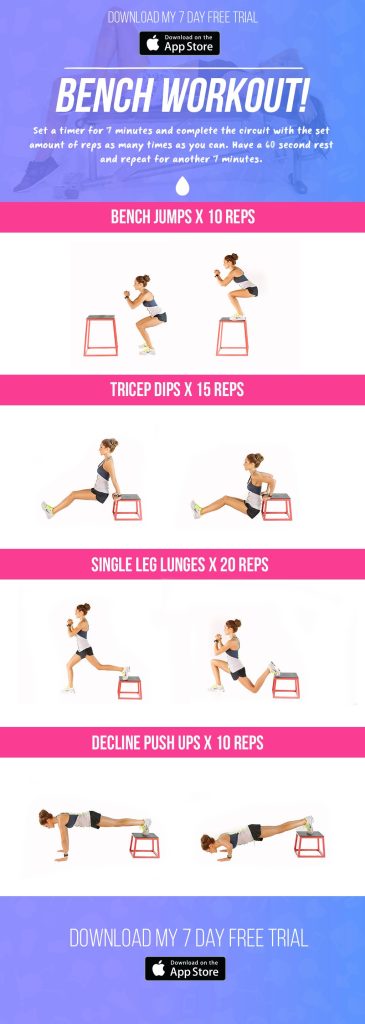
Tricep dips are excellent for arm development. Sit on the edge of the bench. Place your hands beside you, fingers facing forward. Slide forward off the bench, supporting your weight with your arms. Lower your body by bending your elbows. Push back up to return to the starting position. Keep your elbows close to your body for best results.
Lower Body Exercises
Transform your home bench into a powerhouse for lower body workouts. Whether you’re looking to sculpt your legs, strengthen your glutes, or improve your overall fitness, the bench is your ally. Dive into these exercises to bring a gym-level intensity right to your living room.
Step-ups
Step-ups are a fantastic way to engage your quads and glutes. They’re simple yet effective. Start by standing in front of your bench. Place one foot firmly on the bench, then push through your heel to lift your body up. Alternate legs for a balanced workout.
Feel the burn? That’s your muscles thanking you! Adjust the height of your bench to increase intensity. You can add dumbbells for an extra challenge. This is an exercise that grows with you.
What if you want more than just stronger legs? Step-ups also boost your heart rate, providing a cardio element. Who knew a simple step could pack such a punch?
Bench Squats
Bench squats are perfect for building strength and stability. Stand with your back facing the bench and feet shoulder-width apart. Lower yourself as if sitting, letting your glutes touch the bench lightly before standing back up.
This is not just a squat—it’s a controlled movement that engages your core. The bench helps maintain proper form, ensuring your knees don’t extend past your toes.
Why stop there? Add weights or increase reps for greater muscle growth. Feel the difference in your everyday movements. Squats aren’t just for athletes—they’re for anyone wanting strength.
Glute Bridges
Glute bridges are a game-changer for your posterior chain. Lie on the floor with your feet on the bench. Push through your heels, lifting your hips towards the ceiling. Hold at the top, then lower slowly.
Notice how your glutes and hamstrings come alive. This exercise targets muscles often overlooked. It’s simple but effective, perfect for all fitness levels.
Want to take it up a notch? Add a weight to your hips or increase the number of sets. Feel the strength and support as your lower body evolves. Your bench is more than furniture—it’s your fitness companion.
Are these exercises part of your routine yet? Challenge yourself and see how far you can go. Remember, your bench is waiting for you. What’s stopping you from achieving your fitness goals right at home?
Core Strengthening
Building core strength is key for overall fitness. A strong core improves balance and stability. It supports daily activities and enhances workout performance. You don’t need a gym to work on your core. A simple bench at home can do wonders. Focus on effective exercises to strengthen your core muscles. Let’s dive into some core-strengthening exercises you can do with a bench.
Russian Twists
Russian Twists target the obliques and abdominal muscles. Sit on the bench with feet off the ground. Lean back slightly to engage your core. Hold your hands together and twist your torso side to side. Keep your movements controlled for maximum effect. This exercise enhances core stability and balance.
Leg Raises
Leg Raises are excellent for lower abdominal muscles. Lie on your back on the bench. Place your hands under your glutes for support. Keep your legs straight and lift them towards the ceiling. Slowly lower them back down without touching the bench. This engages your core throughout the exercise.
Plank Variations
Plank Variations offer a full-core workout. Start with a basic plank position. Place your forearms on the bench. Keep your body in a straight line from head to heels. Try side planks to target the obliques. Hold each position for 30 seconds. Increase the duration as your strength improves.
Incorporating Cardio
Incorporating cardio into your bench workout at home boosts heart health. It also helps burn calories. Cardio enhances overall fitness levels. Using a bench offers versatility. It allows for dynamic movements. Let’s explore some effective cardio exercises.
Bench Hops
Bench hops are a great cardio workout. They engage your lower body. Start by standing in front of your bench. Place your feet shoulder-width apart. Bend your knees slightly. Jump onto the bench with both feet. Land softly. Step or jump back down. Repeat for a set number of reps. This exercise increases heart rate. It also builds leg strength.
Mountain Climbers
Mountain climbers are perfect for a full-body cardio boost. Begin in a plank position. Place your hands on the bench. Keep your body straight. Quickly alternate bringing knees to your chest. Maintain a steady pace. This exercise engages your core. It also elevates your heart rate. Ideal for burning calories.
Burpees
Burpees offer a challenging cardio workout. Stand in front of the bench. Drop into a squat position. Place your hands on the bench. Kick your feet back. You should be in a plank position. Jump your feet back to your hands. Stand up and jump. Repeat. This exercise enhances endurance. It also strengthens multiple muscle groups.

Credit: www.ritkeeps.com
Creating A Balanced Routine
Building a balanced bench workout routine at home improves strength and flexibility. Simple exercises like push-ups and tricep dips can enhance muscle tone. Adjust repetitions to suit your fitness level.
Creating a balanced bench workout routine at home is essential for achieving your fitness goals. It’s all about harmonizing the key elements of exercise to ensure your body is challenged yet well-cared for. Whether you’re a beginner or seasoned enthusiast, finding this balance can make a significant difference in your progress and overall well-being. Let’s dive into some core aspects to help you create a routine that’s both effective and sustainable.Frequency And Duration
How often should you work out and for how long? Striking the right balance in frequency and duration is crucial. Working out too often can lead to fatigue, while not enough won’t yield results. A good rule of thumb is to aim for 3-4 sessions a week. Each session can last anywhere from 30 to 45 minutes. This frequency allows your muscles to grow and recover, preventing burnout. Finding what works for your schedule and lifestyle is key.Rest And Recovery
Rest is as important as the workout itself. After an intense bench session, your muscles need time to recover and rebuild. Neglecting this can lead to injury or fatigue, hindering your progress. Consider incorporating rest days or lighter activity days. Listen to your body—if you feel overly tired, it might be a sign to take it easy. How do you ensure you’re giving your body the break it deserves?Tracking Progress
Tracking your progress is a fantastic way to stay motivated and see how far you’ve come. It’s not just about recording the weights you’re lifting, but also how you feel, both physically and mentally. Keep a journal or use a fitness app to note down your workouts and any changes you observe. Celebrate small victories; did you manage an extra rep or feel more energized? Engage with your progress actively; it helps you adjust your routine and stay on track with your goals. Are you noticing improvements in strength or endurance?Safety Tips And Precautions
Ensure a safe bench workout at home by using sturdy equipment and keeping your space clear. Warm up your muscles to prevent injuries, and maintain proper form throughout exercises. Always listen to your body and avoid pushing through pain.
Working out at home can be a great way to stay fit, especially when you have a bench to assist in your exercises. However, safety should always be your top priority. Whether you’re just starting your fitness journey or you’re a seasoned athlete, understanding safety tips and precautions can make all the difference. This section will guide you through maintaining proper form, avoiding common injuries, and listening to your body, ensuring your home workouts are both effective and safe.Proper Form
Proper form is essential in every exercise to prevent injuries and maximize your workout benefits. When using a bench, ensure your back is straight and your core is engaged during exercises like bench presses or step-ups. Visualize your movements before you start, and perform them slowly to ensure accuracy. Practicing in front of a mirror can help you spot any misalignment. If you’re unsure about your form, consider watching online tutorials or consulting a fitness professional. Even a small adjustment can significantly improve your workout efficiency and safety.Avoiding Common Injuries
Home workouts can lead to injuries if you’re not careful. Strains, sprains, and even fractures can occur if exercises are performed incorrectly. Common injuries often arise from overreaching or using weights that are too heavy. Start with lighter weights and gradually increase as you become more confident. Warm up properly before starting your workout to prepare your muscles and joints. A few minutes of stretching can prevent many injuries and enhance your performance.Listening To Your Body
Your body communicates its limits, and listening to it is crucial. If you feel pain or discomfort, stop immediately and assess the situation. Ignoring pain can lead to more severe injuries, which might set back your progress. Remember, there’s a difference between pushing your limits and pushing too hard. Consider incorporating rest days into your routine to allow your body to recover. Are you giving your body the care it needs to sustain a healthy workout habit? Balancing exercise with proper rest is key to staying injury-free. Incorporating these safety tips can transform your home bench workouts from risky to rewarding. Always prioritize your well-being and enjoy the journey towards fitness.
Credit: www.youtube.com
Frequently Asked Questions
What Is The 6 12 25 Rule?
The 6 12 25 rule is a budgeting guideline. Allocate 6% for education, 12% for savings, and 25% for housing expenses. This helps maintain financial stability and promotes smart money management. Adjust percentages based on personal needs and financial goals for effective budgeting.
How To Train Bench At Home?
Start with push-ups to build chest strength. Use resistance bands for added resistance. Gradually increase reps and sets. Incorporate dumbbell presses on a stable surface. Maintain proper form to prevent injury. Consistency is key for effective results.
What Is 5 4 3 2 1 Strength Training?
5 4 3 2 1 strength training involves performing five sets with decreasing reps: 5, 4, 3, 2, and 1. This method targets muscle strength and hypertrophy by progressively increasing weight while reducing repetitions. It’s an effective and structured approach for building strength efficiently.
How Much Should A 170 Lb Man Bench Press?
A 170 lb man should aim to bench press 170 lbs, matching his body weight. This is considered average strength. Strength levels vary, so personal goals and fitness levels should guide targets. Beginners might start with less, while experienced lifters can exceed this.
Always prioritize proper form and safety.
Conclusion
A bench workout at home keeps fitness simple and accessible. You don’t need fancy equipment. Just a bench and motivation. You save time and money by exercising at home. This routine suits beginners and pros alike. Mix different exercises for full-body results.
Stay consistent. It boosts your strength and confidence over time. Enjoy the flexibility of working out on your schedule. Your fitness journey starts with small steps. Keep pushing your limits. Feel the benefits each day. Health and fitness made easy at home.
Stay active and happy!








