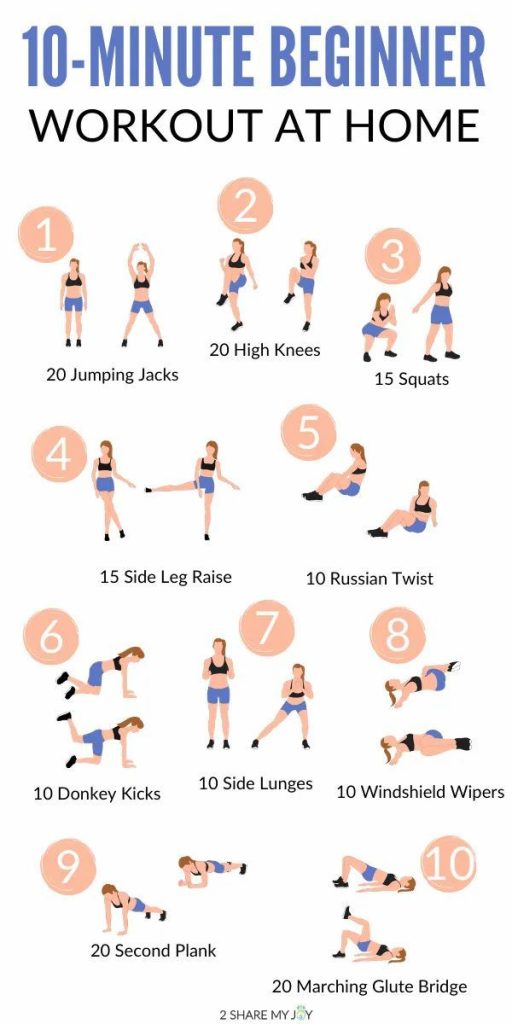
Ready to get fit without stepping out of your front door? You’re in the right place!
A basic workout routine at home can be your perfect solution for getting in shape, saving time, and cutting costs on expensive gym memberships. Imagine transforming your living space into a personal fitness hub. It’s simpler than you think! You’ve got the power to improve your health and boost your energy levels, right where you are.
Whether you’re a fitness newbie or looking to shake up your existing routine, this guide will show you how to make the most of what you have. No fancy equipment? No problem. You just need a little motivation, some clear space, and the exercises we’re about to dive into. Curious about how to get started and maintain a routine that fits your lifestyle? Stick around, because we’re about to reveal the secrets of effective home workouts that can transform your fitness journey. Your path to a healthier you is just a few scrolls away!
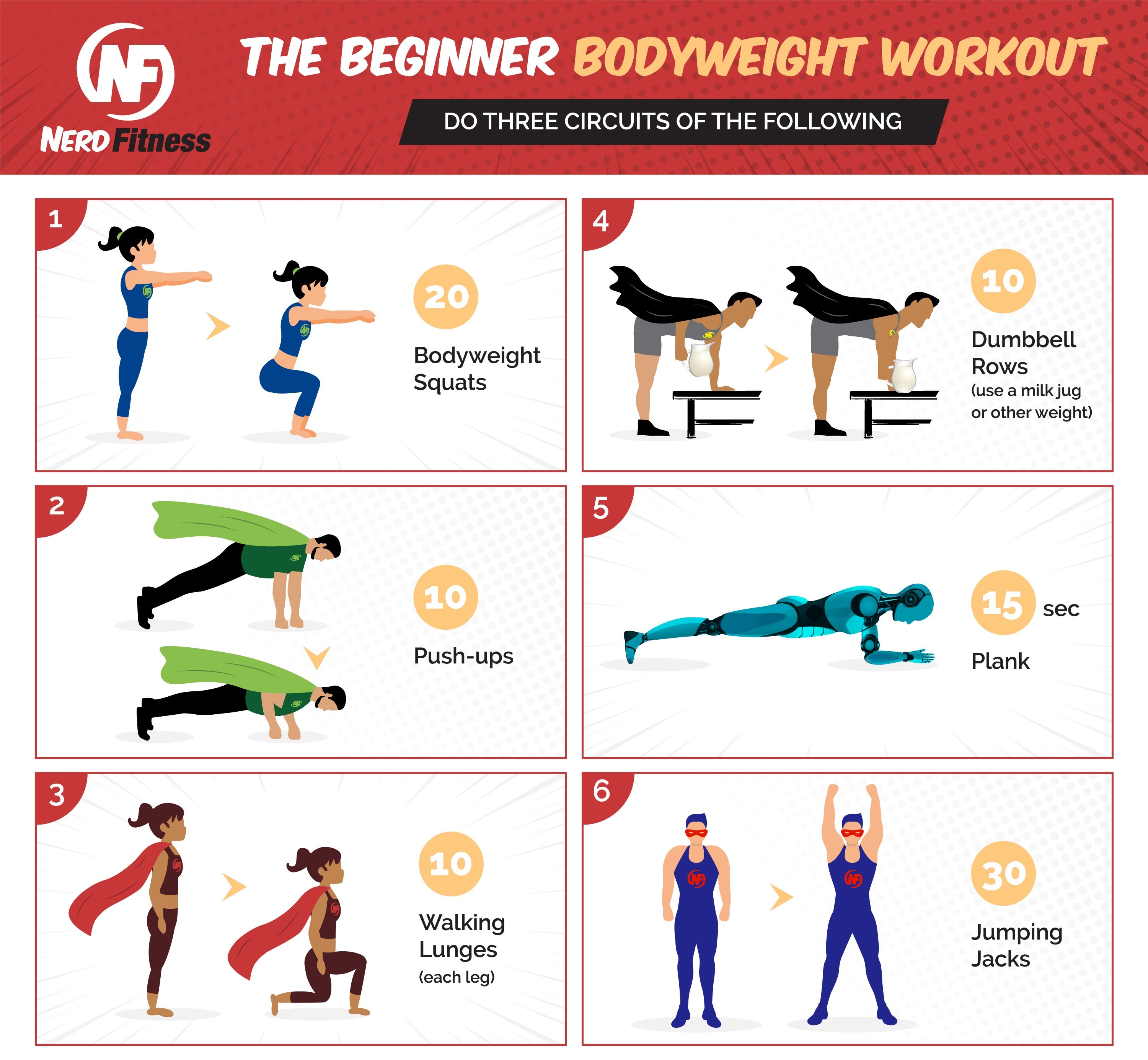
Credit: www.nerdfitness.com
Benefits Of Home Workouts
Home workouts offer flexibility and convenience, allowing individuals to exercise anytime without travel. A basic routine at home saves time and money while improving fitness levels.
Home workouts have gained popularity, and for good reasons. They provide flexibility, save time, and can be tailored to suit your personal fitness goals. Whether you’re a busy professional or a stay-at-home parent, the benefits of exercising at home can significantly improve your lifestyle.Convenience And Flexibility
Home workouts allow you to exercise at any time that suits you. There’s no need to adhere to gym hours or rush to a class. You can fit in a quick 20-minute session before breakfast or unwind with yoga after a long day. You also save the time you’d spend commuting to and from the gym. This can be particularly beneficial if you have a tight schedule. Imagine using that extra time to relax or engage in a hobby you love.Cost-effective
Working out at home can be easy on your wallet. There’s no need for a gym membership or pricey equipment. Many effective exercises only require your body weight, such as push-ups, squats, and planks. Invest in a few basic items like a yoga mat, resistance bands, or dumbbells if you wish to vary your routine. These are relatively inexpensive compared to a year’s worth of gym fees.Privacy And Comfort
Some people feel self-conscious exercising in front of others. At home, you can work out in privacy, wearing whatever makes you comfortable. You don’t need to worry about gym etiquette or waiting for equipment. This comfort can lead to better focus and more consistent workouts. When you feel at ease, you’re more likely to enjoy the process and stick with it long-term.Customization And Personalization
Home workouts offer the freedom to personalize your routine. You can select exercises that target specific areas you want to improve. There are countless online resources and apps to guide you, so variety is never an issue. Think about what you enjoy—dance, strength training, or Pilates. You have the power to create a routine that keeps you motivated and excited to work out.Encourages Family Involvement
Exercising at home opens the door for family participation. You can set a positive example and encourage healthy habits in your household. Family workouts can be a fun way to bond and keep everyone active. Consider a weekend workout challenge or evening yoga sessions. These shared experiences can strengthen family ties and boost everyone’s mood. Have you tried working out at home? What changes did you notice in your routine or lifestyle?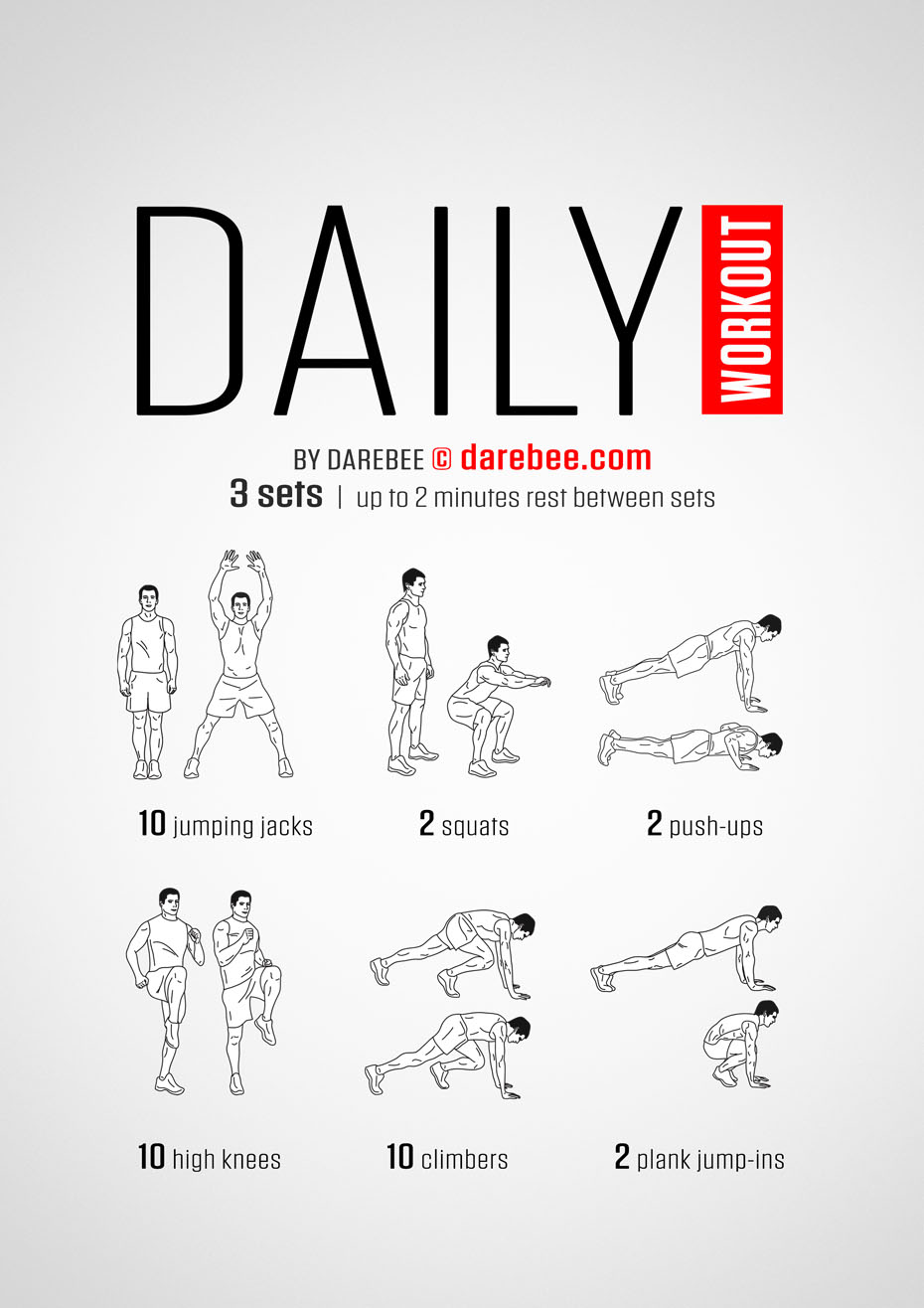
Credit: darebee.com
Setting Up Your Workout Space
Setting up your workout space at home is crucial for maintaining a consistent exercise routine. A well-organized area not only enhances your focus but also motivates you to keep moving. Let’s dive into how you can transform a corner of your home into a perfect workout zone.
Choosing The Right Area
Your workout space doesn’t need to be large, but it should be functional. Look for a spot with enough room for movement. If you often feel cramped, you might skip your exercises.
Consider a place with good ventilation. Fresh air can boost your energy levels during workouts. A living room corner or even a balcony can work wonders.
Is there a place where you feel most relaxed? Choose an area that feels right for you. This can help create a positive association with your workout sessions.
Essential Equipment
You don’t need fancy gear to start exercising at home. A yoga mat is a versatile tool for stretching and floor exercises. Think about getting a pair of dumbbells for strength training.
Resistance bands can add variety to your routine without taking up much space. They’re perfect for working on muscle groups without heavy weights.
Have you considered using household items? A sturdy chair can be used for tricep dips or step-ups. Look around; creativity can save you money.
Creating A Motivating Environment
The right atmosphere can make or break your workout. Hang motivational quotes on the wall to inspire you when the going gets tough.
Music can be your best workout buddy. Make a playlist of your favorite upbeat tracks and let them fuel your sessions.
Why not add a touch of personalization? Display your progress chart to keep track of achievements. Celebrating small wins keeps you motivated.
Have you ever skipped a workout because your space felt uninspiring? It’s time to rethink your setup. A few changes can turn it into a place you look forward to visiting every day.
Warm-up Exercises
Whether you’re a fitness newbie or a seasoned athlete, warming up before a workout is essential. It prepares your body for the physical demands ahead and reduces the risk of injury. Think about the last time you rushed into a workout without warming up. Did you feel stiff or sore afterwards? A proper warm-up can be the difference between a successful workout and a painful setback.
Importance Of Warming Up
Warming up increases your heart rate gradually, improving blood flow to your muscles. This prevents strains and sprains. Plus, it boosts your mental focus, setting a positive tone for your workout. Imagine diving straight into high-intensity exercises without mentally preparing yourself. That’s like trying to sprint before you’ve learned to walk.
By warming up, you’re not only protecting your body but also enhancing your performance. Your muscles become more elastic and ready to take on challenges. This can lead to better results and more efficient workouts.
Simple Warm-up Routines
Start with dynamic stretches like arm circles and leg swings. These movements increase blood flow and flexibility. Have you tried jumping jacks or high knees? They’re simple yet effective for getting your heart rate up.
Consider adding some yoga poses, such as the cat-cow stretch, to ease tension in your back. If you’re working out in the morning, a gentle neck roll can wake up your senses. You’ll feel more alert and ready to tackle your workout.
Find what works for you. Maybe a brisk walk around your living room or some easy squats. What gets your body moving and your mind focused? Tailor your warm-up to match your workout intensity and personal preferences.
Warm-up exercises are your workout’s first impression. Are you giving your body the prep it deserves? Prioritize warming up, and you’ll see the benefits in your performance and recovery.
Cardio Workouts
Cardio workouts boost heart health and burn calories. They are key to fitness. Doing them at home is easy and fun. You can use minimal equipment. Cardio exercises improve stamina and energy levels. Many options exist. This keeps workouts exciting and varied.
High-intensity Interval Training
High-Intensity Interval Training, or HIIT, raises your heart rate fast. It involves short bursts of intense activity. Then you rest briefly. This method is efficient. It burns calories quickly. You don’t need much space. Exercises like jumping jacks or burpees work well. Aim for 20 minutes. Your body will thank you.
Dance And Aerobic Routines
Dancing is a joyful way to exercise. It engages the whole body. Many online videos guide you. Choose your favorite music. Let the rhythm lead your moves. Aerobic routines are structured. They blend dance with exercise. Steps are easy to follow. They improve coordination. Have fun and get fit at the same time.
Strength Training Exercises
Start with squats and lunges to build leg strength. Add push-ups and planks for upper body and core. Using household items as weights can make exercises more challenging and effective. Stay consistent and increase repetitions for best results.
Strength training exercises play a vital role in a home workout routine. They build muscle, improve strength, and boost metabolism. You don’t need fancy equipment or a gym membership to start. With a few simple tools, you can achieve great results right in your living room.Bodyweight Exercises
Bodyweight exercises are effective for strength training. They require no equipment and can be done anywhere. Push-ups strengthen your chest, arms, and shoulders. Squats target your legs and glutes. Planks enhance core stability and endurance. Lunges work your thighs and calves. These exercises improve muscle tone and functional fitness.Using Resistance Bands
Resistance bands are versatile and affordable. They add intensity to your workouts. You can perform a variety of exercises with them. Bicep curls develop arm strength. Chest presses build upper body power. Rows target back muscles. Leg presses enhance lower body strength. Bands offer different resistance levels, catering to various fitness levels.Incorporating Dumbbells
Dumbbells are great for targeting specific muscle groups. They allow for a wide range of exercises. Shoulder presses build upper body strength. Deadlifts target hamstrings and glutes. Bench presses strengthen chest muscles. Bent-over rows develop back strength. Choose weights suitable for your fitness level. Gradually increase as you progress.Flexibility And Stretching
Flexibility and stretching are vital parts of any workout routine. They improve range of motion and prevent injuries. Stretching can boost performance and help muscles recover faster. It also enhances posture and reduces stress. Practicing flexibility exercises regularly can improve daily activities. Let’s explore some effective techniques.
Stretching Techniques
Start with dynamic stretches to warm up the muscles. Arm circles are a great option. Leg swings also prepare the body for movement. After exercising, switch to static stretches. Hold each stretch for 15 to 30 seconds. Focus on major muscle groups like hamstrings and quadriceps. Remember to breathe deeply to relax the muscles.
Yoga And Pilates At Home
Yoga and Pilates are excellent for flexibility. They build strength and balance too. For yoga, consider poses like Downward Dog and Cobra. These improve flexibility and core strength. Pilates exercises such as the Spine Stretch Forward can also help. They focus on controlled movements and breathing. Both practices can be done with minimal equipment.
Cool-down Practices
Stretching and deep breathing are key cool-down practices in a basic workout routine at home. They help relax muscles and reduce injury risk. Ending your workout with these steps promotes recovery and relaxation.
After pushing your body through a workout, it’s crucial to let it down gently. Cool-down practices might seem like an afterthought, but they’re just as important as the workout itself. They help your body transition from high activity to a resting state, reducing soreness and preventing injuries. Neglecting this step can leave you feeling stiff and uncomfortable the next day. So, what does a good cool-down look like?Importance Of Cooling Down
Cooling down is more than just a moment to catch your breath. It helps lower your heart rate gradually, preventing dizziness or fainting. This gentle transition also aids in the removal of lactic acid, which can cause muscle soreness. Think of it as giving your body the respect it deserves after all the hard work. Have you ever felt more tired after skipping your cool-down? That’s your body missing the chance to ease out of exercise mode. By making cooling down a habit, you enhance your recovery and performance in future workouts.Effective Cool-down Exercises
Not sure where to start with your cool-down? Begin with some light walking or marching on the spot for about five minutes. This simple movement helps bring your heart rate down steadily. Next, focus on stretching major muscle groups. Quadriceps, hamstrings, and calves are good places to start. Hold each stretch for 15-30 seconds, feeling the tension release from your muscles. Incorporate deep breathing exercises to help relax your mind and body. Inhale deeply through your nose, hold for a moment, and exhale slowly through your mouth. You’ll find this not only calms your body but also clears your mind. If you’re looking to add more, consider yoga poses like the Child’s Pose or Cat-Cow Stretch. These poses are gentle on the body and enhance flexibility. Do you have a favorite cool-down exercise that you swear by? Don’t hesitate to share it with others. Your personal experience could be the key to someone else’s success.Creating A Workout Schedule
A basic workout routine at home offers a convenient way to stay fit. Focus on exercises like push-ups, squats, and planks. These exercises help build strength and endurance. Customize your schedule to fit your daily routine, ensuring consistency and gradual progress.
Creating a workout schedule at home can be both liberating and challenging. You have the freedom to tailor your routine to fit your lifestyle, but it requires discipline and planning. A well-structured schedule ensures consistency and helps you stay focused on your fitness goals.Balancing Different Workouts
Striking a balance between different types of workouts is crucial. You don’t want to overburden one part of your body while neglecting others. Consider a mix of cardio, strength, and flexibility exercises. You might start with a simple routine: Monday for cardio, Wednesday for strength training, and Friday for flexibility. This balance can prevent burnout and keep things interesting. Think about your personal goals. Are you aiming to build muscle or improve endurance? Tailor the balance to match your objectives.Tracking Progress
Tracking your progress is an essential part of any workout schedule. It keeps you motivated and shows you how far you’ve come. Use a notebook or a fitness app to jot down your achievements. Record the number of reps, sets, or minutes you spend on each workout. Seeing improvement over time can be incredibly rewarding. Ask yourself: Are you hitting your targets? If not, tweak your schedule. Adjust the intensity or duration to better meet your needs. Creating a workout schedule is a personal journey. It’s about finding what works best for you and sticking to it. Remember, your schedule should reflect your goals and keep you motivated.Staying Motivated
Staying motivated during a home workout routine can often feel like a challenge. However, with a few practical strategies, you can turn this challenge into an opportunity for personal growth. Whether you’re aiming for a healthier lifestyle or a specific fitness goal, keeping your motivation high is key to success.
Setting Achievable Goals
To stay motivated, set clear and achievable goals. Instead of aiming for a complete transformation, focus on small, incremental steps. For instance, you might start by committing to a 20-minute workout three times a week. Once you achieve this, gradually increase your duration or frequency. Tracking your progress will give you a sense of accomplishment and keep you motivated. Remember, it’s about progress, not perfection.
Finding A Workout Partner
Having a workout partner can boost your motivation significantly. A friend or family member can provide encouragement and accountability. You might even find yourself looking forward to your workout sessions as a time to bond. Consider setting joint goals to keep both of you engaged. Sharing your triumphs and challenges can make the journey more enjoyable and less daunting.
Using Fitness Apps
Fitness apps can be a game-changer in your home workout routine. They offer various features such as reminders, tracking, and even virtual competitions. Choose an app that aligns with your goals and preferences. Some apps provide personalized workout plans that adapt to your progress. They can be your digital coach, guiding you through each session and keeping your motivation levels high. Are you using technology to its fullest potential in your fitness journey?
Staying motivated is about finding what works for you. By setting achievable goals, partnering up, and using technology, you’ll be better equipped to maintain your enthusiasm and reach your fitness aspirations.
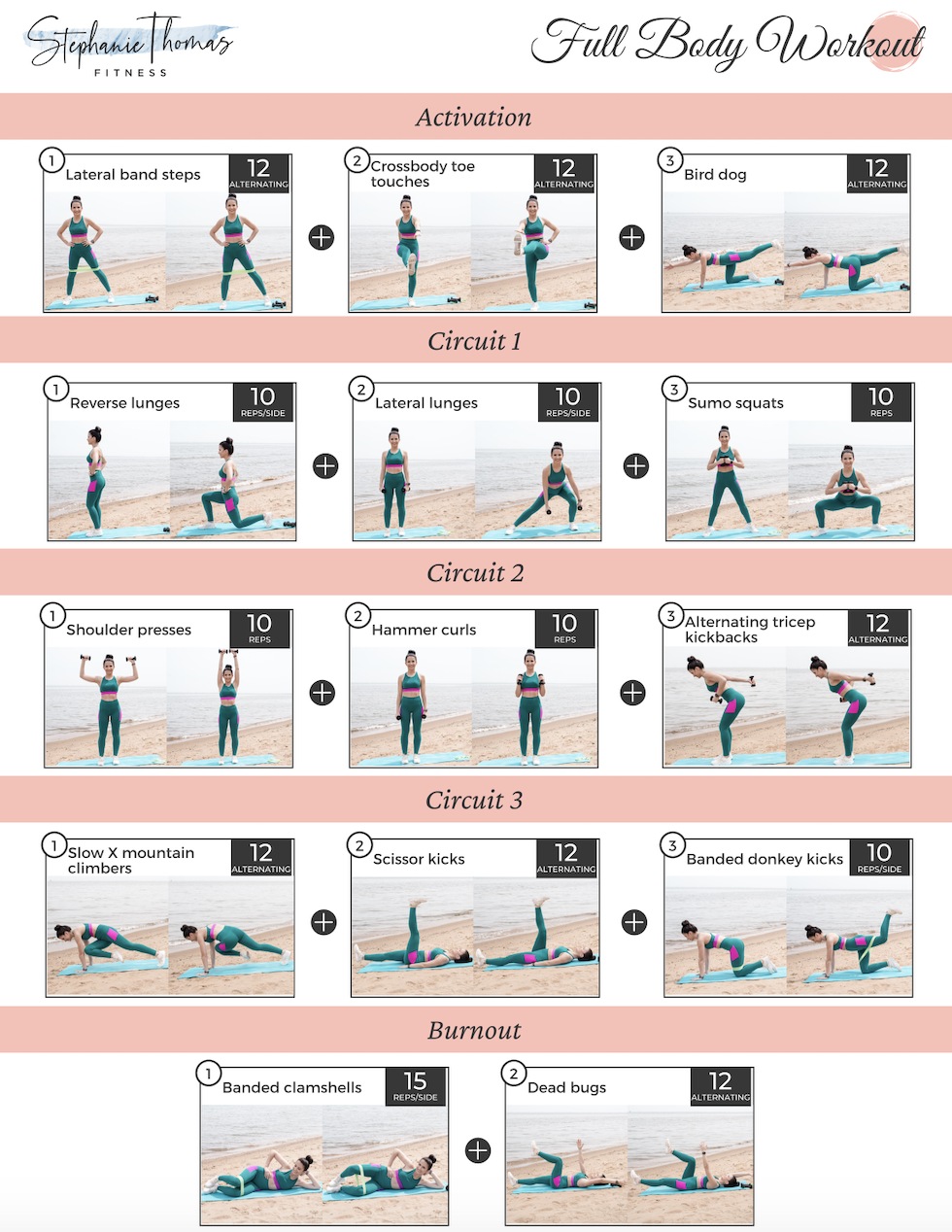
Credit: www.greensafaris.com
Frequently Asked Questions
What Is A Good Workout Schedule For Beginners At Home?
Begin with a mix of cardio, strength, and flexibility exercises. Aim for 20-30 minutes, 3-4 times weekly. Include activities like jumping jacks, bodyweight squats, push-ups, and yoga. Gradually increase intensity and duration as you progress. Ensure proper form to prevent injuries and stay consistent for best results.
What Is The 5 4 3 2 1 Workout Method?
The 5 4 3 2 1 workout method includes five minutes of cardio, four minutes of strength training, three minutes of core exercises, two minutes of flexibility, and one minute of intense activity. This routine ensures a balanced workout targeting various fitness aspects efficiently.
What Is The 5-3-1 Rule In Gym?
The 5-3-1 rule is a strength training program. It involves performing sets of 5, 3, and 1 repetition with progressively increasing weights. This method aims to enhance strength over time by gradually challenging the muscles, focusing on compound lifts like squats, deadlifts, and bench presses.
What Is The 6 12 25 Rule?
The 6 12 25 rule is a budgeting guideline. Allocate 6% of income to savings, 12% to debt payments, and 25% to housing costs. This rule helps manage finances effectively, ensuring balanced spending and saving.
Conclusion
A basic workout routine at home offers many benefits. It’s convenient and flexible. No fancy equipment needed. Just dedication and consistency. Start with simple exercises. Gradually increase intensity as you improve. Stay motivated by setting achievable goals. Track your progress regularly.
Celebrate small victories. Remember, every step counts. Regular exercise boosts mood and energy levels. It also enhances physical health. Make exercise a part of your daily routine. Enjoy the journey towards a healthier you. Stay committed and patient. Results will follow with time and effort.
Fitness at home is achievable for everyone. Keep moving forward.








