Are you tired of the gym and looking for an effective way to strengthen your back from the comfort of your home? The solution might be simpler than you think: a set of dumbbells.
With a few basic exercises, you can target all the major muscles in your back, boosting your strength and improving your posture. Imagine feeling stronger, standing taller, and having a more defined silhouette—all without leaving your house. Intrigued? In this guide, we’ll walk you through a simple yet powerful dumbbells back workout that fits easily into your home routine.
Discover how you can transform your back and enhance your overall fitness with just a pair of dumbbells. Ready to unlock your potential? Let’s dive in!
Benefits Of Dumbbell Back Workouts
Engaging in dumbbell back workouts at home offers numerous benefits. These exercises enhance muscle strength and improve posture. They also support spine health and boost overall fitness. Training with dumbbells targets the back muscles effectively. This makes it easy to perform at home without needing a gym.
Improved Muscle Strength
Dumbbell workouts build stronger back muscles. They target key areas like the lats and traps. This leads to increased strength over time. Stronger muscles support daily activities. They also enhance athletic performance. Regular training ensures steady progress.
Enhanced Posture
Good posture is vital for health. Dumbbell back exercises correct posture issues. They strengthen the muscles that support the spine. This reduces slouching and back pain. Improved posture boosts confidence too.
Spine Health Support
A strong back protects the spine. Dumbbell workouts increase spine stability. They help in maintaining a healthy back. This reduces the risk of injuries. A healthy spine is crucial for daily movements. It supports bending and lifting safely.
Convenience And Flexibility
Exercising at home offers great flexibility. Dumbbells are easy to store and use. They allow for a variety of exercises. You can train anytime that suits you. This convenience encourages regular workouts. It fits well into busy lifestyles.
Cost-effective Exercise
Home workouts save money on gym fees. Dumbbells are a one-time investment. They are affordable and durable. This makes them a cost-effective option. You gain fitness benefits without breaking the bank.
Essential Equipment
Dumbbells are perfect for a back workout at home. They are compact, versatile, and effective. Strengthen muscles with rows and deadlifts.
Working out at home has become increasingly popular, especially for targeting specific muscles like your back. Dumbbells are a versatile piece of equipment that can help you achieve a strong, well-defined back without stepping foot in a gym. But what do you really need to get started? Let’s dive into the essentials that will set you up for success.Adjustable Dumbbells
Adjustable dumbbells are a game changer. They save space and offer flexibility. You can easily modify the weight to match your strength level for different exercises. This flexibility ensures you can progressively challenge yourself as you grow stronger. Plus, they’re perfect for various exercises, from rows to deadlifts.Workout Bench
A workout bench is more than just a seat. It helps stabilize your body during exercises like dumbbell rows. Stability leads to better form and reduces the risk of injury. If space is a concern, opt for a foldable bench. It’s compact yet sturdy and will enhance your workout experience tremendously.Resistance Bands
Resistance bands might seem like a small addition, but they pack a punch. They can be used to add extra tension to dumbbell exercises or as a warm-up tool. Their portability makes them perfect for home workouts. You’ll find that bands can enhance your range of motion and work muscles differently than dumbbells alone.Yoga Mat
A yoga mat is essential for comfort and safety. It provides a non-slip surface, ensuring you maintain proper form throughout your workout. This is particularly useful for floor exercises like planks or bridges. The cushioning also protects your joints, making your workout more enjoyable.Proper Footwear
Don’t overlook the importance of proper footwear. Wearing supportive shoes can prevent slips and protect your feet during standing exercises. This is crucial for maintaining balance and ensuring your movements are precise. Investing in good shoes is investing in your safety. As you set up your home gym, think about what will make your workout effective and enjoyable. What equipment aligns with your space and goals? Make smart choices to create a space that inspires you to keep pushing forward.Proper Form And Technique
Achieving proper form and technique in a dumbbells back workout is crucial for preventing injury and maximizing results. Focus on controlled movements and maintain a straight back to effectively target muscles. Keep elbows slightly bent and avoid swinging weights to ensure safety and effectiveness.
Working out at home can be just as effective as hitting the gym, especially when you pay attention to proper form and technique. It’s easy to overlook these aspects, but they make all the difference in your results and injury prevention. Let’s explore how to get the most out of your dumbbell back workout at home by focusing on the fundamentals.Understanding Proper Form
Proper form is all about maintaining control and alignment during your exercises. It keeps your movements effective and safe. Imagine you’re drawing a straight line from your head to your hips—this alignment helps distribute your weight evenly, reducing strain on your back. Consider the dumbbell row. Keep your back straight, hinge at your hips, and pull with your elbows rather than your hands. This focus enhances your back muscle engagement and minimizes risk.Common Mistakes To Avoid
Sometimes, eagerness can lead to errors. Lifting too heavy too soon is a common mistake. It’s tempting to push your limits, but if your form suffers, you’re not doing your back any favors. Also, avoid swinging the dumbbells. Controlled movements are key. If you notice yourself swaying, reduce the weight and focus on steady, deliberate lifts.Tips For Perfecting Technique
A mirror can be your best ally. Watching your reflection helps you catch form mishaps instantly. It’s like having a personal trainer at home. Another tip is to slow down your reps. This might feel challenging, but it enhances muscle activation. When you slow down, you can feel which muscles are working and adjust accordingly.Listening To Your Body
Your body communicates constantly. If something feels off, it probably is. Pay attention to how your muscles feel during each rep. Are they engaged? Or do you feel discomfort? Don’t ignore these signals. Adjust your form or take a break if needed. Your back will thank you for it.Why Form Matters
Proper form isn’t just about preventing injuries; it’s about getting the most out of your workouts. When your technique is spot-on, your muscles work harder and you see results faster. Think about the satisfaction of perfecting that dumbbell row. The feeling of your back muscles firing correctly is empowering. Isn’t that worth the extra attention to form? So, what’s stopping you from mastering your dumbbell back workout at home? Pay attention to your form and technique, and unlock your potential with every rep.
Credit: www.facebook.com
Warm-up Exercises
Warming up before a dumbbells back workout at home is essential. It prepares your muscles and prevents injuries. A good warm-up boosts blood flow and flexibility. You feel more energetic and ready to lift. Let’s explore some effective warm-up exercises.
1. Jumping Jacks
Start with 30 seconds of jumping jacks. This exercise increases your heart rate. It also loosens your shoulders and back. Keep your movements light and bouncy.
2. Arm Circles
Perform arm circles for 30 seconds. Start with small circles, then make them bigger. Move both forward and backward. This exercise warms up your shoulder blades.
3. Neck Rotations
Gently rotate your neck in a circular motion. Do this for 30 seconds each side. It helps reduce stiffness and tension in your neck.
4. Cat-cow Stretch
Perform the cat-cow stretch for 1 minute. Get on all fours. Arch your back up like a cat, then lower it like a cow. This stretch targets your spine and back muscles.
5. Torso Twists
Stand with your feet shoulder-width apart. Twist your torso side to side for 30 seconds. Keep your hips stable and move only your upper body.
6. Shoulder Shrugs
Do shoulder shrugs for 30 seconds. Lift your shoulders to your ears, then drop them. This exercise warms up your shoulder muscles.
Dumbbell Rows Variations
Whether you’re a fitness enthusiast or just starting your journey, dumbbell rows offer a powerful way to build your back muscles without leaving the comfort of your home. With a variety of dumbbell row exercises, you can target different areas of your back, providing a comprehensive workout. These variations not only enhance your strength but also improve your posture. Let’s dive into the different types of dumbbell rows you can easily perform at home.
Bent-over Rows
Bent-over rows are a staple in back workouts. They focus on your upper back and shoulders, giving you that sculpted look. Stand with your feet shoulder-width apart, holding a dumbbell in each hand. Bend your knees slightly and hinge at the hips, keeping your back straight. Pull the dumbbells up towards your rib cage, squeezing your shoulder blades together.
A tip: keep your neck aligned with your spine to avoid strain. Is your back feeling the burn yet? These rows are perfect for those days when you want to feel powerful and strong.
Single-arm Rows
Single-arm rows allow you to focus on each side of your back individually. This helps correct muscle imbalances. Position yourself with one knee and hand on a bench, or a sturdy surface if you’re at home, while the other foot remains firmly planted on the ground. Hold the dumbbell in the free hand and pull it towards your torso.
Keep your movement controlled and steady. Does one side feel weaker than the other? Single-arm rows can help you balance that out. They’re great for honing in on specific muscles.
Renegade Rows
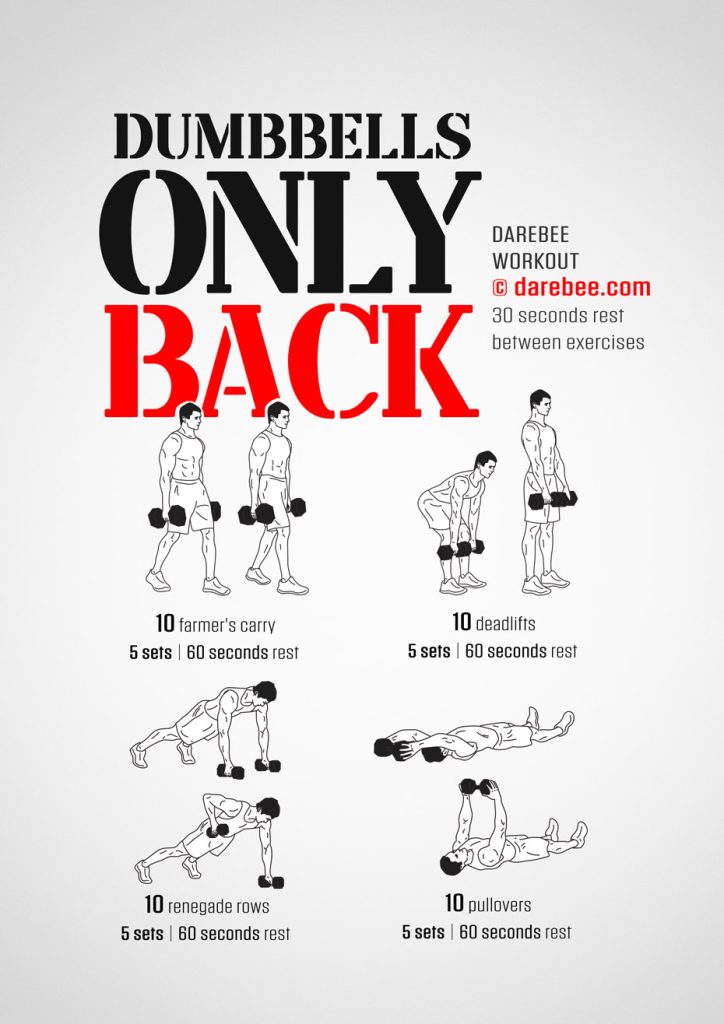
Renegade rows are a dynamic mix of strength and stability. Begin in a plank position, with a dumbbell in each hand. Row one dumbbell towards your hip while maintaining your plank. Alternate between sides. This exercise not only works your back but engages your core too.
Try holding the plank longer for an added challenge. Feeling ambitious? Renegade rows push your limits and test your endurance. Are you ready for it?
Incorporating these dumbbell row variations into your routine can be a game changer for your back workout at home. Which variation will you try first?
Dumbbell Deadlifts
Dumbbell deadlifts provide a great back workout at home. They strengthen muscles and improve posture. This exercise requires minimal equipment. Perfect for small spaces. Boost your fitness routine with this effective move.
Are you ready to strengthen your back from the comfort of your home? Dumbbell deadlifts might be the exercise you need. This workout targets your lower back, glutes, and hamstrings, offering a comprehensive strength boost. Whether you’re new to strength training or a seasoned pro, dumbbell deadlifts can be tailored to suit your fitness level. Let’s dive into how you can master this effective move.Why Choose Dumbbell Deadlifts?
Dumbbell deadlifts are perfect for home workouts because they require minimal equipment. You just need a pair of dumbbells and some space. They offer a full range of motion, which helps improve flexibility and posture. Plus, lifting weights engages multiple muscle groups, burning more calories and enhancing overall strength.How To Perform Dumbbell Deadlifts Correctly
Stand with your feet hip-width apart and hold a dumbbell in each hand. Keep your back straight and hinge at the hips, lowering the weights toward the floor. Focus on maintaining a neutral spine as you lift the dumbbells back to the starting position. Proper form is crucial to prevent injury and maximize benefits. If you’re unsure about your technique, consider checking a tutorial online or asking a fitness-savvy friend for tips.Common Mistakes And How To Avoid Them
One common mistake is rounding your back during the lift. This can lead to strain and potential injury. Always keep your back flat and your core engaged. Another pitfall is using too heavy weights, which can compromise form. Start light and gradually increase the weight as you gain confidence and strength.How Often Should You Include Dumbbell Deadlifts In Your Routine?
You might wonder how often to add deadlifts to your workout plan. Aim for two to three times a week, depending on your overall fitness goals. Allow your muscles time to recover between sessions to avoid fatigue and overtraining. Consistency is key, so stick to a schedule that fits your lifestyle.Personal Experience With Dumbbell Deadlifts
When I first started doing dumbbell deadlifts at home, I noticed a significant improvement in my posture. It was a game-changer for my back pain. Incorporating them regularly also made my daily activities easier, like lifting grocery bags without discomfort. Have you experienced similar benefits from your workouts?Tips For Maximizing Your Dumbbell Deadlift Workout
Warm up properly before your session to prepare your muscles. Focus on quality over quantity—perform fewer reps with correct form rather than rushing through. Track your progress by noting weight and repetitions. This can motivate you and help you set realistic goals. Remember, every workout is a step towards a stronger you. Are you ready to make dumbbell deadlifts a part of your routine?Pull-over Exercises
Pull-over exercises with dumbbells target the back muscles effectively at home. This workout enhances back strength and flexibility. Easy to perform, it requires minimal equipment and space.
Pull-over exercises are a fantastic way to enhance your back workout routine at home. These exercises primarily target the latissimus dorsi, which are the broad muscles that stretch across your back. They also engage your chest, shoulders, and triceps, offering a comprehensive upper body workout. Using dumbbells for pull-overs allows you to add intensity and variety to your exercise regimen without the need for extensive equipment.What Makes Dumbbell Pull-overs Effective?
Dumbbell pull-overs are simple yet powerful. They require you to lie on a bench or the floor, holding a dumbbell with both hands, and moving it in an arc over your head. This movement challenges your muscles to work together, improving your strength and flexibility. Have you ever noticed how your back feels more defined after a few weeks of consistent pull-overs? This exercise not only builds muscle but also helps in improving your posture. A stronger back can reduce the risk of injury and support your daily activities more effectively.How To Perform A Dumbbell Pull-over Correctly
Start by choosing a moderate-weight dumbbell. Lie on your back with your feet flat on the floor. Hold the dumbbell above your chest with both hands, keeping your elbows slightly bent. Slowly lower the dumbbell behind your head until you feel a stretch in your chest and back. Pause briefly, then raise the dumbbell back to the starting position. Aim for 10 to 15 reps to begin with, focusing on smooth and controlled movements.Common Mistakes To Avoid
One common error is using too much weight. This can lead to poor form and increase the risk of injury. Start light and gradually increase as your strength improves. Another mistake is arching your back excessively. Keep your core engaged throughout the exercise to maintain a stable position. Finally, avoid rushing through the movements. The effectiveness of pull-overs lies in the slow, controlled motion that maximizes muscle engagement.Why Consistency Matters
Like any exercise, consistency is key. Integrating dumbbell pull-overs into your routine two to three times a week can yield noticeable results over time. Keep track of your progress and adjust weights as necessary to keep challenging your muscles. Are you ready to make dumbbell pull-overs a staple in your back workout? Embrace the burn and enjoy the benefits of a stronger, more resilient back!Reverse Fly Techniques
The reverse fly is a powerful move for your back muscles. It’s effective and easy to do at home with dumbbells. This exercise targets the upper back and shoulders. It helps improve posture and strength. Learning the right technique ensures maximum benefits. Let’s explore some tips for mastering the reverse fly.
Warm-up Before You Start
Begin with a light warm-up to loosen your muscles. Consider arm circles or shoulder rolls. This helps prevent injury. Warming up also prepares your body for the workout. Spend at least five minutes on this step.
Choosing The Right Dumbbell Weight
Select dumbbells that match your strength level. Start light if you’re a beginner. Gradually increase the weight as you get stronger. This prevents strain and ensures proper form. It’s better to start light and build up.
Perfecting Your Form
Stand with feet shoulder-width apart. Bend slightly at your knees. Lean forward from your waist, keeping your back straight. Hold a dumbbell in each hand. Extend your arms out to the sides, like wings. Keep your elbows slightly bent. This ensures correct muscle engagement.
Breathing Technique
Exhale as you lift the weights. Inhale as you lower them. Proper breathing aids muscle control. It also helps maintain rhythm during the exercise. Focus on consistent breathing throughout.
Maintaining Control
Lift and lower the dumbbells slowly. Avoid rushing the movement. Controlled motions enhance muscle activation. They also reduce the risk of injury. Focus on smooth and steady actions.
Frequency And Repetitions
Perform the reverse fly two to three times a week. Aim for three sets of 10-12 repetitions. Rest for 30 seconds between sets. This routine builds strength over time. Consistency is key to seeing results.
Incorporating Core Strength
Incorporating core strength into a dumbbells back workout at home enhances stability and improves posture. Simple exercises like rows and deadlifts can effectively engage your back muscles, providing an efficient workout. These movements are ideal for building a strong foundation while working out in the comfort of your home.
Incorporating Core Strength Strengthening your back isn’t just about lifting weights; it’s about building a strong foundation. That foundation is your core. When your core is strong, it supports your back, enhances your posture, and reduces the risk of injury. You might be wondering, how can you effectively engage your core while working out at home with dumbbells? Let’s dive into two exercises that seamlessly blend core and back strengthening. Plank Rows Plank rows are a dynamic exercise combining the classic plank with the rowing motion. Start in a plank position with a dumbbell in each hand. Keep your body straight and your core engaged. Row one dumbbell towards your waist while balancing on the other hand. Alternate sides while keeping your hips steady. Feel the burn in your core as your back muscles work hard to lift the weights. Ever notice how your body shakes slightly during this exercise? That’s your muscles working overtime to stabilize and strengthen your core. Dead Bug with Dumbbells Dead bug exercises are perfect for targeting deep core muscles while using your dumbbells. Lie on your back, holding a dumbbell in each hand, arms extended toward the ceiling. Lift your legs, bending them at the knees so they’re at a 90-degree angle. Lower one arm and the opposite leg simultaneously, keeping the other arm and leg steady. Switch sides, maintaining control and focusing on your breathing. Have you ever felt the challenge of keeping your back flat against the floor? That’s your core engaging deeply to stabilize your movements. Both of these exercises offer more than just physical benefits; they boost your confidence in your ability to work out effectively at home. Are you ready to add these core-strengthening moves to your routine?Cool-down And Stretching
After an intense dumbbells back workout at home, cool-down and stretching become crucial. These post-workout rituals prevent muscle stiffness and aid recovery. They calm your heart rate and promote flexibility. Skipping these steps may lead to soreness or injury.
Gentle Cardio Cool-down
Start with a gentle walk or jog around your space. This helps lower your heart rate gradually. Aim for about five minutes. Feel your breathing slow down. Allow your muscles to relax.
Upper Back Stretch
Sit or stand comfortably. Extend your arms forward. Interlace your fingers and push outward. Feel the stretch in your upper back. Hold for 15 to 30 seconds. Repeat as needed.
Child’s Pose
Kneel down on the floor. Extend your arms forward. Lower your torso. Keep your arms stretched. Feel the stretch along your spine. Hold for 20 seconds. Breathe deeply.
Cat-cow Stretch
Position yourself on all fours. Alternate between arching and rounding your back. Arch for the cow pose. Round for the cat pose. This improves flexibility. It relaxes your back muscles.
Seated Forward Bend
Sit with legs extended. Reach forward towards your toes. Feel the stretch in your back. Hold for 15 seconds. This elongates the spine. Improves flexibility and relaxation.
Shoulder Stretch
Stand or sit upright. Cross one arm over your chest. Use the opposite arm to pull it closer. Feel the stretch in your shoulder. Hold for 15 seconds. Repeat on the other side.
Breathing Exercises
Focus on deep breathing. Inhale slowly through your nose. Hold your breath briefly. Exhale through your mouth. This calms your mind. It enhances oxygen flow to muscles.
Creating A Balanced Routine
Enhance your home workout with a dumbbell back routine. Engage different back muscles for balanced strength. Enjoy flexibility and convenience while improving posture and endurance.
Creating a balanced routine is crucial for your dumbbells back workout at home. It ensures you’re targeting all parts of your back evenly and prevents muscle imbalances. You don’t need a gym to achieve a well-rounded workout; with the right plan, your living room can be your fitness haven.Understanding Muscle Groups
When planning your routine, it’s important to understand which muscles you’re working. Your back consists of several key muscle groups, like the lats, traps, and rhomboids. Each has a unique role in supporting your spine and shoulders. Knowing them helps you focus your efforts and maximize results.Mixing It Up
Variety is the spice of life, and it’s true for workouts too. Doing the same exercises repeatedly can lead to stagnation. Mix different types of moves like rows, flys, and deadlifts. Changing your routine keeps your muscles guessing and growing. Have you tried alternating between high reps with lighter weights and low reps with heavier ones?Setting Realistic Goals
Goals keep you motivated and track your progress. Start small and gradually increase the intensity. Maybe aim to add one more rep each week. Celebrate small victories to build confidence. What personal milestone are you aiming for this month?Listening To Your Body
Pay attention to how your body responds to each workout. If something feels off, adjust your form or reduce your weight. Your body is your best guide. Ignoring discomfort can lead to injury. Have you ever felt a twinge and wondered if you should push through or pause?Incorporating Rest Days
Rest days are just as important as workout days. They give your muscles time to recover and grow stronger. Include at least one or two rest days in your week. Resting doesn’t mean being inactive; gentle stretching can be beneficial. Do you find it hard to take a break, even when your body is asking for it? Creating a balanced routine isn’t just about following a set plan; it’s about listening to your body, setting achievable goals, and mixing up exercises to keep things fresh. Keep these elements in mind as you craft your perfect dumbbells back workout routine.
Credit: www.youtube.com
Safety Tips And Precautions
Ensure proper form to avoid injury during dumbbell back workouts. Start with a light weight to perfect technique. Warm up thoroughly to prepare muscles, and stay hydrated for optimal performance.
Safety is paramount when working out at home, especially when you’re lifting weights like dumbbells. Without the watchful eye of a trainer, it’s easy to overlook the risks involved. But with a few simple precautions, you can ensure your back workout is both effective and injury-free. Let’s dive into essential safety tips to keep in mind during your dumbbell back workout at home.Check Your Equipment
Before starting your workout, inspect your dumbbells. Ensure they’re free from rust and tightly secured. Loose weights can lead to unexpected accidents.Warm Up Properly
A proper warm-up is crucial. Spend at least five to ten minutes increasing your heart rate with some light cardio. This prepares your muscles and reduces the risk of strains.Maintain Proper Form
Correct posture is everything. Keep your back straight and core engaged during exercises. This prevents unnecessary stress on your spine.Start With Light Weights
Don’t rush to heavy weights. Begin with lighter dumbbells to master the technique. Gradually increase the weight as you gain confidence and strength.Listen To Your Body
Pay attention to any pain signals. If something feels off, stop immediately. Pushing through pain can lead to serious injuries.Clear Your Workout Space
Ensure there’s ample space around you. Remove any obstacles that could cause you to trip or fall, especially when moving with weights.Hydrate And Rest
Keep a water bottle nearby. Staying hydrated helps maintain your energy levels. Also, give your muscles time to recover between sets. Reflect on a time when you ignored a small pain or skipped a warm-up. What was the outcome? Learning from past mistakes can be a powerful motivator for prioritizing safety. Engage in your back workout with these tips in mind, ensuring your home workout is both safe and effective. Remember, it’s not just about lifting weights but doing it wisely.Tracking Progress And Adjustments
Tracking your progress during a dumbbells back workout at home is vital. It helps ensure that you’re on the right path. Adjustments are necessary as you advance in your fitness journey. They help in achieving better results. Monitoring your progress motivates and keeps you focused.
Tracking Your Progress
Keep a workout journal to track your sessions. Note the number of sets and reps for each exercise. Record the weight of the dumbbells you use. This practice makes it easy to spot improvements. Also, it helps in identifying plateaus.
Setting Realistic Goals
Set achievable goals for your workouts. Start with small, attainable targets. Gradually increase the difficulty as you progress. This approach prevents injury and boosts motivation. Celebrate small victories to maintain enthusiasm.
Adjusting Your Routine
Change your routine every few weeks. Introduce new exercises to challenge your muscles. Vary the number of reps and sets. This prevents boredom and enhances muscle growth. Adjustments keep your workouts fresh and effective.
Listening To Your Body
Pay attention to your body’s signals. Rest when you feel fatigued or sore. Overtraining can lead to injuries. Modify exercises if they cause discomfort. This ensures long-term success and a healthy back.
Using Technology For Tracking
Consider fitness apps for tracking progress. They offer a convenient way to monitor workouts. Apps can provide insights into your performance. Some even offer tips for improvement. Using technology makes tracking efficient and fun.

Credit: uk.pinterest.com
Frequently Asked Questions
Can You Build Back Muscle With Just Dumbbells?
Yes, building back muscle with dumbbells is possible. Focus on exercises like dumbbell rows, deadlifts, and reverse flys. Adjust weights and reps to challenge yourself. Consistency and proper form are key to muscle growth. Dumbbells offer versatility and can effectively target back muscles.
Are Dumbbell Back Workouts Effective?
Yes, dumbbell back workouts are effective. They strengthen muscles, improve posture, and enhance overall back health. Dumbbells offer versatility, targeting various back muscles. Regular workouts can lead to noticeable improvements in strength and endurance. Incorporating them into your routine ensures balanced muscle development and reduces injury risks.
What Is The Most Effective Back Exercise At Home?
The most effective back exercise at home is the pull-up. It targets various back muscles efficiently. Use a pull-up bar or sturdy door frame. If pull-ups are challenging, start with assisted variations or resistance bands. Consistent practice strengthens the back and improves posture.
Is A Dumbbell Good For Back Pain?
Dumbbells can be beneficial for back pain if used correctly. They strengthen back muscles, improving posture and support. Always consult a healthcare professional before starting any exercise routine to ensure safety and effectiveness. Proper technique is crucial to prevent further injury or strain.
Conclusion
A dumbbells back workout at home is simple and effective. You can strengthen your back without fancy equipment. Consistency is key; make it a habit. Start with light weights to avoid injury. Increase weight as you grow stronger. Mix exercises to target different muscles.
Stay motivated by tracking your progress. These workouts improve posture and build confidence. Anyone can do them with dedication. Remember to warm up before exercising. Cooling down is important too. Stay focused and enjoy the process. Your back will thank you.
Happy exercising!








