Are you ready to hit the slopes but stuck at home? With winter just around the corner, now is the perfect time to get your body in peak condition for skiing.
Imagine gliding down the snowy mountains with ease and confidence. The secret lies in an effective at-home ski workout. You don’t need to step outside or invest in expensive equipment to prepare for the thrill of skiing. All you need is motivation and a few simple exercises that mimic the movements you’ll experience on the slopes.
You’ll discover how to transform your living room into a ski training ground. These workouts are designed to strengthen your legs, improve your balance, and boost your endurance—all vital for an exhilarating ski experience. Plus, they’re quick, fun, and can be tailored to fit into your busy schedule. Ready to feel the rush of skiing without leaving your home? Let’s dive in and get you ski-ready!
Benefits Of At-home Ski Workouts
At-home ski workouts offer a convenient way to stay fit and prepared for the slopes. They help enhance your performance and provide several benefits without needing a gym or expensive equipment. These workouts can be tailored to fit into your daily routine, making it easier to maintain consistency. Let’s delve into some key advantages of exercising at home.
Improved Ski Performance
Regular at-home ski workouts build endurance and strength. This leads to better performance on the slopes. You’ll find yourself tackling challenging terrains with ease and confidence.
Cost-effective Fitness Solution
No need for expensive gym memberships or equipment. Use household items or body weight exercises. This approach saves money and provides flexibility in your workout routine.
Convenience And Flexibility
Exercise anytime, anywhere. No travel required. Fit workouts into your schedule effortlessly. This flexibility encourages regular exercise and helps maintain a consistent routine.
Enhanced Muscle Strength
Target specific ski-related muscle groups. Improve core and leg strength. Stronger muscles contribute to better control and balance while skiing.
Increased Mental Focus
At-home workouts promote discipline and concentration. Mental focus is crucial for skiing. This prepares your mind for the challenges of the sport.
Customization To Suit Your Needs
Tailor workouts to your fitness level and goals. Customize exercises to target areas needing improvement. Personalization ensures effective and enjoyable workouts.
Credit: skibro.com
Essential Equipment
Preparing for ski season at home requires the right equipment. With essential gear, you can mimic the movements and challenges of skiing. This ensures a smooth transition to the slopes.
Resistance Bands
Resistance bands are versatile and affordable. They help strengthen legs, core, and arms. Choose bands with varying tension levels for diverse exercises.
Balance Board
A balance board improves stability and coordination. Simulate skiing movements and train your muscles. Balance boards come in different shapes and sizes.
Foam Roller
A foam roller aids in muscle recovery. It relieves tension and enhances flexibility. After workouts, use it to massage tired muscles.
Jump Rope
Jump ropes boost cardiovascular endurance. They are portable and inexpensive. Perfect for warming up and improving agility.
Yoga Mat
A yoga mat is essential for floor exercises. Provides comfort and safety during workouts. Choose one with a non-slip surface for added grip.
Exercise Ball
An exercise ball strengthens your core. Great for balance exercises and stretches. Ensure it’s the right size for your height.
Adjustable Dumbbells
Dumbbells offer strength training options. Adjustable ones save space and money. Use them to target various muscle groups.
Warm-up Routine
Preparing for an at-home ski workout starts with the right warm-up routine. Warming up helps prevent injuries and boosts performance. Getting your muscles ready is key to a successful workout. This routine sets the stage for skiing action.
Dynamic Stretching
Dynamic stretching gets your muscles moving before skiing. It involves active movements to increase flexibility. Leg swings are great for ski workouts. They loosen up the hips and thighs. Arm circles prepare your shoulders for ski poles. A few minutes of dynamic stretches can make a big difference.
Cardio Exercises
Cardio exercises elevate your heart rate and build stamina. Jumping jacks are simple and effective. They engage your whole body. High knees are another good choice. They get your legs ready for skiing motions. Try a short session to get your blood pumping. Cardio primes your body for the slopes.
Strength Training Exercises
Strength training exercises are crucial for skiing enthusiasts. They enhance power, stability, and endurance. These exercises strengthen muscles needed for skiing. You can do them at home with minimal equipment. Focus on key areas to improve your skiing performance.
Lower Body Focus
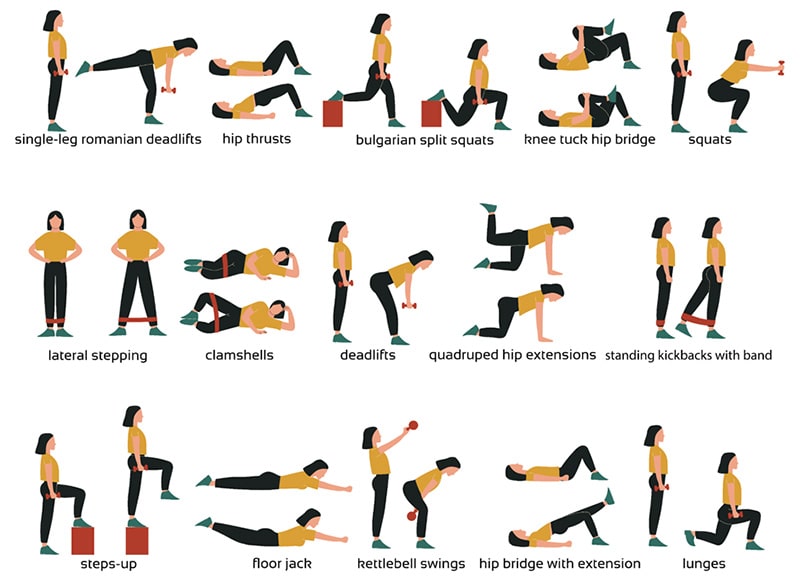
Strong legs are essential for skiing. Squats boost leg strength and stability. Lunges target the glutes and hamstrings. Calf raises improve ankle power and balance. Do these exercises regularly for better control on slopes.
Core Strengthening
A strong core provides balance while skiing. Planks are excellent for core stability. Russian twists enhance rotational strength. Leg raises focus on lower abdominal muscles. Core exercises help maintain posture while skiing.
Upper Body Conditioning
Upper body strength supports skiing movements. Push-ups strengthen arms and chest. Pull-ups target back and shoulder muscles. Dumbbell rows enhance grip and forearm strength. These exercises improve pole planting technique.
Balance And Stability Drills
Balance and stability are key for skiing. They help you glide smoothly. At home, you can work on these skills. These drills improve your control on the slopes. You can practice them without special equipment. Let’s explore some effective techniques.
Single-leg Exercises
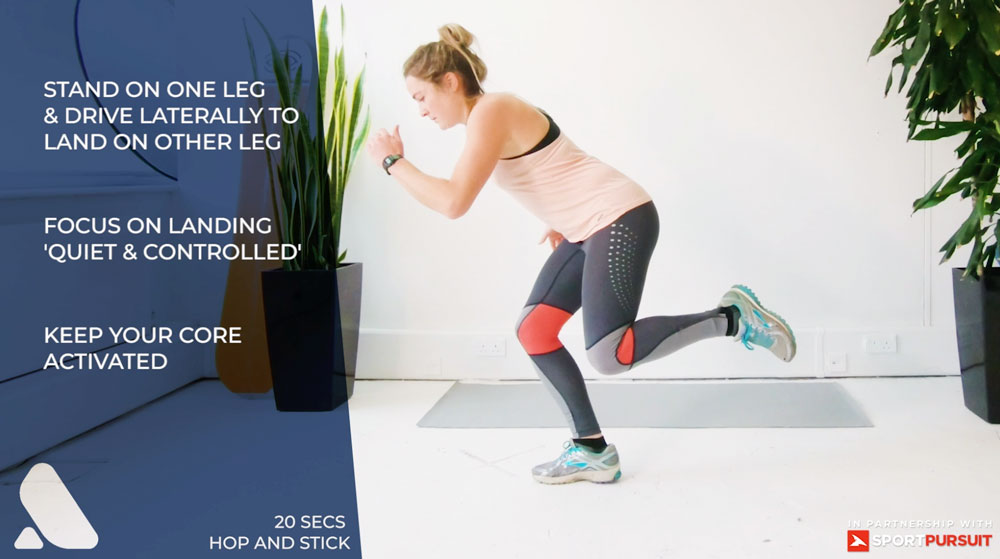
Single-leg exercises are simple yet powerful. They enhance your balance. Stand on one leg for 30 seconds. Switch legs and repeat. To increase challenge, close your eyes. This heightens your body’s awareness. Try single-leg squats to engage more muscles. These drills simulate skiing movements.
Balance Board Techniques
A balance board is a great tool. It mimics uneven terrain. Stand on it with both feet. Shift weight from side to side. This improves ankle stability. You can also try squats on the board. This enhances leg strength. Balance boards help you respond quickly to changes.
Flexibility And Mobility
Enhance flexibility and mobility with at-home ski workouts. These exercises mimic skiing movements, improving balance and strength. Perfect for preparing muscles for winter slopes while staying indoors.
Flexibility and mobility are crucial for skiers aiming to improve performance and prevent injuries. At-home workouts focusing on these elements can greatly enhance your skiing experience. Flexibility allows you to move with ease, while mobility ensures your joints function optimally. Both are essential for navigating the slopes efficiently and safely.Yoga For Skiers
Yoga is a fantastic way to boost your flexibility and mobility for skiing. It helps improve your balance and core strength, vital for those sharp turns and sudden stops on the slopes. Poses like the Downward Dog and Warrior II are excellent for stretching your hamstrings and strengthening your legs. Try incorporating a short yoga session into your morning routine. A 15-minute practice can make a significant difference in how your body feels throughout the day. Have you ever noticed how a simple stretch can instantly change your mood and energy levels?Foam Rolling Techniques
Foam rolling is a simple yet effective technique to enhance mobility and ease muscle tension. It can be a game-changer for your recovery process after a long day of skiing. Rolling out your calves, quads, and IT band can prevent soreness and improve blood flow to your muscles. Set aside time in the evening to foam roll while watching your favorite show. You might be surprised at how this small habit can transform your post-ski recovery. What other activities do you enjoy that could pair well with foam rolling? Improving your flexibility and mobility doesn’t require a gym membership or expensive equipment. With yoga and foam rolling, you can prepare your body for the slopes right from your living room. What steps will you take today to enhance your ski workout routine?Endurance Building
Enhance your endurance with at-home ski workouts designed for all fitness levels. These exercises improve stamina and boost leg strength. Achieve better skiing performance without leaving your living room.
Building endurance is essential for skiing. It helps you stay on the slopes longer and enjoy every twist and turn with confidence. Working on your endurance at home can prepare you for those long days on the mountain. Plus, it can be a fun and rewarding process.Interval Training
Interval training is a powerful way to boost your endurance. It involves short bursts of intense exercise followed by rest or low-intensity periods. This method trains your heart and muscles to perform efficiently. Try a simple interval workout at home. Jump rope for 30 seconds, then rest for 15 seconds. Repeat this cycle for 10 minutes. Notice how your heart rate increases and your stamina improves over time. Why not challenge yourself to increase the intensity gradually? Add more time to the active phase or decrease the rest period. This keeps your body adapting and growing stronger.Circuit Workouts
Circuit workouts offer variety and can keep your training sessions exciting. They involve rotating through different exercises with minimal rest in between. This keeps your heart rate up and builds endurance. Create a circuit with exercises like squats, lunges, and planks. Perform each exercise for 45 seconds, then rest for 15 seconds before moving to the next. Complete the circuit three times for a full workout. Do you find certain exercises more challenging? Use that as a motivation to focus on those areas. You’ll notice improvements faster than you think. Mix and match exercises to tailor your circuit to your needs. This flexibility lets you target different muscle groups and prevents workout monotony. How do you incorporate endurance training into your routine? Share your favorite exercises and tips in the comments below!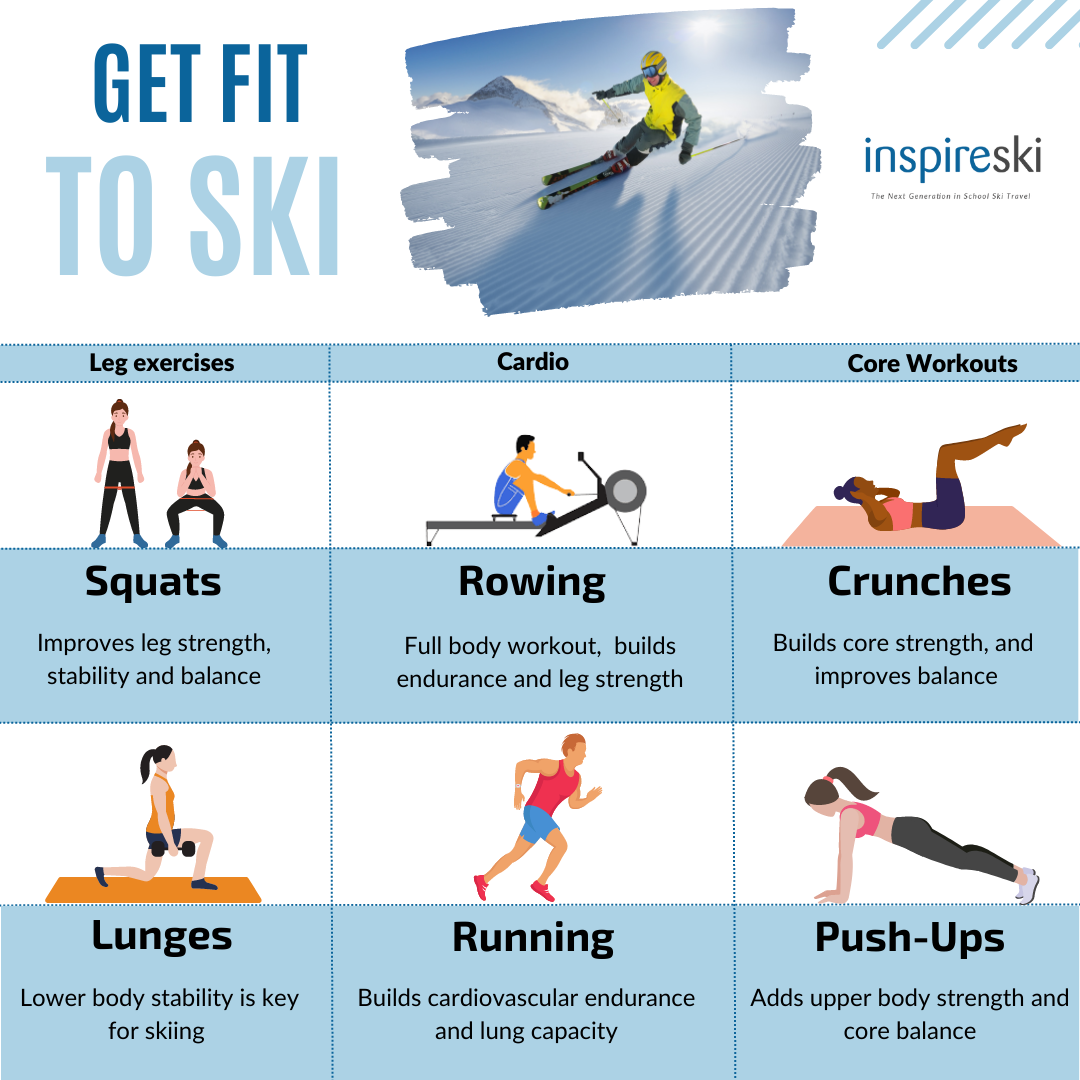
Credit: inspireski.com
Recovery And Rest
Recovery and rest are vital parts of any workout routine. They help your body heal and prepare for the next session. After an intense ski workout at home, focus on recovery. This ensures you perform your best and stay injury-free.
Post-workout Stretching
Stretching after a workout reduces muscle stiffness. It also improves flexibility. Focus on major muscle groups used during skiing. Stretch your legs, hips, and back. Hold each stretch for 20 to 30 seconds. This will help your muscles relax and recover faster.
Nutrition For Recovery
Proper nutrition aids recovery and muscle repair. Consume protein and carbohydrates after your workout. This helps replenish energy stores. A simple meal could include grilled chicken with rice. Drink plenty of water to stay hydrated. Staying hydrated speeds up recovery.
Tracking Progress
Track your fitness journey with an at-home ski workout. Observe improvements in strength and endurance regularly. Stay motivated by noting progress weekly.
Tracking your progress in an at-home ski workout can be as exhilarating as hitting the slopes. It helps you stay motivated and focused on your goals. Imagine seeing improvements in your stamina and strength over time. This section will guide you through setting achievable goals and monitoring your advancements effectively.Setting Goals
Start by defining clear, achievable goals. Think about what you want to accomplish through your workout. Is it increased endurance, better balance, or stronger legs? Write these goals down. Seeing them in black and white can make them feel more real. Make sure your goals are specific. Instead of saying “get fit,” aim for “increase my leg strength by doing 30 squats daily.” Set a timeline for these goals. A short-term goal might be weekly, while a long-term goal could span a few months. Timelines keep you accountable and help measure progress. Remember, adjusting goals is okay. If you find a goal too challenging, tweak it to suit your pace.Monitoring Improvements
Tracking your progress can be as simple as keeping a journal or using a fitness app. Record the number of reps, sets, or duration for each exercise. Seeing these numbers increase over time can be a great motivator. Utilize technology to your advantage. Apps that track your workout statistics can provide valuable insights. They can show you graphs of your progress, which can be incredibly satisfying. Consider setting up a simple spreadsheet with columns for date, exercise, reps, and notes. It’s a straightforward way to visualize your achievements. Reflect on your feelings and energy levels during workouts. Noticing how you feel after each session can reveal improvements in stamina or mood. Ask yourself, “Do I feel stronger today?” These reflections can offer a deeper understanding of your progress beyond numbers. Challenge yourself with new exercises or increased difficulty. If your workout feels easy, it’s a sign you’ve improved. Push a little harder to continue building your fitness. Are you ready to set new personal records?
Credit: www.youtube.com
Frequently Asked Questions
Is There A Way To Practice Skiing At Home?
Yes, you can practice skiing at home using ski simulators, balance boards, or virtual reality systems. Focus on exercises that improve balance, strength, and flexibility. Consider using resistance bands and practicing ski-specific drills to enhance technique and endurance. These methods prepare you for the slopes effectively.
Is Skiing A Good Way To Lose Weight?
Skiing is an effective way to burn calories and lose weight. It combines cardio and strength training, boosting metabolism. Engaging in skiing regularly can enhance fitness and support weight loss goals. Plus, it’s a fun outdoor activity, making exercise enjoyable and motivating.
Can I Get Ski Fit In 2 Weeks?
Yes, you can achieve basic ski fitness in 2 weeks. Focus on strength, endurance, and flexibility exercises. Include squats, lunges, and cardio workouts in your routine. Consistency and proper nutrition are key for optimal results.
How To Get Ski Fit In 6 Weeks?
Start with a mix of strength, cardio, and flexibility exercises. Focus on squats, lunges, and core workouts. Incorporate balance training and high-intensity interval training (HIIT). Gradually increase intensity and duration each week. Consistency is key for building endurance and strength for skiing.
Conclusion
Ski workouts at home can improve your skiing skills and fitness. Consistent training builds strength and endurance. A well-planned routine supports balance and agility. These exercises prepare your body for the slopes. Enjoy skiing more with better performance and fewer injuries.
Start with simple moves and progress gradually. Listen to your body to avoid overtraining. Stay motivated by setting goals and tracking progress. With commitment, you’ll see results in no time. Enjoy the journey and have fun on the slopes!








