Ready to throw some punches and get fit without leaving your living room? A beginner boxing workout at home is the perfect solution for you.
Imagine transforming your space into a dynamic fitness arena where you can boost your strength, agility, and confidence. You don’t need a fancy gym membership or expensive equipment to get started. All you need is the drive to improve and a little guidance.
This workout will not only get your heart racing but will also help you relieve stress and sharpen your focus. Are you curious about how a few simple moves can revolutionize your fitness routine? Let’s dive in and discover how you can start boxing right at home, feeling energized and empowered. Your journey to a fitter, more confident you begins now.

Credit: www.youtube.com
Benefits Of Boxing Workouts
Boxing workouts are not just for the ring. They offer numerous benefits that can enhance your overall well-being. Whether you’re swinging punches or practicing footwork, boxing can transform your fitness routine. Discover how this dynamic exercise can improve your life.
Physical Health Advantages
Boxing boosts cardiovascular health. It gets your heart pumping and improves endurance. Regular workouts tone muscles. Punches, jabs, and footwork engage various muscle groups. This leads to better strength and flexibility. It also helps in burning calories. A session can torch hundreds of calories, aiding in weight loss. Improved coordination and balance are other perks. Quick movements sharpen reflexes and agility.
Mental Health Boosts
Boxing enhances focus. Concentrating on techniques and movements clears the mind. It also builds confidence. Learning new skills and seeing progress boosts self-esteem. Boxing demands discipline. Sticking to a routine strengthens mental resilience. It also provides a sense of achievement. Completing a workout leaves you with a feeling of accomplishment.
Stress Relief
Throwing punches can be therapeutic. It releases pent-up energy and tension. Boxing reduces stress levels. Physical exertion triggers the release of endorphins. These are natural mood lifters. It offers a healthy outlet for frustration. Channeling emotions into a workout can calm the mind. This makes boxing an effective stress-buster.
Essential Equipment For Home Boxing
Boxing at home starts with the right gear. Invest in quality gloves and hand wraps for protection. A sturdy punching bag helps improve strength and technique. Jump ropes are great for cardio.
Thinking about starting boxing at home? It’s not just about throwing punches; it’s about building strength, agility, and confidence. But before you start, you need the right equipment. Having the right gear can make your training more effective and enjoyable. Are you ready to transform your living room into a mini boxing gym? Let’s explore the essential equipment for home boxing.Basic Gear Required
First things first: gloves. Boxing gloves protect your hands and the punching bag. Choose gloves that fit well and offer good wrist support. Look for options with adjustable straps for a snug fit. Next, you’ll need hand wraps. These are crucial for protecting your knuckles and wrists from injury. They provide added support and help maintain proper technique. A punching bag or focus mitts is necessary for practicing punches. If space is tight, consider a freestanding bag that you can easily move around. It’s ideal for absorbing punches and helping you perfect your technique.Optional Equipment To Enhance Training
Once you have the basics, consider adding a jump rope to your routine. It’s perfect for improving cardiovascular health and footwork. Plus, it’s a fun way to warm up before your workout. Resistance bands can enhance your strength training. They’re great for building muscle without needing heavy weights. Use them to add variety to your workouts. A timer is another optional but useful tool. It can help you maintain the intensity of your workout with timed rounds. Many apps can provide this feature if you prefer a digital solution.Setting Up Your Space
Creating a dedicated space for boxing can keep you motivated. Choose a spot with enough room to move freely. Safety comes first, so ensure there are no obstructions. Consider adding a mat for cushioning. It can help protect your joints during intense workouts. Plus, it’s easy to clean and maintain. Hang motivational posters or images to keep your spirits high. A visual reminder of your goals can fuel your determination. How will you personalize your boxing corner? Creating the right environment can make all the difference. With the right equipment and setup, your home boxing journey will be both challenging and rewarding. Are you ready to punch your way to fitness?Warm-up Routine
Starting any workout with a proper warm-up routine is crucial, and boxing is no exception. A well-rounded warm-up prepares your body, reduces injury risk, and enhances performance. Imagine jumping right into punches without loosening up – you’re asking for trouble! Instead, ease into your session with a blend of dynamic stretches, cardio exercises, and joint mobility drills. Let’s dive into how you can execute each part effectively at home.
Dynamic Stretches
Dynamic stretches are your first step to wake up those muscles. Unlike static stretches, these involve movement that mimics the actions you’ll perform in boxing. Think of arm circles and leg swings. They increase blood flow and improve flexibility. Have you ever tried doing arm circles? Start with small circles, and as your shoulders loosen, make them bigger. It’s simple but effective. What other movements can you do to loosen up?
Cardio Exercises
Getting your heart rate up is essential for a boxing workout. Cardio exercises like jumping jacks and high knees will do the trick. They pump oxygen to your muscles and get you ready for intense action. Jumping jacks are a classic – remember doing them in school? Start slow if you’re new, then pick up the pace. High knees are great for engaging your core. How long can you go without needing a break?
Joint Mobility Drills
Joint mobility drills are often overlooked but crucial. They ensure your joints move smoothly, which is vital for those swift punches and dodges. Try wrist circles and ankle rolls. Imagine swinging a punch with stiff wrists – not ideal, right? Wrist circles are easy; rotate your wrist in both directions. Ankle rolls prepare you for footwork, essential in boxing. Have you ever tried balancing on one foot while rolling your ankle?
Each part of the warm-up routine sets the stage for a successful boxing workout. The goal is to prepare your body, not exhaust it. Next time you start your session, think about how each element contributes to your readiness. Are you ready to step up your game?

Credit: www.pinterest.com
Basic Boxing Techniques
Embarking on a boxing journey at home can be both exciting and rewarding. Basic boxing techniques are the foundation of your training, crucial for any beginner. Mastering these skills will not only improve your fitness but also boost your confidence. You don’t need a fancy gym or expensive equipment to get started. With dedication and practice, you can effectively learn and hone these techniques right in your living room.
Stance And Footwork
Your stance is the starting point of every boxing move. It sets the tone for your balance and power. Stand with your feet shoulder-width apart, knees slightly bent. Your dominant hand should be at the back, ready to punch. This position helps you maintain stability while moving.
Footwork is equally important. Imagine a dance where precision and agility are key. Practice moving forward, backward, and sideways while maintaining your stance. This agility is crucial during a fight or a practice session. Try shadow boxing, moving around your space with imaginary opponents. How quickly can you change direction while staying balanced?
Punch Types
Punching is more than just swinging your arms. Each punch type serves a unique purpose. The jab is quick and efficient, perfect for creating distance. Stand in your stance, extend your lead hand forward, and snap it back. It’s your quick attack option.
The cross, thrown with your dominant hand, packs more power. Rotate your hips and shoulders into the punch, maximizing force. Hooks and uppercuts require more technique. Practice these punches slowly, ensuring your form is correct before increasing speed. Can you feel the difference when you engage your entire body?
Defense Moves
Boxing isn’t just about offense. Defense is your shield, keeping you safe from incoming punches. Start with the basic guard—your hands up, elbows tucked in. This position offers immediate protection.
Learn to slip punches by moving your head slightly to the side. This simple move can prevent a hit. Practice blocking with your forearms, protecting your head and body. Good defense is about anticipation and quick reactions. How well can you predict an opponent’s move?
Boxing at home is a journey of self-improvement. With each practice session, focus on perfecting these techniques. Feel the empowerment as you progress, and remember, every champion was once a beginner. Ready to step into your home ring?
Beginner Boxing Workout Plan
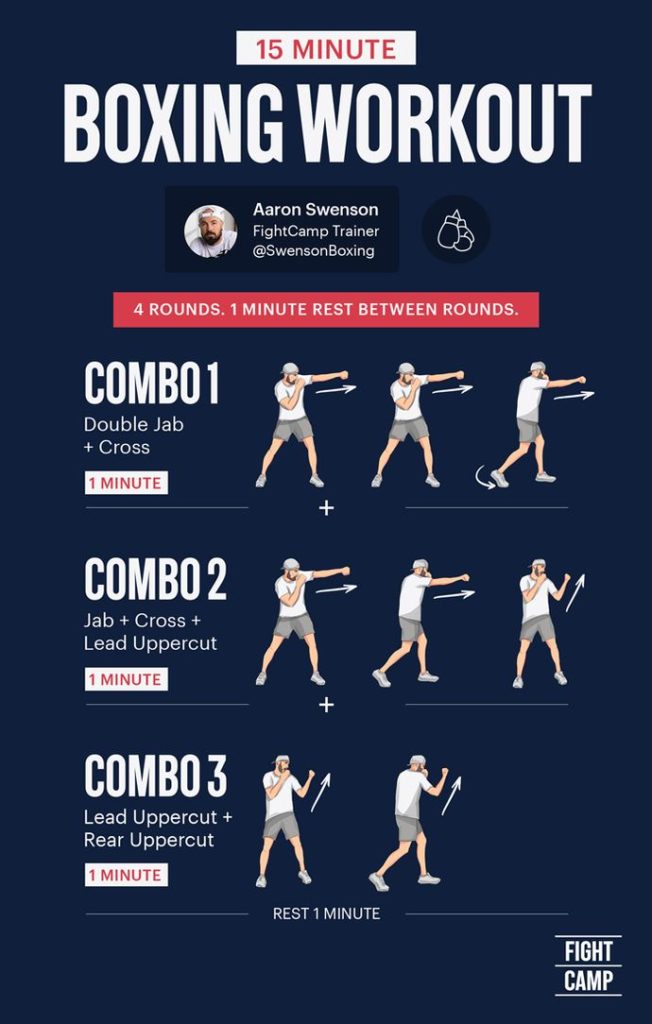
Are you ready to kickstart your boxing journey from the comfort of your home? With a well-structured beginner boxing workout plan, you can experience the thrill of boxing while building strength, agility, and endurance. This plan is designed to ease you into the basics of boxing, ensuring you stay motivated and see progress. Here’s how you can get started with shadow boxing drills, punching combinations, and endurance conditioning.
Shadow Boxing Drills
Shadow boxing is a fundamental exercise to perfect your technique. It’s all about imagining an opponent and practicing your moves. Start with a few rounds of shadow boxing, focusing on your footwork and stance. Keep your knees slightly bent, and move lightly on your toes.
Throw punches like jabs and crosses, and visualize dodging punches from your imaginary rival. This not only sharpens your skills but also boosts your confidence. Have you tried adding a mirror to your routine? Watching yourself can help correct posture and form.
Punching Combinations
Once you’re comfortable with basic punches, it’s time to combine them. A simple combo can be a jab-cross-hook. Practice each punch slowly at first, then gradually increase speed. Feel the rhythm and aim for precision.
Switch up your combinations to keep it exciting. You might find a combo that feels natural to you. This variety trains your mind and body to adapt quickly. What’s your favorite combination that makes you feel unstoppable?
Endurance And Conditioning
Boxing isn’t just about punches; it’s also about stamina. Incorporate exercises like jumping rope or jogging in place to build endurance. Start with two minutes and slowly increase as you grow stronger.
Conditioning exercises like planks and burpees add power to your punches. They enhance your core strength, crucial for stability. Have you noticed how your energy levels change with regular practice?
Are you ready to transform your home into a boxing gym? With commitment and a little creativity, your living room can be your arena. Remember, every punch you throw brings you closer to your fitness goals. What new skills will you discover on this exciting journey?
Cooldown And Recovery
Boxing workouts at home should include cooldown and recovery. These steps help prevent injury and reduce muscle soreness. Gentle stretching and deep breathing ease tension and aid relaxation.
After an intense boxing workout at home, it’s crucial to focus on cooldown and recovery. This phase helps your body transition from high activity back to its resting state, reducing the risk of muscle soreness and injury. Think of it as the cherry on top of your workout sundae. By prioritizing cooldown and recovery, you’ll ensure your body is ready for the next round.Static Stretching
Static stretching plays a vital role in your cooldown routine. It helps to lengthen the muscles that have been contracted during your workout. Focus on stretches for key areas like your shoulders, arms, and legs. Hold each stretch for 20-30 seconds without bouncing. A simple seated forward bend can do wonders for your hamstrings and lower back. You’ll feel the tension melt away, aiding in flexibility and relaxation.Breathing Techniques
After a workout, your heart rate is elevated, and your body might feel like it’s in overdrive. Practicing deep breathing can help you calm down. Inhale deeply through your nose, hold for a moment, then exhale slowly through your mouth. This method not only lowers your heart rate but also helps in mental relaxation. Imagine a wave of calm washing over you with each breath. It’s a simple yet effective way to signal your body that it’s time to relax.Hydration And Nutrition Tips
Replenishing your body with the right nutrients is crucial after boxing. Have you ever felt drained after a workout because you didn’t eat or drink enough? It’s essential to hydrate with water or an electrolyte drink to replace what you lost through sweat. Consider a post-workout snack rich in protein and carbohydrates. A banana with a scoop of peanut butter or a protein shake can do the trick. These choices help repair muscles and restore energy levels, setting you up for another successful workout. Do you prioritize cooldown and recovery in your routine? If not, now is a great time to start. These strategies can make all the difference in how you feel and perform.Tracking Progress
Tracking progress in a beginner boxing workout at home helps maintain motivation. Keep a log of workout routines and improvements over time. Celebrate small victories to boost confidence and stay committed to fitness goals.
Tracking your progress in a beginner boxing workout at home is like having a personal scoreboard. It gives you a sense of achievement and keeps you motivated. Plus, it helps you understand what works and what doesn’t in your fitness journey. Let’s dive into how you can effectively track your progress and keep moving forward.Setting Goals
Before throwing your first punch, decide what you want to achieve. Is it building endurance, losing weight, or mastering a new skill? Having clear goals will guide your workouts and make tracking progress easier. Write down your goals. Place them where you can see them daily, like on your fridge or bathroom mirror. They’ll serve as a constant reminder of what you’re aiming for. Start small and be specific. Instead of just wanting to “get fit,” aim to “complete a 20-minute boxing workout three times a week.” This specificity helps you measure success.Monitoring Improvements
Once you’ve set your goals, it’s time to monitor how you’re doing. Keep a workout journal or use fitness apps to track your sessions. Record details like the duration, intensity, and how you felt afterward. Celebrate small victories. Did you last longer in your workout? Did you notice your punches getting stronger? These are signs of progress, and they deserve recognition. Consider taking weekly photos or videos of your workouts. They provide visual proof of your improvements and can be surprisingly motivating.Adjusting The Routine
As you progress, your body will adapt, and your initial workouts may become too easy. When this happens, it’s time to shake things up. Adjusting your routine keeps it challenging and prevents plateaus. Increase the intensity by adding more rounds or incorporating new exercises. This could mean adding jump rope intervals or shadow boxing with weights. Listen to your body. If you’re feeling consistently tired or unmotivated, it might be time to switch things up. Variety is not only the spice of life but also a key component in fitness. Tracking progress is about more than numbers on a scale or minutes on a stopwatch. It’s about feeling stronger, more confident, and in control of your journey. Are you ready to take your boxing workout to the next level?Safety Tips For Beginners
Boxing at home can be rewarding, yet safety is crucial. Understanding how to avoid injuries and listen to your body helps maintain a healthy routine. Here’s what you need to know to stay safe while boxing at home.
Avoiding Common Injuries
Injuries often happen due to improper technique or lack of warm-up. Start each session with stretches and light exercises. This prepares your muscles and joints. Practice punches slowly to master the correct form. Use wraps and gloves for wrist protection. Ensure your space is clear to avoid tripping or falling.
Listening To Your Body
Your body gives signals when something’s wrong. Feeling persistent pain? Stop and rest. Shortness of breath or dizziness should not be ignored. Take breaks and hydrate often. Pushing past limits can lead to serious injuries. Recognize your body’s limits to stay safe and healthy.
When To Consult A Professional
If pain continues despite rest, seek expert advice. Professionals can assess your form and suggest improvements. They provide guidance on safe workout routines. Consider consulting them before starting a new exercise plan. They ensure you train safely and effectively.
:max_bytes(150000):strip_icc()/At-Home-Boxing-Workout-Lead-4108df27be254a0fb3e6ed02a53d2e51.jpg)
Credit: www.shape.com
Frequently Asked Questions
How Do Beginners Train For Boxing At Home?
Beginners can start boxing at home by shadowboxing, skipping rope, and practicing basic punches. Use online tutorials for guidance. Incorporate strength and conditioning exercises like push-ups and sit-ups. Ensure proper warm-up and stretching to prevent injuries. Consistent practice and discipline are key to progress.
What Does 1, 2, 3, 4, 5, 6 Mean In Boxing?
In boxing, 1, 2, 3, 4, 5, 6 refer to punch numbers. 1 is a jab, 2 is a cross, 3 is a lead hook, 4 is a rear hook, 5 is a lead uppercut, and 6 is a rear uppercut.
These numbers help fighters communicate and train efficiently.
Is Boxing At Home A Good Workout?
Yes, boxing at home is a great workout. It improves cardiovascular health, strength, and coordination. You can burn calories effectively and relieve stress. With minimal equipment, it offers flexibility and convenience, making it ideal for fitness enthusiasts of all levels.
Always ensure proper technique to avoid injuries.
Can I Lose Belly Fat By Boxing?
Yes, boxing can help lose belly fat. It boosts calorie burn and improves overall body strength. Combining boxing with a healthy diet enhances results. Consistent practice increases metabolism and reduces fat. Boxing also tones core muscles, contributing to a leaner appearance.
Conclusion
Boxing workouts at home boost fitness and confidence. Easy to start, no fancy equipment needed. Just dedication and space. Regular practice improves strength and coordination. Gradually increase intensity for better results. Remember, consistency is key. Listen to your body, avoid overtraining.
Enjoy the journey and celebrate small victories. Boxing enhances both physical and mental health. Perfect for beginners wanting to stay active. Start today, make progress, feel accomplished. Stay motivated and keep punching forward.








