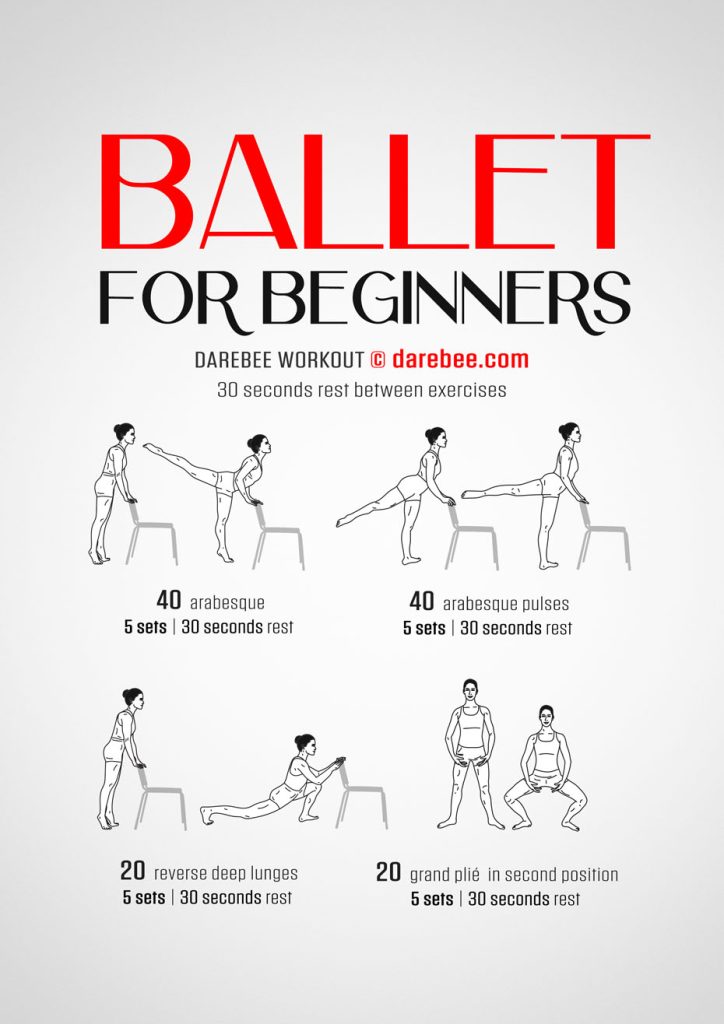
Imagine transforming your living room into a graceful ballet studio. You don’t need a stage or a fancy ballet barre to experience the elegance and strength that ballet workouts offer.
This unique form of exercise combines the beauty of dance with the benefits of a full-body workout, all from the comfort of your home. Picture yourself improving your posture, building lean muscle, and enhancing your flexibility—all while moving to the rhythm of enchanting music.
Whether you’re a seasoned dancer or a curious beginner, this guide will show you how ballet can redefine your fitness routine. Ready to discover a workout that feels more like dancing than exercising? Let’s dive into how ballet workouts at home can transform your fitness journey.
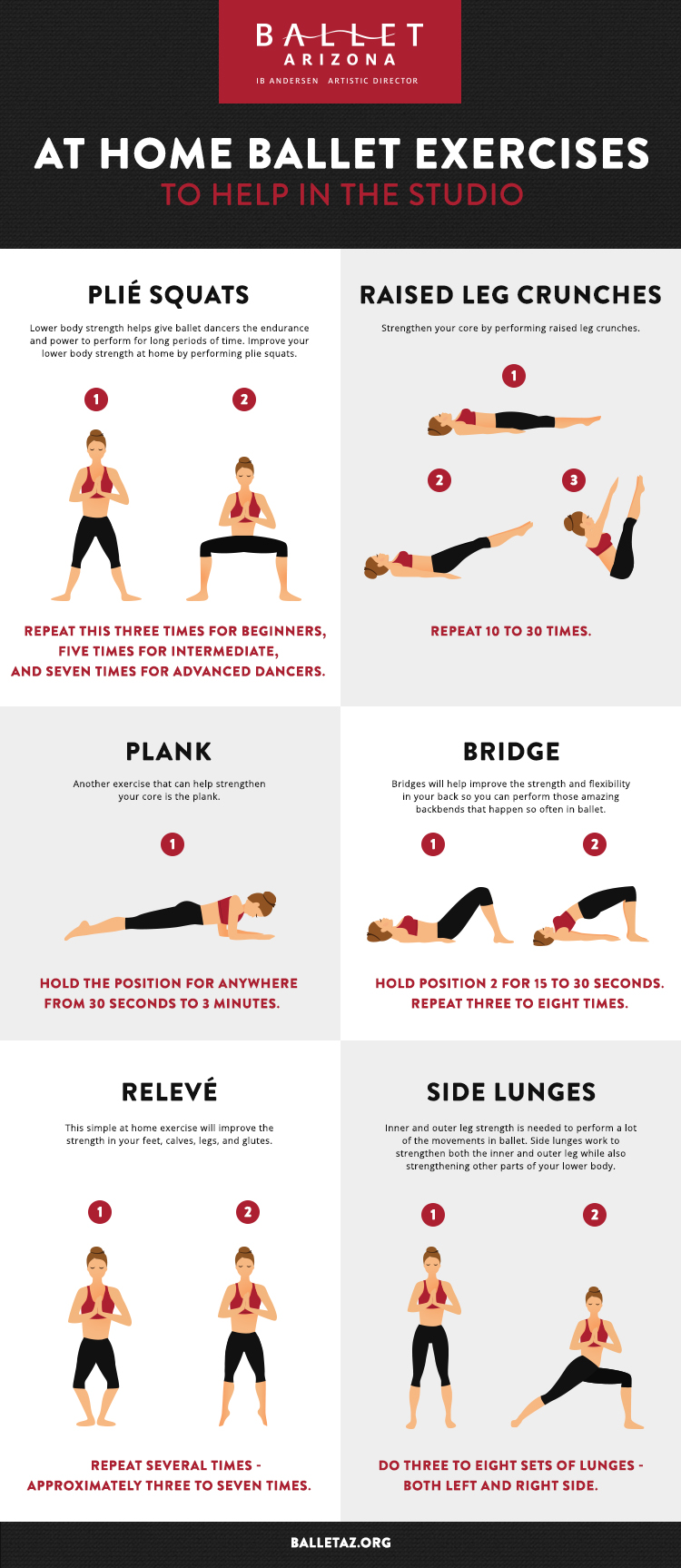
Credit: balletaz.org
Benefits Of Ballet Workouts
Ballet workouts are becoming a popular fitness choice. They offer many benefits for the body and mind. Ballet combines grace and strength. It is not just for dancers. Anyone can try ballet workouts at home. They are fun and effective. You need no special equipment. Just some space and motivation. Let’s explore the benefits of ballet workouts.
Improved Flexibility
Ballet workouts involve a lot of stretching. This helps improve flexibility. Flexible muscles reduce injury risk. Daily ballet moves stretch your legs, arms, and back. Flexibility aids in daily tasks too. It makes your body feel young and agile.
Enhanced Muscle Tone
Ballet workouts use controlled movements. These help tone muscles. Your arms, legs, and core get stronger. Toned muscles look good. They also support your body well. Ballet workouts sculpt the body. They give it a lean and elegant shape.
Increased Core Strength
The core is the body’s center. Ballet workouts focus on core strength. Strong core muscles improve balance. They support other body parts. This strength helps in other activities too. A strong core leads to better physical performance.
Better Posture
Ballet is about grace and poise. It teaches you to stand tall. Good posture boosts confidence. It also reduces back and neck pain. Ballet workouts emphasize alignment. This habit improves posture in daily life. Stand tall with ballet workouts.
Essential Equipment
Ballet workouts at home offer a unique way to stay fit. They blend grace with strength, providing a holistic approach to exercise. To get the most out of these workouts, having the right equipment is crucial. Essential equipment helps in enhancing performance and ensuring safety. Let’s explore the tools you need to bring the elegance of ballet to your living room.
Ballet Barre Alternatives
A ballet barre is vital for stability and balance. Yet, not everyone has a barre at home. Instead, use a sturdy chair or a countertop. These alternatives offer support for leg lifts and stretches. Ensure they are stable and secure to prevent falls. A proper substitute will keep your workout smooth and safe.
Floor Mats
Floor mats protect your feet and joints during exercises. They provide cushioning for jumps and stretches. Look for mats that are non-slip and thick. This ensures comfort and reduces the risk of injury. A good mat is essential for any ballet workout at home.
Proper Footwear
Proper footwear is important for ballet workouts. Ballet slippers or socks with grips prevent slipping. They offer flexibility and support during movements. Avoid regular socks, as they can cause sliding. The right footwear enhances your control and stability.
Resistance Bands
Resistance bands add intensity to your ballet exercises. They help in strengthening muscles and improving flexibility. Choose bands with varying resistance levels for different workouts. Make sure they are durable and easy to use. Integrating bands into your routine will elevate your ballet sessions.
Basic Ballet Exercises
Ballet workouts at home offer a graceful way to improve flexibility and strength. Basic exercises like pliés and tendus can be practiced easily. These movements enhance posture and balance, making ballet a rewarding home workout.
Embarking on ballet workouts at home opens up a world of elegance and strength right in your living room. Basic ballet exercises are the foundation of this graceful art form, offering you a chance to build poise, flexibility, and muscle tone without needing a dance studio. Each movement in ballet has its unique charm and purpose, helping you connect body and mind. Let’s dive into some essential exercises that will transform your home space into a ballet studio.Plies And Relevés
Plies are the cornerstone of ballet. They teach you how to bend your knees gracefully, enhancing thigh strength and flexibility. Start with your feet in a comfortable first position, heels together. Slowly bend your knees, keeping your back straight. Feel the stretch in your legs. Relevés, on the other hand, are all about rising onto your toes. They improve balance and strengthen your calves. Try combining plies and relevés for a fluid motion that mimics the elegance of a dancer.Tendus And Degagés
Tendus are the perfect exercise to enhance leg extension. Begin with your feet in first position, slide one foot along the floor until it’s fully extended, then bring it back. This simple motion helps in developing the precision of footwork. Degagés are similar but involve a slight lift of the foot off the floor, adding a dynamic element to your routine. These exercises are great for improving muscle control and defining the shape of your legs.Rond De Jambe
Rond de Jambe focuses on drawing circles with your leg. Stand with your supporting leg firm and trace a circle on the floor with your working foot. This motion increases hip flexibility and coordination. It’s like drawing graceful arcs in the air, which can be surprisingly meditative. As you do rond de jambe, notice how it challenges your balance, adding a playful twist to your routine.Port De Bras
Port de Bras is all about the movement of your arms. It’s your chance to express emotion and create lines with your body. Start by lifting your arms in front of you, then opening them to the side and above your head. The fluid motion strengthens your shoulders and upper back. Port de Bras isn’t just exercise; it’s storytelling. How do you want to narrate your ballet journey through your movements? These basic exercises are a gateway to a deeper appreciation of ballet. They’re not just about physical gain; they’re about embracing the discipline and beauty of dance. What story will your movements tell today?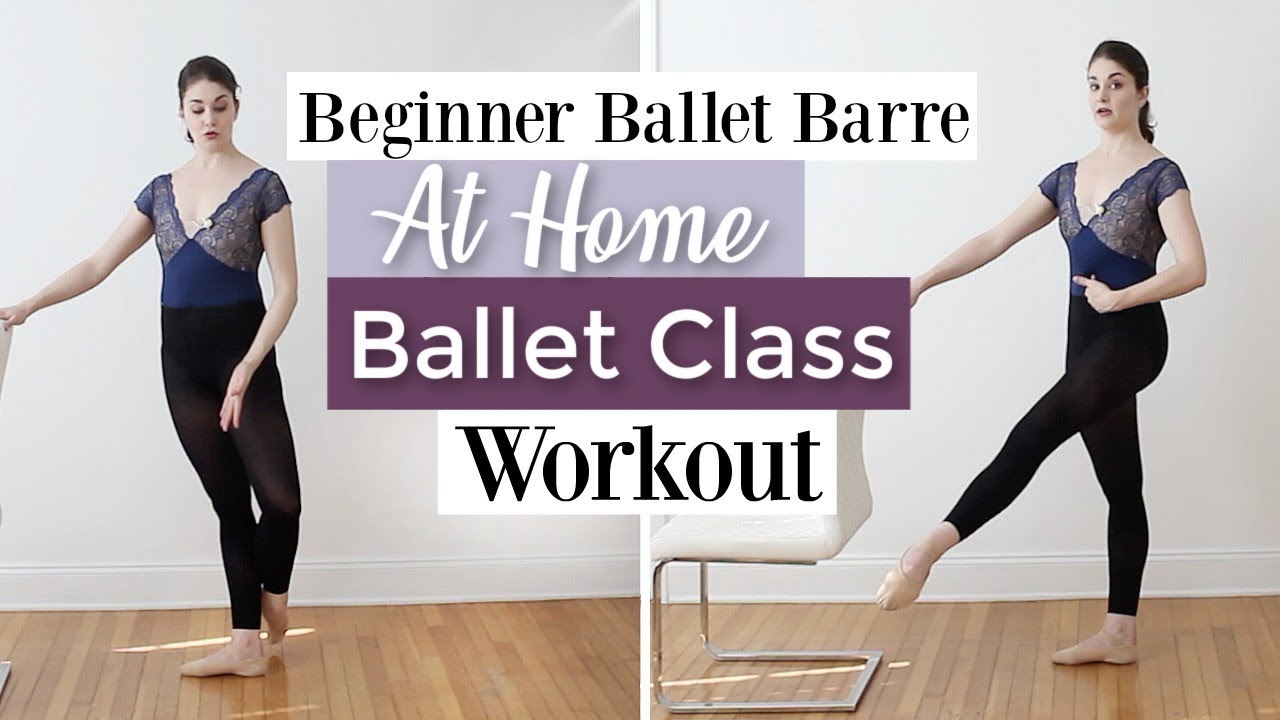
Credit: www.youtube.com
Incorporating Cardio
Incorporating cardio into your ballet workout at home boosts heart health. It enhances endurance and helps burn calories. Ballet, known for its grace, can also elevate your heart rate. By adding cardio elements, you enjoy a more comprehensive workout. This approach balances elegance with fitness efficiency.
Jump Combinations
Jump combinations are perfect for adding cardio to ballet workouts. They engage multiple muscle groups and increase your heart rate. Start with simple jumps like sautés. Gradually include more complex moves like assemblés. These combinations improve coordination and cardiovascular fitness. Practice consistently for the best results.
Dance Cardio Routines
Dance cardio routines blend dance moves with fitness. They make workouts fun and energizing. These routines often mimic ballet steps, adding a rhythmic twist. You get the dual benefit of dancing and exercising. Follow along with online videos for guided sessions. This keeps your routine fresh and exciting.
Incorporating Ballet Jumps
Ballet jumps are a great way to incorporate cardio. They elevate the heart rate quickly. Moves like jetés and cabrioles are effective. These dynamic movements demand power and precision. Regular practice improves both strength and cardiovascular health. Keep your posture correct for optimal results.
Creating A Routine
Building a consistent ballet workout routine at home enhances flexibility and strengthens muscles. Simple exercises can create a disciplined practice. Set aside time daily to perfect your moves and stay motivated.
Creating a routine for ballet workouts at home can transform your fitness journey. It’s not just about the elegance of the dance; it’s about building strength, flexibility, and grace. Whether you’re a beginner or have some ballet experience, crafting a personalized routine can elevate your practice and keep you motivated. Let’s dive into how you can set up your own ballet workout routine at home.Warm-up Techniques
Start your ballet session with a warm-up to prepare your body. Focus on dynamic stretches that target the muscles you’ll use in ballet. Arm circles, leg swings, and gentle pliés are great starters. They help increase blood flow and prevent injuries. Consider adding simple exercises like toe pointing and ankle rotations. These are crucial for ballet movements. They’ll help you gain better control and balance during your workout. What’s your favorite warm-up trick? Share it with your friends and see how it changes their routine!Structuring Your Session
Creating a structured session is key to a successful ballet workout. Break down your routine into sections: barre work, center practice, and floor exercises. Each part should focus on different aspects of ballet. Set a timer to keep your session balanced. Spend around 20 minutes on barre work, where you practice plies, tendus, and relevés. Use a chair or countertop as your barre. Move to center practice for another 15 minutes. This is where you work on your posture and balance with exercises like pirouettes and arabesques. Do you notice your balance improving over time?Cool Down And Stretch
End your workout with a cool down and stretch. This helps relax your muscles and prevents soreness. Focus on static stretches like the butterfly stretch and hamstring stretch. Breathe deeply and hold each stretch for about 20 seconds. This is your moment to unwind and reflect on your progress. How do you feel after a good stretch? More relaxed and ready to take on the day? Share your thoughts with your workout buddies!Tips For Consistency
Sticking to a ballet workout routine at home requires dedication. Consistency can be challenging without a structured environment. By following some practical tips, you can make ballet workouts a regular part of your day. Here are some strategies to help you stay on track.
Setting Goals
Set clear and achievable goals for your ballet workouts. Decide what you want to accomplish. It could be improving flexibility or mastering basic positions. Write down your goals and review them often. This will keep you focused and accountable.
Tracking Progress
Keep a journal to track your progress. Note improvements in strength, flexibility, and technique. Take photos or videos to see your form over time. These records show growth and build confidence. Celebrate small victories to stay encouraged.
Staying Motivated
Find ways to keep your motivation high. Listen to inspiring music while you practice. Join online ballet communities to connect with others. Share tips and experiences to feel supported. Mix up your routine to prevent boredom. Try new exercises or follow different online classes.
Safety Considerations
Ballet workouts at home offer a graceful way to stay fit. Yet, safety is key to ensure a positive experience. Understanding your limits and being mindful can prevent injuries. Here are some essential safety considerations.
Avoiding Overexertion
It’s easy to push too hard in ballet workouts. But overexertion can lead to strain. Always start with a gentle warm-up. Give your muscles time to adjust to the movements. Maintain proper form to prevent unnecessary stress. Take breaks when you feel tired. It’s better to rest than risk injury.
Listening To Your Body
Your body communicates its limits clearly. Listen to signals like pain or discomfort. These signals mean you should ease up. Never ignore sharp or persistent pain. It could lead to serious injuries. Adjust your movements to stay comfortable and safe.
Adapting For Beginners
Ballet workouts can be challenging for beginners. Start with basic movements and gradually increase complexity. Use support like a chair or wall for balance. Focus on mastering form rather than speed. This helps build a strong foundation. Embrace modifications to suit your fitness level.
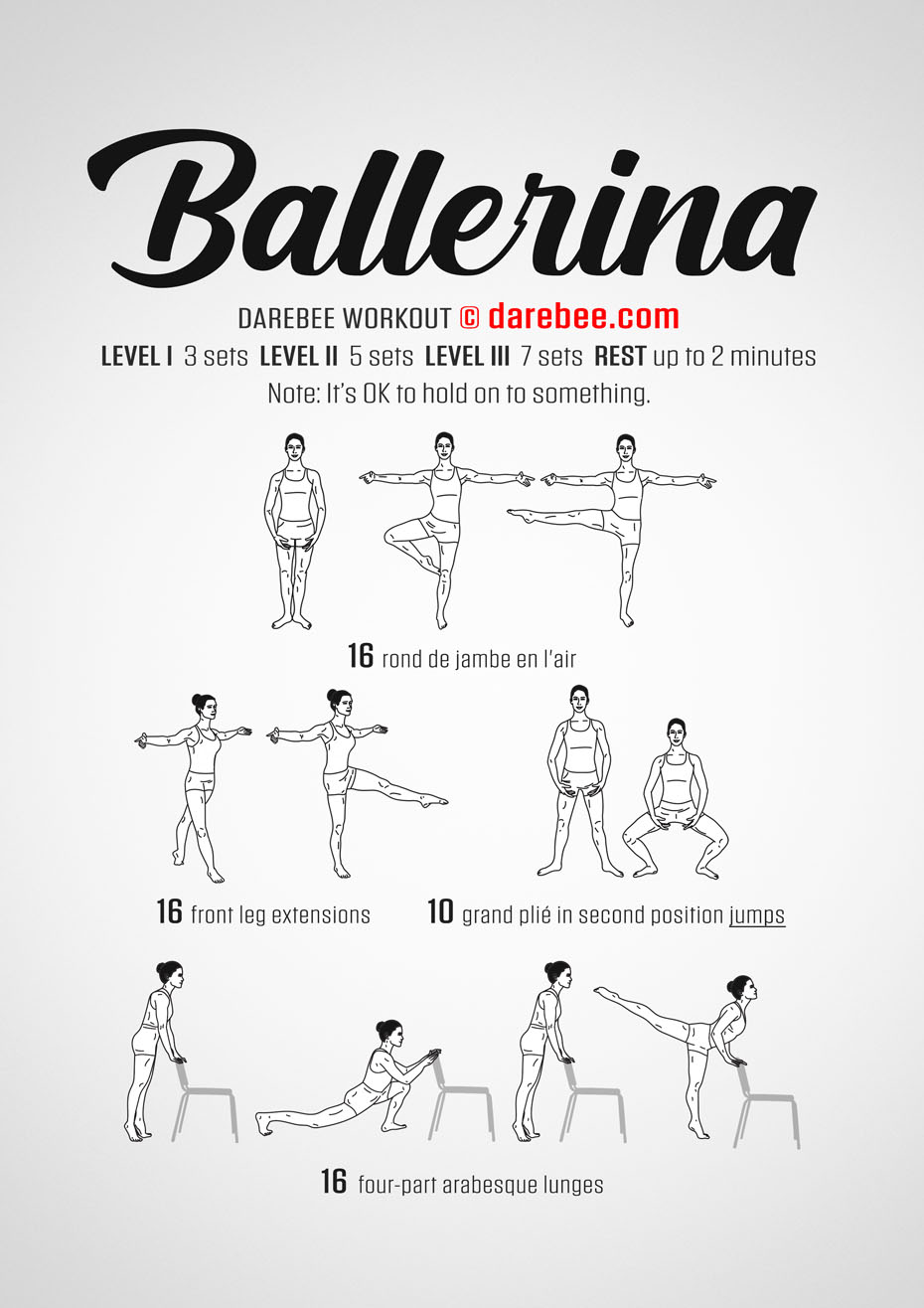
Credit: darebee.com
Frequently Asked Questions
Can You Train Ballet At Home?
Yes, you can train ballet at home. Use online classes, tutorials, and practice regularly. Ensure proper space and safety. Invest in a quality floor mat and mirror. Maintain discipline and focus to improve skills. Consider occasional professional guidance for better technique.
Is Ballet Good Exercise For Weight Loss?
Ballet is an excellent exercise for weight loss. It combines cardio and strength training, boosting metabolism. Ballet improves flexibility, balance, and muscle tone, aiding calorie burn. Consistent practice can help shed pounds while enhancing overall fitness and posture. Enjoyable and engaging, ballet keeps you motivated to stay active.
What Age Is Too Late To Start Ballet?
There is no age limit to start ballet. Many adults begin ballet for fitness, flexibility, and enjoyment. Starting later might not lead to a professional career, but it offers numerous physical and mental benefits. Embrace your passion and enjoy the journey at any age.
Are Ballet Workouts Effective?
Yes, ballet workouts are effective. They improve flexibility, strength, and posture. Ballet also enhances coordination and balance. This workout burns calories and tones muscles. Ballet exercises offer a full-body workout, making them beneficial for fitness.
Conclusion
Ballet workouts at home offer a great way to stay fit. They enhance flexibility, strength, and balance. You don’t need fancy equipment. Just a little space and dedication. These workouts suit all ages and skill levels. Regular practice brings noticeable improvements.
Plus, they add grace to your movements. Enjoy the process and have fun. Remember, progress happens with consistency. Start today and feel the benefits. Ballet can transform your fitness routine. Embrace it and see positive changes. Keep moving and stay motivated.
Your body and mind will thank you.








