
Are you looking to elevate your fitness routine without stepping foot in a gym? Cable workouts at home might be your ultimate solution.
Imagine having the power to sculpt and tone every muscle group, all from the comfort of your living room. With just a few simple pieces of equipment, you can unlock a world of exercises that offer versatility and effectiveness. These workouts are not only convenient but also engaging, helping you stay motivated and on track with your fitness goals.
Keep reading to discover how cable workouts can transform your home into a personal fitness haven, and why they might just be the missing piece in your exercise puzzle.
Benefits Of Cable Workouts
Cable workouts offer unique benefits for home fitness enthusiasts. Their versatility and efficiency make them a popular choice. With cables, you can target various muscle groups effectively. Discover the advantages of incorporating cable exercises into your routine.
Convenience And Versatility
Working out at home with cables is convenient. You can easily adjust the resistance. This allows you to perform a wide range of exercises. It suits all fitness levels, from beginner to advanced. The setup is simple, fitting into any home gym space.
Improved Muscle Engagement
Cable workouts enhance muscle engagement. They require constant tension during exercises. This helps in activating more muscle fibers. You’ll experience better muscle growth and toning. It ensures balanced development across different muscle groups.
Joint-friendly Exercises
Cables offer joint-friendly movements. They provide smooth and controlled resistance. This reduces strain on joints compared to free weights. Ideal for those with joint concerns or injuries. It promotes safe and effective training.
Core Stability And Balance
Core stability improves with cable workouts. They challenge your balance and coordination. You engage your core muscles during each exercise. This leads to better posture and overall stability. It’s a great addition to any fitness routine.
Progressive Overload
Cables enable progressive overload easily. You can gradually increase resistance levels. This encourages muscle adaptation and growth. It keeps your workouts challenging and rewarding. Perfect for achieving long-term fitness goals.
Essential Equipment
Creating a cable workout station at home is simple and effective. With the right equipment, you can perform a range of exercises. This setup allows you to target various muscle groups without needing a gym membership. Investing in essential equipment is key for a successful cable workout routine.
Cable Machine Options
There are various cable machines available for home use. Compact cable machines fit well in small spaces. They offer adjustable settings for different exercises. Wall-mounted systems are another choice. They save space and provide stability. Portable cable machines are ideal for those who need flexibility. These options cater to different needs and budgets.
Additional Accessories
Additional accessories enhance your cable workout experience. Attachments like handles and ropes diversify your exercises. They help target specific muscle groups. Weight plates are useful for adding resistance. They allow you to increase the intensity of your workout. A floor mat provides comfort and safety during exercise. These accessories are essential for a complete cable workout station.
Setting Up Your Space
Transform your home into a fitness haven with cable workouts. Set up a dedicated corner for your exercise gear. Ensure ample space to move freely, optimizing the effectiveness of your workout routine.
Setting up your space for cable workouts at home is crucial to ensure a smooth and effective exercise routine. The right environment can inspire you to stay consistent and reach your fitness goals. Let’s dive into how you can set up your space efficiently and safely.Choosing The Right Spot
First, identify a spot in your home that offers enough room for movement. Think about where you feel most comfortable working out. It could be a corner in your living room or a spare room you barely use. Consider the lighting. Natural light can be invigorating, but you might prefer a dimmer setting for your workout vibe. Also, ensure the spot is away from distractions. You want to focus on your workout, not what’s happening outside your window.Safety Considerations
Safety should be your top priority. Make sure your floor is sturdy and slip-resistant. A yoga mat can provide added grip and cushioning. Secure all cables and equipment. You don’t want any surprises mid-workout. Double-check that everything is in place before you start your routine. It’s also wise to check your surroundings. Ensure there’s nothing around that you might bump into or trip over, especially when you’re in the zone. How do you feel about your current workout space? Does it motivate you or could it use some tweaks? Reflect on these questions as you set up your space.
Credit: www.pinterest.com
Warm-up Exercises
Before diving into cable workouts at home, it’s essential to warm up. Proper warm-up exercises prepare your body for the main workout. They enhance performance and reduce the risk of injury. Warming up increases blood flow to muscles and improves flexibility. It helps transition your body from rest to activity. Let’s explore some effective warm-up exercises.
Dynamic Stretching
Dynamic stretching involves active movements. It gently takes your muscles through their range of motion. This type of stretching helps raise your core temperature. It also boosts muscle elasticity. Dynamic stretching is ideal before cable workouts. Examples include leg swings, arm circles, and torso twists. These movements prepare your muscles for the workout ahead. They also improve your overall flexibility.
Joint Mobilization
Joint mobilization focuses on increasing mobility in joints. It helps improve your range of motion. This is important for effective cable exercises. Joint mobilization can include gentle rotations of the wrists, ankles, and shoulders. It enhances fluid movement and reduces stiffness. This process prepares the joints for more intense activity. It ensures you get the most out of your cable workouts at home.
Upper Body Routine
Working out at home with cables can transform your upper body routine. Whether you’re looking to sculpt your chest, strengthen your back, or tone your arms, cables offer versatility and control. You don’t need to hit the gym to achieve amazing results. With some dedication, you can create an effective workout plan right in your living room.
Chest Exercises
Let’s start by targeting your chest muscles. Cable chest presses are a great way to build strength. Adjust the cable height and stand with one foot forward for stability. As you press the handles forward, feel the burn in your pectoral muscles.
Adding cable flyes can also enhance your routine. With arms slightly bent, pull the cables together in front of you. This move targets the inner chest and adds definition.
What’s your favorite cable chest exercise that challenges you the most?
Back Exercises
Strengthening your back is crucial for posture and overall fitness. Cable rows are a must-have in your routine. Stand or sit with the cables pulled towards your abdomen. You’ll feel your back muscles engaging with each rep.
Another effective exercise is the cable lat pulldown. Adjust the pulley to the top setting and pull down towards your chest. This move focuses on the upper back and lat muscles.
Do you notice a difference in your posture after adding back exercises to your routine?
Shoulder Workouts
Cables are excellent for shoulder workouts. Try the cable shoulder press. Stand with the cables at shoulder height and press upwards. It strengthens your deltoids and enhances shoulder mobility.
Another exercise to consider is the lateral cable raises. Stand with cables at your sides and lift them outwards. This targets the lateral deltoids and creates shoulder width.
How do your shoulders feel after a week of cable workouts?
Arm Strengthening
Building arm strength with cables is efficient and rewarding. Start with cable bicep curls. Grip the handles and pull them towards your shoulders. You’ll feel your biceps working hard.
For your triceps, try cable pushdowns. Keep elbows close to your body and push downwards. This move targets the back of your arms.
What changes do you observe in your arm strength after consistent cable workouts?
Incorporating these exercises into your home routine can yield impressive results. Feel free to share your journey and tips in the comments below! Your insights might just inspire someone else to start their cable workout journey.
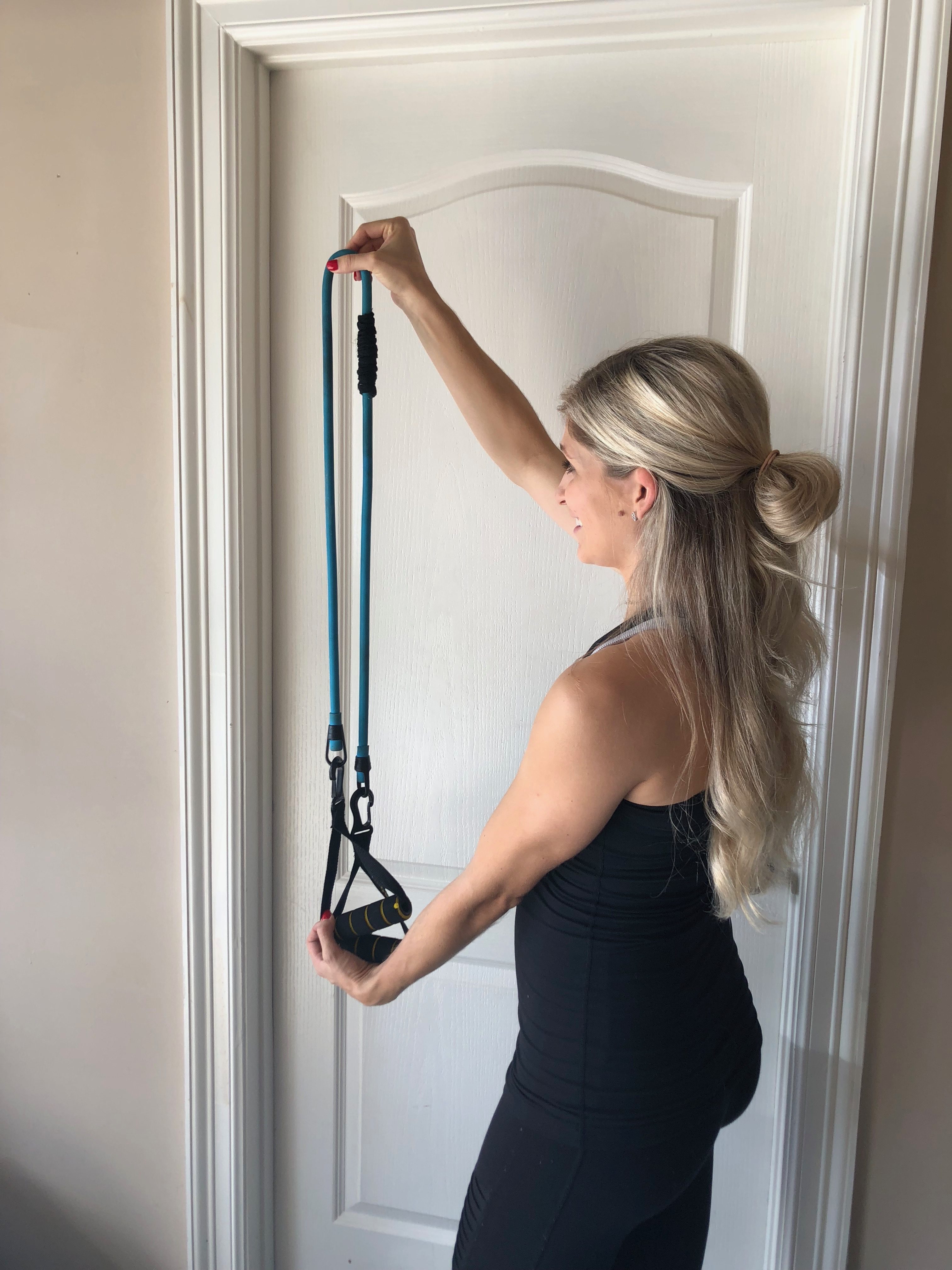
Credit: laurengleisberg.com
Lower Body Routine
Cable workouts at home offer a versatile approach to strengthen the lower body. Easily target muscles with adjustable resistance and varied exercises. Achieve effective results from the comfort of your living room.
Lower Body Routine Working out at home doesn’t mean you have to miss out on a solid lower body workout. With cable machines or resistance bands, you can effectively target your legs, glutes, and calves. These exercises are not only convenient but also incredibly effective. Let’s dive into how you can sculpt your lower body without stepping out of your house.Leg Exercises
Cable workouts can transform your leg day. Try cable squats to strengthen your quads and hamstrings. Set the cable to a low position, stand with feet shoulder-width apart, and squat while holding the cable handle. Another great move is the cable leg curl. Attach the ankle strap, stand facing the machine, and curl your leg back. Why not challenge yourself with cable lunges? Attach the cable to your ankle, stand facing away from the machine, and step forward into a lunge. Feel the burn in your thighs as you push back to starting position.Glute Workouts
Want to lift and tone your glutes? Cable kickbacks are your best friend. Secure the ankle strap, face the machine, and kick back while squeezing your glutes. This exercise is a personal favorite because it really targets the muscle. You can also try cable hip thrusts. Lie on your back, place your feet on a bench, and thrust your hips up with the cable attached to your waist. The tension in the cable ensures your glutes are working hard.Calf Strengthening
Cable machines can also help you build strong calves. Try cable calf raises by standing on a step with the cable attached to your waist. Rise onto your toes and lower back down. This simple move can significantly boost your calf strength over time. Seated cable calf raises are another option. Sit on a bench, attach the cable to your feet, and raise your heels. This variation can add variety to your routine and keep things interesting. Have you considered how these simple exercises can transform your fitness routine at home? Give these moves a try and feel the difference. Your lower body will thank you.Core And Stability
Working out at home with cables can transform your core and stability. These exercises are not just about getting washboard abs. They help you move better, feel stronger, and even improve your posture. Imagine being able to hold a plank longer or twist without feeling a twinge. That’s the power of a stable core. But how do you target these muscles effectively at home? Let’s dive into some specific exercises.
Abdominal Exercises
Start with the cable crunch. It’s a straightforward move, but it packs a punch. Kneel facing the cable machine, grab the rope attachment, and pull down while curling your torso. Feel the burn in your abs as you control the movement both ways. Don’t rush; quality over quantity.
Ever tried the standing cable lift? It challenges your core in ways sit-ups can’t. Stand side-on to the machine, hold the handle with both hands, and lift from your hip to the opposite shoulder. This diagonal movement engages your core differently, making it stronger and more flexible.
Oblique Workouts
Oblique twists with cables can change how you see side exercises. Stand with feet hip-width apart, hold the cable handle, and twist your torso from side to side. Keep your arms extended but relaxed. Feel your obliques working hard to stabilize your body.
Another great one is the cable woodchopper. Start low and move diagonally across your body, like chopping wood. It’s not just about strength; it’s about control. You might even find yourself using these muscles when carrying groceries or playing sports.
Lower Back Strengthening
Your lower back deserves attention, too. Cable deadlifts are perfect for this. Stand with feet shoulder-width apart, hold the cable bar, and hinge at your hips to lower the bar, then pull back up. This exercise strengthens your back, helping you lift things more easily and with less risk of injury.
Think about trying the cable reverse fly. Stand facing the machine, grab the handles, and pull them apart, keeping your back straight. This move reinforces your lower back while also engaging your shoulders. A strong back supports everything you do, from sitting to running.
Can you feel the potential of these exercises? With cables, you’re not just building strength; you’re enhancing your overall stability. Have you tried any of these workouts at home? What changes have you noticed in your daily activities? Your feedback can help others on the same journey. Start today and see how a strong core can change your world.
Cooldown Practices
After an intense cable workout at home, it’s essential to wind down with effective cooldown practices. They not only help in reducing muscle soreness but also enhance flexibility and improve recovery. With a proper cooldown routine, you can ensure your body is ready for the next session. Let’s dive into some practical cooldown techniques.
Static Stretching
Static stretching is a great way to relax your muscles post-workout. Hold each stretch for about 15-30 seconds to allow your muscles to elongate. You might focus on areas that felt the most strain during your workout, like your shoulders or legs.
Personally, I’ve found that stretching my hamstrings after cable leg exercises drastically reduces stiffness. Think about your body’s needs and focus on stretches that target those areas.
Breathing Techniques
Breathing deeply can significantly impact how your body recovers. Try inhaling slowly through your nose and exhaling through your mouth. This helps lower your heart rate and calm your mind.
What if you tried a technique that athletes swear by? Deep diaphragmatic breathing is known to bring tranquility after a rigorous session. This could be your secret weapon against post-workout fatigue.
Cooling down is not just about physical recovery. It’s about preparing mentally for your next workout challenge. Are you giving your cooldown the attention it deserves? Embrace these practices and feel the difference in your recovery journey.
Tracking Progress
Cable workouts at home offer a versatile way to strengthen muscles. Keep track of your progress with a journal. Record sets, reps, and weight to see improvements over time. Adjust exercises based on your results. This helps in staying motivated and achieving fitness goals efficiently.
Tracking progress in your cable workouts at home can be a game-changer. It not only fuels motivation but also helps you adjust your workouts effectively. By knowing where you stand, you can push your limits and achieve your fitness goals faster.Using A Workout Journal
One practical way to track your progress is by maintaining a workout journal. Jot down each exercise, the number of sets and reps, and the weight used. Over time, you’ll see patterns and identify areas needing improvement. A journal lets you celebrate small wins. Imagine flipping back a few pages and seeing how far you’ve come. It’s a tangible reminder of your dedication and hard work. Consistency is key. Make it a habit to update your journal immediately after each workout. This ensures accuracy and helps maintain your momentum.Setting Achievable Goals
Setting achievable goals is crucial for maintaining motivation. Break down your long-term goals into smaller, manageable targets. It’s easier to stay committed when you know exactly what you’re working towards each week. Start with realistic goals. If you’re new to cable workouts, aim to increase your weight gradually. Celebrate each milestone, no matter how small, to keep your spirits high. Ask yourself: What do you want to achieve in the next month? Write it down and track your progress. By setting and achieving these short-term goals, you build confidence and lay the groundwork for bigger challenges. Tracking progress keeps you accountable. It’s not just about the numbers; it’s about seeing your hard work pay off. Whether through a journal or goal setting, make sure you have a system that works for you. Are you ready to see how far you can go?Common Mistakes
Cable workouts at home offer convenience and versatility. But many people make common mistakes that hinder progress. Understanding these errors can enhance your workout efficiency and prevent injuries.
Form Errors
Proper form is essential in cable workouts. Incorrect posture can lead to strains and ineffective exercises. Always align your body correctly. Keep your back straight. Avoid locking your joints. These small adjustments make a big difference. Watch yourself in a mirror or record your workout. This helps identify form issues.
Overtraining Issues
Overtraining leads to fatigue and injuries. It’s tempting to push hard with cable workouts. But rest is crucial for muscle recovery. Balance your workout schedule with rest days. Listen to your body. Signs of overtraining include persistent soreness and irritability. If you notice these, take a break. Recovery improves performance and health.
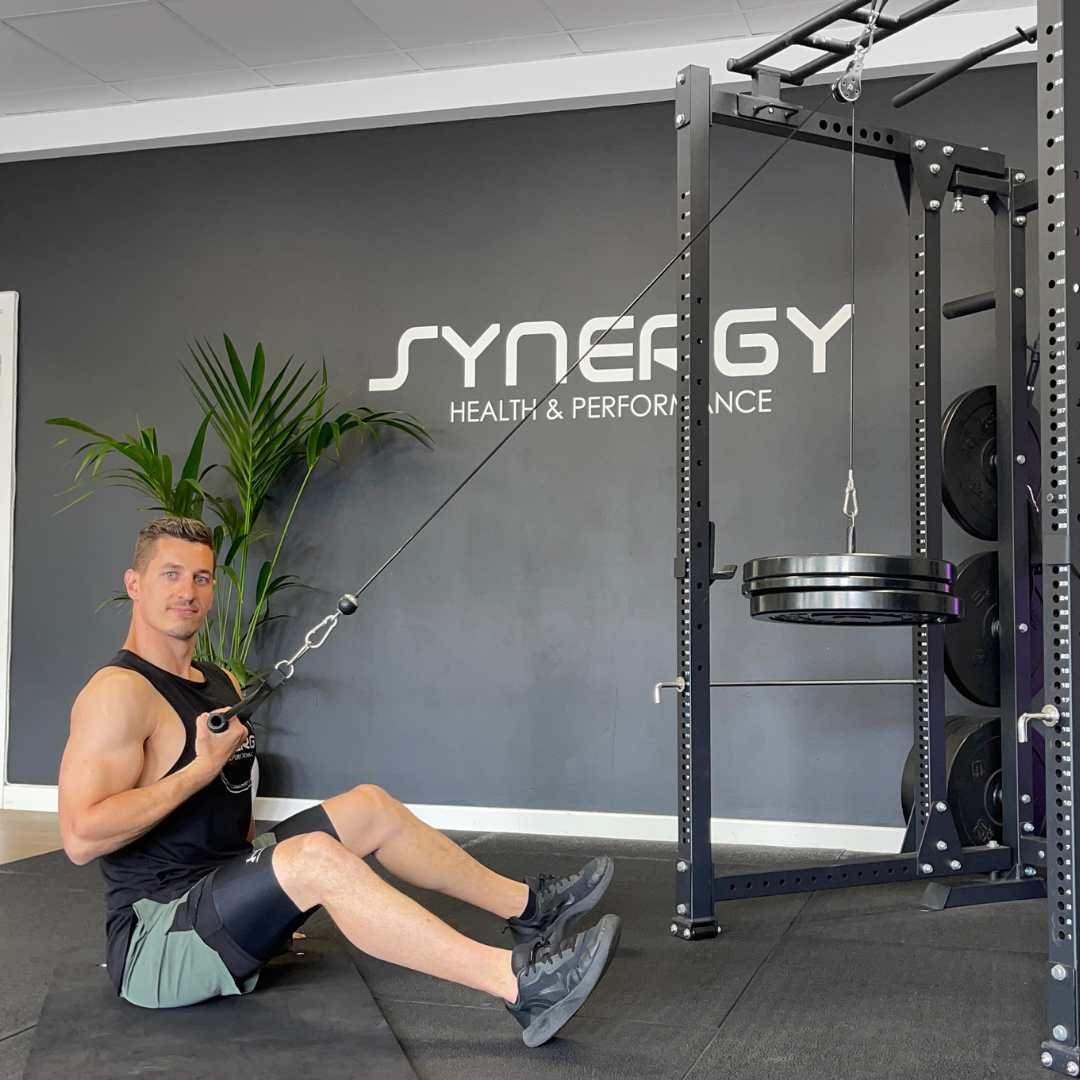
Credit: www.tompetotraining.com
Frequently Asked Questions
Can You Build Muscle With Cables Only?
Yes, building muscle with cables is possible. Cable exercises offer constant tension, enhancing muscle growth. They target different muscle groups effectively and improve strength and stability. Incorporate various cable exercises for balanced muscle development. Regular workouts with proper form and intensity are key to results.
How To Lose Belly Fat With A Cable Machine?
To lose belly fat with a cable machine, focus on exercises like cable crunches, woodchoppers, and cable rotations. Ensure consistent workouts, maintain proper form, and combine with a healthy diet for best results. Adjust resistance for increased challenge and target the core effectively.
Are Cables A Good Workout?
Yes, cables offer an effective workout. They provide resistance and improve strength, flexibility, and muscle tone. Cables allow for versatile exercises targeting various muscle groups. They also ensure consistent tension throughout movements, enhancing workout efficiency. Suitable for beginners and advanced users, cables support functional training and injury prevention.
How To Do Cable Exercises Without A Cable Machine?
Use resistance bands to mimic cable exercises. Anchor them to a sturdy surface for various movements. Dumbbells can substitute for pulling actions. Perform rows, flys, and curls using body weight or bands. These alternatives provide effective workouts without a cable machine.
Conclusion
Cable workouts at home offer great convenience. No gym needed. Just cables and space. These workouts fit any schedule. Perfect for busy lives. They build strength effectively. No bulky equipment required. Cables target multiple muscle groups. Versatile and adaptable. Suitable for all fitness levels.
Beginners and experts alike. Safety is key. Always use proper form. Consistency brings results. Set goals and track progress. Enjoy the benefits of home workouts. Save time and money. Stay committed and focused. The journey to fitness starts here. Happy exercising!








