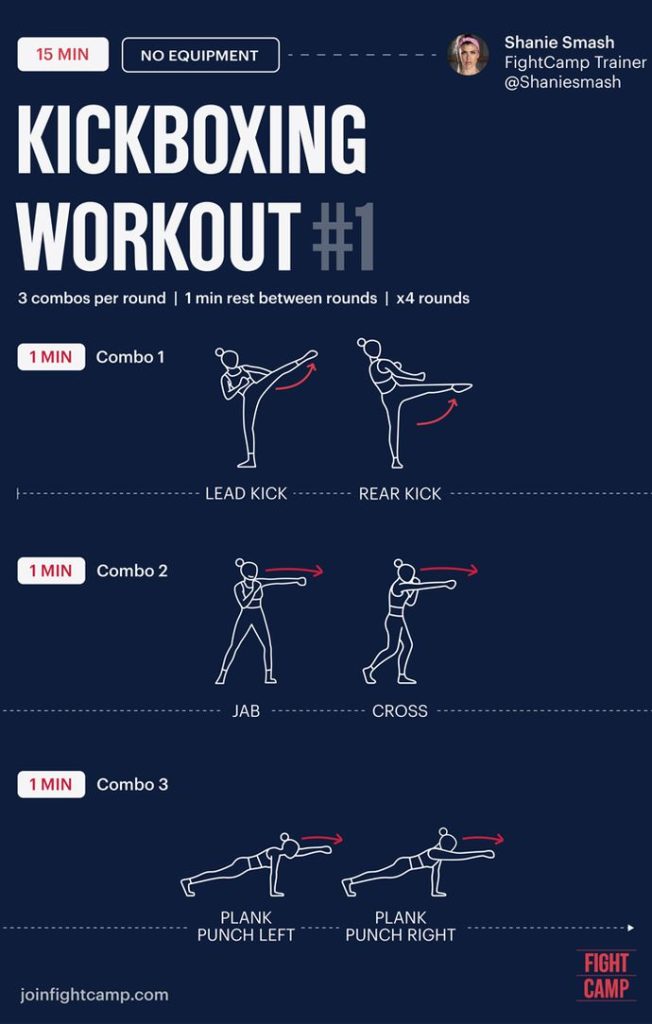
Are you ready to punch your way to fitness without stepping out of your front door? At home kickboxing workouts are the perfect way to unleash your inner fighter, torch calories, and relieve stress all from the comfort of your living room.
Imagine the satisfaction of landing a perfect jab or executing a flawless roundhouse kick while getting in the best shape of your life. This isn’t just exercise; it’s an exhilarating escape from the mundane routine that not only transforms your body but also boosts your confidence.
You might be wondering if you need expensive equipment or a lot of space. The answer is no. You can get started with minimal gear and make the most of whatever space you have. Ready to discover how kickboxing can revolutionize your fitness journey and add a spark to your daily routine? Let’s dive into the world of at-home kickboxing workouts, where every punch brings you closer to your goals.

Credit: www.pinterest.com
Benefits Of Kickboxing
Kickboxing workouts at home boost fitness and energy levels. They improve cardiovascular health and enhance strength and flexibility. Stress reduction and mental focus are additional benefits, promoting overall well-being.
Kickboxing isn’t just about powerful punches and swift kicks. It’s a dynamic workout that offers a multitude of benefits, making it a perfect addition to your at-home fitness routine. Whether you’re new to kickboxing or a seasoned enthusiast, understanding its benefits can inspire you to lace up your sneakers and start kicking.Improves Cardiovascular Health
Kickboxing gets your heart pumping and your blood flowing. Each session is a high-intensity workout that challenges your cardiovascular system. Regular practice can lead to improved heart health, helping you reduce the risk of heart disease. Think about the last time you felt your heart race with excitement. Kickboxing brings that exhilaration into your fitness routine. It’s not just about burning calories; it’s about building a stronger, healthier heart.Enhances Strength And Flexibility
When you throw a punch or deliver a kick, you’re engaging multiple muscle groups. This not only builds strength but also enhances your flexibility. The varied movements in kickboxing ensure that you’re not just working on one part of your body. Have you ever felt stiff after sitting for too long? Kickboxing’s dynamic movements can help combat that stiffness. By regularly practicing, you’ll notice increased flexibility and strength, which can make everyday activities easier.Boosts Mental Well-being
Kickboxing is not just a physical workout; it’s a mental one too. The focus required during training sessions helps clear your mind, reducing stress and anxiety. Each punch and kick releases endorphins, lifting your mood and boosting your mental health. Imagine the satisfaction of nailing that perfect roundhouse kick after a tough day. Kickboxing offers a productive outlet for stress, transforming negative energy into something positive. How often do you get to punch away your stress while getting fit?Essential Equipment
If you’re kickboxing at home, having the right equipment is crucial for a safe and effective workout. Without the essentials, you might not only risk injuries but also miss out on maximizing your performance. Whether you’re a seasoned fighter or a newbie, understanding what gear to invest in can make your workouts more enjoyable and productive.
Choosing The Right Gloves
Gloves are more than just hand protection. They provide the necessary support to your wrists and knuckles, reducing the risk of injury. It’s tempting to grab the first pair you see, but consider the weight and fit. A snug pair gives better control and comfort. Does your hand feel cramped or overly loose? That’s a sign to try another size. Many brands offer adjustable gloves, so test a few to find the perfect match.
Investing In A Punching Bag
A punching bag is your silent partner in training. It absorbs your strikes and helps you refine your technique. Wall-mounted bags save space, but free-standing ones offer more flexibility. Think about your available space. A heavy bag requires sturdy support, so ensure your ceiling can handle it. If space is tight, consider a compact option that can be stored easily. What kind of kickboxer are you—power-focused or speed-driven? Choose a bag that suits your style.
Protective Gear Basics
Kickboxing isn’t just about throwing punches; it’s about protecting yourself too. Mouthguards and shin guards should be part of your essential kit. A mouthguard protects your teeth from impact, while shin guards keep your legs safe during kicks. Are you feeling vulnerable during sparring? Don’t skimp on quality. It’s worth investing in gear that offers maximum protection. Imagine the peace of mind you’ll have knowing you’re shielded from harm. Choose wisely and train fearlessly.
Kickboxing gear isn’t just about safety; it’s about enhancing your experience. With the right equipment, you can focus more on improving your skills and less on worrying about injuries. What equipment have you found indispensable in your training journey?
Warm-up Techniques
Kickboxing is an energetic workout that combines martial arts techniques with fast-paced cardio. Before diving into punches and kicks, warming up is crucial. Proper warm-up techniques prepare your body, preventing injuries and enhancing performance. Let’s explore some effective warm-up methods to gear up for your at-home kickboxing session.
Dynamic Stretching
Dynamic stretching involves active movements that gently stretch muscles. Unlike static stretches, dynamic movements increase blood flow and flexibility. Arm circles are a great start. Swing your arms in circular motions, loosening shoulder muscles. Leg swings work wonders for your hips and thighs. Swing each leg forward and backward. This prepares your lower body for high kicks and swift moves. Dynamic stretching boosts agility. It primes your muscles for intense kickboxing action.
Cardio Drills
Cardio drills elevate your heart rate, readying you for action. Jumping jacks are simple yet effective. They warm up your entire body while boosting endurance. High knees are another great drill. Run in place while lifting your knees high. This fires up your core and leg muscles. Burpees are fantastic for building strength and stamina. They combine squats, push-ups, and jumps, engaging multiple muscle groups. Cardio drills enhance your kickboxing workout, ensuring you start strong.
Basic Kickboxing Moves
Kickboxing is an exciting way to boost fitness from home. Understanding basic moves can make workouts effective and enjoyable. Beginners can easily learn these foundational moves. They form the core of most routines. By practicing regularly, you’ll improve strength, coordination, and agility.
Jab And Cross Punches
The jab and cross are fundamental punches. Start with your feet shoulder-width apart. Keep your hands up near your face. For a jab, extend your lead arm straight. Aim for a quick, sharp motion. The cross punch uses your rear arm. Pivot your hips as you punch. This adds power to your strike. Practice these punches repeatedly. They help build upper body strength.
Front And Roundhouse Kicks
Kickboxing involves dynamic kicks. The front kick starts with your knee raised. Then snap your foot forward. Aim for a controlled but powerful motion. The roundhouse kick involves more rotation. Pivot on your supporting foot. Swing your leg in a circular motion. It targets the side of your opponent. Both kicks improve leg flexibility and balance.
Defensive Stances
Defense is crucial in kickboxing. Maintain a strong stance to protect yourself. Keep your knees slightly bent. Stand with one foot forward, one back. Hands should guard your face. This position helps absorb incoming strikes. It’s important to practice shifting weight. Move smoothly between stances. Defensive moves build resilience and awareness.
Creating A Home Routine
Creating a home routine for kickboxing offers flexibility and convenience. You can tailor your workouts to fit your schedule. This setup allows you to focus on your personal fitness goals. Whether you’re aiming to boost your cardio or enhance your technique, a home routine helps. It’s important to know where you want to go with your kickboxing journey.
Setting Goals
Define what you want to achieve with your kickboxing routine. Do you wish to improve strength or lose weight? Specific goals guide your exercise choices. They keep you motivated and focused. Write down your goals to make them concrete. Setting clear, achievable goals builds your confidence.
Structuring Your Sessions
Organize your kickboxing workouts for efficiency. Start with a warm-up to prepare your body. Follow with technique drills to sharpen your skills. Add some cardio exercises to boost endurance. Include strength training to build muscle. Conclude with a cool-down to relax your muscles. A structured session ensures balanced development.
Tracking Progress
Monitor your improvements regularly. Keep a workout journal to note your gains. Record your session durations and intensity levels. Mark any new skills or techniques mastered. Tracking progress helps you see results over time. Celebrate small victories to stay motivated.
Incorporating Strength Training
Strength training boosts the effectiveness of at-home kickboxing workouts. Building muscle enhances endurance and power in each punch and kick. Integrating weights or resistance bands can maximize results.
Kickboxing workouts at home are not just about high-energy kicks and punches. Adding strength training elevates your routine, enhancing power and endurance. It’s not just about building muscle; it’s about improving overall performance. By including strength exercises, you ensure a well-rounded fitness regimen.Bodyweight Exercises
Bodyweight exercises are perfect for kickboxing enthusiasts. They require no equipment, making them accessible and flexible. Think about integrating push-ups, squats, and lunges into your routine. Each of these movements strengthens key muscle groups essential for powerful strikes and swift movements. Consider doing three sets of 15 push-ups. This enhances your upper body strength, crucial for delivering those strong punches. Squats and lunges target your lower body, providing stability and power for kicks. These exercises also improve balance and coordination. Have you ever noticed how a simple squat can transform your kick’s impact?Resistance Bands Workouts
Resistance bands are a game-changer for strength training in kickboxing. They offer varied resistance levels, perfect for all fitness stages. You can use them to mimic kickboxing movements, adding resistance to punches and kicks. Try incorporating band punches into your workout. Attach the band to a sturdy object and punch away, feeling the added resistance. This not only builds arm strength but also enhances your punching speed and accuracy. Leg extensions with bands can boost your kicking power. Secure the band around your ankles and perform controlled kicks. Ever felt the burn in your legs after using bands? That’s your muscles growing stronger. Incorporating these strength exercises into your kickboxing routine keeps it engaging and effective. Which exercise are you excited to try next?Cool Down And Recovery
Kickboxing at home is a fun way to exercise. After intense sessions, cool down with deep stretches. This recovery helps muscles relax and prevents injury, ensuring you’re ready for the next workout.
After an intense kickboxing session, your muscles are buzzing with energy and your mind is brimming with accomplishment. But before you move on with your day, it’s crucial to wind down effectively. Cooling down and recovering properly can make all the difference in how you feel the next day and in preventing injuries.Static Stretching Techniques
Static stretching is your go-to strategy after a kickboxing workout. It involves holding stretches for a period, typically 15-30 seconds, to help your muscles relax. Consider stretching your hamstrings, quads, and shoulders. This kind of stretching helps improve flexibility and reduces muscle stiffness. Imagine it as a gentle way to tell your muscles that it’s time to rest. You might find that these stretches also give you a moment of mental clarity and peace. Remember, the goal is to feel a stretch, not pain. If you find yourself wincing, ease back a little. Your body will thank you later.Importance Of Rest Days
Rest days are just as vital as workout days. They give your muscles time to repair and grow stronger. Without them, you risk overtraining, which can lead to fatigue or injury. Think about the last time you felt too tired to give your best. That’s your body signaling it needs a break. By incorporating rest days, you can return to your workouts refreshed and more effective. It’s not just about physical recovery; rest days can also recharge your mind. You might find new motivation and excitement for your next workout session. So, what are your plans for your next rest day? Perhaps a gentle walk or a good book? Incorporating these cool down and recovery strategies will make your kickboxing journey more rewarding and sustainable. How will you adjust your routine to include them?
Credit: www.youtube.com
Staying Motivated
Punch your way to fitness with at-home kickboxing workouts. These sessions boost energy and keep motivation high. Feel stronger and more confident as you progress through each dynamic routine.
Staying motivated during your at-home kickboxing workouts can be challenging. Between daily distractions and the comfort of your couch, it’s easy to lose focus. But with the right strategies, you can keep your energy and enthusiasm high.Setting Realistic Goals
Start by setting realistic goals. What do you want to achieve with your kickboxing workouts? Is it increased stamina, weight loss, or simply stress relief? Clear goals give you direction and purpose. Break down your larger goals into smaller, achievable milestones. Celebrating small wins boosts your morale and keeps you motivated.Finding A Workout Buddy
Consider finding a workout buddy. Having someone to train with can significantly boost your motivation. You share progress, challenges, and tips. It’s easier to skip a workout when you’re alone, but with a buddy, there’s accountability. Plus, kickboxing can be more fun when you have someone to spar with.Tracking Your Achievements
Track your achievements regularly. Use a journal, app, or calendar to note your progress. Seeing how far you’ve come can be incredibly motivating. You might notice improvements in your speed, technique, or endurance. Have you ever looked back at your progress and felt proud? Let those achievements fuel your desire to keep going. Staying motivated in your kickboxing journey isn’t always easy, but with these strategies, you can maintain your enthusiasm and continue moving forward. Are you ready to kick-start your motivation and achieve your goals?Safety Tips
Kickboxing at home is a fantastic way to stay fit, but ensuring your safety is crucial. Without the watchful eye of a trainer, it’s easy to overlook important precautions. A few simple safety tips can help prevent injuries and make your workout more effective.
Proper Form And Technique
Maintaining proper form isn’t just for professionals. It’s essential for everyone, including beginners. Focus on keeping your body aligned. For example, when throwing a punch, make sure your wrist is straight to avoid strain.
Watch yourself in a mirror or record your sessions. This helps you identify mistakes and correct them. I learned this the hard way when I realized my kicks were off balance. It made a world of difference once corrected.
Do you often feel sore after your workouts? It could be because of improper form. Taking the time to learn and practice the right techniques can save you from unnecessary pain.
Listening To Your Body
Your body is an excellent communicator. If something feels wrong, stop immediately. Pushing through pain can lead to serious injury.
Remember, it’s not about how hard you push, but how smartly. I ignored a nagging knee pain once, and it cost me weeks of recovery. Don’t ignore those signals.
Are you feeling fatigued or dizzy? These can be signs that you need to rest or hydrate. Your body knows best, so listen to it.
How do you ensure safety during your workouts? Implementing these tips can help you enjoy kickboxing with peace of mind, right from your living room.

Credit: www.youtube.com
Frequently Asked Questions
Is It Possible To Train Kickboxing At Home?
Yes, you can train kickboxing at home using online tutorials or training apps. Ensure you have adequate space, proper gear, and follow safety guidelines. Regular practice and dedication will improve your skills over time. Consider joining virtual classes for expert guidance and a structured routine.
Is Kickboxing A Good Way To Lose Weight?
Yes, kickboxing is an effective way to lose weight. It burns calories, boosts metabolism, and enhances cardiovascular fitness. Engaging in regular kickboxing sessions helps tone muscles and improve endurance. This high-intensity workout also reduces stress, making weight loss more achievable.
What Age Is Too Late To Start Kickboxing?
Age is just a number in kickboxing. Many start in their 40s, 50s, or later. Consult a doctor if unsure. Stay motivated, and enjoy the journey.
Is 3 Days A Week Enough For Kickboxing?
Training kickboxing 3 days a week is effective for fitness and skill improvement. Consistency and intensity are key. Adjust based on goals and recovery needs. Always prioritize proper technique to prevent injuries.
Conclusion
Kickboxing workouts at home offer many benefits. They boost fitness and confidence. These routines are simple and need minimal equipment. You save time and money by skipping the gym. Consistency is key for best results. Start slow and increase intensity over time.
Listen to your body and rest when needed. Enjoy the journey of getting stronger. Invite friends or family to join you. A fun way to bond and stay active. Kickboxing brings excitement to your fitness routine. Stay committed, and you’ll see progress.
Fitness is about enjoying every step of the way. Keep moving forward!








