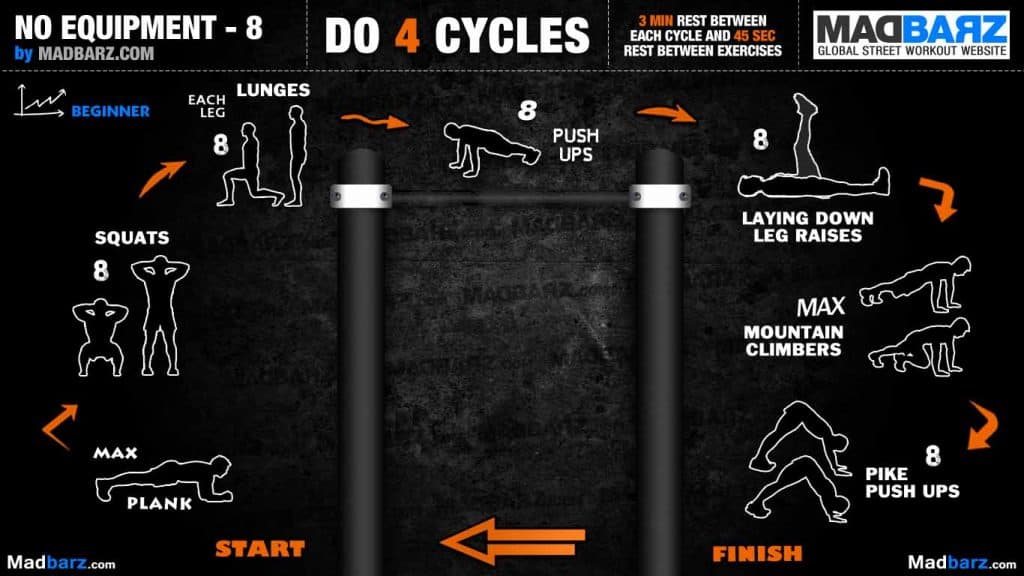
Are you looking to get fit without the hassle of a gym membership? Imagine building strength and flexibility right in the comfort of your living room.
Calisthenic workouts at home offer you a powerful and efficient way to transform your fitness routine. These exercises require no fancy equipment, just your body weight, a bit of space, and a dash of determination. Picture yourself mastering push-ups, pull-ups, and squats, all while saving time and money.
Ready to dive in and discover the secrets to sculpting your body at home? Let’s explore how you can turn your home into the ultimate training ground.
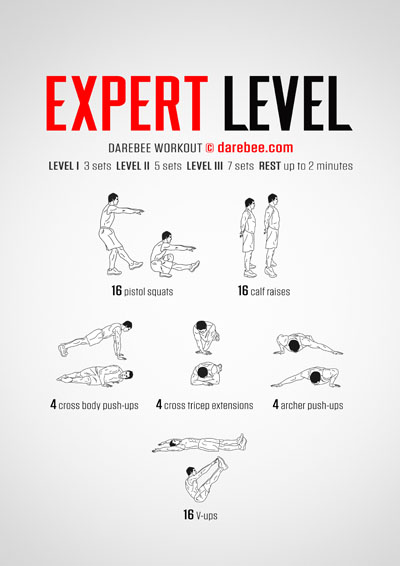
Credit: darebee.com
Benefits Of Calisthenics
Calisthenic workouts offer the convenience of exercising at home without equipment. These exercises improve strength, flexibility, and endurance using just your body weight. Ideal for all fitness levels, calisthenics promote muscle growth and enhance cardiovascular health, making them a versatile choice for home fitness routines.
Are you tired of expensive gym memberships and crowded fitness classes? Discover the Benefits of Calisthenics, a workout style you can do right in your living room. Calisthenics, a form of strength training using your body weight, offers numerous advantages that can transform your fitness routine. Whether you’re a beginner or an experienced athlete, these benefits make calisthenics an attractive option for everyone.Improved Strength
Calisthenics builds strength in a way that feels natural. Think about the power required to perform a pull-up or a push-up. These exercises engage multiple muscle groups, enhancing your overall strength. You don’t need heavy weights to see progress. Your own body becomes the resistance, providing a challenging workout that adapts as you get stronger. Have you ever wondered why gymnasts have such strong physiques? It’s because of the consistent use of body-weight exercises.Increased Flexibility
Flexibility often gets overlooked in traditional strength training. Calisthenics changes that. Movements like lunges and bridges improve your range of motion while building strength. Try incorporating some dynamic stretches into your routine. You’ll notice the difference in your everyday activities, from reaching for something on a high shelf to bending down to tie your shoes. Have you ever felt stiff after a weightlifting session? Calisthenics can help prevent that, making you more agile and less prone to injury.Cost-effective Fitness
Why pay for expensive gym memberships when you can achieve great results at home? Calisthenics requires minimal equipment, if any. A yoga mat and a sturdy chair can take you far. This workout style suits any budget. The cost savings can be significant over time, allowing you to invest in other areas of your health and wellness. Consider how much you could save annually by skipping the gym and embracing home workouts. What’s stopping you from starting today? By focusing on calisthenics, you tap into a versatile fitness regimen that offers strength, flexibility, and cost savings. Isn’t it time to rethink your approach to exercise?
Credit: www.youtube.com
Essential Equipment
Calisthenic workouts can transform your fitness routine. Many find these bodyweight exercises effective. But having the right equipment at home is crucial. It enhances your workout experience. Let’s explore essential equipment for your calisthenic journey.
Pull-up Bar
The pull-up bar is a staple in calisthenics. It strengthens your upper body. You can install it in any doorway. This versatile tool allows various exercises. Use it for pull-ups, chin-ups, and even hanging leg raises. It’s compact and affordable. Perfect for home workouts.
Resistance Bands
Resistance bands are another must-have. They add intensity to your exercises. Lightweight and portable, they suit any space. Use them for squats, chest presses, and rows. They help improve flexibility and strength. A great addition to your workout gear.
Gymnastic Rings
Gymnastic rings enhance body control. They offer a challenging workout. Made from durable materials, they’re easy to set up. Hang them in a doorway or on a sturdy frame. Perform dips, muscle-ups, and ring rows. They build strength and balance. A worthy investment for serious fitness enthusiasts.
Basic Calisthenic Exercises
Calisthenic workouts are an excellent way to build strength and flexibility without needing a gym. They’re perfect for home workouts because they require minimal equipment and can be done in small spaces. Understanding the basic exercises is crucial to forming a solid foundation. Let’s dive into some essential calisthenic moves you can master at home.
Push-ups Variations
Push-ups are a staple in calisthenic workouts. They target your chest, shoulders, and triceps. Start with the classic push-up: keep your body straight, hands shoulder-width apart, and lower your chest to the floor.
Once you’ve mastered this, try variations like wide-arm push-ups for a broader chest workout or diamond push-ups to intensify tricep engagement. Changing hand positions can drastically alter the muscle focus.
Ever tried doing push-ups with one arm? It sounds difficult, but it’s achievable with practice. Adding these variations keeps your workout fresh and challenging.
Pull-ups Techniques
Pull-ups are fantastic for strengthening your back and arms. If you have a pull-up bar at home, you’re set for a powerful upper body workout. Start with a simple pull-up: grip the bar with palms facing away and lift your body until your chin is above the bar.
Struggling to get that first pull-up? Try assisted pull-ups using resistance bands. These will help build up your strength gradually.
Mix it up with chin-ups, where palms face toward you, to target biceps. Remember, consistency is key. Even if you start with just one pull-up, you’re building towards more.
Squats And Lunges
Squats and lunges are essential for lower body strength. They work your quads, hamstrings, and glutes. Begin with bodyweight squats: feet shoulder-width apart, lower your body as if sitting in a chair.
Once you’re comfortable, add lunges to your routine. Step forward with one leg, bending both knees, and keep your front knee behind your toes.
Not feeling the burn yet? Try holding weights as you squat or lunge. These exercises can transform your lower body strength in ways you might not expect.
Have you considered how these exercises can fit into your daily routine? No need for hours of training. Short, consistent sessions can yield impressive results. So, why not start today and see where calisthenics can take you?
Intermediate Techniques
As you progress in your fitness journey, calisthenics can offer a wealth of intermediate techniques that challenge your strength and stability. Moving beyond the basics requires dedication and an understanding of how your body moves. These intermediate exercises can be done at home and provide an excellent way to push your limits and see significant improvements in your physical abilities. Let’s dive into some exciting techniques you can master right from your living room.
Dips And Planches
Dips are a fantastic way to build upper body strength, targeting your triceps, shoulders, and chest. You can perform them using two sturdy chairs or a dip bar if you have one at home. Focus on keeping your elbows close to your body as you lower yourself.
Planches are more advanced and require practice. They work your core, shoulders, and arms simultaneously. Start with tuck planches, keeping your knees close to your chest, and gradually extend your legs as you gain strength.
Combine these exercises in your routine, ensuring proper form. It’s amazing how adding this duo can transform your upper body strength.
Handstand Practices
Handstands are not just for gymnasts. They are an incredible full-body workout that tests your balance and builds shoulder and core strength. Start by practicing against a wall to gain confidence.
Once comfortable, try freestanding handstands. Remember, it’s okay to fall – each attempt is a step closer to balance and control.
Have you ever felt the thrill of holding a handstand, even for a second? It’s exhilarating and a testament to your growing strength.
Pistol Squats
Pistol squats are the ultimate test of leg strength and flexibility. They require you to squat down on one leg, which can be quite challenging. Begin with assisted versions, using a chair or wall for balance.
As you build strength, try without support. It’s fascinating how this simple move can significantly enhance your leg power.
Are you ready to impress your friends with this advanced squat variation? It’s not just about showing off, but mastering control and strength.
Each of these intermediate techniques is a step forward in your calisthenic journey. Remember, progress is personal, and the journey is as important as the destination. Keep challenging yourself, and you’ll be amazed at what your body can achieve.
Creating A Home Routine
Discover the simplicity of calisthenic workouts at home. No equipment needed. Use your body weight for exercises like push-ups and squats. Create a routine that fits your schedule. Stay consistent for better results. Enjoy building strength and flexibility right in your living room.
Creating a home routine for calisthenic workouts is an empowering journey. Imagine turning your living room or backyard into a personal gym where you sculpt your body using just your weight. No need for expensive equipment or gym memberships. You have the power to create a workout routine that fits your lifestyle and goals. Whether you’re a beginner or seasoned athlete, crafting a personalized calisthenic plan at home can be both efficient and rewarding.Setting Goals
Setting clear, achievable goals is crucial. Are you looking to improve strength, enhance flexibility, or perhaps lose weight? Decide what you want to achieve with your workouts. Write down your goals and keep them visible. This serves as a daily reminder of why you started. Consider starting with small goals like doing 10 push-ups, and then gradually increasing the challenge.Structuring Workouts
Creating a balanced workout structure keeps you motivated. Mix and match exercises like push-ups, squats, and planks. You can start with a warm-up to get your muscles ready, then dive into a mix of upper body, lower body, and core exercises. Keep the routine varied to target different muscle groups and avoid boredom. One day, focus on endurance; the next, aim for strength.Tracking Progress
Tracking your progress can be surprisingly motivating. Keep a journal or use a fitness app to log your workouts. Record the number of reps, sets, and any improvements. Celebrate small victories like doing an extra push-up or holding a plank longer. Reflect on your progress weekly. How does seeing your improvement in numbers make you feel? It can be the boost you need to push further. Creating a home routine is about consistency and personalization. You hold the reins, so tailor your workouts to suit your goals and preferences. What’s stopping you from transforming your living space into a powerhouse of fitness? Grab your calendar, mark your workouts, and witness your transformation.Staying Motivated
Finding inspiration for calisthenic workouts at home keeps fitness goals alive. Set small targets and celebrate achievements. Mix exercises to maintain interest and drive.
Staying motivated during calisthenic workouts at home can be challenging. It’s easy to lose interest without a gym environment. Yet, motivation is key to achieving fitness goals. With a few strategies, you can keep your enthusiasm high. Let’s explore some effective ways to stay motivated.Finding Support
Support is crucial in maintaining motivation. Join online calisthenic communities. Interact with others who share similar fitness goals. Share your progress and get feedback. This connection can inspire you to keep going. Engage in discussions and learn new techniques. Feeling part of a group boosts motivation.Setting Challenges
Challenge yourself to reach new goals. Set small, achievable targets. They keep you focused and driven. For instance, aim for more push-ups each week. These challenges add excitement to your routine. Track your progress regularly. It helps you see improvements and fuels your determination.Celebrating Milestones
Celebrate your achievements, no matter how small. Recognize the effort you put into reaching a milestone. It can be completing a workout series or mastering a new move. Rewarding yourself reinforces positive behavior. It makes you look forward to the next workout. Acknowledging progress keeps the motivation alive.Safety And Injury Prevention
Calisthenic workouts at home offer a safe way to exercise. Focus on proper form to prevent injuries. Use a soft mat and maintain a clear space for movements.
Calisthenic workouts at home offer a flexible fitness solution. Yet, safety is crucial to prevent injuries. Understanding safety measures enhances your workout experience. It ensures consistency and progress in your fitness journey. Let’s delve into key aspects of safety and injury prevention.Proper Warm-ups
Begin each session with a proper warm-up. This prepares your muscles for exercise. Start with light cardio like jogging in place. It increases your heart rate gradually. Follow this with dynamic stretches. These enhance flexibility and reduce muscle stiffness. A good warm-up minimizes injury risk. It makes your workout more effective.Listening To Your Body
Your body often signals its limits. Pay close attention to these signs. If you feel pain, stop the exercise immediately. Discomfort is a warning, not a challenge. Adjust intensity if you feel overly fatigued. Regularly assess your form during exercises. Incorrect form can lead to injuries. Listening helps you stay in tune with your body’s needs.Rest And Recovery
Rest days are essential for muscle recovery. They prevent overuse injuries and promote healing. Ensure you get adequate sleep each night. Sleep aids in muscle repair and growth. Incorporate gentle activities like walking or stretching on rest days. These support recovery without straining your body. Prioritize hydration and nutrition to fuel recovery. They play a crucial role in maintaining energy levels.
Credit: www.bodyweightmuscle.com
Frequently Asked Questions
Can You Build Muscle By Only Doing Calisthenics?
Yes, you can build muscle with calisthenics. Consistent bodyweight exercises like push-ups and pull-ups enhance strength and muscle growth. Integrating progressive overload and varied routines boosts effectiveness. Ensure proper nutrition and rest for optimal results.
Is It Possible To Train Calisthenics At Home?
Yes, you can train calisthenics at home. It requires minimal equipment and space. Focus on exercises like push-ups, pull-ups, and squats. Create a routine to build strength and flexibility. Consistency and proper form are key. There are plenty of online resources and tutorials available to guide you.
What Is The 80/20 Rule In Calisthenics?
The 80/20 rule in calisthenics suggests focusing 80% of efforts on fundamental exercises. Spend 20% of time experimenting with advanced moves. This strategy boosts efficiency and progress by prioritizing foundational skills. It balances skill mastery with creativity, enhancing overall fitness and workout effectiveness.
Is 20 Minutes Of Calisthenics A Day Enough?
Twenty minutes of daily calisthenics can boost fitness, build strength, and improve flexibility. Consistency is key for progress. Adjust intensity and exercises to match goals. Listen to your body and ensure proper form to prevent injuries. Combine with a balanced diet for optimal results.
Conclusion
Calisthenic workouts at home offer great benefits. No equipment needed. You can start anytime, anywhere. These exercises improve strength, flexibility, and endurance. Perfect for all fitness levels. Consistent practice leads to noticeable results. Make calisthenics a part of your routine.
Enjoy the simplicity of these workouts. Feel healthier every day. Remember, patience is key. Results take time. Stay committed and motivated. Your body will thank you. Embrace this journey to better fitness. Keep pushing, keep improving. You got this!








